Planning a new shore home in Upper Township this spring? One of your first big choices is how to build it. Should you go modular or stick-built. Each path can get you to a beautiful, durable shore house, but the right fit depends on your timeline, site access, flood zone, and long-term goals. In this guide, you will learn how these methods compare for coastal New Jersey, what to expect with permits and logistics, and how choices today can shape insurance costs and resale tomorrow. Let’s dive in.
Modular vs stick-built basics
What modular means
Modular homes are built in sections at a factory that follows state and local codes. While your foundation and site work move forward, the modules are constructed indoors, then transported to your lot and set on the foundation. Factory conditions help control quality and reduce weather delays during the build phase.
What stick-built means
Stick-built homes are constructed entirely on-site. The framing, systems, and finishes are delivered and installed at your property. This method is highly flexible for customization as you go, but weather and on-site coordination can stretch timelines.
Key trade-offs at a glance
- Timeline: Modular can shorten calendar time because factory work overlaps with site prep. Stick-built usually keeps more work on-site, which can extend schedules.
- Quality control: Modular benefits from a controlled factory setting and consistent inspections. Stick-built quality depends on jobsite supervision and weather conditions.
- Cost drivers: Modular may reduce on-site labor and time, but adds transport and crane costs. Stick-built can have higher on-site labor and longer soft costs.
- Flexibility: Stick-built offers broader late-stage changes. Modular requires earlier decisions to align with factory processes.
- Logistics: Modular success depends on transport routes, crane access, and staging. Tight shore roads and overhead lines can be limiting.
What matters at the shore in Upper Township
Flood zones, elevation, and insurance
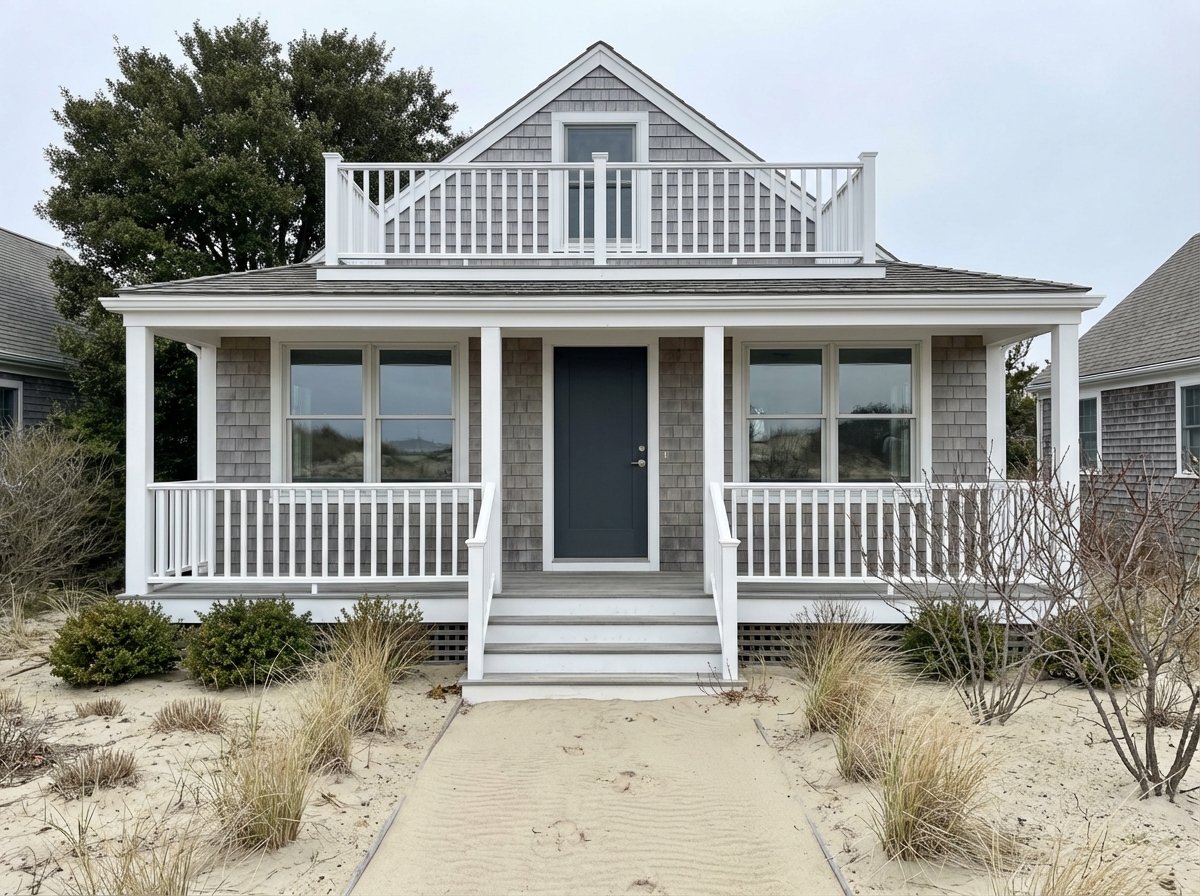
Coastal flood zones, including AE and VE, shape how you design and build. Minimum finished-floor elevations and foundation types are tied to Base Flood Elevations and freeboard requirements. Elevated foundations on pilings or piers are common in coastal A and V zones. You should plan on an Elevation Certificate for insurance and often for lending. Increasing the finished-floor elevation typically reduces flood insurance premiums and can make financing smoother.
Permits and approvals in New Jersey
Both modular and stick-built homes must meet New Jersey codes and local permits. State-level coastal rules are enforced by the New Jersey Department of Environmental Protection. Depending on your site and scope, you may need coastal permits such as CAFRA or Flood Hazard Area approvals. The Upper Township building and zoning offices will also check setbacks, lot coverage, height, and any township-specific rules. Modular factory approvals from the state work alongside, not instead of, municipal inspections.
Site constraints that affect delivery
In Upper Township and Cape May County, practical access is a major factor. Road widths, overhead wires, bridge or weight restrictions, and seasonal traffic can limit the module sizes that can reach your lot. Small lots also make crane placement a puzzle. Utility connections and septic siting can influence where the house sits and how the site is graded. All of this should be reviewed early with your builder and engineer.
Timelines and logistics in Cape May County
How long does each method take
Modular construction typically shortens the calendar because the factory builds while your foundation and utilities are underway. Industry estimates often show modular builds taking about 30 to 50 percent less calendar time than a comparable stick-built project, depending on design and logistics. Stick-built projects can take longer due to more on-site framing and weather exposure. That said, in coastal New Jersey the permitting timeline can be the critical path for both methods.
Site access and crane considerations
Modular delivery depends on safely moving large modules to your address, then setting them with a crane. Narrow neighborhood roads, tight turns, and utilities overhead can require escorts or smaller modules. Staging areas for the crane and delivery trucks must be identified in advance, especially on compact shore lots. For stick-built projects, you avoid oversize transport but will see continuous deliveries and on-site storage needs throughout the build.
Foundations and elevated settings
Shore homes often sit on pilings or piers. Modular designs can be engineered to land precisely on an elevated foundation and tie modules together at height. That accuracy requires coordination among the factory, the set crew, the crane company, and your engineer. Stick-built teams work at elevation from day one, which can be more forgiving on complex foundations but usually takes more on-site time.
Materials and resilience for salt, wind, and water
Coastal homes live in a harsh environment. Both modular and stick-built houses benefit from corrosion-resistant fasteners and hardware, such as stainless or hot-dipped galvanized components. Moisture-managed wall systems, closed-cell insulation in key areas, fiber cement siding, and composite decking help extend service life. Your plans must meet local wind speed and building code requirements, and many owners choose impact-resistant windows and doors for durability and insurability. These details add cost, but they protect value over time.
Costs you should plan for
It is hard to compare prices without a site and a plan since elevation, foundation type, customization, and access drive so much of the budget. Modular can trim on-site labor and shorten schedules, yet you will add transport, crane, and set costs. You may also need factory upgrades for coastal wind and flood performance if they are not standard. Stick-built typically carries more on-site labor and longer holding costs. Both methods share permitting and professional fees, and both must meet the same coastal code standards.
Financing, insurance, and resale
Lenders will require code-compliant plans, permits, and often an Elevation Certificate for coastal loans. Flood insurance premiums hinge on your finished-floor elevation relative to the Base Flood Elevation. Even a small increase in elevation can make a meaningful difference in annual premiums. With proper documentation and inspections, some underwriters view elevated, code-compliant modular homes positively, similar to site-built homes.
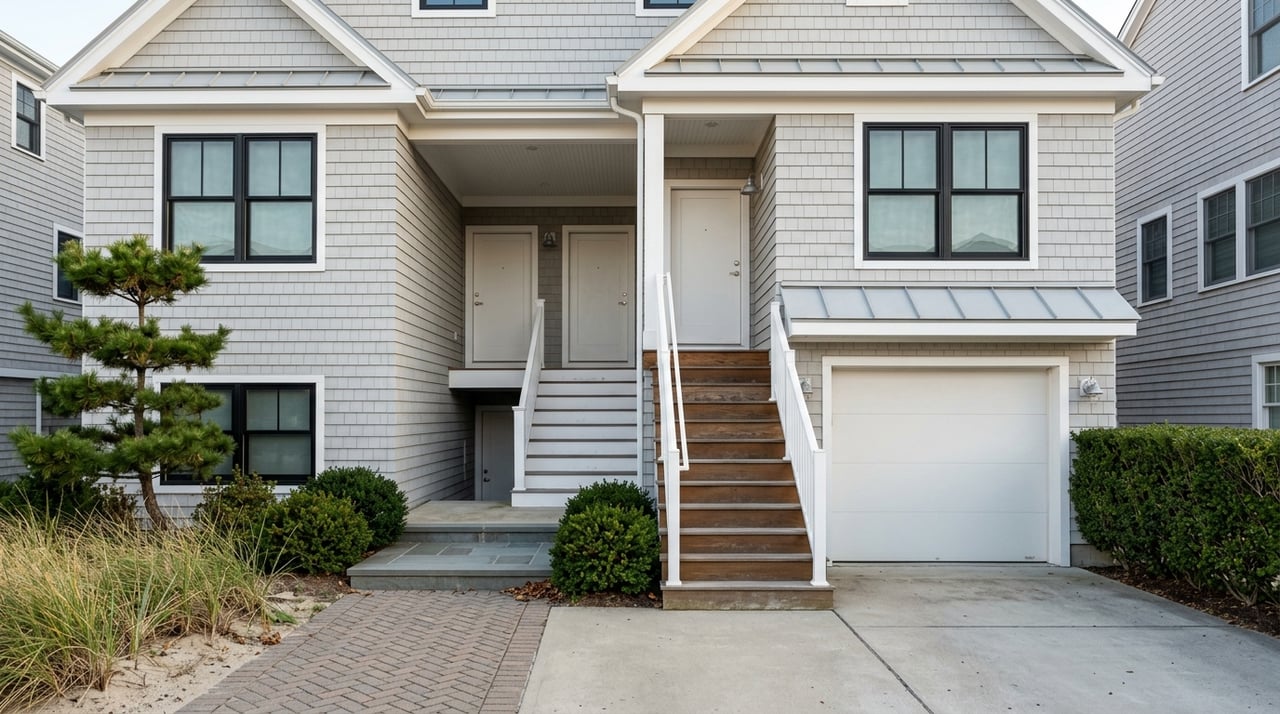
For resale in Upper Township, buyers commonly look for strong elevation, wind-resilient openings, and low-maintenance materials. If elevated access means several flights of stairs, the buyer pool can be narrower, so plan thoughtful entries and exterior lifts where allowed. Flood zone status, elevation certificates, and insurance details are important disclosures that shape value. When pricing, comparable sales should match elevation, foundation type, and flood exposure for a fair comparison.
Which path fits your goals
Choose modular if you want to compress the build calendar, prefer making decisions early, and your site allows safe module transport and a crane setup. Modular can be a strong fit for repeatable plans or a small portfolio of shore homes with consistent specs.
Choose stick-built if you want maximum customization during construction, have complicated architecture that is hard to modularize, or face tight access that makes module delivery unrealistic. Stick-built can be the flexible option when the site or design pushes standard module dimensions.
Either way, your builder’s coastal experience and your elevation strategy typically matter more to long-term value than the method itself. The goal is a durable, code-compliant home that handles salt air, wind, and water while keeping insurance and maintenance manageable.
Step-by-step checklist for Upper Township
- Confirm your lot’s flood zone and Base Flood Elevation, then obtain or budget for an Elevation Certificate.
- Call the Upper Township building and zoning offices to review setbacks, lot coverage, height limits, and any coastal or dune protections that apply.
- Identify whether you have sewer or septic. If septic is required, check siting rules and approvals that may affect your foundation and grading.
- Review state-level coastal permits with the New Jersey Department of Environmental Protection. CAFRA or Flood Hazard Area rules may apply.
- Engage a coastal engineer early to plan your foundation strategy. Piles or elevated piers are common and can set the tone for cost and schedule.
- For modular, ask manufacturers for New Jersey approvals, examples of coastal installations, and a detailed transport and crane plan. Confirm New Jersey Department of Community Affairs documentation.
- For stick-built, request a realistic schedule that accounts for weather and seasonal constraints.
- Assess site access for oversize delivery. Note road widths, overhead wires, bridge limits, and possible staging areas.
- Specify corrosion-resistant materials, wind-resistant openings, and moisture management. Request sample spec sheets and confirm local wind design requirements.
- Get flood insurance estimates at several finished-floor elevations. Use those numbers to weigh the cost of raising the house against long-term premiums.
- Review recent local comparables that match elevation and foundation type to set expectations for resale.
- Plan your permitting calendar. Spring is busy at the shore, so build in time for state and local approvals and for contractor availability.
Bringing it all together
A successful Upper Township shore build is about more than choosing modular or stick-built. It is about aligning design, elevation, permits, and logistics with your budget and timeline. If you prepare for coastal rules, plan your access and staging, and lean into durable materials, you can get to a strong outcome with either method.
If you are weighing options for a lot or exploring new construction opportunities, let a local team guide your next steps. Reach out to Cheryl Huber for experienced, shore-specific advice on sites, timelines, and resale strategy.
FAQs
How do I find my Upper Township flood zone and BFE
- Use FEMA flood mapping resources to identify your zone and Base Flood Elevation, then request an Elevation Certificate from a qualified professional for precise planning.
Will a modular home meet New Jersey coastal codes
- Yes, modular homes must meet New Jersey construction codes and local approvals. Factory inspections complement municipal inspections but do not replace them.
How much faster is modular than stick-built at the shore
- Industry estimates often show modular builds finishing about 30 to 50 percent faster in calendar time, with permitting still a major driver in coastal areas.
Can modular homes be set on pilings in Upper Township
- Yes, modular homes can be engineered for elevated foundations. Accurate coordination among the factory, crane crew, and engineer is essential for a precise set.
What coastal costs should I expect beyond the house itself
- Budget for elevation and foundation work, possible NJDEP permits, transport and crane for modular, weather contingencies for stick-built, and coastal upgrades for wind and corrosion.
How does finished-floor elevation affect flood insurance and resale
- Higher finished-floor elevation relative to the Base Flood Elevation typically lowers flood insurance premiums and can strengthen marketability at resale.
What if my street is narrow or has overhead wires
- Tight access can limit module size or require special transport plans. If delivery is not feasible, a stick-built approach may be more practical for your site.