Trying to choose between Ocean City’s North End and South End? If you are eyeing a second home for family time, the right spot comes down to how you like to spend your days at the shore. You want easy routines, good beach time, and a location that fits your lifestyle. This guide compares both ends clearly so you can decide with confidence. Let’s dive in.
North End vs South End at a glance
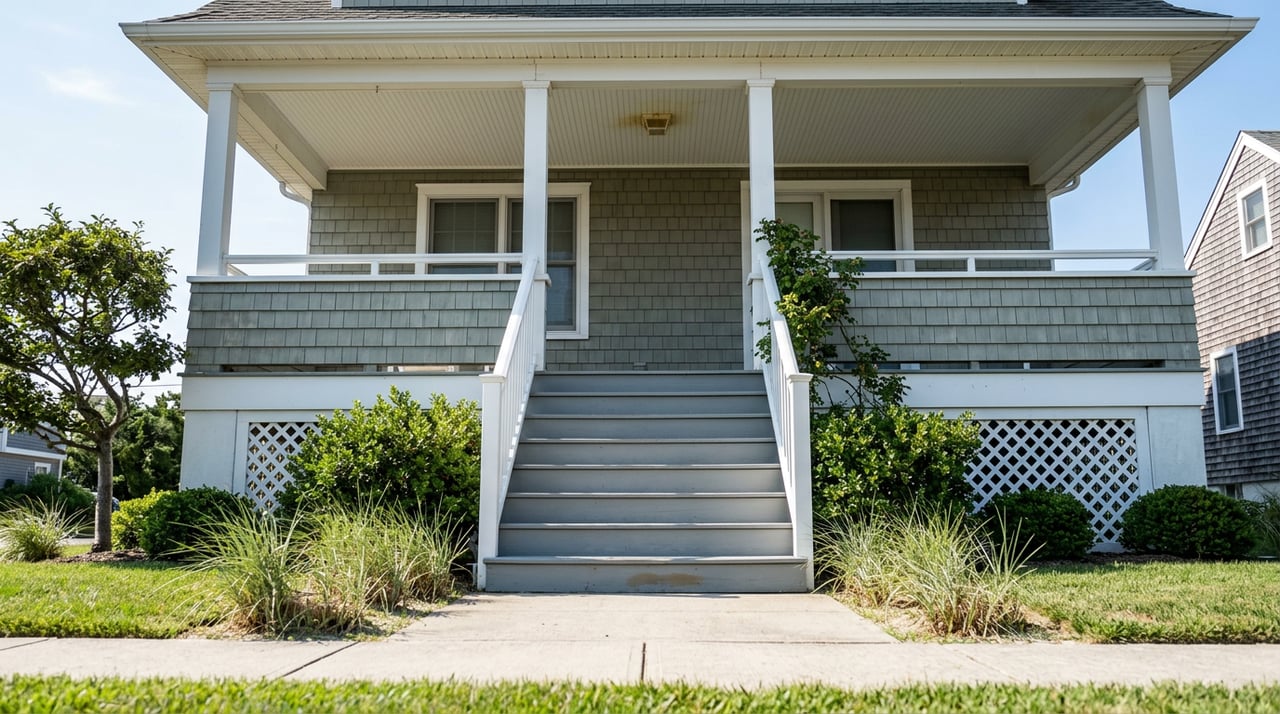
- North End: closest to the historic core and the boardwalk, with classic porch-front homes and quick morning walks to coffee and the Music Pier. Quieter than the busiest mid-island blocks but close to the action.
- South End: wider, less crowded beaches and a calmer, more natural shoreline feel near Corson’s Inlet State Park. A short ride gets you to the boardwalk when you want it.
- Your choice: pick boardwalk convenience and historic charm in the North End, or extra sand and sunsets with a quieter vibe in the South End.
Map basics and local shorthand
Locals often describe the island by informal zones. The North End generally runs from North Street through the low single-digit blocks. The South End starts around the mid-30s and continues to the island’s southern tip. For parcel-level rules like height, use, or multi-family options, always confirm with the City’s official zoning map.
Ocean City’s main route to the mainland is the Route 52 Causeway at 9th Street. That access point can shape commute ease and supply runs, especially in the off-season. You can learn more about the Route 52 Causeway and why 9th Street is such a key connector.
Beaches and crowds
Ocean City’s boardwalk anchors summer life and runs about 2.45–2.5 miles end to end. That central draw concentrates daytime foot traffic where the attractions are heaviest. You can check the route on the City’s walking club boardwalk info and the boardwalk map.
In the North End, you get short walks to the boardwalk and a residential tone that feels peaceful in the early hours. The area includes much of the Historic District, which adds porch-front charm and classic shore architecture. Explore a self-guided route on the City’s Historic District Walking Tour.
In the South End, beaches are typically wider and feel less crowded than the core boardwalk blocks. Instead of a continuous retail strip, you will find small commercial clusters and long stretches of sand and dunes. If you want more space to spread out and quieter evenings, this end often fits best.
Boardwalk, downtown, and daily convenience
If being on the boardwalk most days is a must, the North End puts you close to the Music Pier, arcades, and Asbury Avenue shopping. You can walk to many daily needs in peak season. It is an easy launch point for early beach trips and evening boardwalk strolls.
If you prefer the calm of the South End, plan for a longer walk or a short ride to reach the boardwalk and downtown. Seasonal transit options and quick drives make it simple on busy nights. Many families like this tradeoff because they get quiet beach days and can still pop into the action when they want.
Nature and outdoor time
Corson’s Inlet State Park sits at the far South End and protects undeveloped dunes, marshes, and rich bird habitat. It offers low-impact recreation like fishing, birding, and shoreline walks. Parts of the inlet are unguarded and have swimming restrictions, so review park guidance before planning water time. Learn more through this overview of Corson’s Inlet State Park.
Across the island, wetlands and dunes shape wind, wildlife, and sunrise or sunset views. If you value boat access and bay sunsets, you may prefer a bayside pocket over pure ocean blocks. That lifestyle mix is why many buyers focus on either oceanfront routines or the bayside boating scene.
Housing types and fit
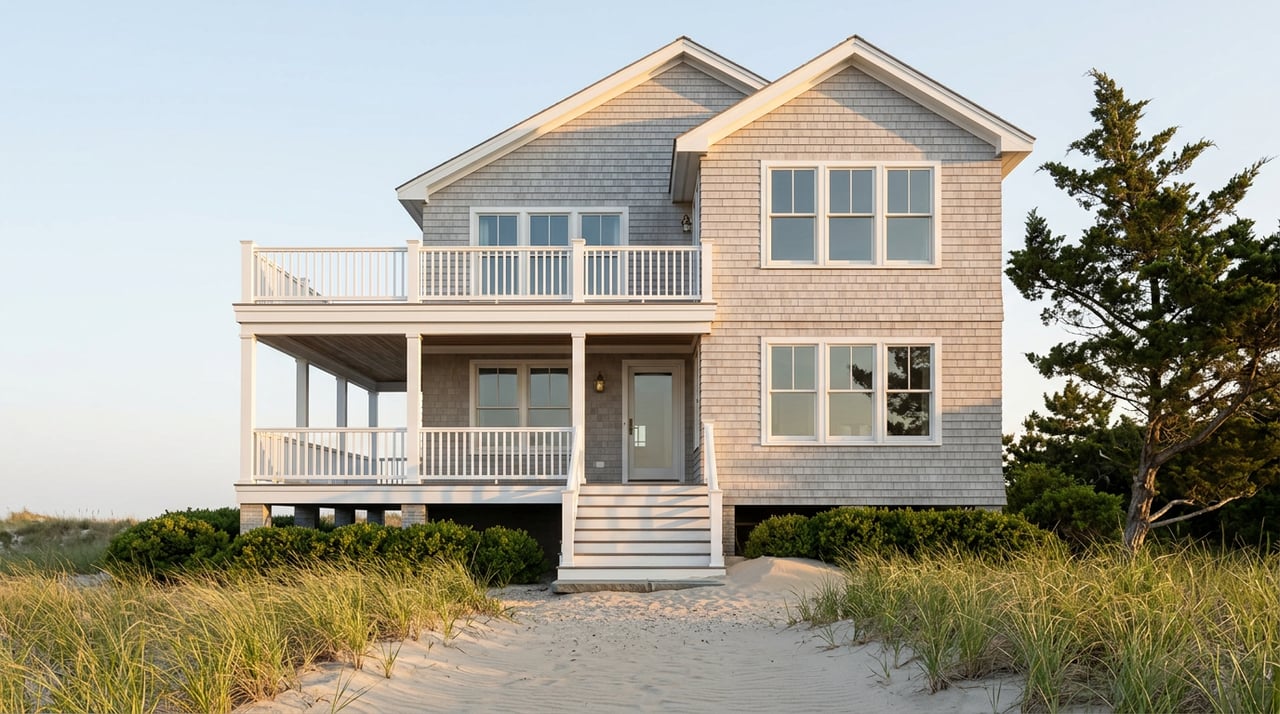
- North End: a mix of porch-front Victorians, renovated single-family homes, duplexes, and small multi-units. The Historic District gives many blocks classic curb appeal and short walks to the boardwalk. See the City’s Historic District Walking Tour for a feel of the streetscape.
- Mid-island corridor: oceanfront condos and larger single-family homes near the main attractions. Expect the most day-to-day summer activity here.
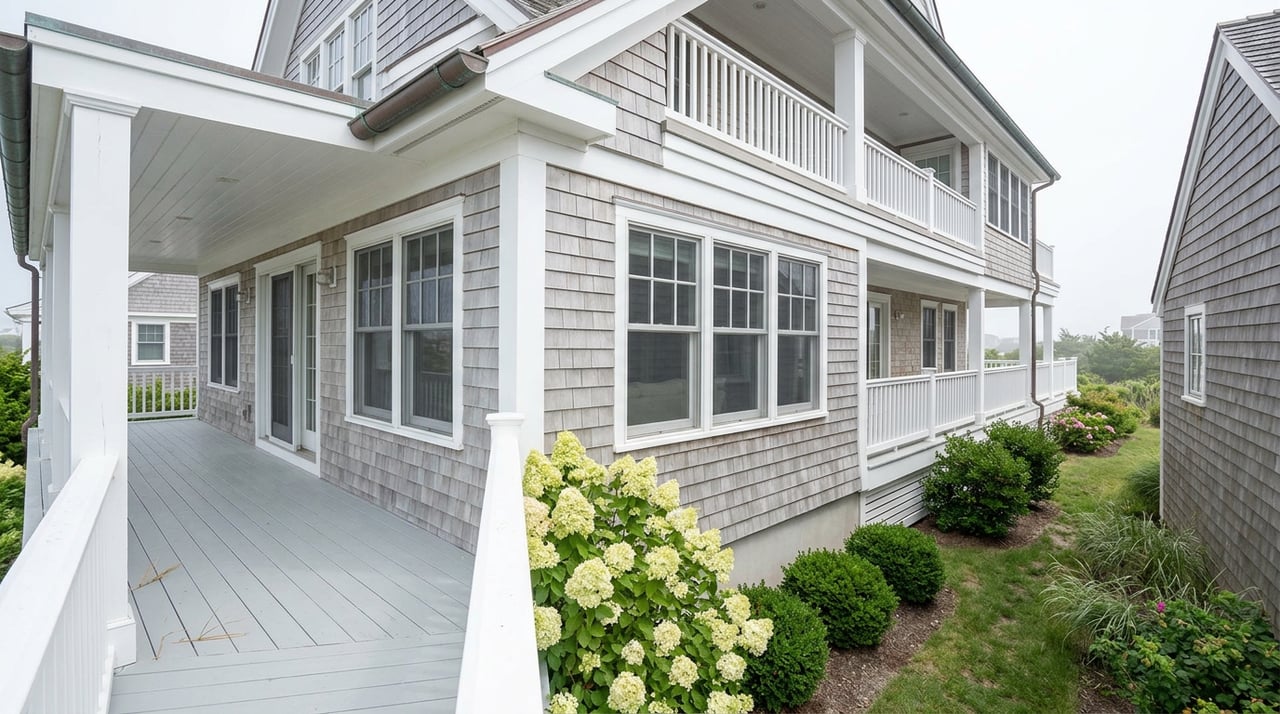
- South End: a range of duplex condos, townhomes, and single-family homes. Blocks often feel more open, and most homes are within a few blocks of the beach.
If you plan to rent, boardwalk-proximate properties often see strong weekly demand in peak season. South End homes can draw families and nature seekers who value space and quiet. Always confirm any rental registration and property rules with the City.
Beach tags, lifeguards, and safety
Ocean City requires beach tags for visitors ages 12 and older during the enforcement season. Lifeguards are on duty seasonally, and some beaches may have extended hours. For current dates, prices, and guarded locations, use the City’s Beach FAQs.
Getting around and parking
In summer, parking can be tight near the boardwalk and downtown. The City maintains municipal lots, metered street parking, and tools for live availability in peak months. For passes, meters, and lots, check Ocean City’s parking guide.
Rules that shape lifestyle
Ocean City has a long-standing identity as a family-oriented dry town that does not allow on-premises public alcohol sales. This shapes the dining scene and many families like the calm it supports. For context on recent policy updates, see this local coverage on the City’s reaffirmed stance.
What to verify before you buy
Before you make an offer, confirm the details that drive both cost and comfort:
- Zoning and use: verify permitted uses, rental allowances, and any overlay rules that affect height or parking. Start with the City’s zoning map.
- Flood and insurance: Ocean City follows FEMA Flood Insurance Rate Maps and local flood rules. Ask for an elevation certificate and review local ordinances. You can reference the City’s floodplain regulations for deeper detail.
- Beach logistics: review beach tag dates, guarded beaches, and hours so your family routine is smooth. The City’s Beach FAQs are the best source.
Which end should you choose?
Pick the North End if you want quick access to the boardwalk, historic streets, and a walk-to-everything summer routine. This end balances convenience with a calmer feel than the busiest mid-island stretch. It is a strong fit for families who plan to be on the boards most days.
Choose the South End if you prize wider beaches, extra elbow room, and a more natural setting near Corson’s Inlet. You will trade a longer ride to attractions for quiet mornings and big-sky sunsets. Many second-home buyers prefer this end for slower, sand-first days.
Ready to see the differences on the ground and match a home to your goals? Connect with Cheryl Huber for local guidance, on-the-block insight, and a clear plan to Find Your Perfect Shore Home.
FAQs
What defines Ocean City’s North End and South End?
- Locals use informal ranges: the North End is roughly from North Street through the low single-digit blocks, while the South End starts around the mid-30s and runs to the island’s southern tip; always confirm property details with the City’s zoning resources.
How long is Ocean City’s boardwalk and where is it busiest?
- The boardwalk runs about 2.45–2.5 miles and activity clusters in the central corridor, so North End homes have easier access and South End homes offer quieter beaches away from the core.
Are South End beaches less crowded than near the boardwalk?
- Generally yes; South End beaches are typically wider with a calmer feel compared to the mid-island boardwalk blocks, which draw the most daytime traffic in summer.
What should I know about beach tags and lifeguards?
- Ocean City requires beach tags for ages 12 and older during the season, and lifeguards staff beaches seasonally; check the City’s Beach FAQs for current dates, prices, and guarded locations.
How does flooding affect buying in Ocean City?
- The City follows FEMA flood maps and local flood rules; ask for an elevation certificate, review the relevant flood panels, and consult the City’s floodplain regulations before you commit.