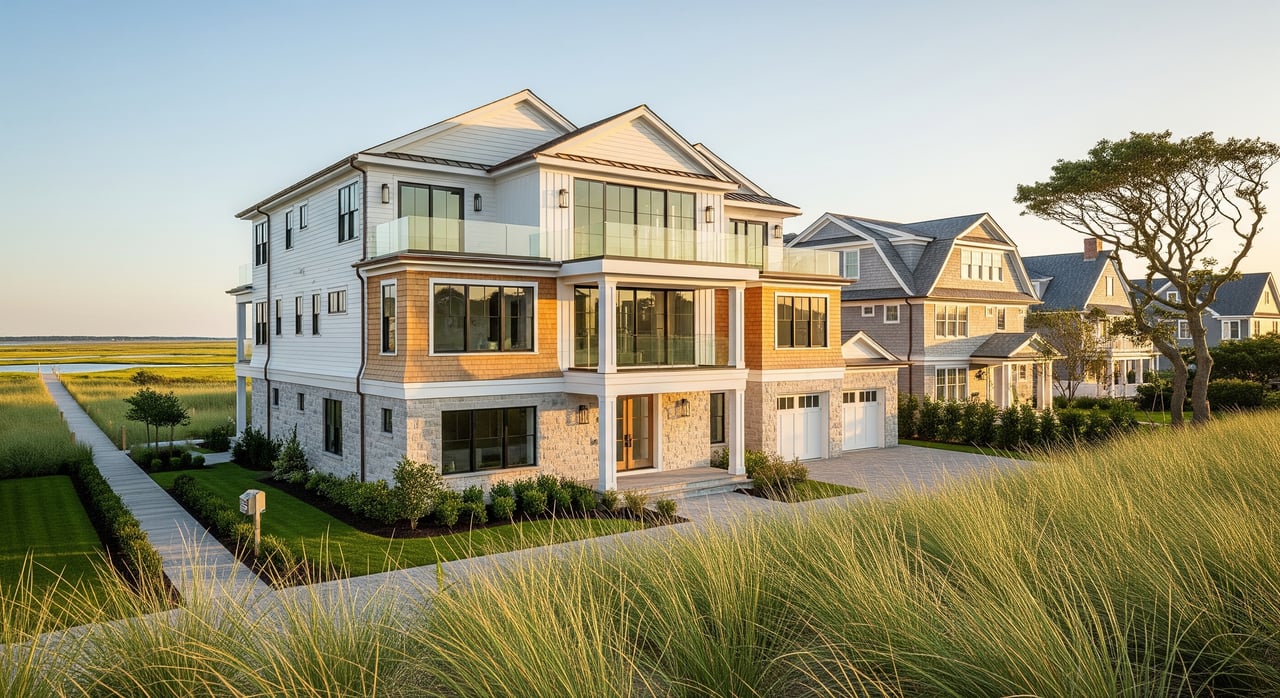
Wondering where brand-new homes are actually getting built in Egg Harbor Township right now? You want reliable answers you can act on, not rumors or out-of-date listings. In this guide, you’ll learn how to pinpoint active build areas using public records, understand the local factors that shape development, and choose the right path to a new-build purchase without surprises. Let’s dive in.
What counts as a new build
A new build is a newly constructed home that receives a building permit and a final Certificate of Occupancy. This includes single-family homes, townhouses, and multi-family units. Infill means new homes on vacant or underused lots within existing neighborhoods, or a conversion of a non-residential site to housing.
Knowing these terms helps you read public records and identify where homes are most likely to rise next.
How to find where builds are happening
Start with building permits
Building permits are the most objective signal of recent and near-term activity. At the national level, you can review totals and trends through the U.S. Census Building Permits Survey. Use the township’s current permit logs to narrow down specific parcels and addresses.
• Look at the last 12 to 36 months of permits and plot them by street or block.
• Note clusters of single-family or multi-family permits.
• Track whether permits are for new subdivisions or replacements of older structures.
For broader trend context, review the U.S. Census Building Permits Survey.
Overlay zoning and sewer availability
New development usually follows utilities. Map permit clusters against the township’s zoning and sewer-service areas. Higher-density projects typically sit where public sewer is already in place or planned. If a site lacks sewer, that limits yield or requires septic approvals, which changes timing and costs. For sewer policies and service details countywide, check the Atlantic County Utilities Authority sewer services.
Check planning and zoning approvals
Planning Board and Zoning Board minutes and resolutions confirm where subdivisions, site plans, and phases have been approved. These records list developer names, conditions of approval, roadway improvements, and phasing schedules. When you see permits and planning approvals lined up in the same area, that is a strong indicator of an active or soon-to-start neighborhood.
Validate with CO records and tax changes
Certificate of Occupancy logs confirm completed homes. Recent tax assessor updates often show new improvements or lot splits tied to a subdivision. These two records provide a final check that something is actually built or nearly finished.
Track local news and model openings
Local reporting can point you toward larger projects, public hearings, and phase launches. Scan local development news coverage for project announcements and approvals that match what you see in permits and planning records.
Where new builds tend to cluster in Egg Harbor Township
Egg Harbor Township follows common shore-adjacent patterns. While each site is unique, you will usually find new homes in these locations:
Corridors and intersections with utilities
Larger projects often appear along state or county routes where sewer and water already run. Corner sites and parcels near key intersections can support lot consolidations, small multi-unit buildings, or phased townhome communities, subject to zoning.
Subdivision extensions and edge tracts
Many neighborhoods grow by extending existing streets onto adjacent tracts that were held for later phases. If you spot permits issued along a neighborhood edge and see recent subdivision approvals in board minutes, that area is likely to add new homes in stages.
Commercial-to-residential redevelopment
Older shopping centers, big-parcel retail, or underused commercial sites can be candidates for mixed-use or residential redevelopment under a municipal plan. Look for planning resolutions that designate a redevelopment area, then watch for site plan filings and permits.
Infill lots within established blocks
Single-lot replacements and small clusters on vacant parcels are common. You will notice scattered permits replacing older homes or filling in a long-empty lot, especially where the street already has utilities and consistent setbacks.
Local constraints that shape new construction
Flood zones and elevation
Shore-area projects must account for flood risk and Base Flood Elevations. Some sites require elevated foundations or engineered fill, which affects design, timing, and cost. Confirm flood zones and elevations through the FEMA Flood Map Service Center.
Wetlands and environmental permits
If a parcel is near wetlands or within regulated areas, environmental approvals can reduce buildable area and extend timelines. Review layers and standards using NJDEP mapping tools and verify what approvals may apply.
Sewer service and capacity
Sewer availability often determines density and feasibility. Some areas can support more lots, while others remain limited until service expands. Confirm service areas, tie-in rules, and any known capacity constraints with the Atlantic County Utilities Authority.
Road access and required improvements
Site plan conditions can include turn lanes, sidewalks, and stormwater upgrades. These requirements impact start dates and phasing. Your contract timeline should reflect any known off-site improvements tied to the community.
Your buyer roadmap for new builds
Choose your build path
You have several ways to buy new construction:
• Spec homes, move-in ready with standard finishes.
• Inventory homes, under construction with limited selections still open.
• Presale in a production community, you sign before or during construction and pick finishes from a menu.
• Custom or semi-custom, more design control and longer timelines.
Contracts, inspections, and warranties
Ask for clear timelines, what counts as a delay, and whether a final Certificate of Occupancy is required before closing. Confirm what appliances and fixtures are included, how change orders work, and when selections are due. Request written warranties, including any third-party structural coverage. For a helpful overview of consumer protections and the new-home process, review HUD guidance on buying new construction and NAHB resources on warranties and timelines.
Schedule independent inspections if your contract allows. Common checkpoints include pre-drywall, mechanical rough-in, and final. Make sure municipal inspections and any planning-board conditions are complete before closing.
Financing options that fit new builds
Match financing to your build path:
• Construction-to-permanent loans, a single close that converts to a mortgage at completion, common for custom builds.
• Traditional mortgages, used for finished spec or inventory homes.
• FHA and VA construction programs, which require specific documentation and inspections. Start lender conversations early and work with institutions familiar with local builders. See HUD financing information for program basics.
Timelines and what affects them
Typical ranges are helpful guides, not guarantees. Production and spec homes often run 3 to 9 months from groundbreaking to CO, presales usually take 6 to 12 months from contract, and custom homes can take 9 to 18 months or more. Weather, lot grading, utilities, inspection schedules, and material lead times all play a role. For general expectations, the NAHB buyer guidance provides useful benchmarks you can discuss with your builder.
Smart upgrades and change orders
Focus on value and timing. Many builders let you choose finishes early, then lock selections to keep schedules on track. Cosmetic upgrades like flooring and counters often deliver broad appeal at resale. Structural changes or major site work can be expensive and may push your closing date. Get written pricing for any change order and ask how it affects the timeline.
How to compare two potential sites
Use this quick checklist when weighing two different areas or communities:
• Permits and approvals: Does the site have recent permits and a clear subdivision or site plan approval on record?
• Utilities: Is public sewer available, or will the home rely on septic? Confirm with ACUA and township maps.
• Flood and environmental: What are the FEMA flood zone and Base Flood Elevation, and are wetlands present?
• Access and conditions: Are road or stormwater improvements required that could delay your start?
• Build path and builder: Are you buying spec, inventory, presale, or custom, and does the builder provide written warranties?
• Timeline fit: Does the schedule match your move-in needs with reasonable padding for inspections and weather?
• Upgrade priorities: Which selections add value now and reduce the need for post-close projects?
A practical search strategy for Egg Harbor Township
If you want a simple, evidence-first way to find active build areas, try this order of operations:
- Pull the last 24 to 36 months of township building permits and highlight clusters.
- Compare clusters to zoning and the local sewer-service map.
- Read Planning Board and Zoning Board minutes to confirm approvals and any phase timelines.
- Verify completions in the CO log and note any pending conditions that could add time.
- Scan Press of Atlantic City reporting for corroborating public notices and hearings.
- If a community looks right, meet the builder, review the contract, and confirm warranty documents in writing.
These steps give you a clear picture of where the newest homes are happening and what to expect from contract to closing.
Ready to explore new builds in EHT?
If you are aiming for a brand-new home near the shore, a little upfront homework saves time and money. Focus on permits, utilities, and approvals, then match your financing and timeline to the builder’s schedule. When you are ready to walk potential sites, we will help you confirm the facts and negotiate clear timelines and warranties so you can move in with confidence.
Have questions or want to tour new construction options? Connect with the local team that knows shore-area new builds inside and out. Reach out to Cheryl Huber to start your search.
FAQs
How do I confirm if a lot in Egg Harbor Township is buildable?
- Check zoning, parcel size, setbacks, sewer availability, wetlands overlays, and any Planning Board conditions. Permit history and approvals decide what can be built.
Where are the newest neighborhoods forming in EHT?
- Map the last 2 to 3 years of building permits and cross-check Planning Board approvals. Clusters in the data, plus recent approvals, signal active areas.
How long does a presale new home take from contract to move-in?
- Presale timelines typically run 6 to 12 months, depending on phase schedules, selections, inspections, and weather. Get your builder’s schedule in writing.
Do builders allow upgrades, and which ones make sense?
- Most builders offer finish upgrades, with cosmetic choices often providing the best value. Structural changes and major site work cost more and can extend timelines.
What should I know about flood zones for new construction?
- Use the FEMA Flood Map Service Center to check zones and required elevations. Many shore-adjacent lots need elevated foundations and flood insurance.
How do I finance a new-build home near the shore?
- Options include construction-to-permanent loans for custom builds and traditional mortgages for finished inventory. Review program basics with HUD resources and speak with a local lender early.