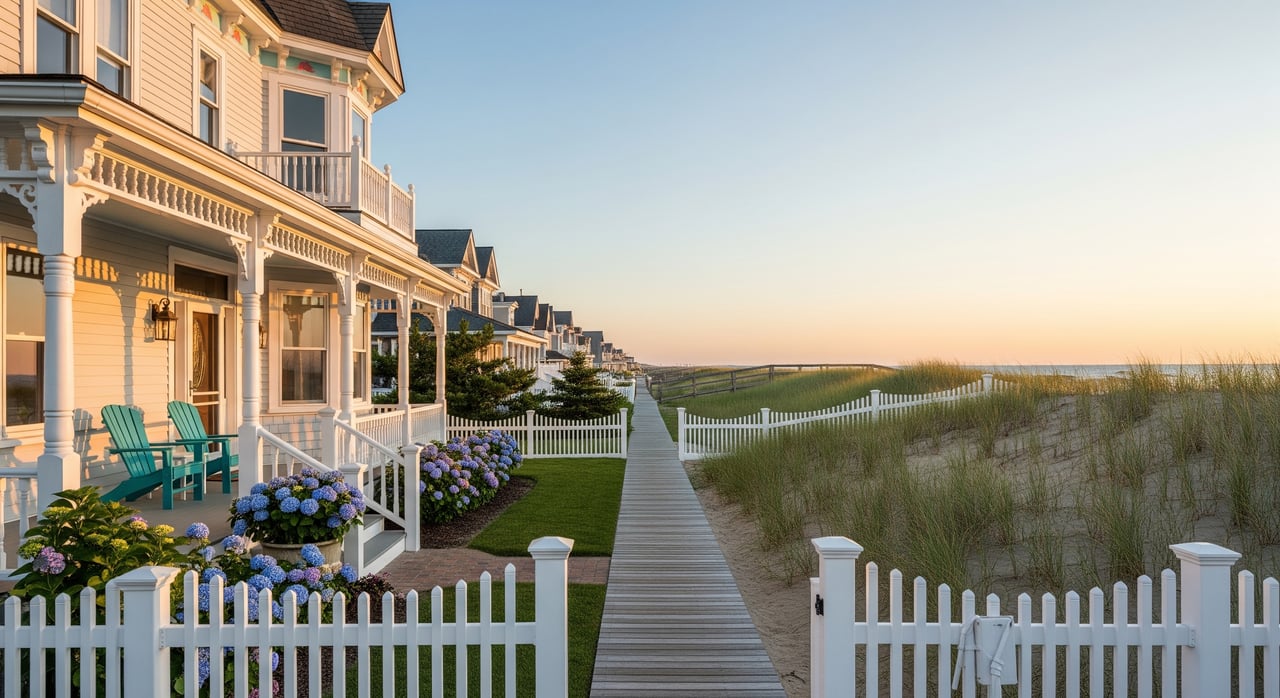
Is life steps from the Ocean City Boardwalk the right fit for you? Picture early morning walks on quiet planks, easy beach access, and dinner just a short stroll away. Now add summer crowds, parking puzzles, and a few coastal rules unique to shore living. In this guide, you’ll get a clear, practical look at daily life, housing options, rentals, parking, and coastal considerations near the Boardwalk in Ocean City, Cape May County. Let’s dive in.
What life feels like near the Boardwalk
Summer energy and off-season calm
Summer is lively. From Memorial Day through Labor Day, the Boardwalk buzzes with visitors, evening strolls, and seasonal events. You should expect busy sidewalks, longer waits at popular spots, and later activity during holiday weekends. Once late fall arrives, the pace slows and the area feels more residential, with quieter streets and open beach walks.
Walkable amenities and services
You can walk to the beach, guarded swimming areas in season, and boardwalk attractions like rides, arcades, and food stands. Casual and sit-down dining options dot the Boardwalk, and you’ll find souvenir and beach shops nearby. Municipal restrooms, shower stations, lifeguard towers, and paid public parking lots support peak-season crowds. Grocery stores, pharmacies, and healthcare providers are a short drive away, and some locations just off the Boardwalk make those services walkable.
Noise and event patterns
Evenings and special events bring more noise and foot traffic in peak season. Many businesses operate seasonally, so activity levels shift with the calendar. The overall atmosphere is family-focused, but large events and festival days can draw bigger, later crowds. If you prefer quiet nights in summer, consider a setting one or two blocks inland or seek properties with thoughtful sound insulation.
Housing options near the Boardwalk
Property types at a glance
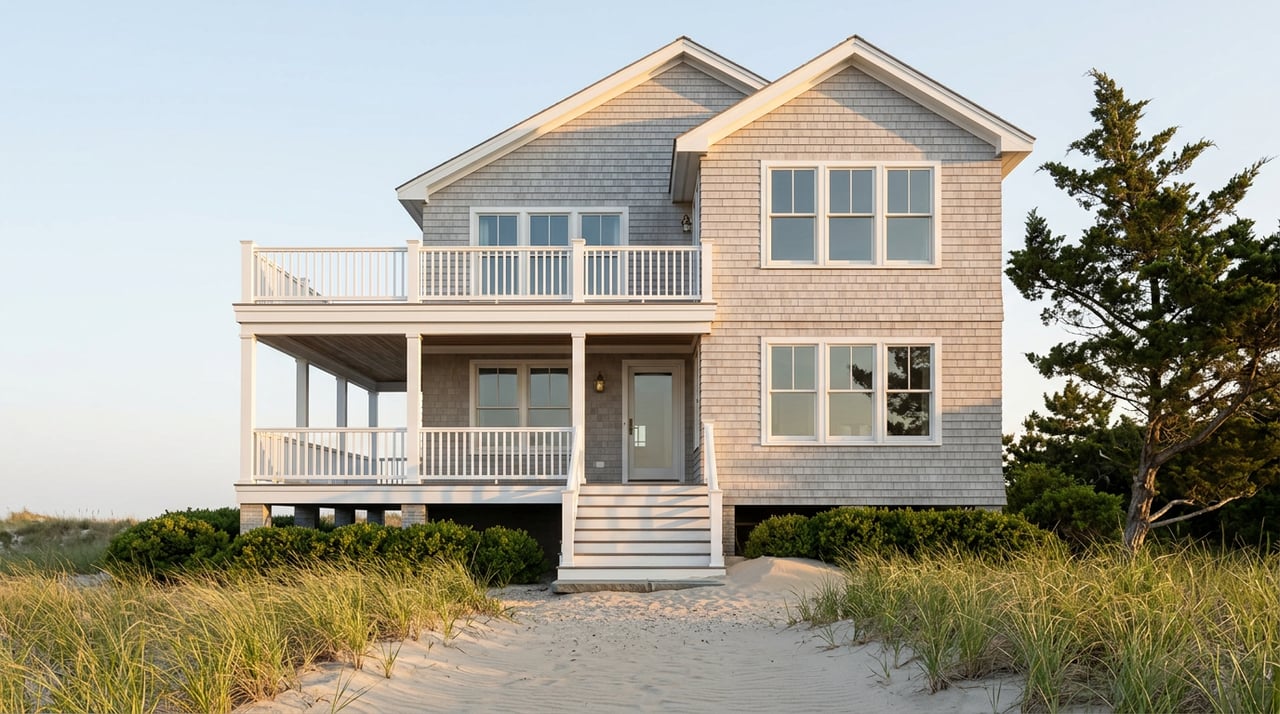
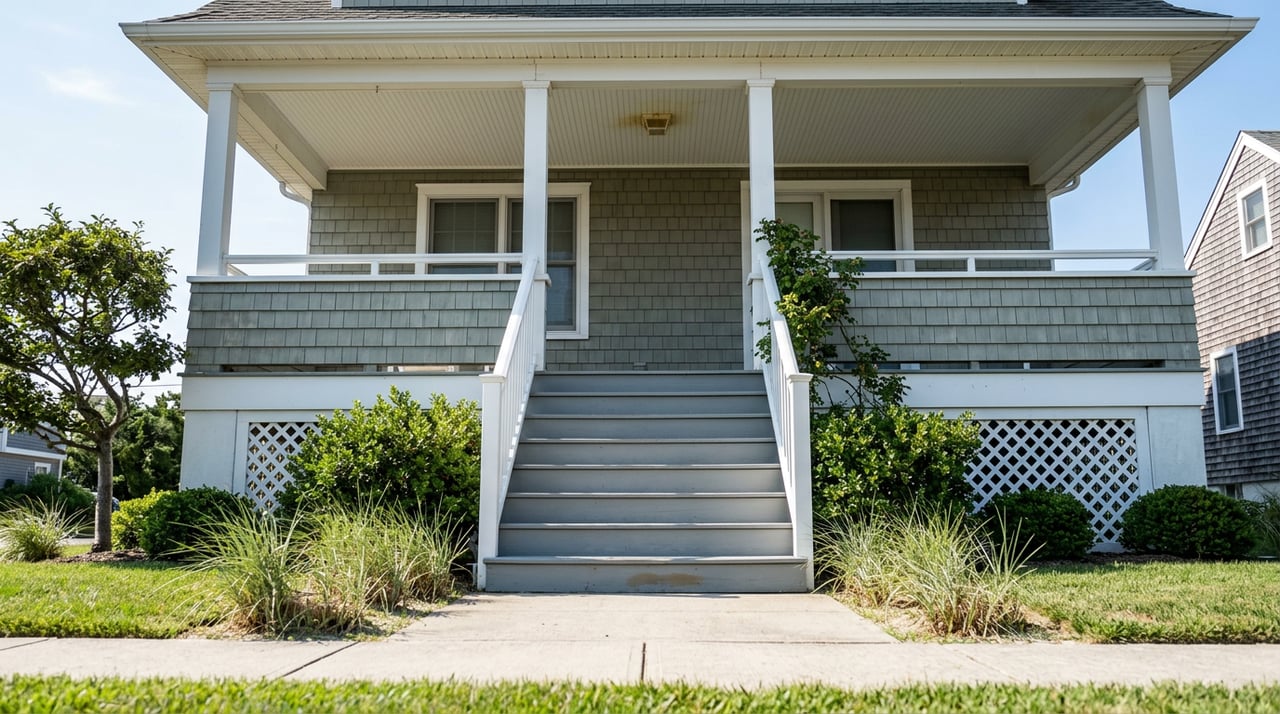
- Oceanfront and block-front single-family homes: You’ll see a mix of classic cottages and elevated, renovated homes. Direct ocean views and quick access make these some of the most prized addresses.
- Condominiums and apartment-style buildings: Many sit along the oceanfront or just inland. Building amenities and lower exterior maintenance are common draws.
- Duplexes and multi-family buildings: These work well for owner-occupants who want a second unit for rental income, or for investors focused on summer bookings.
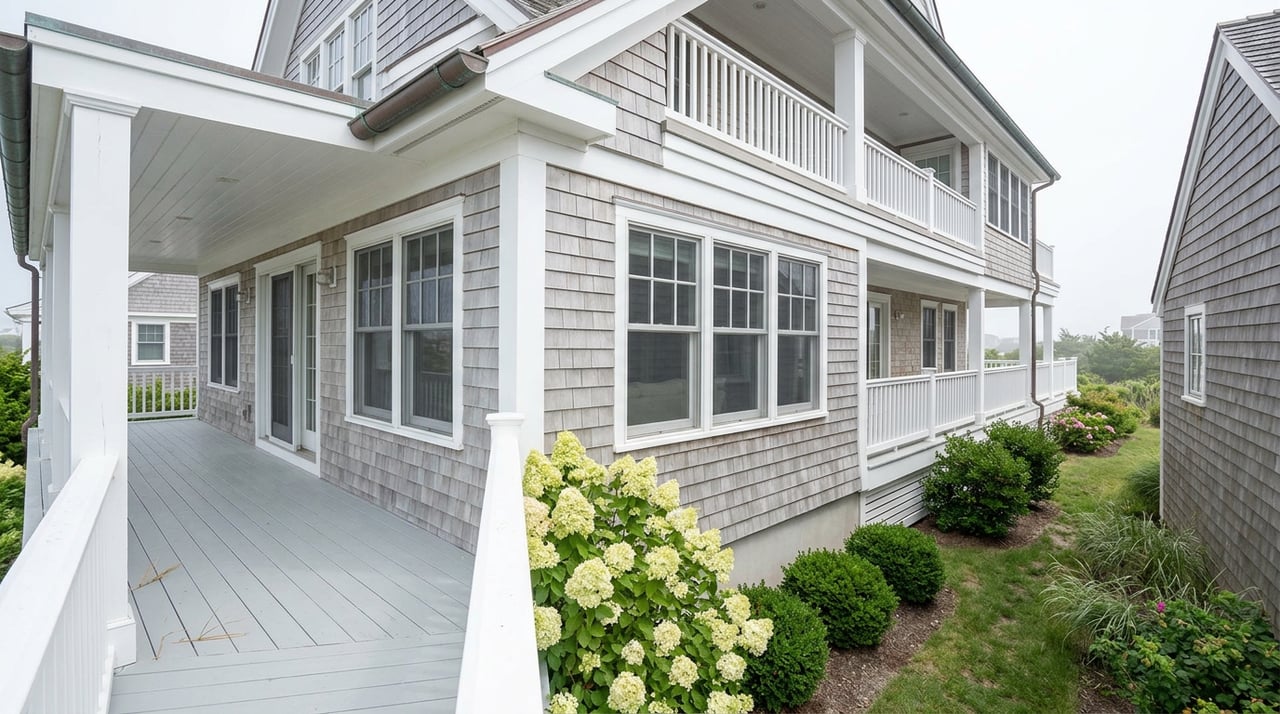
- New infill townhouses and elevated builds: Side streets continue to redevelop with modern construction and improved flood-minded design.
What drives prices and value
- Proximity premium: Homes and condos facing the ocean or Boardwalk typically command higher prices due to views, convenience, and rental income potential.
- Lifestyle trade-offs: Being close to the action means quick beach days and easy dining, but also exposure to seasonal noise and heavier foot traffic.
- Ownership costs: Condos and vertical properties often have HOA fees covering exterior maintenance, shared insurance, and flood-related systems for common areas.
- Investor demand: Properties with proven seasonal rental histories tend to draw premium interest from investors seeking summer returns.
Parking, access, and getting around
Parking realities
Parking near the Boardwalk can be tight, especially on summer weekends. The city operates metered spaces and public lots that are often paid and seasonal. Some residential streets have restrictions or permit rules, so you should review municipal parking maps before you buy. If you plan to rent to summer guests, confirm off-street parking counts, since many renters expect at least one designated space.
Beach badges and seasonal rules
Beach badges are required for access to guarded beaches during the bathing season, and rules are enforced with posted signage. Boardwalk and beach hours, lifeguard times, and policies on items like pets and alcohol change throughout the year. If you host renters, plan a badge system and provide clear guidance on seasonal rules. Staying current with municipal ordinances keeps your summer smooth.
Bikes, scooters, and pedestrians
The Boardwalk is primarily for pedestrians, and local rules often limit bicycle and scooter use to certain times or prohibit motorized devices on the planks. Inland streets and bike lanes offer good alternatives for cycling outside of restricted hours. Micromobility devices like electric scooters may be subject to additional rules. If biking is part of your daily routine, check the latest municipal code so you can plan your routes.
Regional access and transportation
Driving is the most common way to reach Ocean City. Route 52 and local bridges connect the island to nearby mainland towns. Public transit options are more limited than in larger cities, though regional bus connections and seasonal shuttles may be available. If you commute year-round, verify schedules and reliability across seasons, and factor in summer traffic when estimating travel times.
Coastal, insurance, and permitting essentials
Flood zones and insurance basics
Boardwalk-area properties sit in coastal flood-risk zones, and many parcels may require flood insurance. Early in your search, review FEMA Flood Insurance Rate Maps, request elevation certificates for target properties, and get quotes from insurance providers familiar with coastal risks. Understanding freeboard requirements and how elevation affects premiums can help you evaluate total ownership costs.
Building codes and shore protection
New construction, renovations, and elevations must meet New Jersey coastal zone and local building code requirements. Shore-protection efforts, including beach replenishment and dune projects, can shape long-term beach stability. If you plan improvements, confirm permit needs and timelines with local offices and the state environmental agency before you finalize your purchase.
Short-term rentals and compliance
STR rules and investor notes
Short-term rental regulations vary by municipality and can include registration, safety inspections, occupancy limits, and transient lodging taxes. Close-in neighborhoods often have stricter enforcement. If you intend to rent seasonally, verify current rules, the registration process, and any fines for noncompliance. Clear guest guidelines on trash, parking, and beach badges reduce issues and protect your rental standing.
Taxes and utilities
Property taxes and utility schedules are part of the coastal ownership picture. Premium locations can carry higher assessed values, and seasonal occupancy may affect municipal utility billing cycles. Before closing, review property tax history with county records and confirm water, sewer, and trash service details with the local utilities department.
Daily living highlights and trade-offs
Everyday perks
- Easy beach days with lifeguarded swimming in season.
- Walkable dining, entertainment, and summer programming.
- Sunrise walks and bike rides during permitted hours.
- Public restrooms and shower stations that support active days outside.
Practical trade-offs
- Summer crowds and higher evening noise near peak attractions.
- Paid public parking and limited street availability in busy months.
- Seasonal business schedules and turnover between seasons.
- Flood insurance and coastal maintenance planning for the long term.
Buyer checklist for the Boardwalk area
Use this quick list to stay organized:
- Confirm flood zone, obtain elevation certificate, and request flood and wind insurance quotes.
- Review municipal parking maps and on-site parking counts; verify any permit rules.
- Ask for HOA or condo documents, including budgets, reserves, and policies on rentals.
- Verify short-term rental registration requirements, occupancy limits, taxes, and inspection schedules.
- Check local ordinances for Boardwalk hours, bike rules, and beach badge details for your block.
- Discuss renovation or elevation plans with the local construction and zoning departments.
- Pull recent comparable sales to understand pricing premiums for oceanfront or Boardwalk-facing units.
- Review property tax history with county records and confirm utility service schedules.
- If schools matter to your plans, contact the local district for neutral, up-to-date information.
Is living here right for you?
If you value walkability, sunrise beach time, and an easy path to summer fun, this location delivers. Families and second-home buyers often love the convenience, especially when hosting visitors. Investors appreciate proven seasonal demand and the ability to market walk-to-everything access. If you prefer quieter nights in peak season or want more private outdoor space, a few blocks inland may align better with your lifestyle.
How to shop with confidence
Start by prioritizing what matters most to you: view, proximity, rental income, or year-round comfort. Balance Boardwalk access with practical needs like off-street parking, storage for beach gear, and a building or home with strong flood-resilience features. Ask for documents early so you can understand ownership costs before you bid. A well-prepared offer, backed by clear due diligence, helps you compete for the best Boardwalk-area properties.
Ready to explore Ocean City’s Boardwalk homes and condos with local experts who understand seasonal cycles, rental potential, and coastal requirements? The Cheryl Huber Team blends deep island experience with full-service support so you can move forward with clarity. Find your fit, evaluate the trade-offs, and secure the shore home that matches your goals.
If you’re considering a purchase or planning to sell near the Boardwalk, we’re here to help you make a confident move. Connect with the trusted local team behind Cheryl Huber and let’s Find Your Perfect Shore Home.
FAQs
How crowded is the Ocean City Boardwalk area in summer?
- Peak season brings heavy pedestrian traffic, busy evenings, and larger holiday-weekend crowds, while late fall through early spring is much quieter.
Do you need a beach badge for Ocean City beaches?
- Yes, beach badges are required for access to guarded beaches during the bathing season, and enforcement is posted and active.
Can you rent out a home near the Boardwalk short-term?
- Often yes, but you must verify current municipal short-term rental registration, inspections, taxes, occupancy limits, and local contact requirements.
What should Boardwalk-area buyers know about flood insurance?
- Many parcels are in FEMA-designated flood zones, so plan to review flood maps, obtain elevation certificates, and get quotes from coastal-savvy insurers.
Is parking included with most Boardwalk-area homes?
- Parking varies widely; public and street options are limited in summer, so off-street spaces are valuable and important to confirm before you buy.