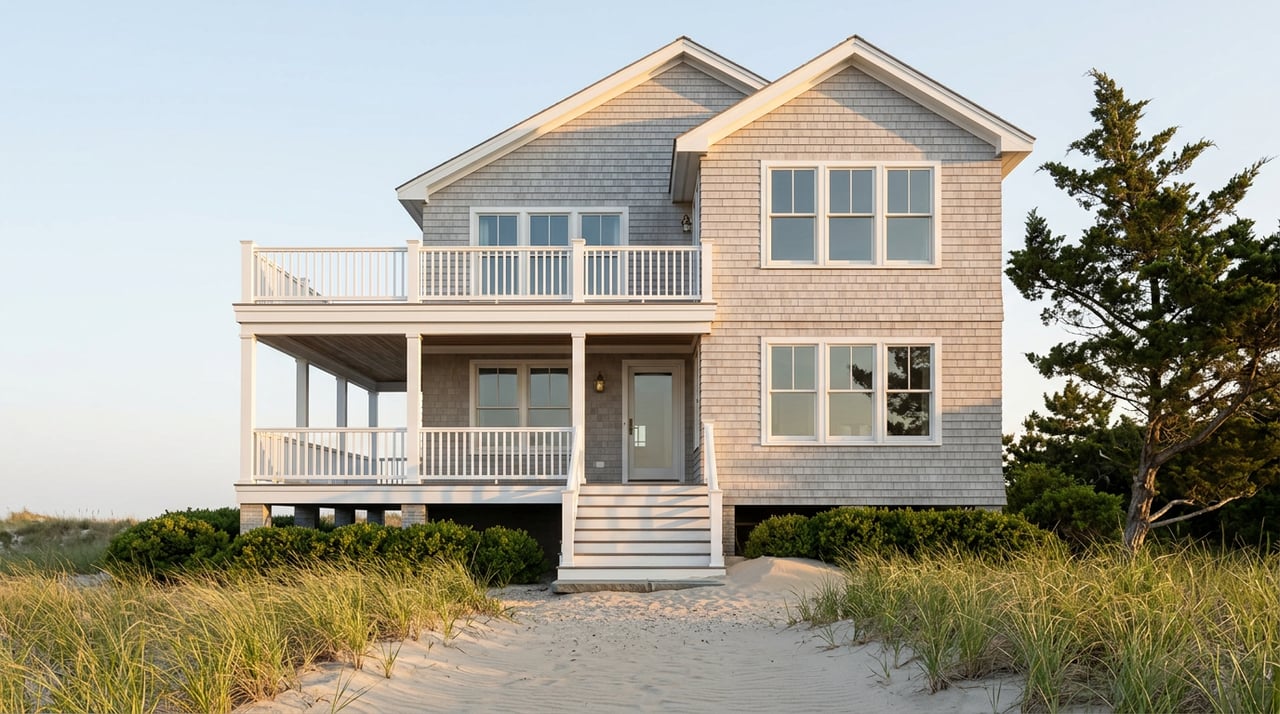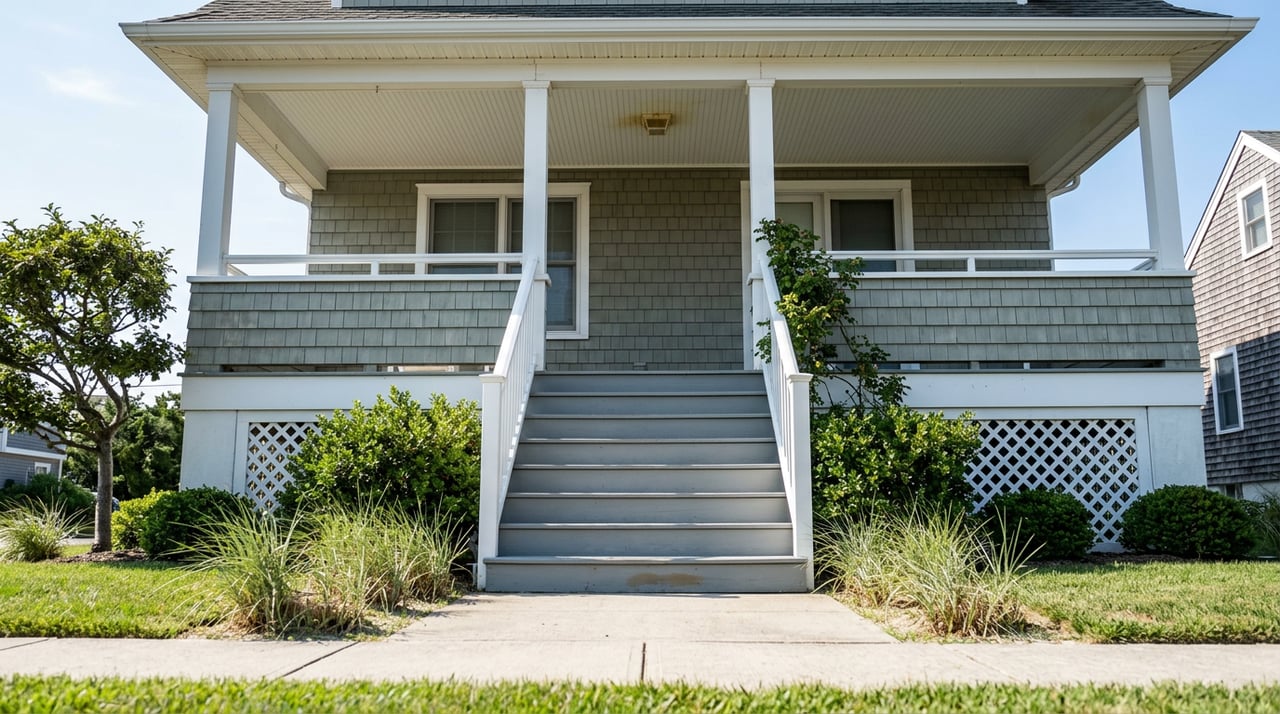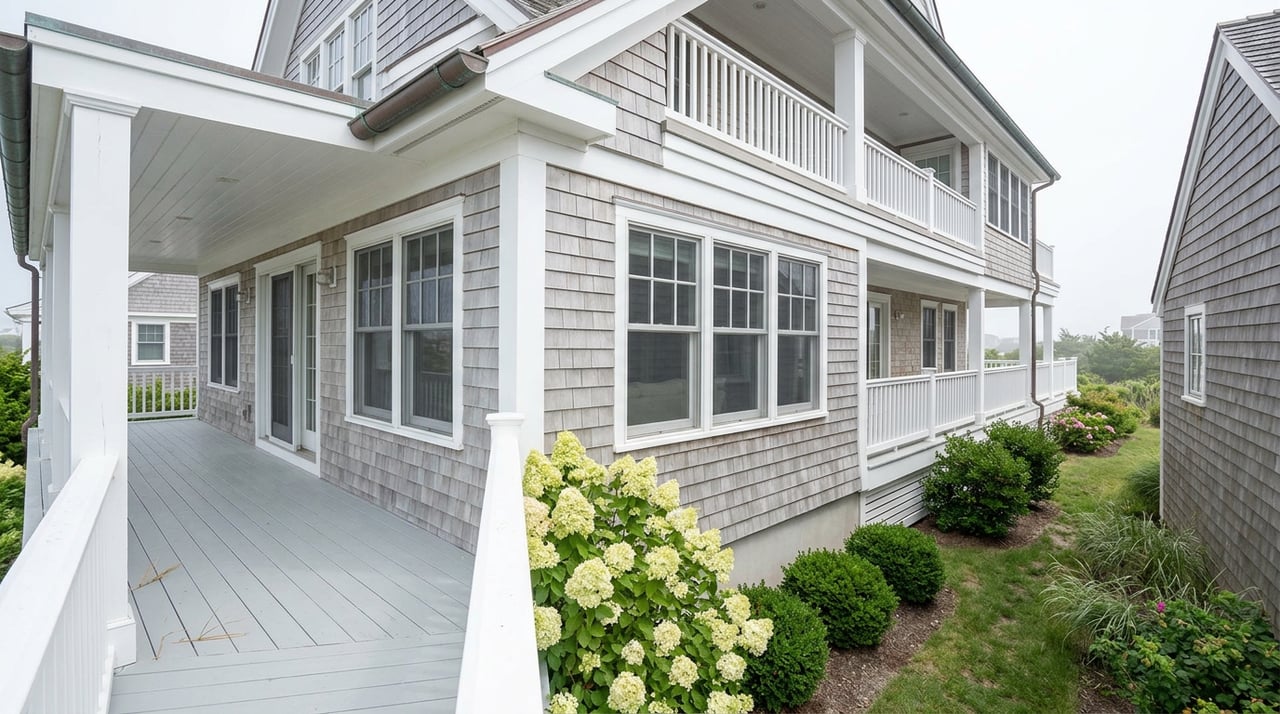
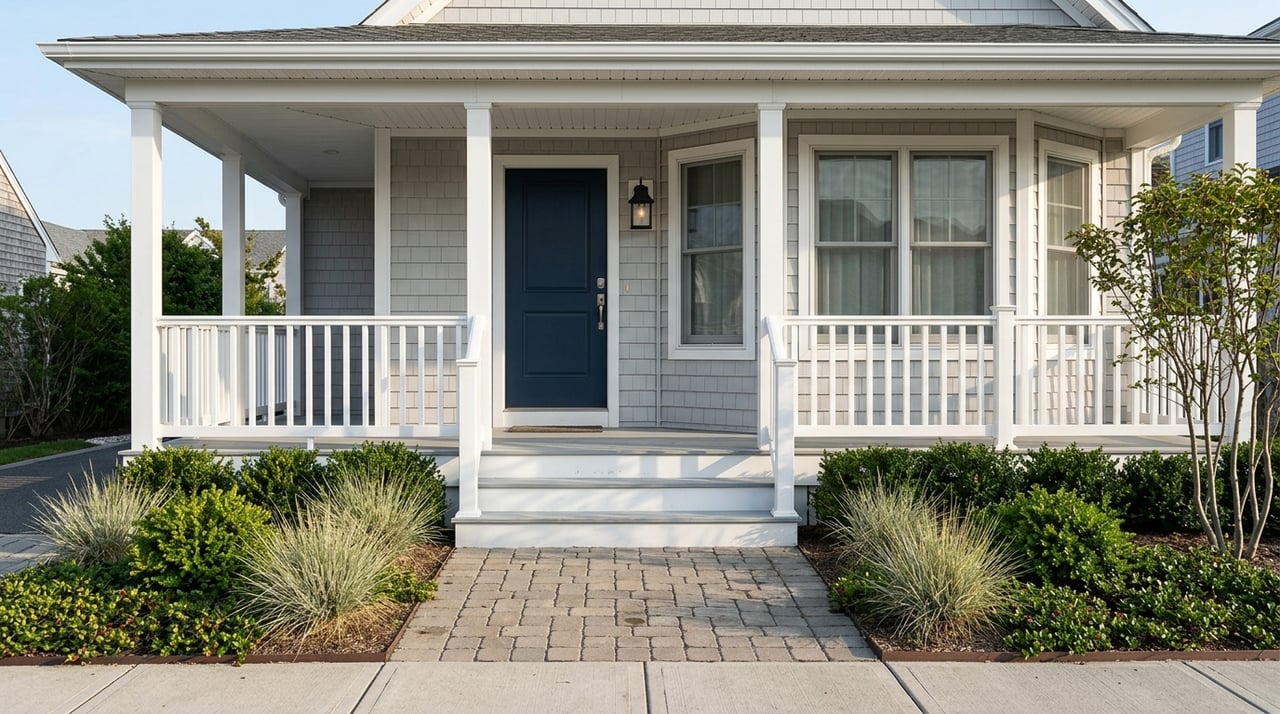
If you’re ready to sell your Merion Park home, you may also be wondering how to do it without wasting time, over-improving the property, or leaving money on the table. That is a common concern in Ocean City, especially in a neighborhood where buyers tend to focus on practical features and overall upkeep. The good news is that a smart plan can help you move forward with confidence. Let’s dive in.
Why Merion Park selling is different
Merion Park sits in a mid-island part of Ocean City where residential development is dominated by single- and duplex homes. It is not typically positioned like an oceanfront or bayfront pocket, which means buyers often look closely at condition, layout, parking, and how well the home supports year-round living.
That matters when you start planning your sale. In Merion Park, your best advantage is often a home that feels well cared for, functional, and easy to step into. Instead of selling a premium view, you are more often selling comfort, maintenance, and everyday usability.
What the current market means for you
Citywide March 2026 single-family data for Ocean City showed a year-to-date median sales price of $1,744,625, an average sales price of $2,060,472, 60 days on market, 95.0% of list price received, 89 homes in inventory, and 6.2 months of supply. For you as a seller, that points to a market where buyers are still paying close to asking price in many cases, but they also have enough options to compare homes carefully.
Because Merion Park is an inland, mostly single-family neighborhood, those citywide single-family numbers are the most useful public benchmark available. The takeaway is simple: pricing and presentation matter. Buyers may act, but they are likely to be selective.
Start with your move, not just your list date
If you are ready to move on, the sale plan should begin with your timeline. Think about when you want to be out, how much prep you can realistically manage, and whether you want to sell before taking on your next purchase.
This step helps shape every other decision. It can influence how much work you do, when you list, and how aggressively you price. A good sale plan should support your next chapter, not just the listing itself.
Focus on updates buyers actually notice
In Merion Park, visible maintenance often matters more than expensive remodeling. Ocean City’s housing stock is older overall, with 47% built before 1979, so buyers are used to evaluating homes based on care and upkeep rather than expecting every property to be brand new.
That is why a practical prep list can go a long way. Before you consider major projects, take care of the details that instantly affect first impressions.
High-impact prep steps
- Pressure wash exterior surfaces
- Touch up paint where needed
- Clean up landscaping
- Trim shrubs and edges
- Add fresh mulch
- Tidy the front entry
- Make the driveway or parking area look neat and well maintained
These improvements help your home read as cared for from the start. In a neighborhood like Merion Park, that can shape buyer confidence before they even walk inside.
Be careful not to over-improve
It is easy to assume that bigger upgrades always lead to a better sale price. In Merion Park, that is not always the case. Since the neighborhood is not typically priced like the beach or bayfront, disciplined pricing, clean presentation, and strong maintenance records may do more for your sale than an expensive renovation.
That does not mean upgrades never help. It means you should be selective. If you are deciding between a full remodel and making the home clean, functional, and well documented, the second path may be the smarter use of your time and money.
Pay attention to flood and drainage concerns
Flood and drainage are part of the conversation in Ocean City. The city says the entire island is within a flood plain and Special Flood Hazard Area, and it provides flood resources that specifically identify a Merion Park flood map.
The city also completed the second phase of Merion Park flood mitigation in spring 2025, including nearby Bay Avenue, Simpson Avenue, Haven Avenue, and West Avenue between 34th and 37th streets. That does not remove buyer questions, but it does mean local improvement work is part of the neighborhood story.
What buyers may notice
In a shore market, buyers often look closely at:
- Roof condition
- Windows and doors
- HVAC systems
- Grading around the property
- Drainage patterns
- Signs of past water intrusion
If your home has clear evidence of upkeep in these areas, make sure that story is easy to tell. The more direct and organized you are, the easier it is for buyers to feel comfortable.
Gather your records before you list
Many buyers in Merion Park will want to know what has been updated, whether there have been flooding or drainage issues, and whether major work was completed with proper documentation. Ocean City makes zoning guidance, permit requirement information, and public records request options available through its planning and zoning resources.
Before your home goes on the market, it helps to build a simple seller packet. This can reduce back-and-forth later and make your home feel more transparent and move-in ready.
Helpful documents to collect
- Recent utility bills
- Contractor invoices
- Permits for major work
- Records tied to drainage improvements
- Flood mitigation documentation
- Elevation-related documentation, if applicable
A strong paper trail supports the kind of practical value buyers often want in this neighborhood. It also reinforces that the home has been maintained with care.
Check permit rules before making changes
If you are doing last-minute exterior work, check city rules first. Ocean City says a construction permit is not required for a fence that is not a pool enclosure and is not over 6 feet tall. The city also says a storage shed under 100 square feet does not require a construction permit, although a zoning permit is still needed.
The city further advises owners to check with Construction Code before changing landscaping, concrete, or pavers. That is important if you are trying to improve curb appeal quickly. The last thing you want during sale prep is a delay tied to work that should have been reviewed first.
Market the home for year-round living
Ocean City planning documents note that year-round residence has been eroding in favor of seasonal occupancy. At the same time, single-family areas tend to have a more uniform year-round population and a small-town off-season feel.
That makes year-round livability an important selling point in Merion Park. If your home offers a practical layout, solid parking, useful storage, and a comfortable everyday setup, those details deserve attention in the marketing.
Features worth highlighting
- Everyday functionality
- Comfortable room flow
- Off-street parking or usable parking area
- Well-maintained exterior systems
- Easy move-in condition
- Documentation for completed work
This kind of positioning fits how buyers often evaluate inland single-family homes in Ocean City. It keeps the message grounded in what matters locally.
Price with discipline
When you are emotionally ready to move on, it can be tempting to aim high and wait. But with 6.2 months of single-family supply citywide and buyers seeing enough inventory to compare, pricing needs to match today’s market reality.
A disciplined price does not mean underselling your home. It means understanding how Merion Park competes. In many cases, the homes that stand out are the ones that feel well maintained, clearly presented, and priced in line with their location and condition.
A simple Merion Park sale strategy
If you want a practical roadmap, keep it simple. Most sellers in this neighborhood are best served by a plan that removes uncertainty for buyers and keeps the home easy to understand.
Smart priorities before listing
- Clarify your moving timeline.
- Handle visible maintenance first.
- Review water, drainage, and exterior condition.
- Gather permits, invoices, and key records.
- Confirm city requirements before exterior changes.
- Price according to condition, location, and current competition.
- Market the home as well maintained and ready for the next owner.
That approach lines up with what many Merion Park buyers are looking for. It also helps you avoid spending energy in the wrong places.
If you are planning a move in Merion Park, the goal is not to make your home into something it is not. The goal is to present it honestly, prepare it thoughtfully, and position it around the strengths that matter most in this part of Ocean City. When your home is well maintained, well documented, and clearly priced, you give buyers a strong reason to act.
When you’re ready for tailored advice on pricing, prep, and marketing your Ocean City home, connect with Cheryl Huber.
FAQs
What should sellers in Merion Park fix before listing a home?
- Sellers in Merion Park should usually start with visible maintenance like pressure washing, paint touch-ups, landscaping cleanup, shrub trimming, mulch, and making the entry and parking areas look well cared for.
How do buyers evaluate homes in Merion Park, Ocean City?
- Buyers often focus on condition, layout, parking, year-round livability, maintenance history, and whether the home shows signs of good water and drainage management.
Is Merion Park priced like oceanfront Ocean City neighborhoods?
- No. Merion Park is generally not positioned like oceanfront or bayfront areas, so pricing and marketing tend to rely more on condition, usability, and upkeep than premium views.
What market data should Merion Park home sellers watch?
- Merion Park sellers can look to Ocean City’s citywide single-family data as the clearest public benchmark, including median price, days on market, list-price received, inventory, and months of supply.
What paperwork helps when selling a home in Merion Park?
- Useful paperwork includes utility bills, contractor invoices, permits, and any records related to drainage, flood mitigation, or elevation work.
Do homeowners in Ocean City need permits for small exterior projects?
- Ocean City says some smaller items may not need a construction permit, such as certain fences and sheds under 100 square feet, but zoning approval or Construction Code review may still be required depending on the project.