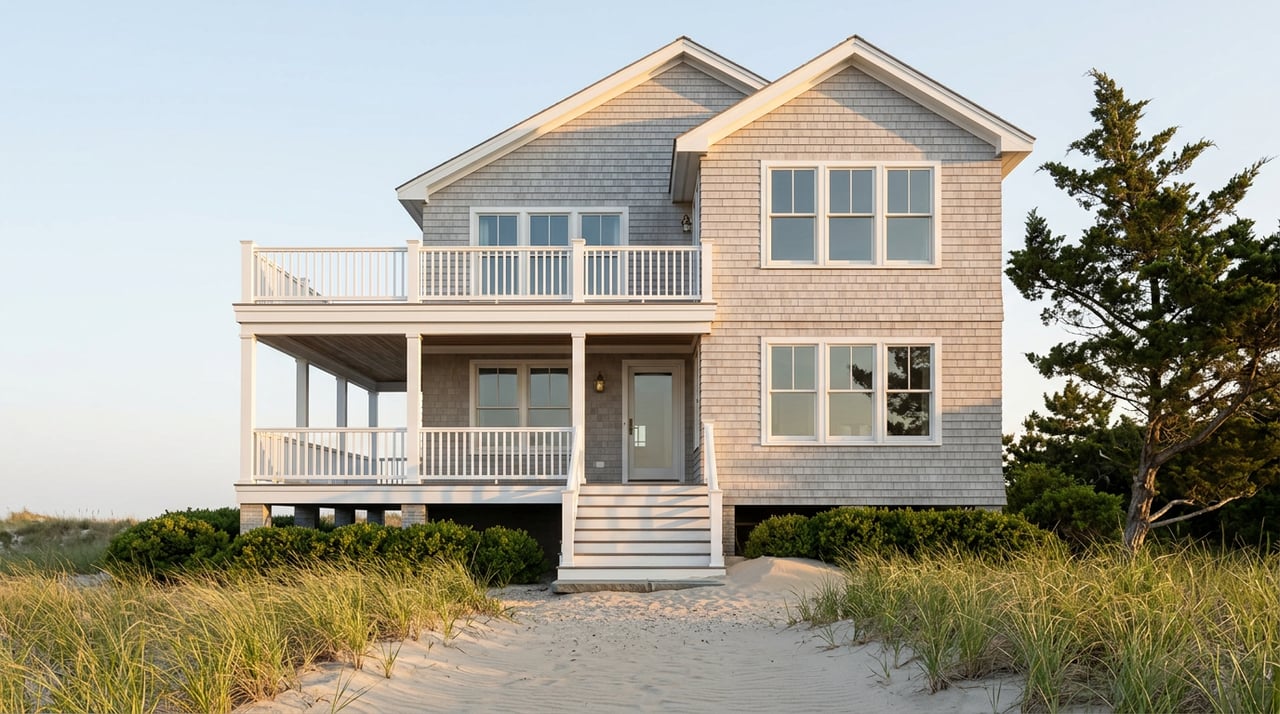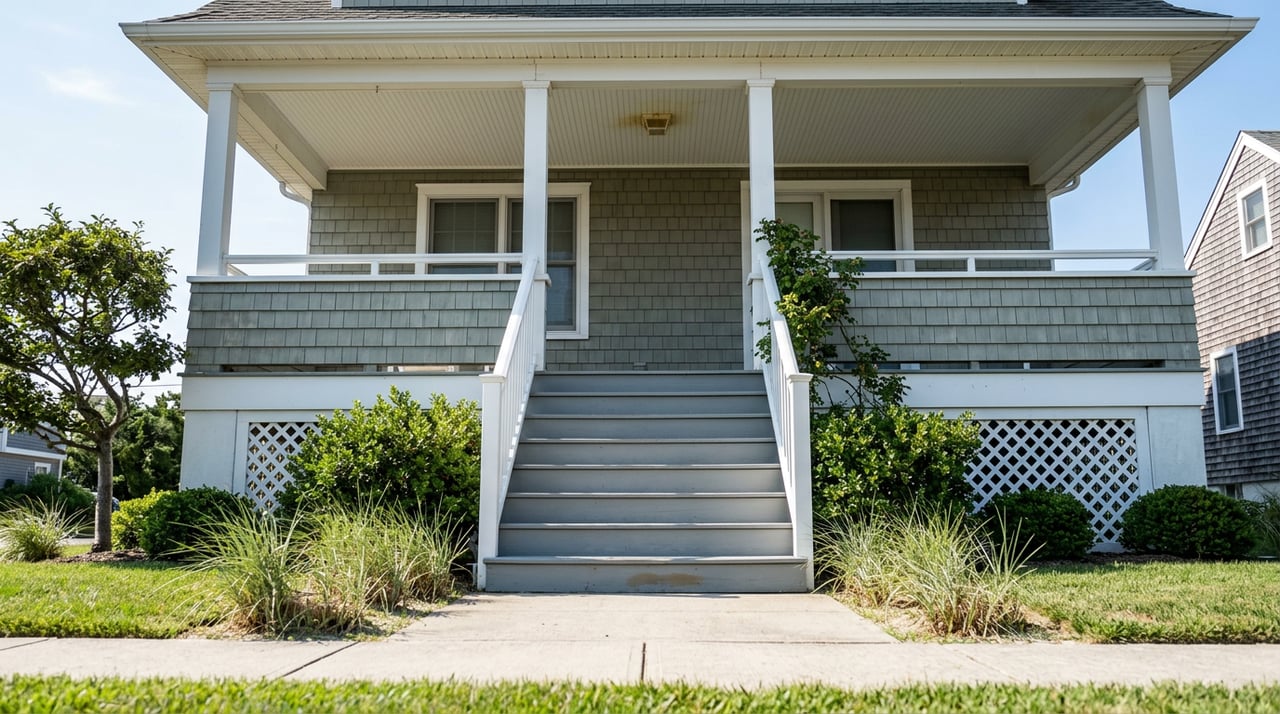
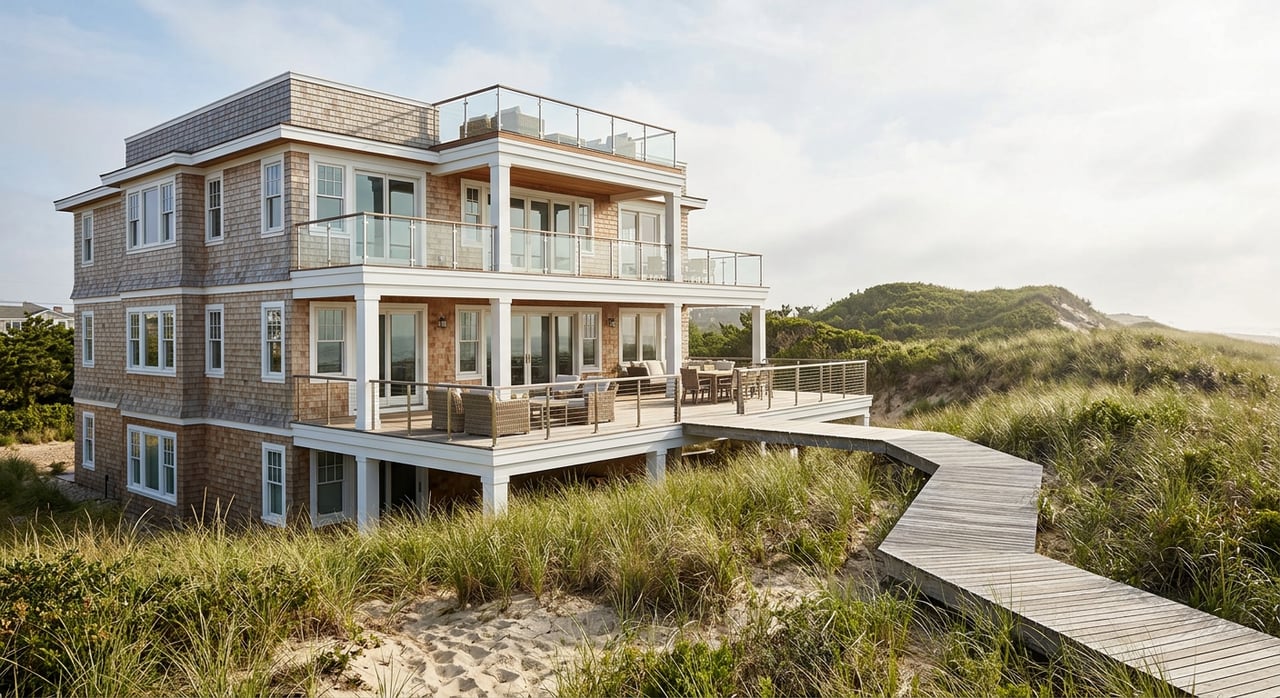
Salt air, sweeping views, and instant beach access make your Gold Coast home unforgettable. If you’re thinking about selling, you want every detail to work in your favor so buyers feel that magic the moment they step inside. Oceanfront listings in Ocean City carry special opportunities and a few coastal must‑dos. In this guide, you’ll learn how to prep, price, and present your property for maximum impact, with clear checklists and local insights tailored to the Gold Coast. Let’s dive in.
What makes the Gold Coast special
Locals use “Gold Coast” to describe Ocean City’s premium oceanfront stretch, commonly defined as roughly 18th Street to 34th Street along the beach block. This is a community label, not a formal district, but it reflects the area’s long‑standing reputation for prime shoreline and strong property values. You can see that definition referenced in local reporting that highlights this premium band of oceanfront homes and condos (Ocean City Sentinel neighborhood coverage).
Ocean City’s market is high‑value and seasonal. Listing quality, timing, and distribution make a measurable difference here. When you pair true oceanfront positioning with clean condition, compelling staging, and sharp pricing, you set yourself up for a premium outcome.
Pre‑sale prep that protects value
Selling on the coast is different. A little upfront work helps buyers feel confident and keeps negotiations smooth.
Know your flood zone and elevation
Nearly all of Ocean City lies within FEMA flood hazard areas. Before you list, confirm your property’s flood zone (AE or VE), Base Flood Elevation, and elevation certificate. These details affect buyer comfort and insurance decisions and should be included in your disclosure packet.
- Use the City’s resources to identify your flood map panel and zone with the official Flood Hazards & Maps page.
- If you’ve elevated or rebuilt post‑Sandy, review the City’s Home Elevation FAQs so you can document any permits, Letters of Map Change, or compliance details buyers will ask about.
Mechanical and corrosion tune‑up
Salt spray accelerates exterior wear. Small fixes now can prevent inspection surprises later.
- Have a contractor or inspector evaluate deck and balcony hardware, handrails, roof flashings, and sliders. Coastal guidance favors marine‑grade stainless or correctly specified hot‑dip galvanized hardware for exposed components. For background, see expert notes on HDG in coastal climates.
- Service HVAC, water heaters, and pool equipment, and consider “coastal‑rated” replacements if systems are nearing the end of their life. Even details like roof fasteners and flashing materials matter near the ocean; here’s a practical overview of salt‑resistant flashing options for coastal homes (coastal flashing materials guide).
- Gather receipts and service logs. Buyers pay attention to maintenance history.
Rental registration if you rent
If your home has been used as a weekly or seasonal rental, Ocean City requires current mercantile and rental registration. Buyers will expect documentation of compliance and fee status. Review the City’s Mercantile Licensing FAQs and have your most recent certificate ready.
Your document packet
Create a clean, ready‑to‑share set:
- Survey and flood elevation certificate
- Permits and inspection reports for recent work
- HVAC, roof, plumbing, and electrical service records
- HOA documents if applicable
- Rental registration/mercantile paperwork if applicable
A thorough packet signals care and reduces back‑and‑forth during attorney review.
Staging and media that sell the view
On the Gold Coast, the ocean is your lead feature. Your job is to make it effortless for buyers to see and feel it from the first photo to the last showing.
The National Association of REALTORS reports that staged homes help buyers visualize living there, and that high‑quality photos and video influence both time on market and offer strength. That’s especially true for luxury and shore listings. You can review the data in NAR’s 2023 Profile of Home Staging (NAR staging report).
Stage for sightlines and outdoor living
- Preserve the view. Remove tall or boxy furniture and bulky floor lamps that block windows. Aim seating toward the water in living rooms and the primary bedroom.
- Keep window treatments minimal. Use open sheers or simple shades so photographers and buyers see the ocean on entry.
- Favor low, streamlined pieces. Low sofas and slim benches help cameras capture expansive horizons.
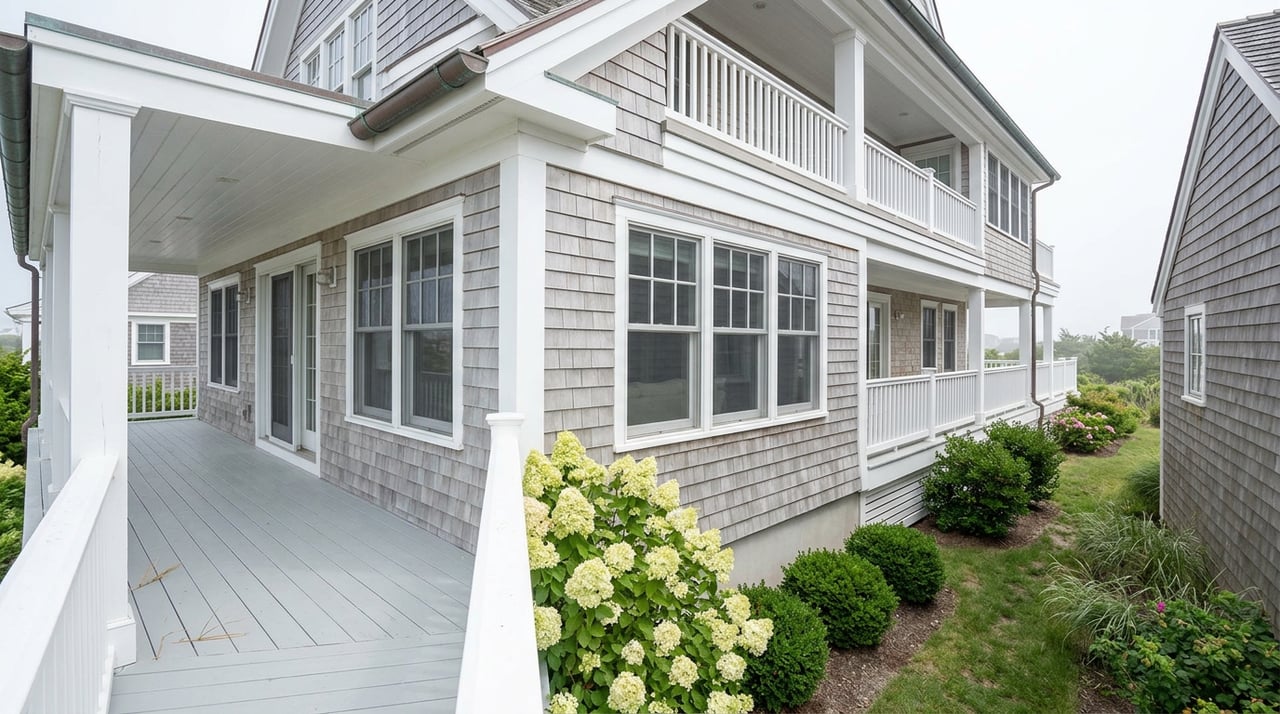
- Highlight decks and balconies. Stage with weather‑resistant seating, clean railings, outdoor rugs, and lanterns or planters that read well in twilight shots.
Focus first on the living room and primary bedroom, then the largest deck or terrace. These spaces drive emotional connection and perceived value.
Photography and video plan
A professional media package is non‑negotiable for oceanfront listings. Aim for:
- HDR interiors that handle bright windows without losing the view
- Twilight exteriors to showcase lighting and evening mood
- Aerial drone stills that show dune line, lot width, and proximity to the shoreline
- A 60 to 90 second cinematic video that orients buyers to the ocean and the property’s outdoor living
- A 3D walkthrough and floor plan for remote and second‑home buyers, which aligns with buyer preferences highlighted in the NAR staging report
Schedule the photo day after staging, clear cars from the driveway, open all shades, and pre‑light exterior fixtures for the twilight window.
Pricing and timing in Ocean City
Choose true oceanfront comps
The factors that drive value on the Gold Coast include direct ocean frontage, lot width and depth, vertical position, presence of a private elevator, quality of finishes, parking, and any elevation or structural upgrades. When pricing, use recent oceanfront comps on the same block or adjacent blocks and adjust for dune height and line of sight, mechanical updates, roof age, and outdoor living. Avoid lumping in one‑block‑back sales. True oceanfront draws a different buyer set and a different premium.
Time your launch for maximum exposure
Shore buyers plan in spring. Listings that hit the market before peak season often see stronger traffic and cleaner negotiations. National analyses have identified mid‑April as a historically strong week to list, and on the island, buyer attention typically builds from spring into early summer. Preparing in late winter positions you to be live for that window with full media and paperwork ready.
Marketing that reaches premium buyers
Great marketing tells a simple story: life lived with the ocean front and center. Your agent should deliver a polished, multi‑channel plan that meets affluent second‑home buyers where they are.
Recommended visual assets to commission:
- 8 to 12 hero exterior images that show context and curb appeal
- 12 to 20 interior photos that prioritize view corridors
- 6 to 12 aerial images for orientation and lot context
- Twilight set for mood and outdoor lighting
- Cinematic video, 3D tour, and accurate floor plan
- An annotated site map showing dune setbacks, public beach access points, and parking
Distribution should include local MLS syndication, targeted digital campaigns focused on nearby metro buyer pools, and well‑timed broker outreach. None of this replaces strong staging and photos. It amplifies them.
Show day logistics that elevate the experience
- Pick show windows that flatter the property. Early morning light emphasizes east‑facing ocean views, and twilight highlights decks and exterior lighting.
- Keep blinds open and sightlines clear. Remove countertop appliances and clutter, wipe down railings and sliders, and roll away hoses or beach gear.
- Protect the floors. Set a simple shoe policy and provide booties during wet weather.
- Offer a one‑sheet with the top facts buyers want: elevation certificate summary, recent mechanicals, average utility costs, parking details, and any rental history.
Seller checklist for the Gold Coast
Use this quick list to stay on track:
Order your elevation certificate and confirm your FEMA flood zone using the City’s Flood Hazards & Maps tools.
Inspect decks, railings, sliders, roof flashings, and exterior metals. Prioritize corrosion repairs using coastal‑appropriate materials; see the coastal HDG guidance for reference.
Service or replace HVAC, water heater, and pool equipment. Compile maintenance records and any warranties.
Engage a stager with coastal experience. Focus on the living room, primary bedroom, and largest deck.
Book a professional photographer who provides daytime, twilight, aerials, and a 3D walkthrough.
If rented, confirm your mercantile and rental registration with the City’s licensing FAQs.
Assemble your buyer packet: elevation certificate, survey, permits, inspections, service logs, HOA docs, and rental registration if applicable. The City’s Home Elevation FAQs are a helpful reference.
Review oceanfront comps within one to two blocks and build a pricing range with your agent that reflects condition, elevation, and view.
Work with a team that knows the shoreline
Your Gold Coast property deserves a launch that feels as effortless as a walk to the beach. From coastal prep and staging to pricing, timing, and premium marketing, our team brings decades of Ocean City experience and full‑service coverage backed by Berkshire Hathaway HomeServices. Ready to talk strategy for your home? Reach out to Cheryl Huber for a private consultation.
FAQs
What is the “Gold Coast” in Ocean City, NJ?
- Locals use “Gold Coast” to describe the premium oceanfront stretch roughly from 18th Street to 34th Street along the beach block, as noted in local reporting.
How much more do true oceanfront homes sell for than one block back in Ocean City?
- The premium varies by direct frontage, line of sight over dunes, lot width, elevation, and condition, so use very recent, same‑block oceanfront comps with your agent to set the right range.
Do I have to disclose flood elevation and insurance details when selling a Gold Coast home?
- Yes, buyers expect elevation certificates and flood‑related info, and the City’s Home Elevation FAQs outline key requirements to help you prepare.
Should I stage decks and balconies for a Gold Coast listing?
- Absolutely, outdoor spaces are big value drivers at the shore and staging helps buyers visualize living there, supported by the NAR staging report.
What documents should I prepare before listing a rented Ocean City oceanfront home?
- Gather your elevation certificate, survey, permits, inspection reports, service records, HOA docs, and proof of current mercantile/rental registration from the City’s licensing FAQs.