Search Commercial Properties for sale in Ocean City, NJ with Cheryl Huber.
Ocean City, NJ Housing Market Trends (2026)
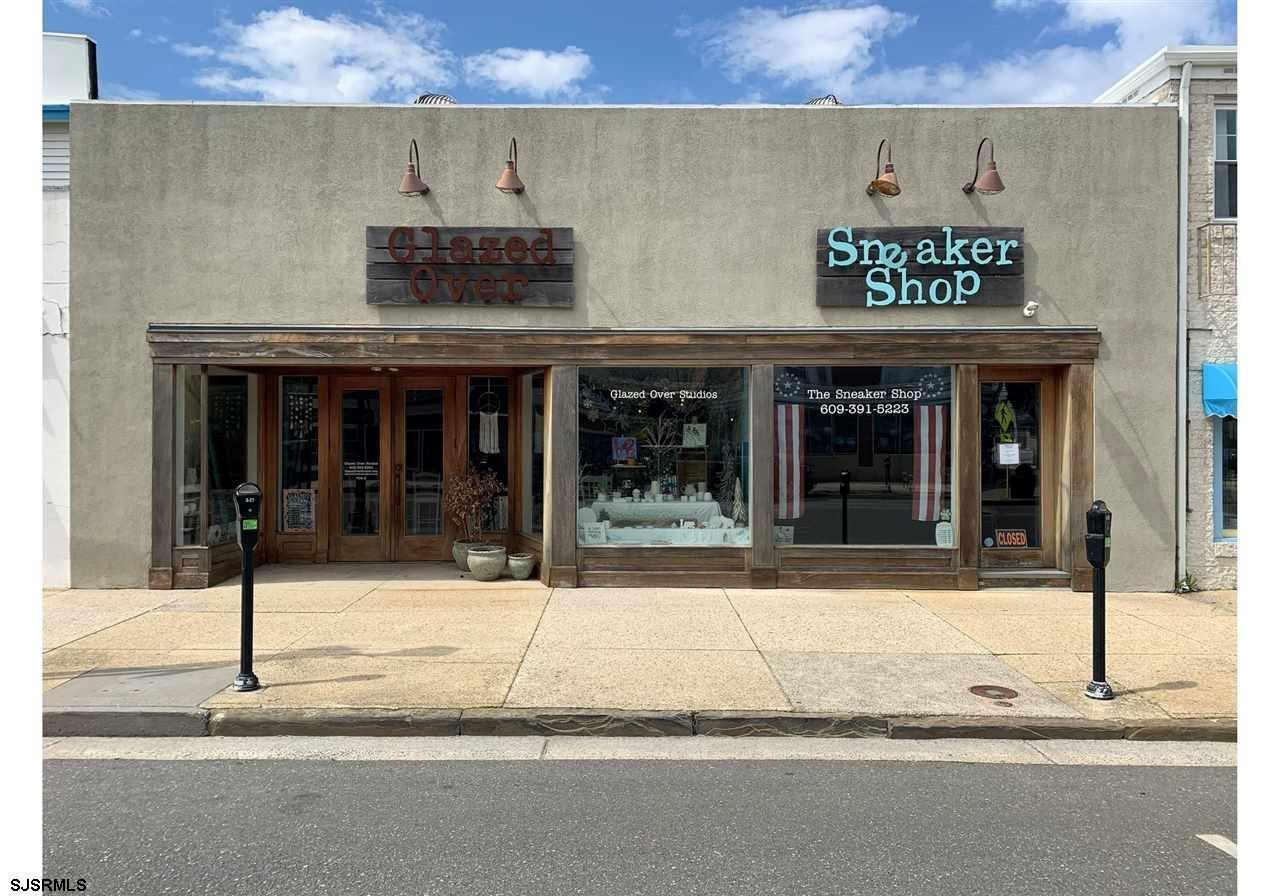
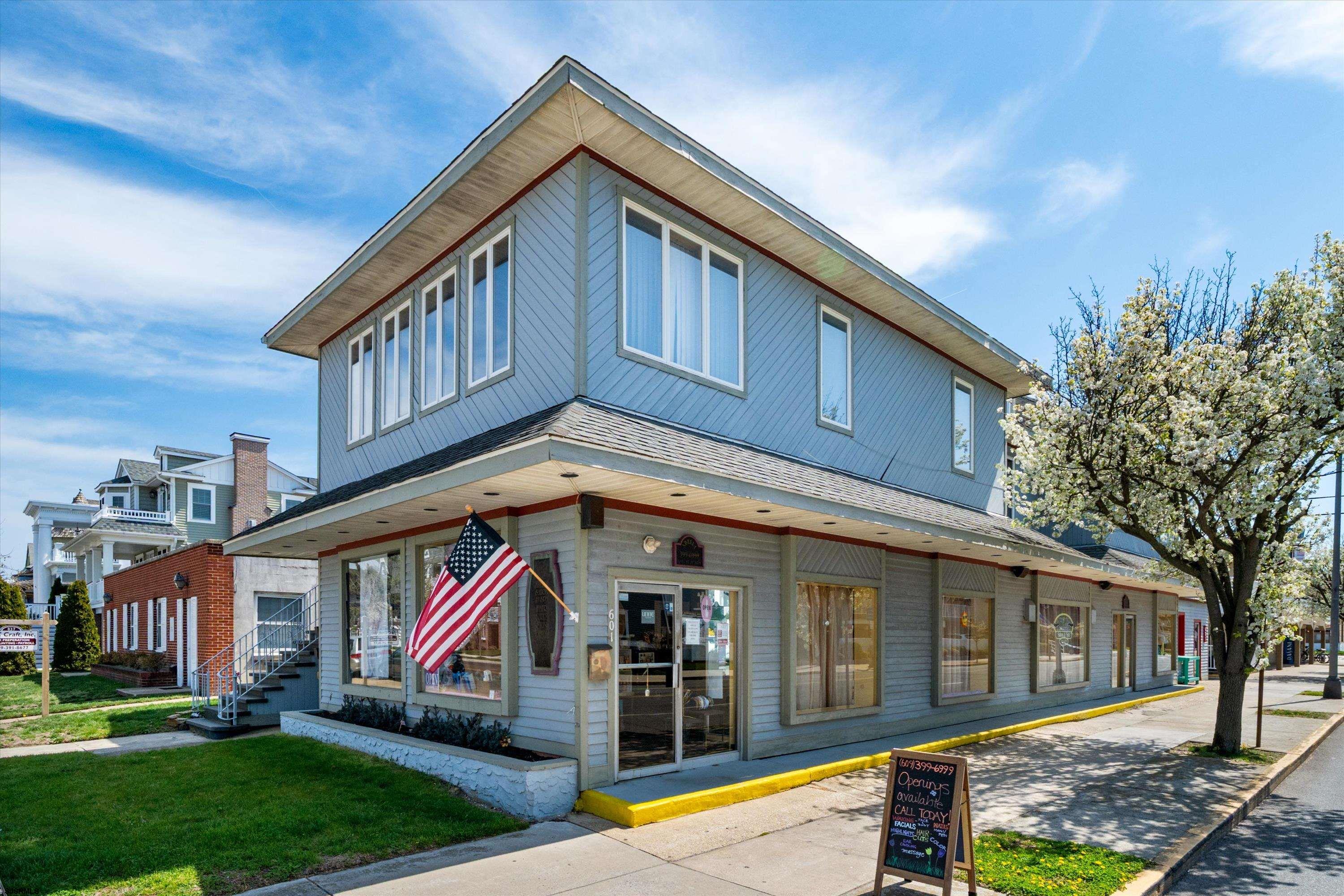
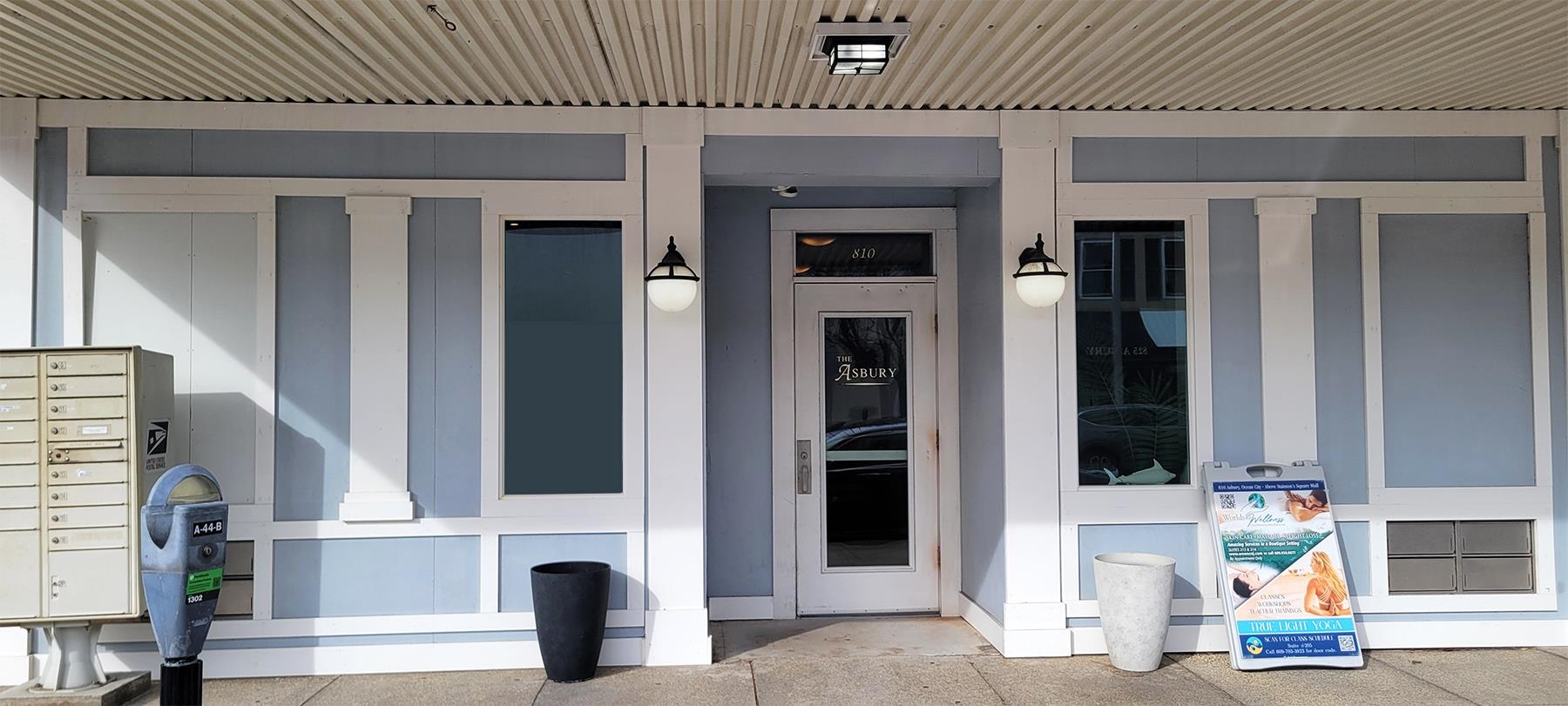
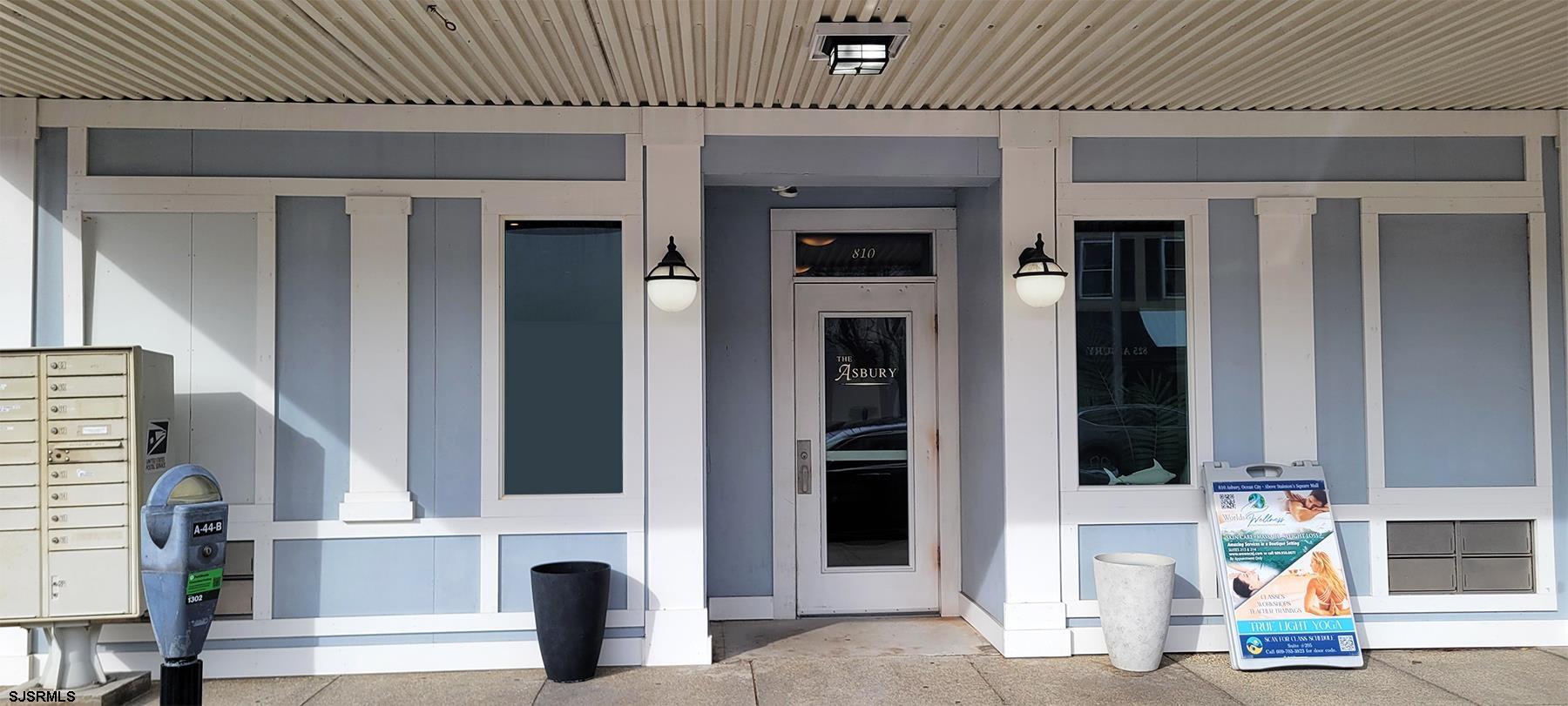
While commercial retail markets nationwide are reeling from the rise of e-commerce and shifting consumer habits, Ocean City's brick-and-mortar commercial sector thrives on experiential, physical consumerism that cannot be replicated online. Because the island is famously a "dry town," the commercial footprint is entirely shaped around family-friendly dining, localized boutique shopping, and interactive amusements. Commercial spaces along Asbury Avenue (the downtown shopping district) and the world-famous boardwalk cater to an audience that views shopping and dining out as a core vacation ritual. Without the presence of bars or nightclubs, commercial tenants face zero competition from late-night nightlife venues, allowing ice cream parlors, fudge shops, bike rentals, and pizza walk-ups to capture undivided consumer focus and command immense seasonal cash flow that standard suburban strip malls or urban downtowns can only dream of.
When you purchase a commercial building in a traditional metro area, your property's value and tenant success are highly dependent on corporate employment trends, office commuter traffic, and localized economic health. Ocean City, by contrast, relies on an incredibly stable and inelastic tourism engine that draws millions of affluent visitors from the Mid-Atlantic region every single summer. Even during broader national economic downturns, Ocean City remains a premier drive-to vacation destination for families from Philadelphia, New York, and Washington D.C. This massive, guaranteed summer influx creates an environment where commercial real estate owners experience an extreme density of customer exposure in a compressed timeframe, allowing well-positioned boardwalk or downtown properties to generate a full year's worth of robust revenue in just a few high-intensity months.
From a fundamental real estate perspective, Ocean City’s commercial market benefits from irreversible scarcity. The municipality is completely built out on a narrow barrier island, meaning developers cannot simply construct a new shopping center or office park on the edge of town to compete with existing inventory. Furthermore, the local government enforces highly strict zoning laws that protect the historic aesthetic and balance of the island, heavily restricting where commercial uses can operate. Buying commercial property here means acquiring a finite asset where your competition is permanently capped by the ocean, the bay, and strict zoning maps. This protective economic moat ensures that your commercial land retains exceptionally high residual value, shields you from market oversaturation, and drives consistent, upward pressure on tenant lease rates.
Because the sale of alcohol is strictly prohibited on the island, commercial real estate cannot be used to operate traditional bars, nightclubs, or liquor stores. This zoning restriction funnels commercial demand into family-friendly sectors such as boutique retail, fast-casual dining, and specialty dessert shops. Consequently, properties along Asbury Avenue and the boardwalk maintain highly stable, wholesome tenant bases that face zero disruptions from late-night nightlife industries.
A Triple Net lease is the most common arrangement for commercial properties in Ocean City, requiring the tenant to pay a base rent plus their proportional share of property taxes, building insurance, and maintenance costs. Given the coastal climate and the corresponding premium on property insurance, this lease structure heavily protects the landlord from unpredictable overhead hikes. It creates a highly predictable income stream for investors, as the tenant assumes responsibility for the day-to-day carrying costs of the building.
Since a vast majority of the island's foot traffic and revenue is concentrated between May and September, landlords typically structure annual leases with accelerated payment schedules or front-loaded rental terms. Savvy investors look for properties in the downtown Asbury Avenue corridor, which maintains a more consistent, year-round local client base compared to the hyper-seasonal boardwalk. Additionally, property owners often target tenants like professional offices, medical suites, or banks that operate continuously through the winter months.
Yes, Ocean City enforces strict municipal zoning laws regarding off-street parking requirements for commercial uses, which are calculated based on the square footage or seating capacity of the business. Because land is incredibly scarce on the barrier island, acquiring a property that already features designated off-street parking spots or an alleyway loading zone adds an immense premium to its valuation. Buyers must conduct careful due diligence with the local planning board, as changing the use of a building (e.g., from retail to a restaurant) can trigger heavy parking-space compliance penalties.
Due to its low-lying, coastal geography, a commercial property's elevation, foundation stability, and roof condition are critical components of a pre-purchase inspection. Prospective buyers must review the building’s official FEMA elevation certificate to accurately forecast flood insurance costs, which can heavily impact the property's overall net operating income. Furthermore, buildings situated close to the ocean or bay require ongoing monitoring for salt-air corrosion on HVAC systems, structural steel beams, and external siding.
Altering the operational use of an Ocean City commercial property—such as converting a clothing boutique into a quick-service food concept—requires formal approval and compliance checks from Cape May County and local zoning boards. The city maintains rigid zoning definitions to preserve the historic, family-centric aesthetic of major commercial corridors and restrict overcrowding. Investors looking to pivot a building's utility should secure an extended due diligence period in their purchase contract to ensure their intended business model can legally obtain a mercantile license.
Whether you're eyeing a retail storefront, a mixed-use building, or an investment opportunity at the shore, I'd love to help you find the right commercial property in Ocean City. With decades of experience in this market, I understand the local landscape—foot traffic, zoning, seasonal demand—and what makes a property worth pursuing. I'm always happy to answer questions, big or small. Reach out anytime to start the conversation. Call or text me directly, or send an email, and let's explore what's possible.
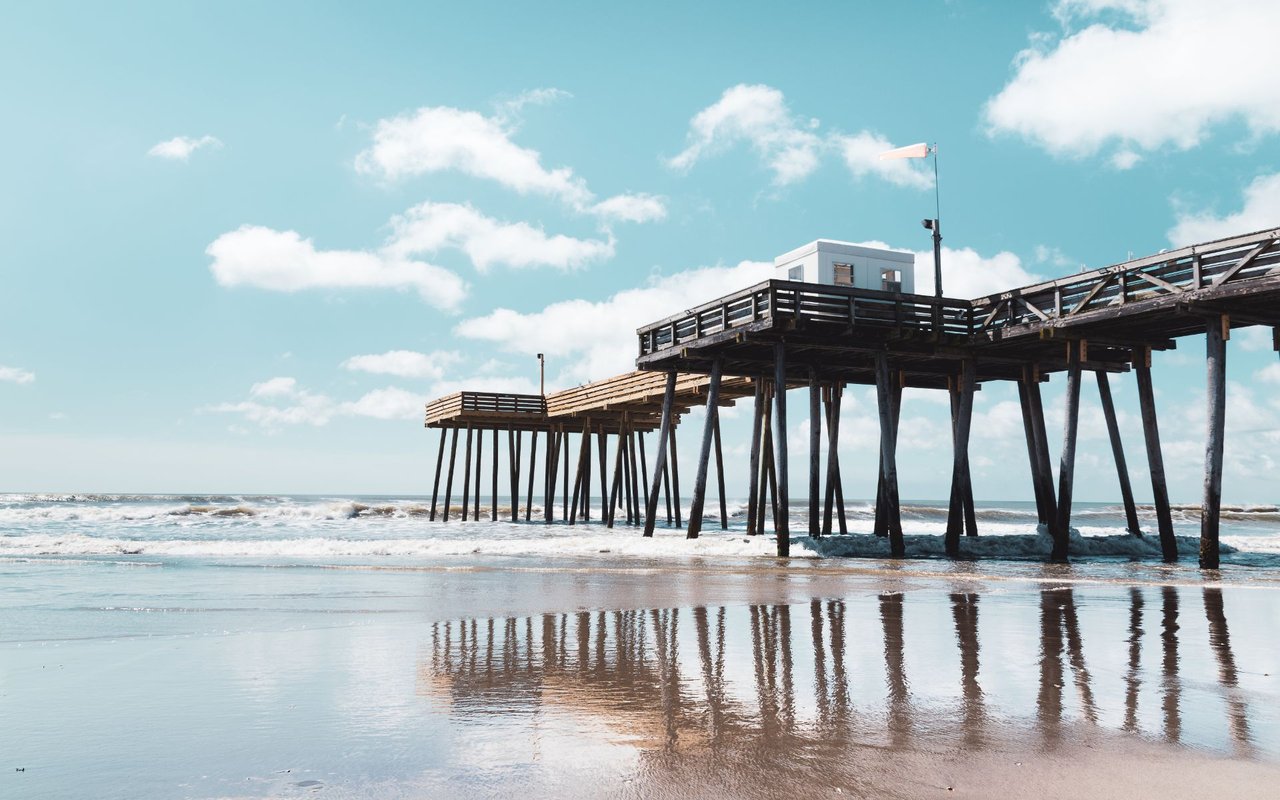
Ocean City isn't one place—it's a collection of distinct neighborhoods, each with its own character, pace, and appeal. From the family-friendly bustle of the North End to the quieter, more residential streets of the South End and the sought-after blocks of the Gold Coast, knowing the differences can make all the difference in finding the right fit. Our Ocean City neighborhood guide breaks it all down, so you can explore what each area offers and picture where you'd feel most at home. Take a look and start getting to know the shore town from the inside.