11,260 people live in Ocean City, where the median age is 57.3 and the average individual income is $70,660. Data provided by the U.S. Census Bureau.
Total Population
Median Age
Population Density Population Density This is the number of people per square mile in a neighborhood.
Average individual Income
Ocean City is not simply a beach town that happens to sit on the Jersey Shore. It is a community that has been deliberate about its identity since the day it was founded, and that deliberateness permeates everything about the place, from the absence of a liquor store to the way families return to the same rental cottage decade after decade. Marketed as "America's Greatest Family Resort," Ocean City earns that title not through marketing gimmicks but through the cumulative weight of more than a century of tradition, careful planning, and a civic culture that genuinely prioritizes the experience of being there.
What strikes visitors first is the sheer cleanliness and order of the place. The boardwalk is well-maintained, the streets are navigable, and there is a palpable sense that the community takes pride in presentation. What strikes them next, especially if they are coming from Atlantic City or Sea Isle City, is the quiet. Without bars or nightclubs, the noise ceiling of Ocean City is fundamentally lower, and the social energy flows instead toward the boardwalk, the Music Pier, backyard porches, and the beach itself.
This is a place where the pace is intentional. Summer fills the island with families spanning three and four generations who have been coming back for so long that the ritual of arriving, unloading the car, and walking to Manco & Manco for a first-night slice of pizza feels almost liturgical. Off-season, the island belongs to year-round residents who form a tight-knit community with their own rhythms, events, and institutions. Whether you are evaluating Ocean City as a primary residence, a vacation property, or an investment, understanding its character is the first step, and its character is one of the most consistent and well-preserved of any resort community on the Eastern Seaboard.
The founding story of Ocean City is unusual for an American beach town precisely because it was not organic. It did not grow up around a fishing harbor or a ferry landing. It was conceived and purchased with a specific purpose in mind. In 1879, four Methodist ministers, the Lake brothers, acquired the barrier island with the intention of creating a Christian seaside retreat, a place where families could enjoy the restorative benefits of the ocean without the moral hazards of alcohol and vice that plagued other shore communities. They established the Ocean City Association, and the prohibition on the public sale of alcohol that they encoded into the town's founding charter has remained in effect for nearly a century and a half.
The first boardwalk was constructed in 1880, modest by later standards but immediately central to the social life of the community. The town grew steadily through the late nineteenth and early twentieth centuries, attracting visitors from Philadelphia and beyond who were drawn to its reputation for propriety and family safety. A devastating fire in 1927 destroyed much of the waterfront infrastructure, but rather than diminishing the town, the rebuilding effort produced the iconic boardwalk that exists today, repositioned closer to the ocean and built to a grander scale.
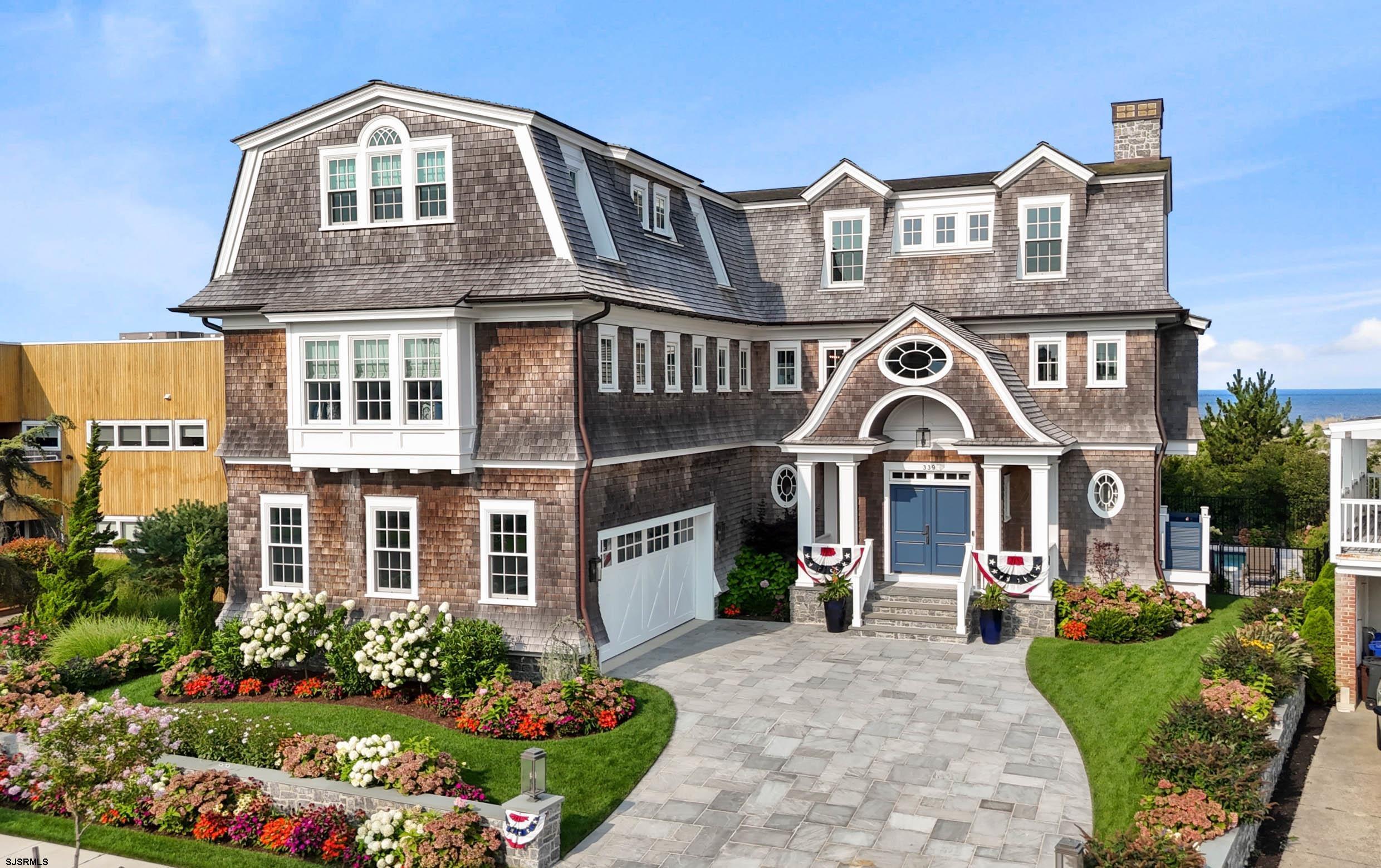
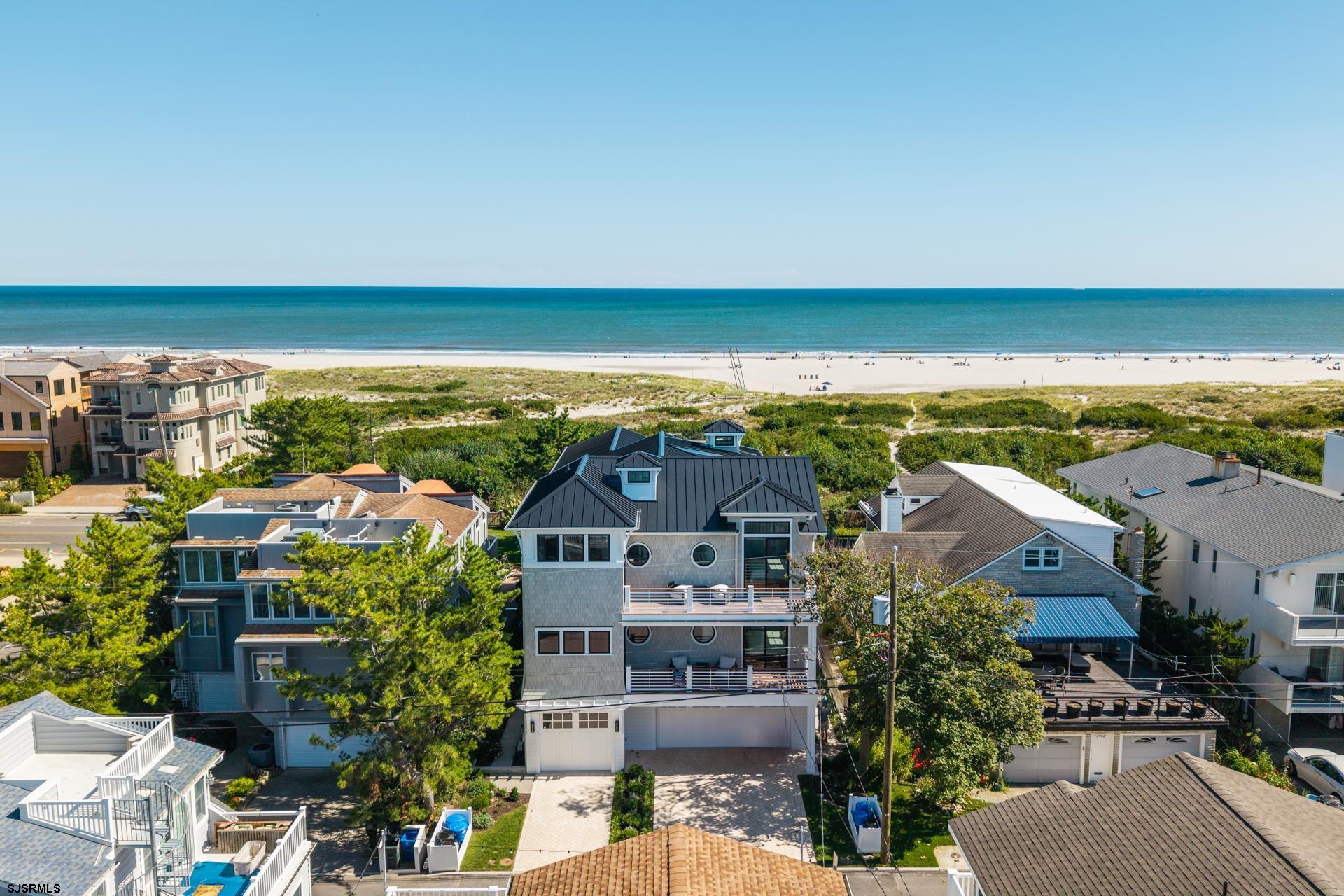
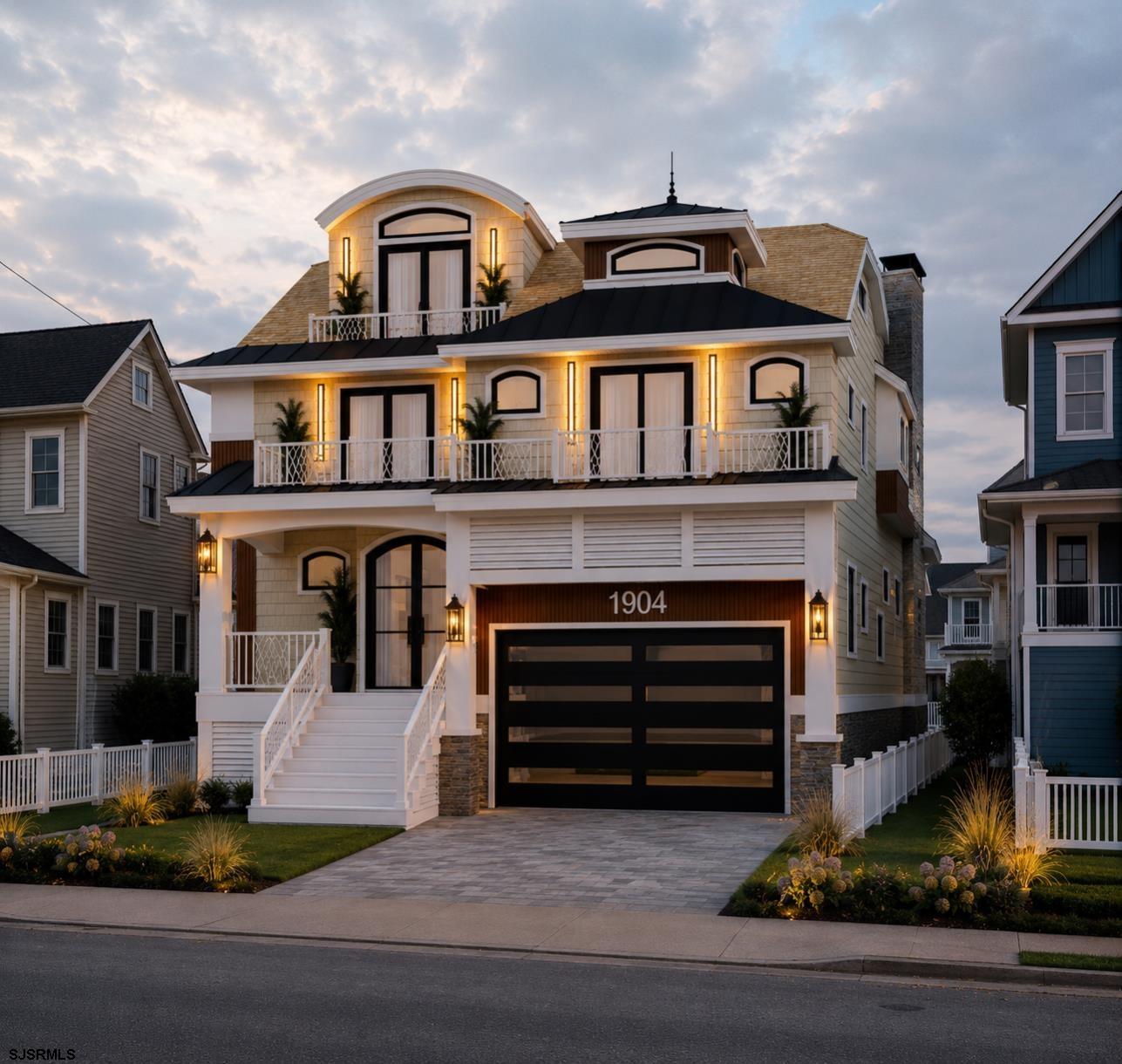
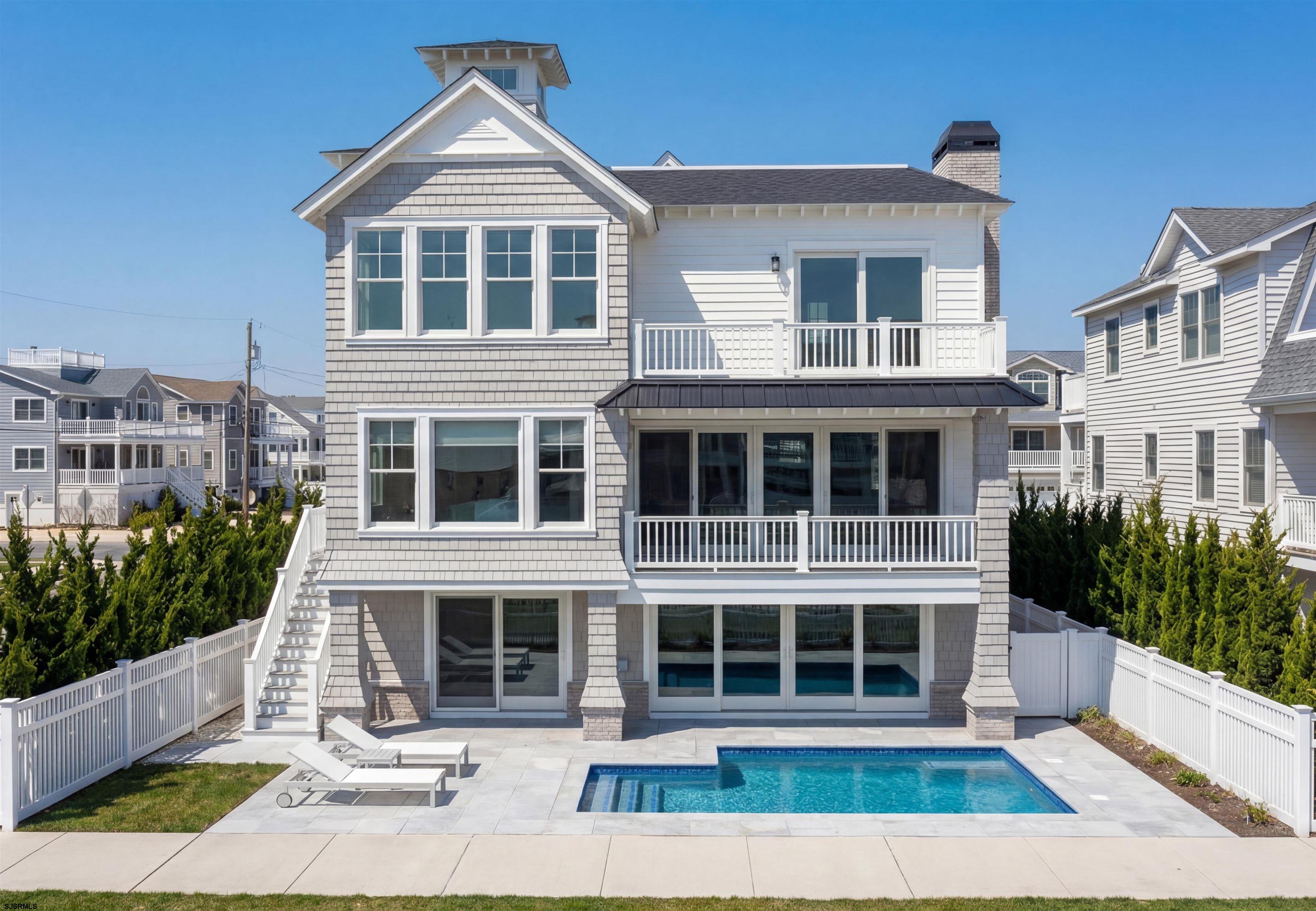
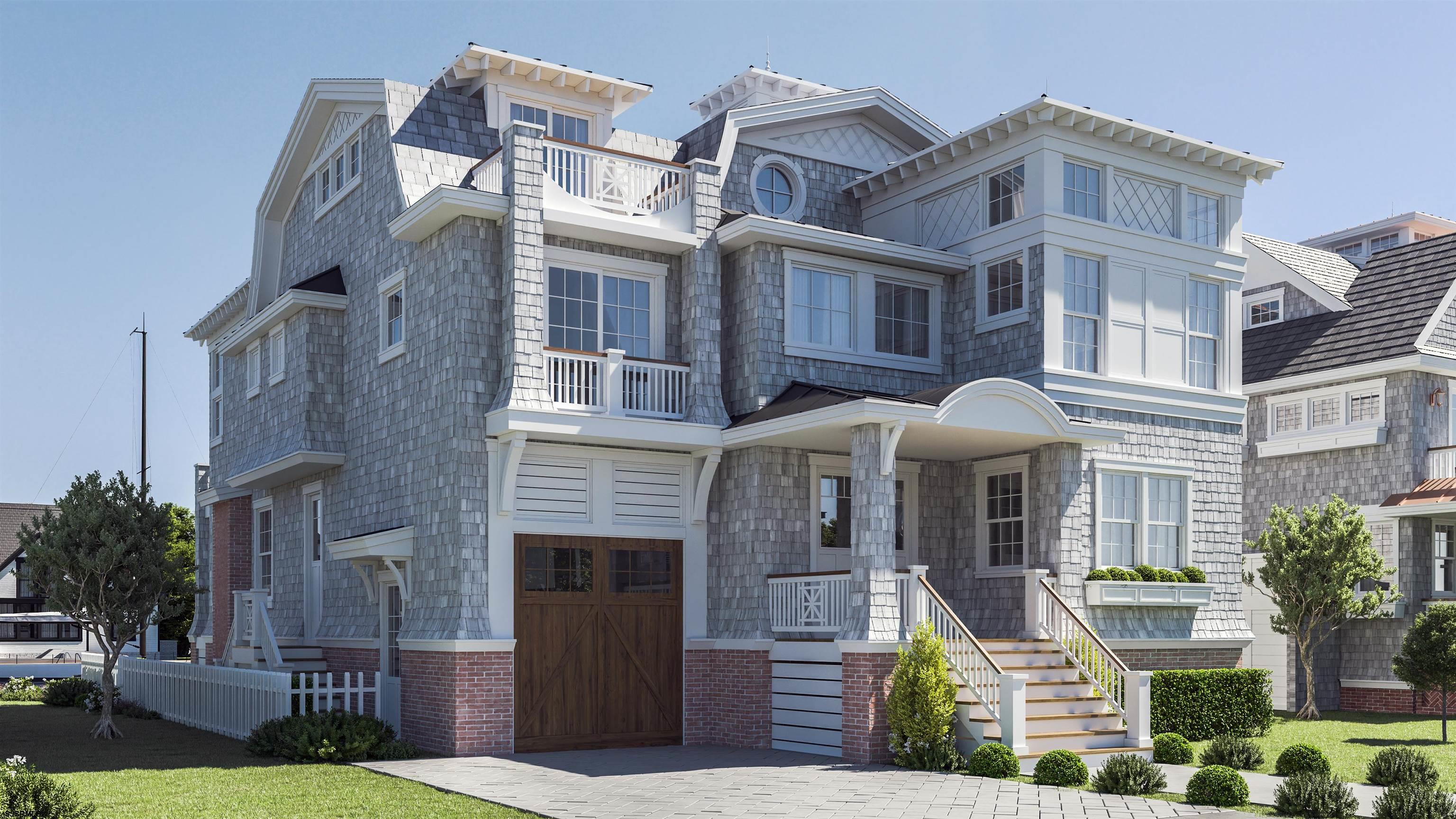
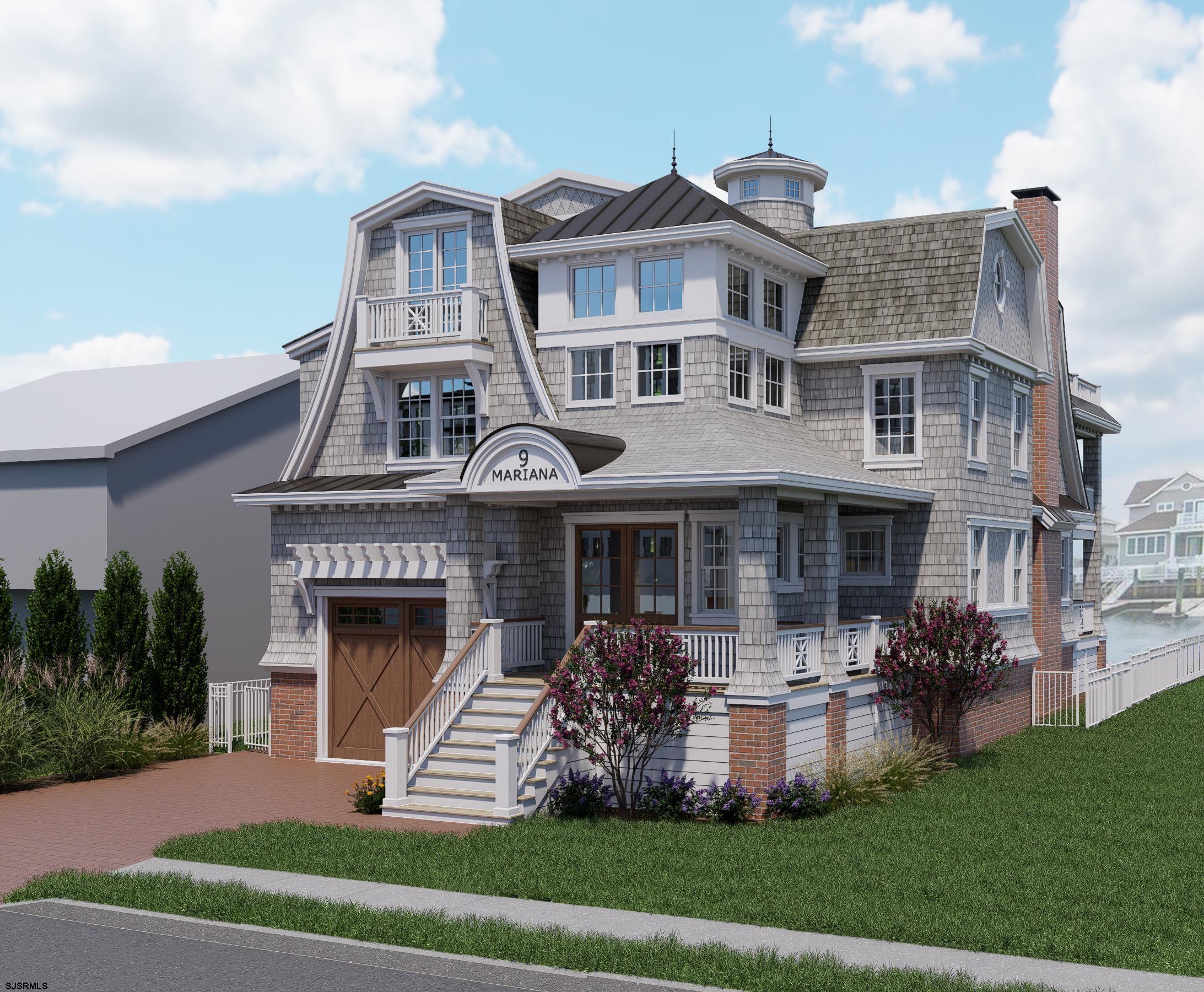
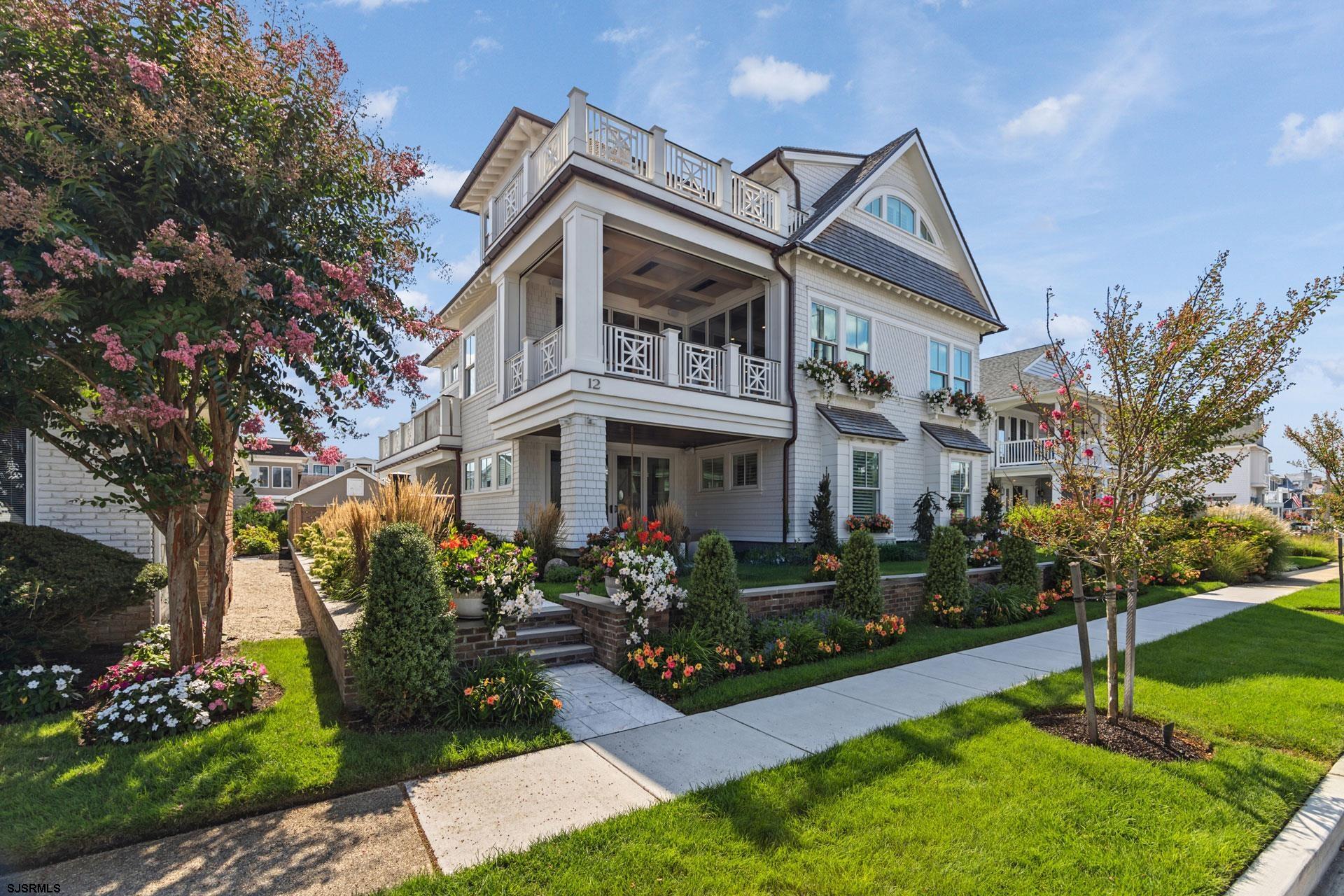
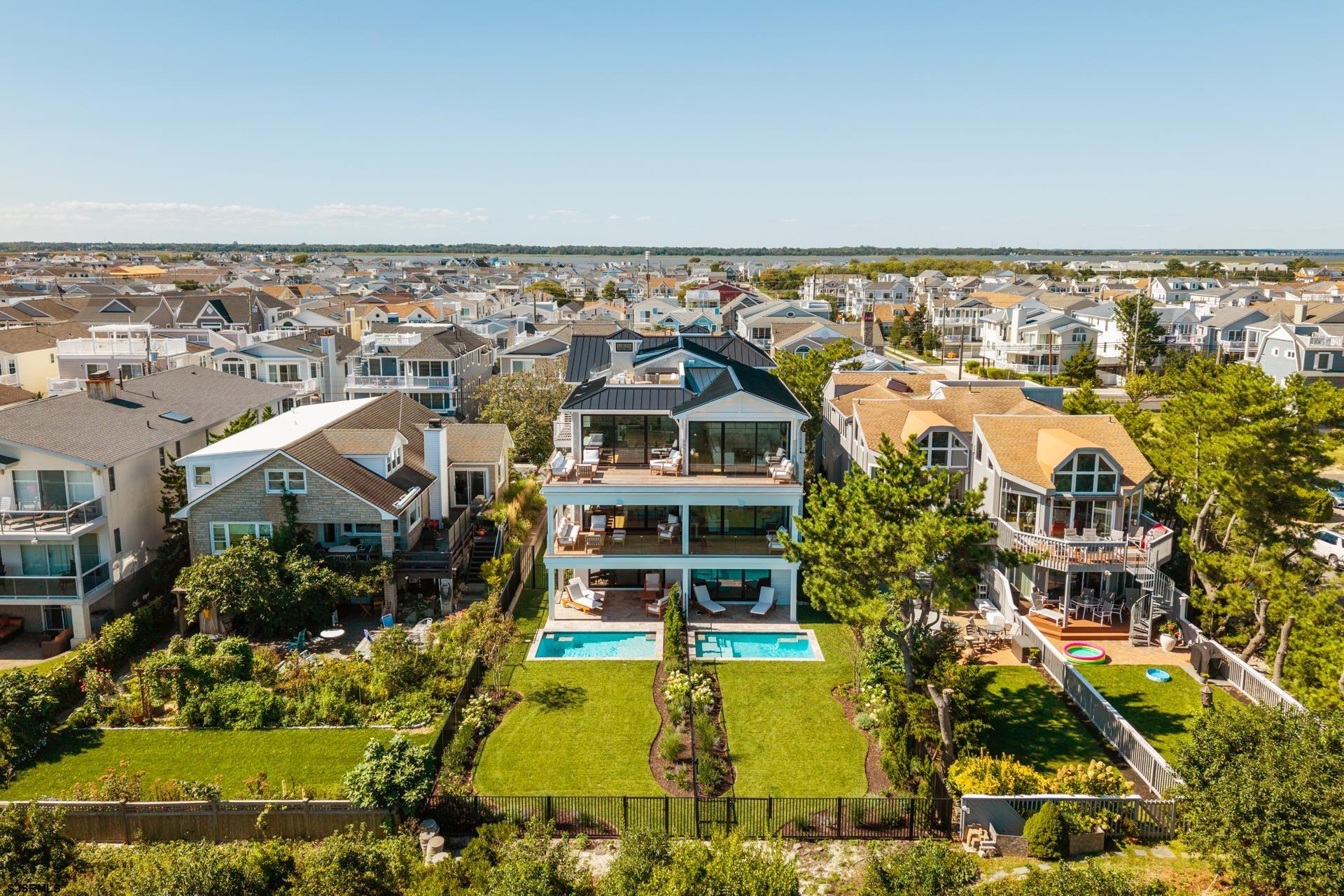
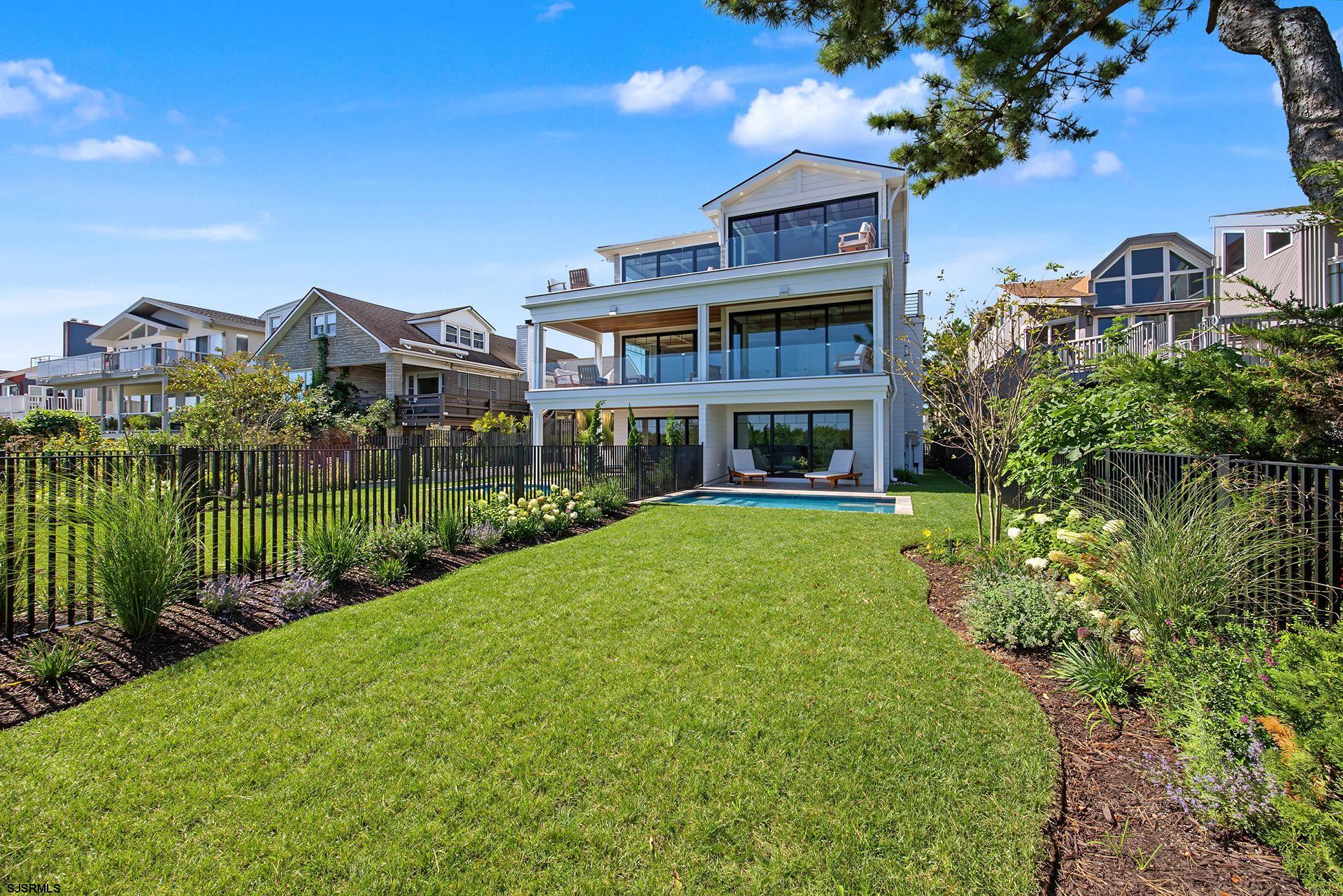
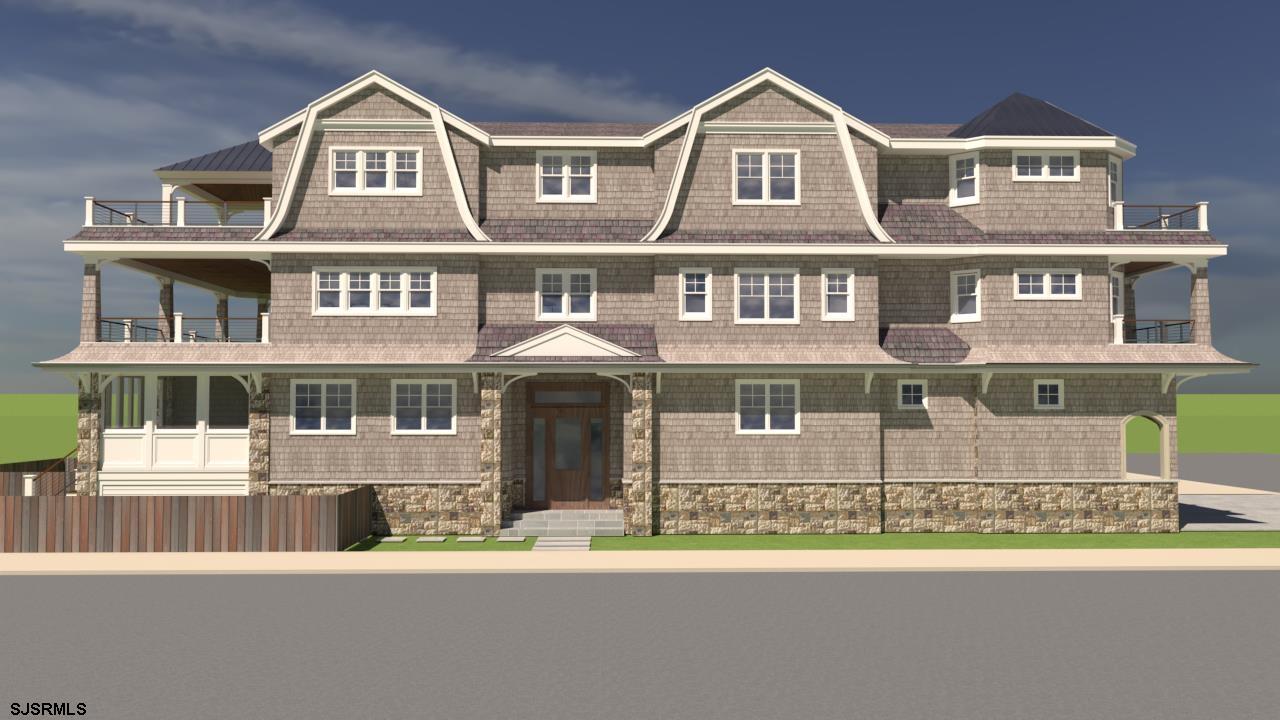
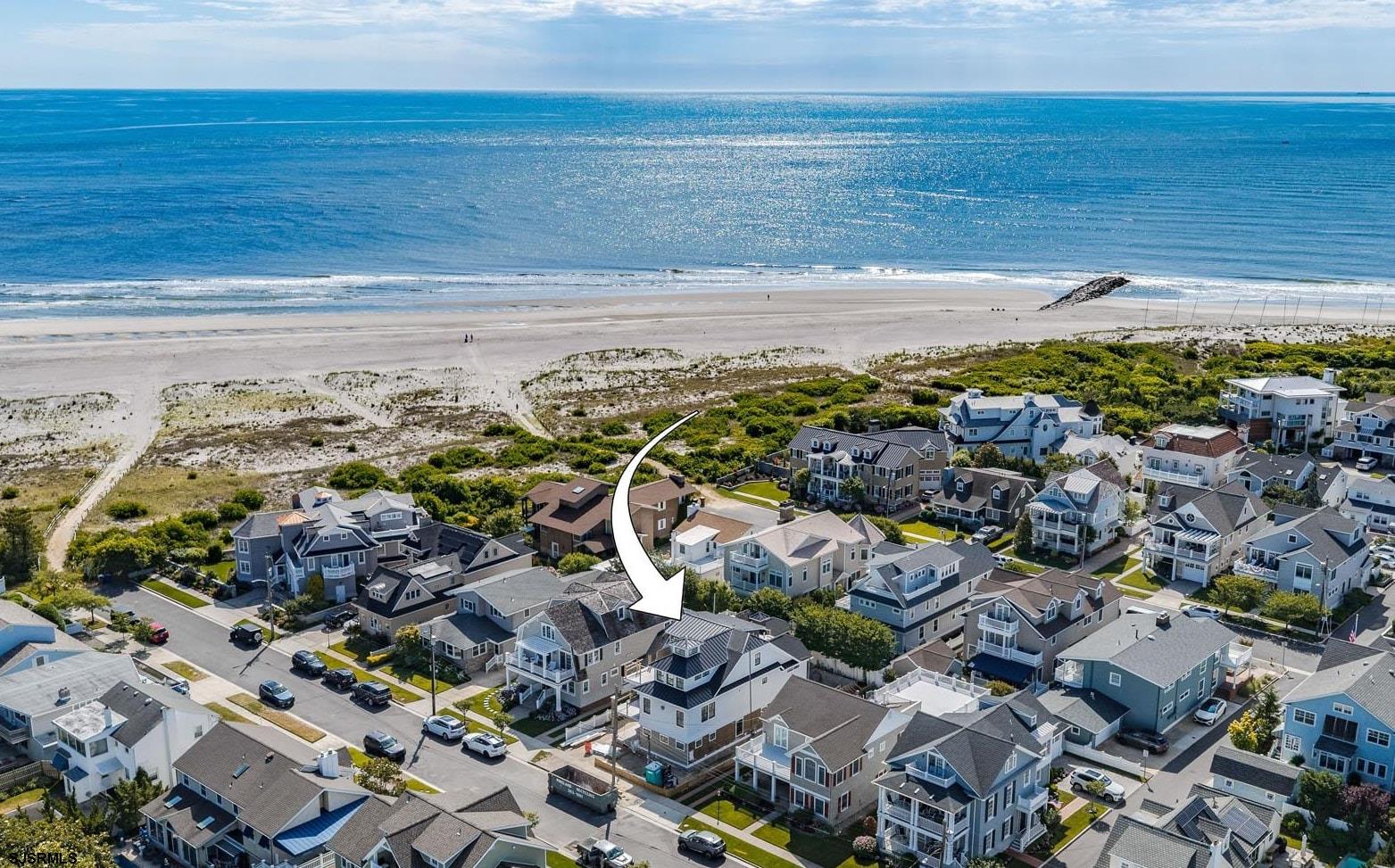
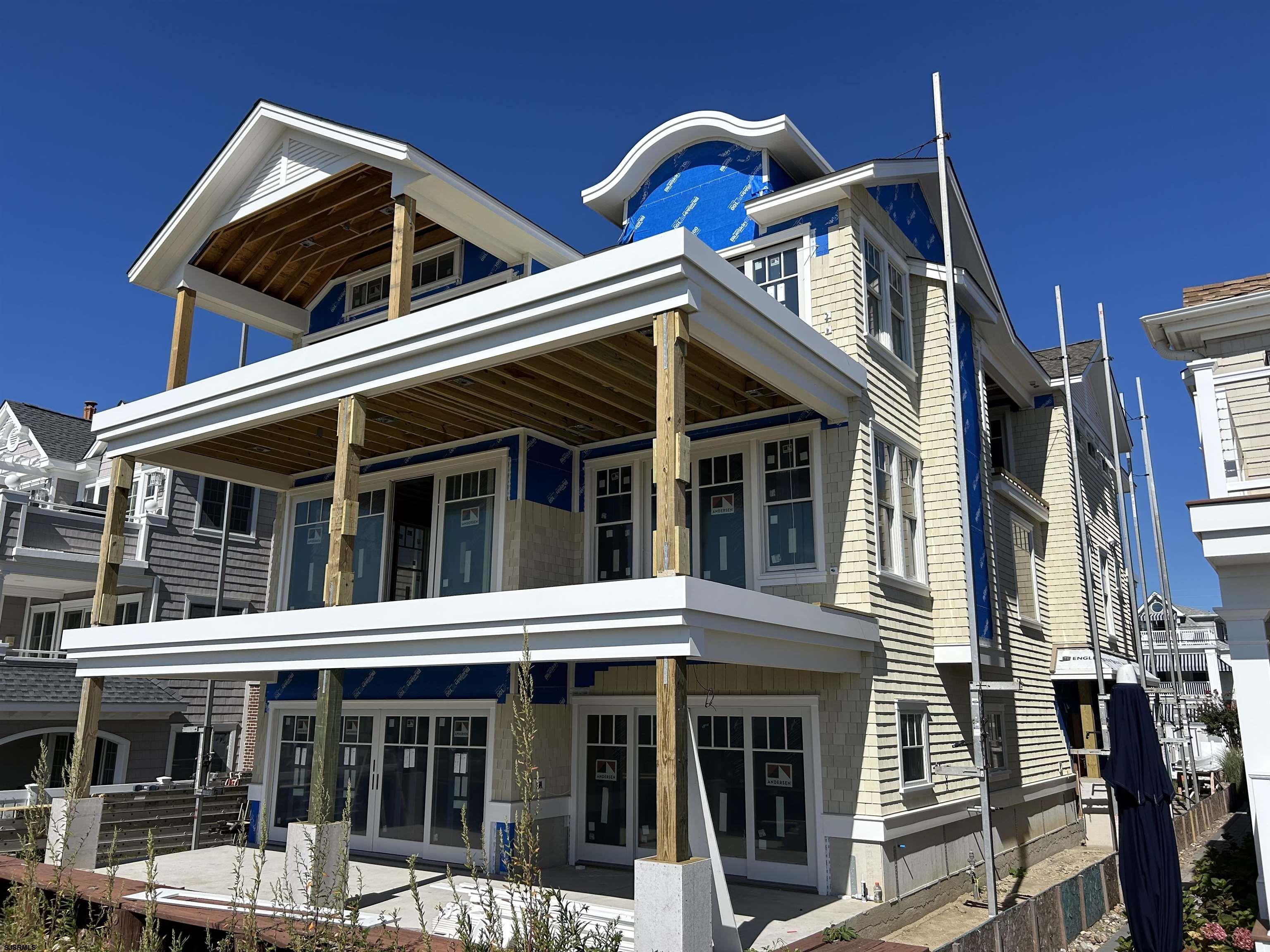
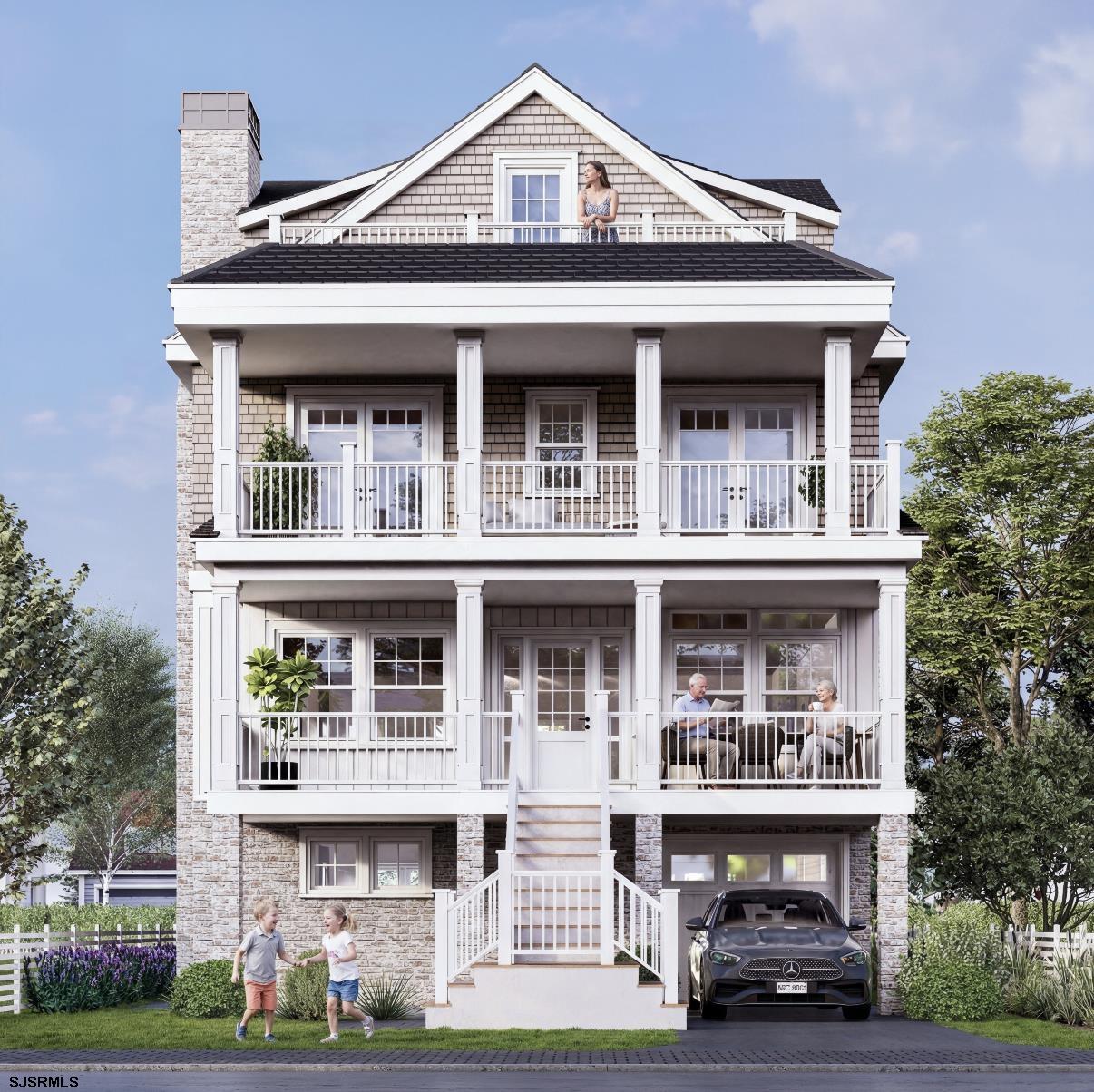
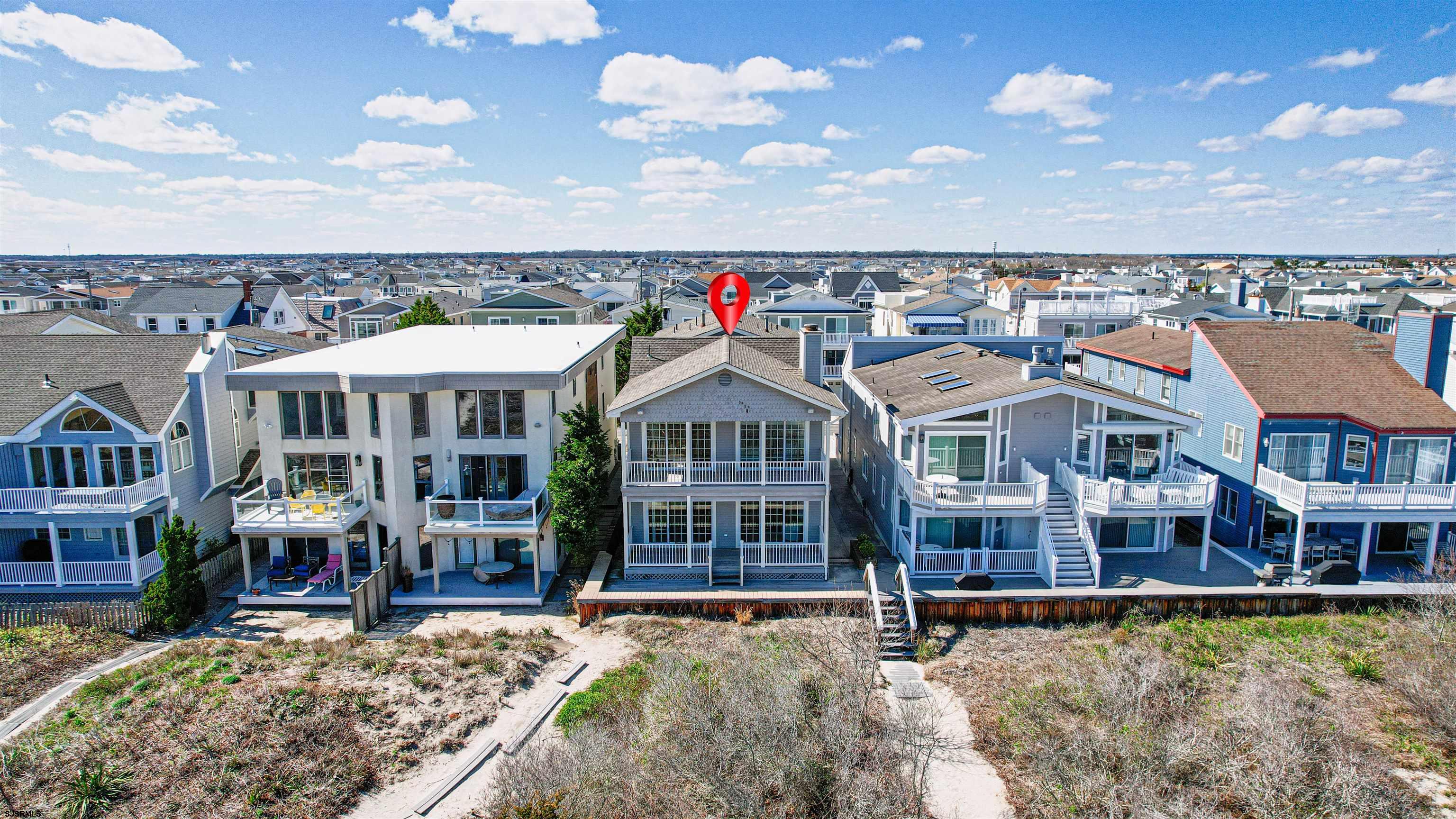
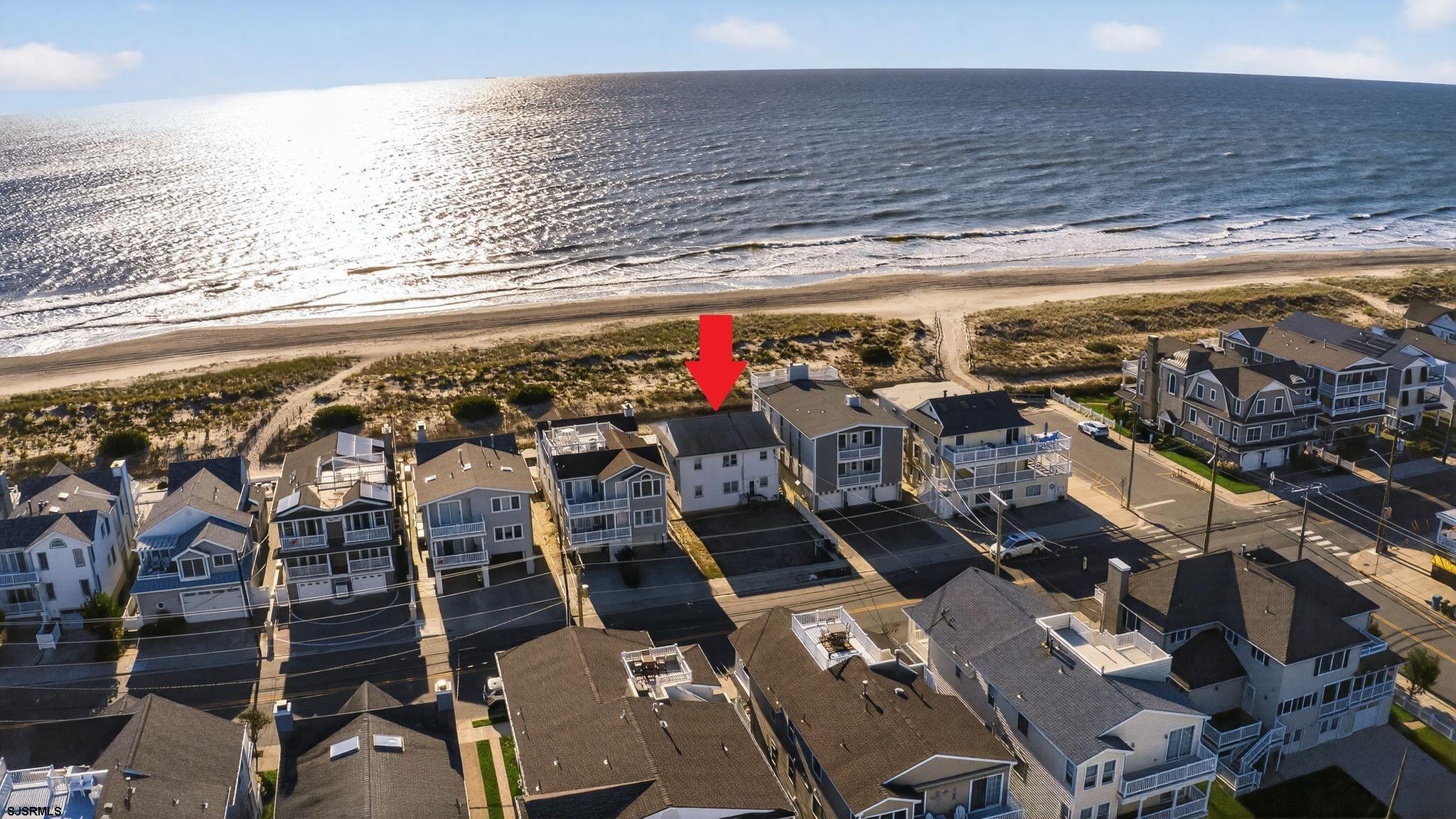
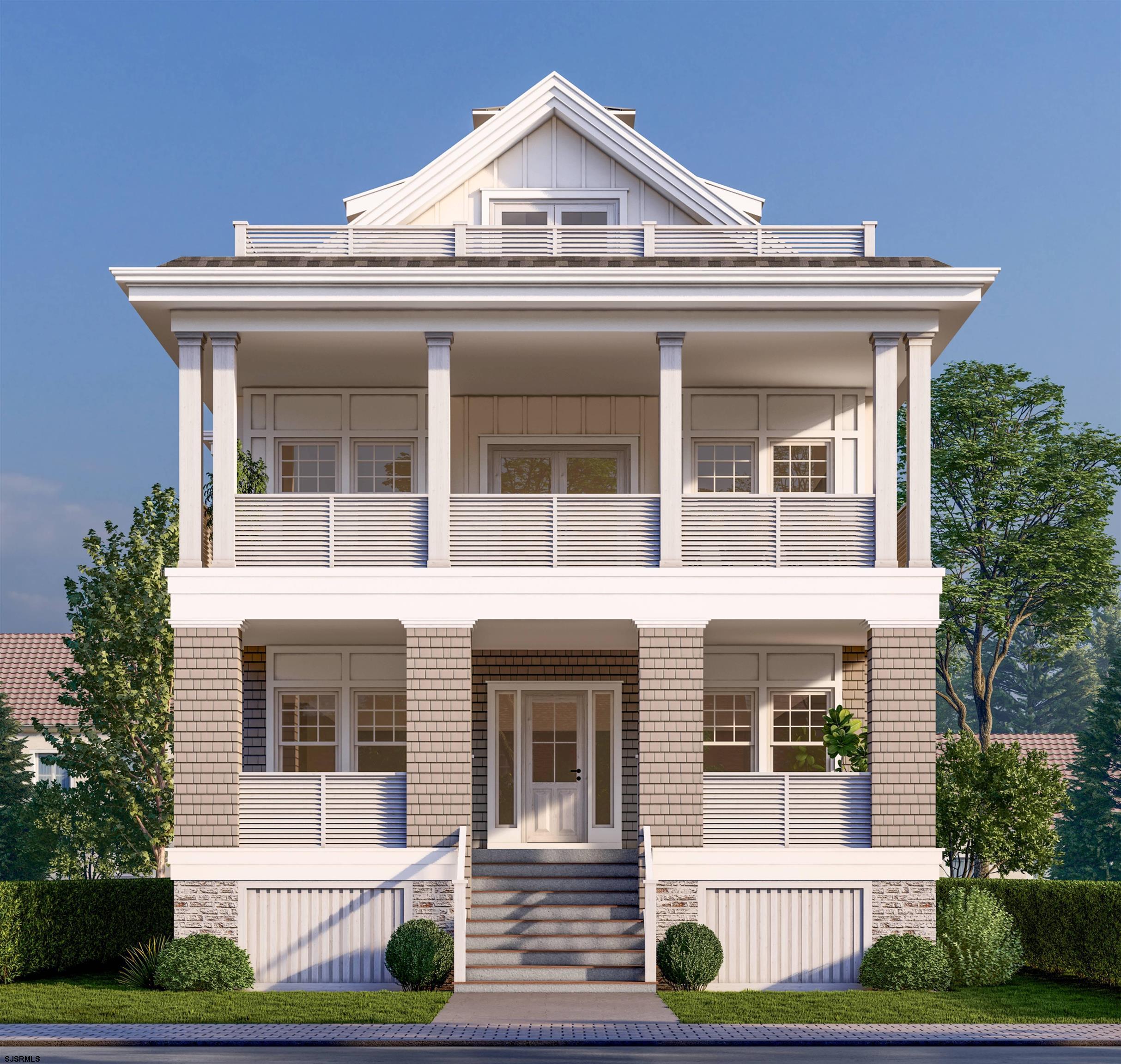
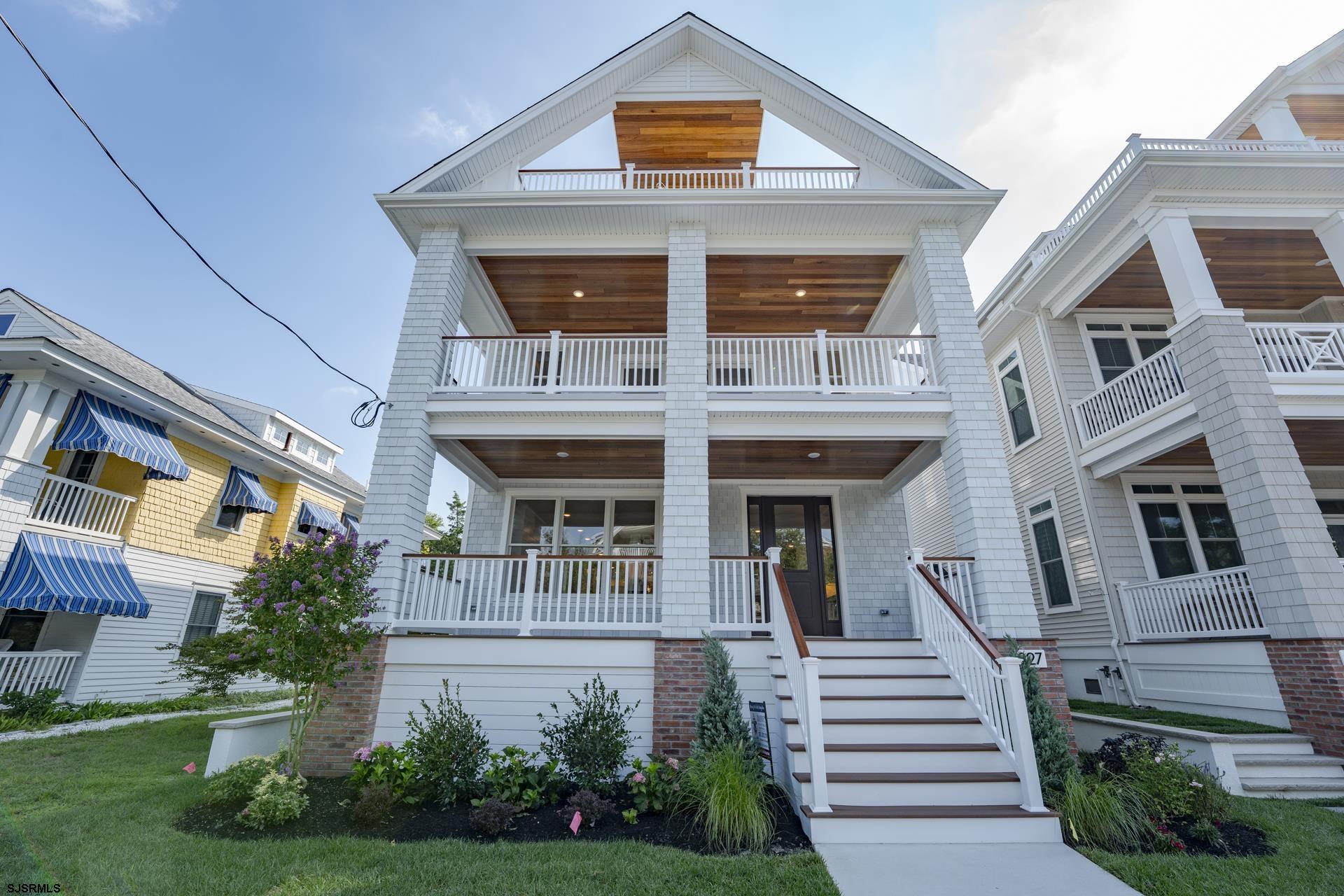
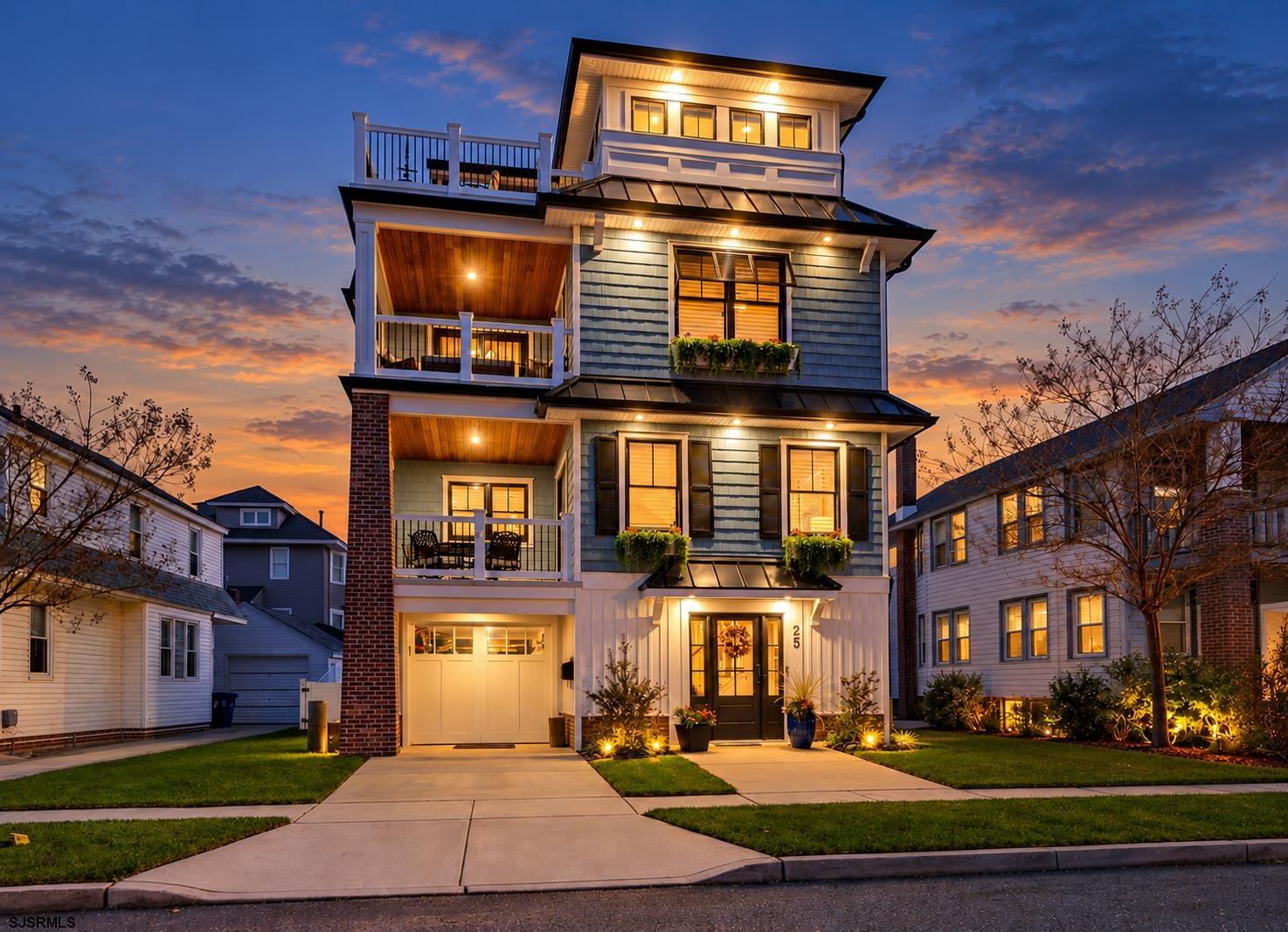
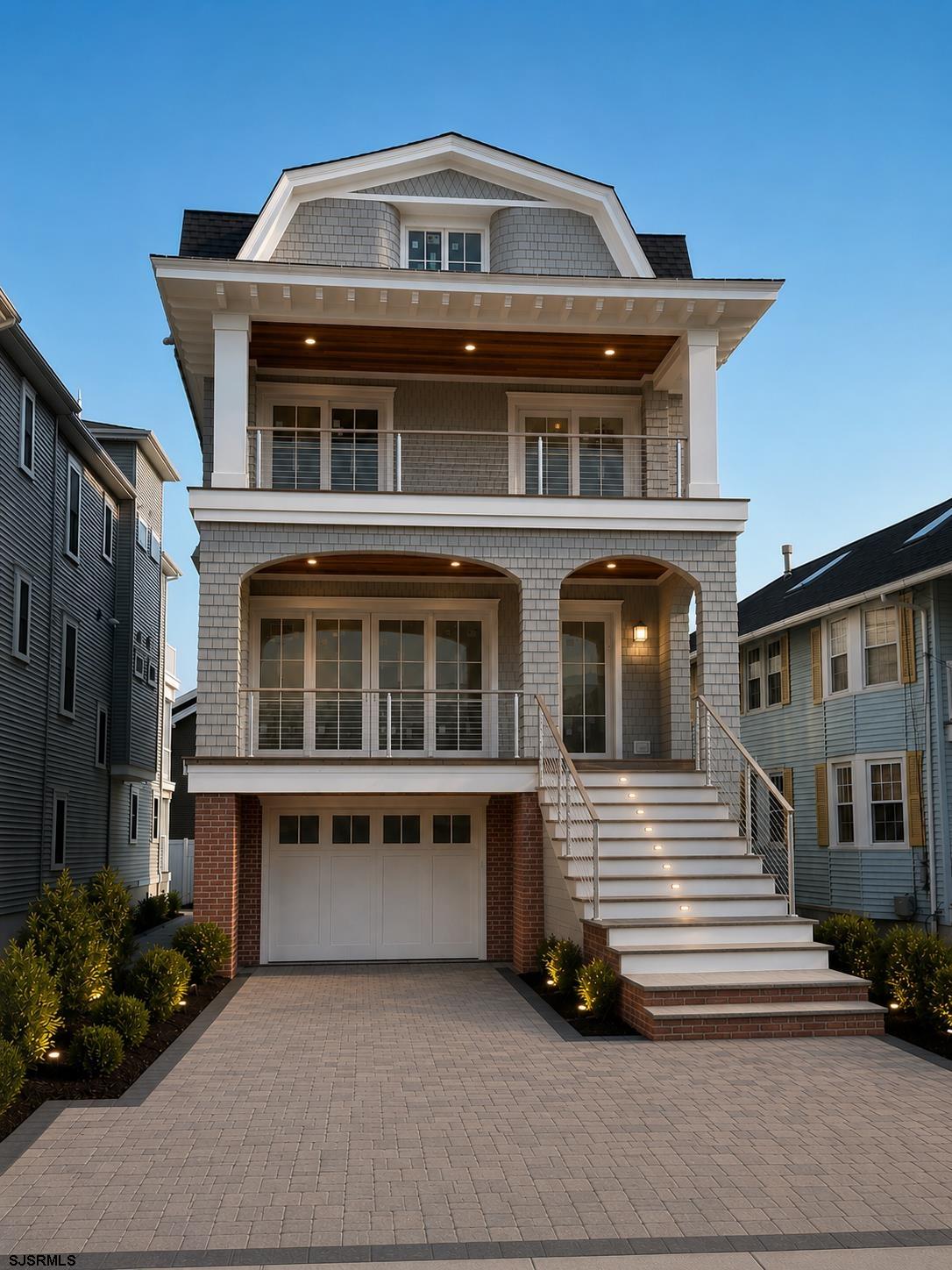
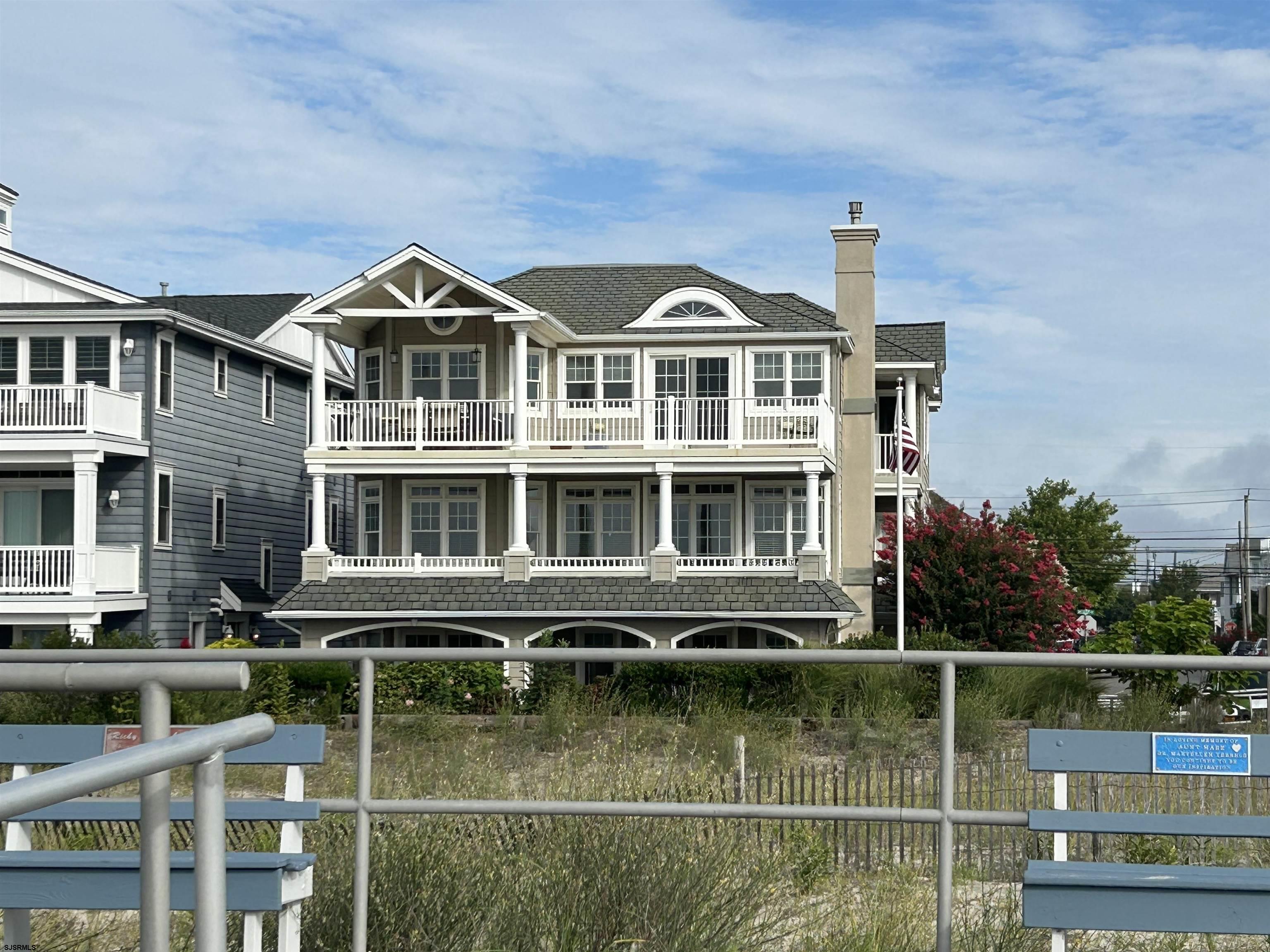
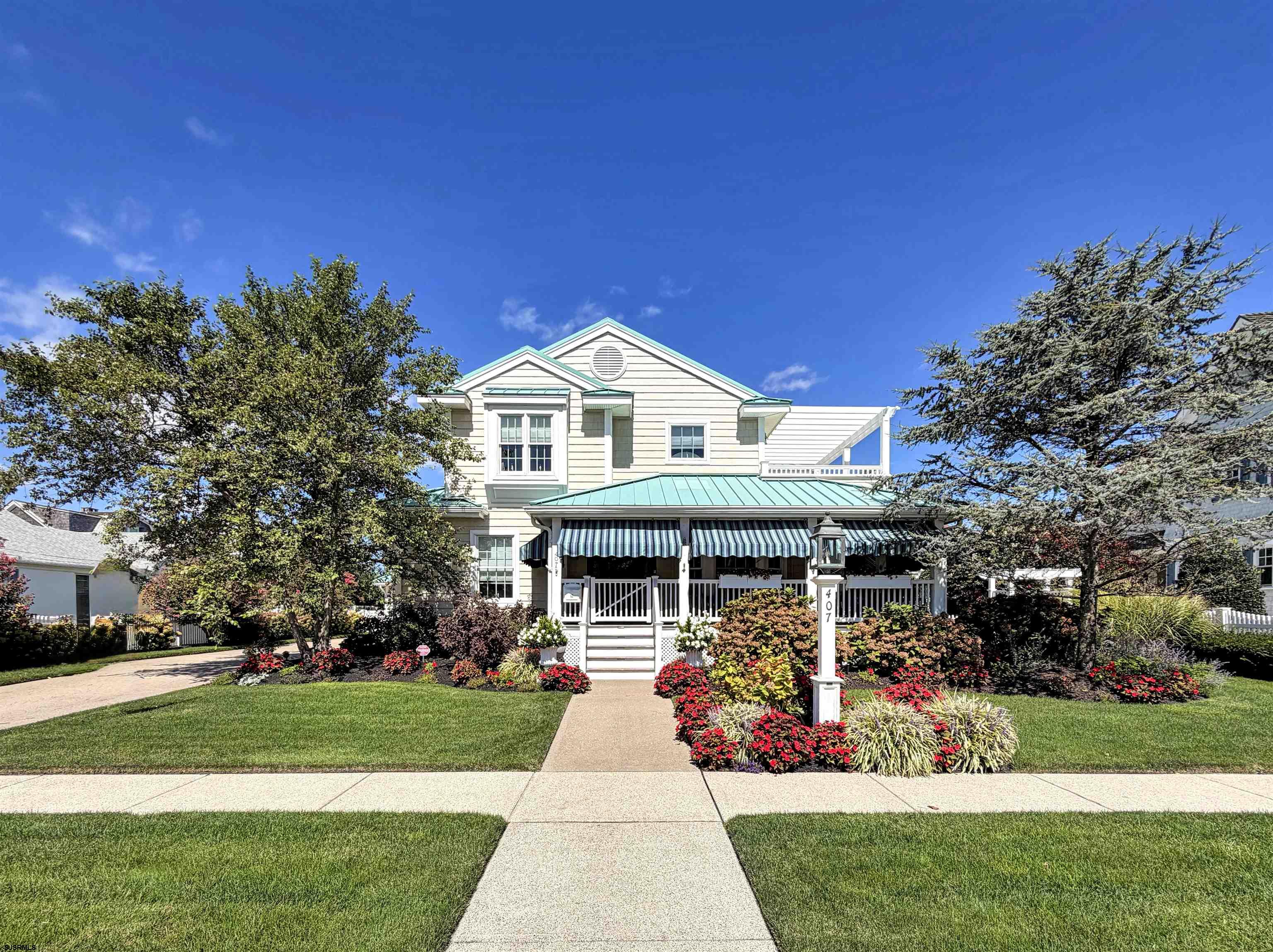
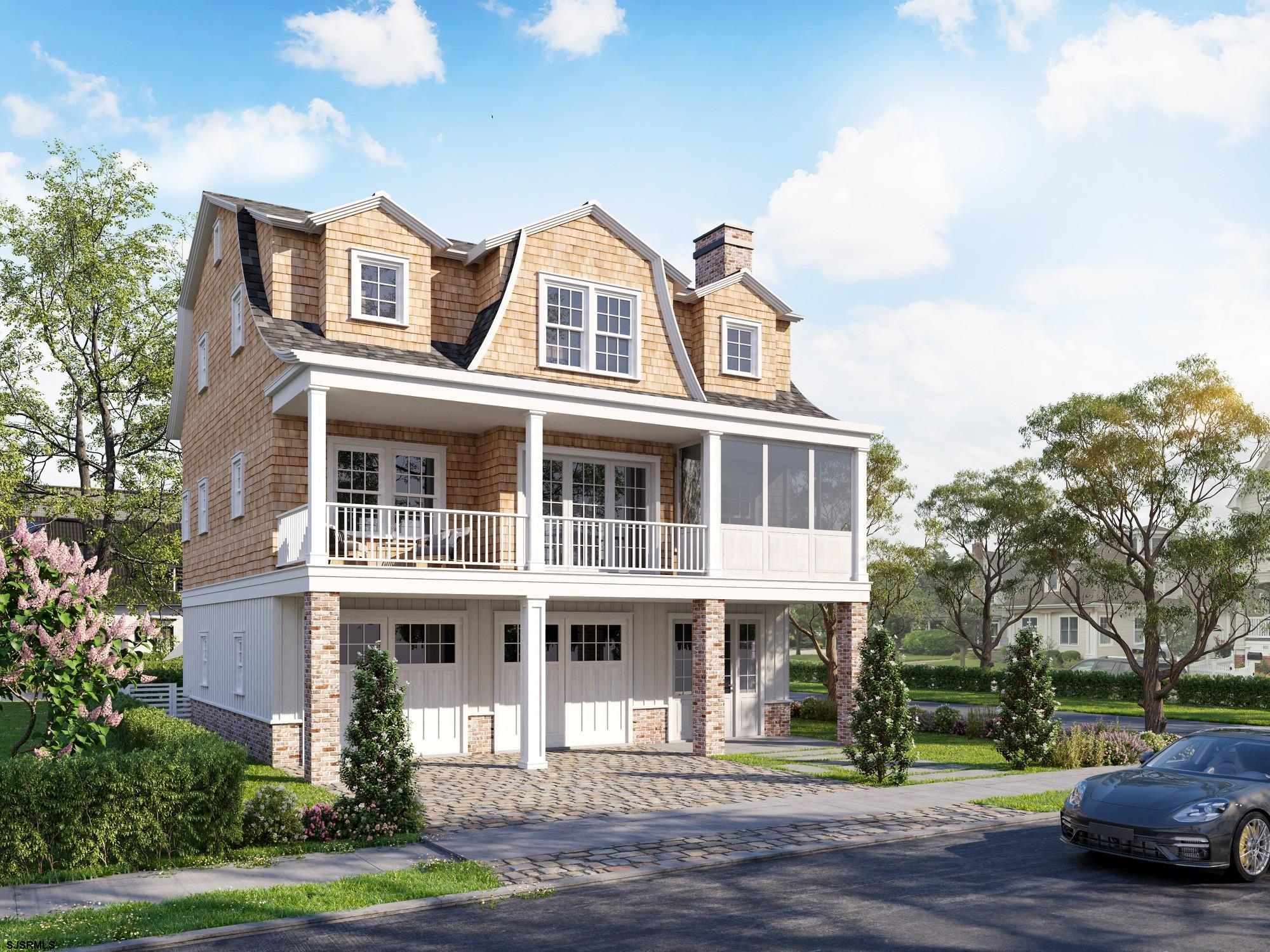
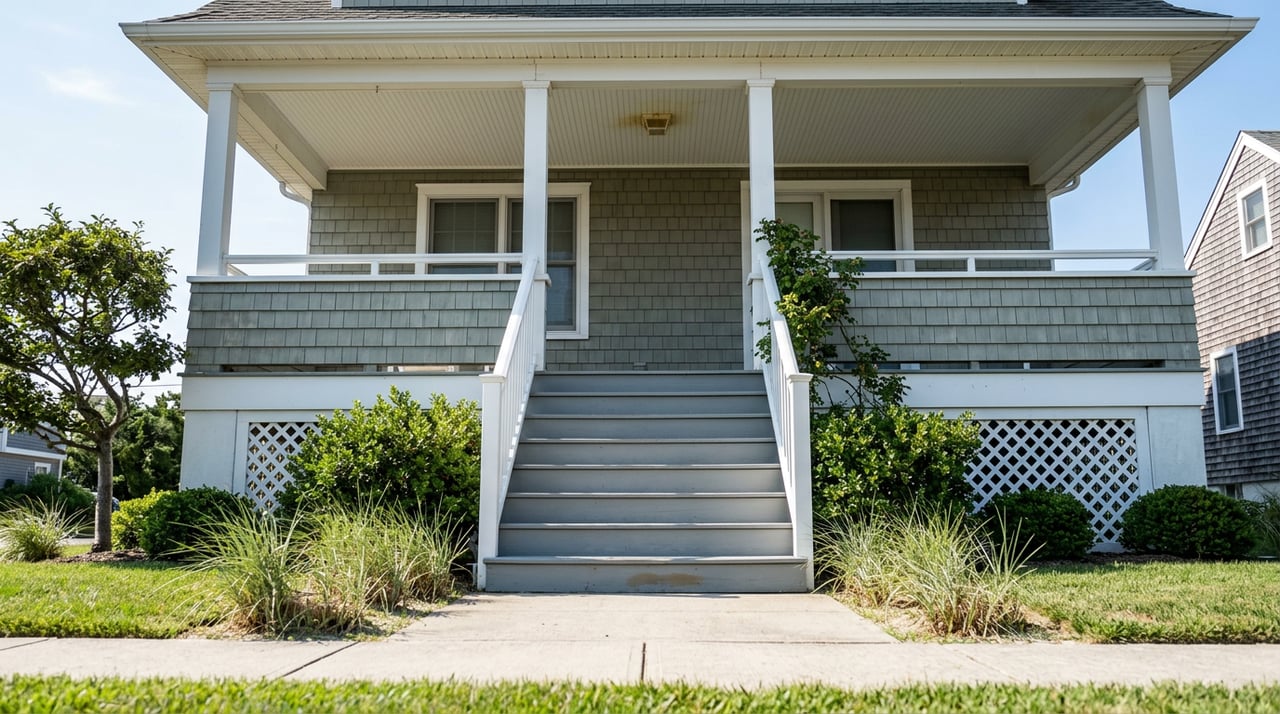
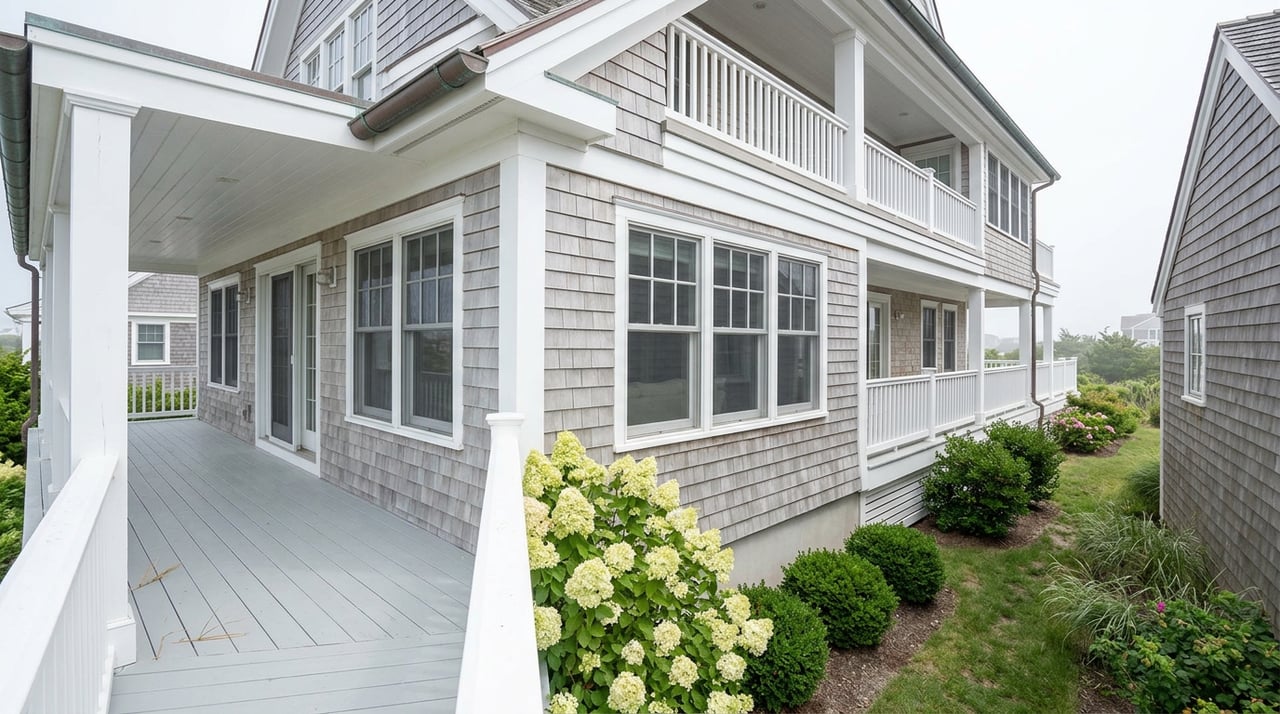
Architecturally, the island's development can be read like a geological record. The Historic District preserves Victorian-era cottages from the town's earliest decades, with their ornate woodwork and wraparound porches. Moving through the mid-century, the "Saltbox" style homes reflect the postwar boom in shore tourism. More recently, the island has seen a dramatic surge in large, multi-family duplex construction, with deep ocean-facing porches engineered to capture the sea breeze and floor plans designed to accommodate extended families and rental income simultaneously.
The strategic decision to lean into the "Greatest Family Resort" identity during the declining years of the Jersey Shore in the 1970s and 1980s proved to be extraordinarily prescient. While neighboring communities struggled with disinvestment and changing demographics, Ocean City's identity held, and it emerged from that period with its reputation not just intact but strengthened.
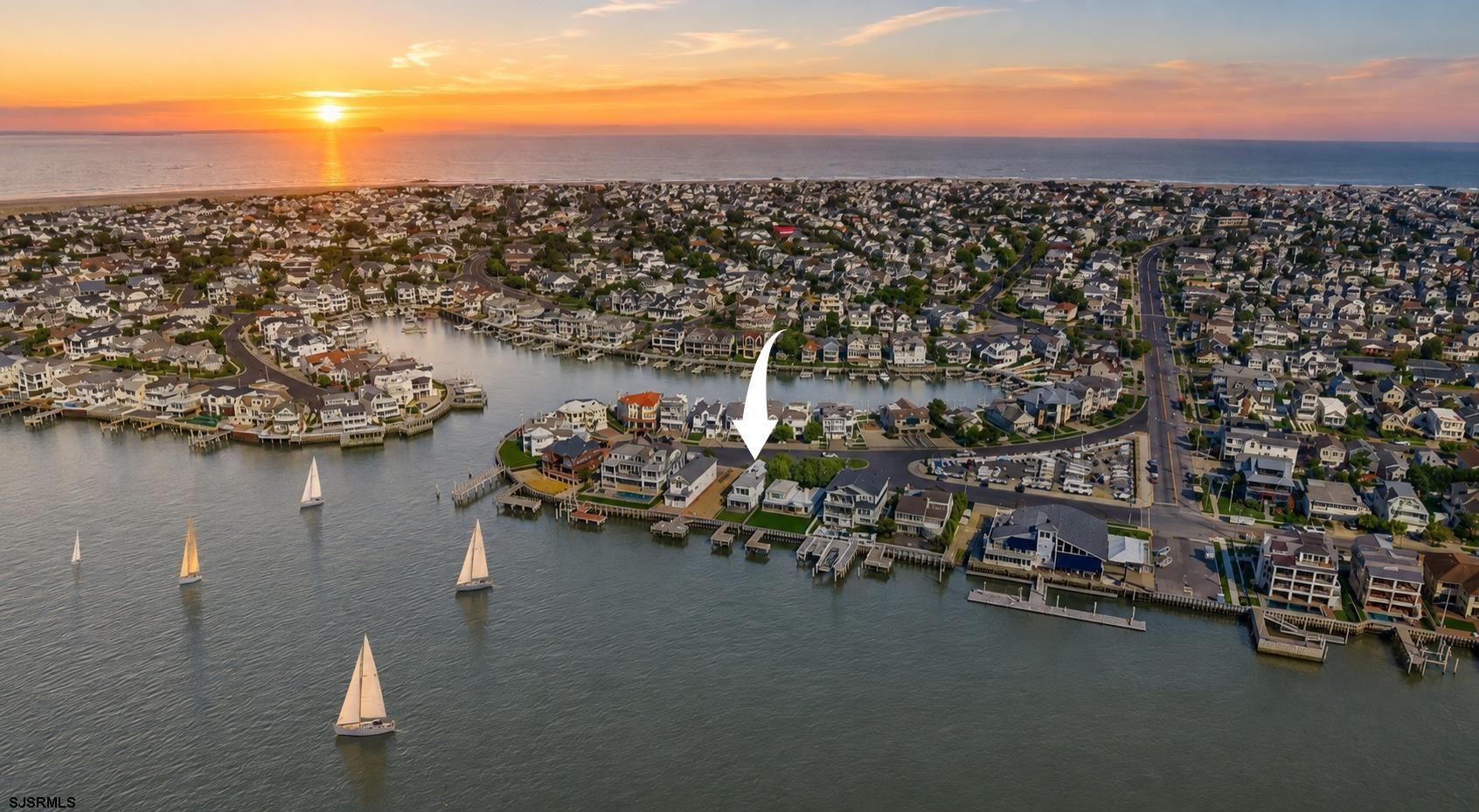
Ocean City is a barrier island in Cape May County, New Jersey, positioned roughly twenty minutes south of Atlantic City and about one hour southeast of Philadelphia. New York City is approximately two and a half hours to the north. The island runs approximately eight miles in length and is bounded on the east by the Atlantic Ocean, on the west by the Great Egg Harbor Bay and Peck Bay, on the north by the Great Egg Harbor Inlet separating it from Longport, and on the south by Corson's Inlet State Park, which serves as a natural buffer between Ocean City and the community of Strathmere.
The geography of the island is quintessentially barrier island: flat, narrow, and sea-level. Much of the land sits only a few feet above the waterline, which gives it its characteristic openness and the sense that the ocean and bay are always present on the periphery of your awareness. This flatness is also a practical consideration, as the island experiences what residents call "sunny day flooding" during particularly high tides, a phenomenon that anyone considering real estate here must understand and account for.
The surrounding natural environment is genuinely remarkable. Corson's Inlet State Park to the south preserves 341 acres of undeveloped primary and secondary sand dunes, offering a vivid and humbling picture of what this coastline looked like before development. The Great Egg Harbor Bay to the west is an ecologically rich estuary that supports birding, kayaking, and boating, and the bay's sunset views have become an increasingly prized feature of the western-facing properties.
The climate is humid subtropical, moderated significantly by the ocean. Summers are warm but rarely as oppressive as the mainland, thanks to consistent sea breezes. Winters are damp and chilly but milder than interior New Jersey, again due to the thermal buffering of the surrounding water.
As of early 2026, Ocean City's real estate market is one of the most resilient and demand-driven in the entire Northeast coastal corridor. It is firmly a seller's market, characterized by historically constrained inventory, sustained buyer interest, and price appreciation that has outpaced nearly every comparable shore community over the past five years.
The median sale price has reached approximately $1.4 million, reflecting year-over-year appreciation in the range of 7.7% to 11%, depending on property type and location. The cumulative appreciation over the last five years exceeds 50%, a figure that underscores how profoundly the pandemic-era migration toward quality-of-life destinations transformed the Ocean City market. Active inventory at any given time currently hovers between 200 and 300 listings, a fraction of the 800-plus listings that would characterize a balanced market on an island of this size and housing density.
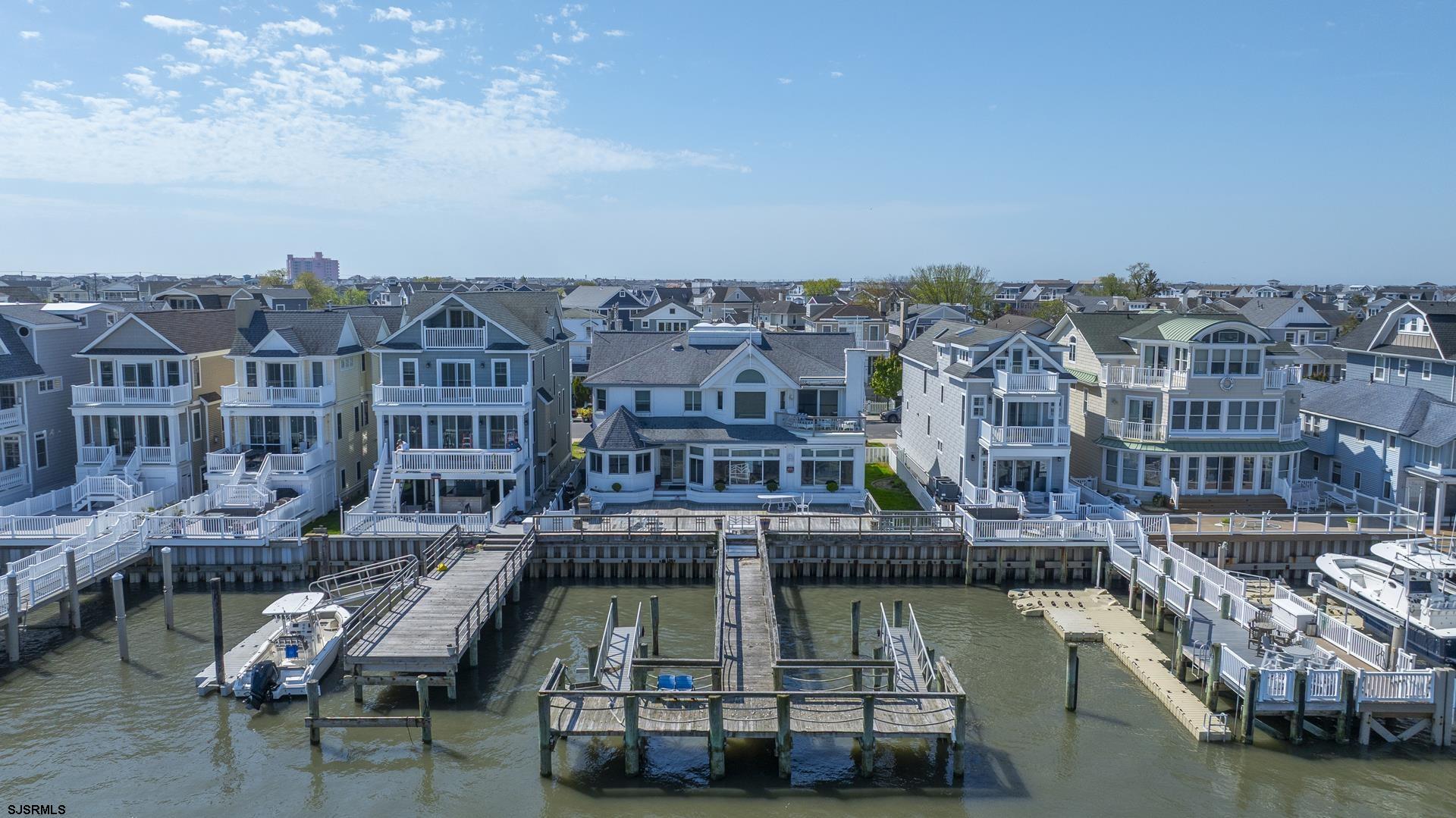
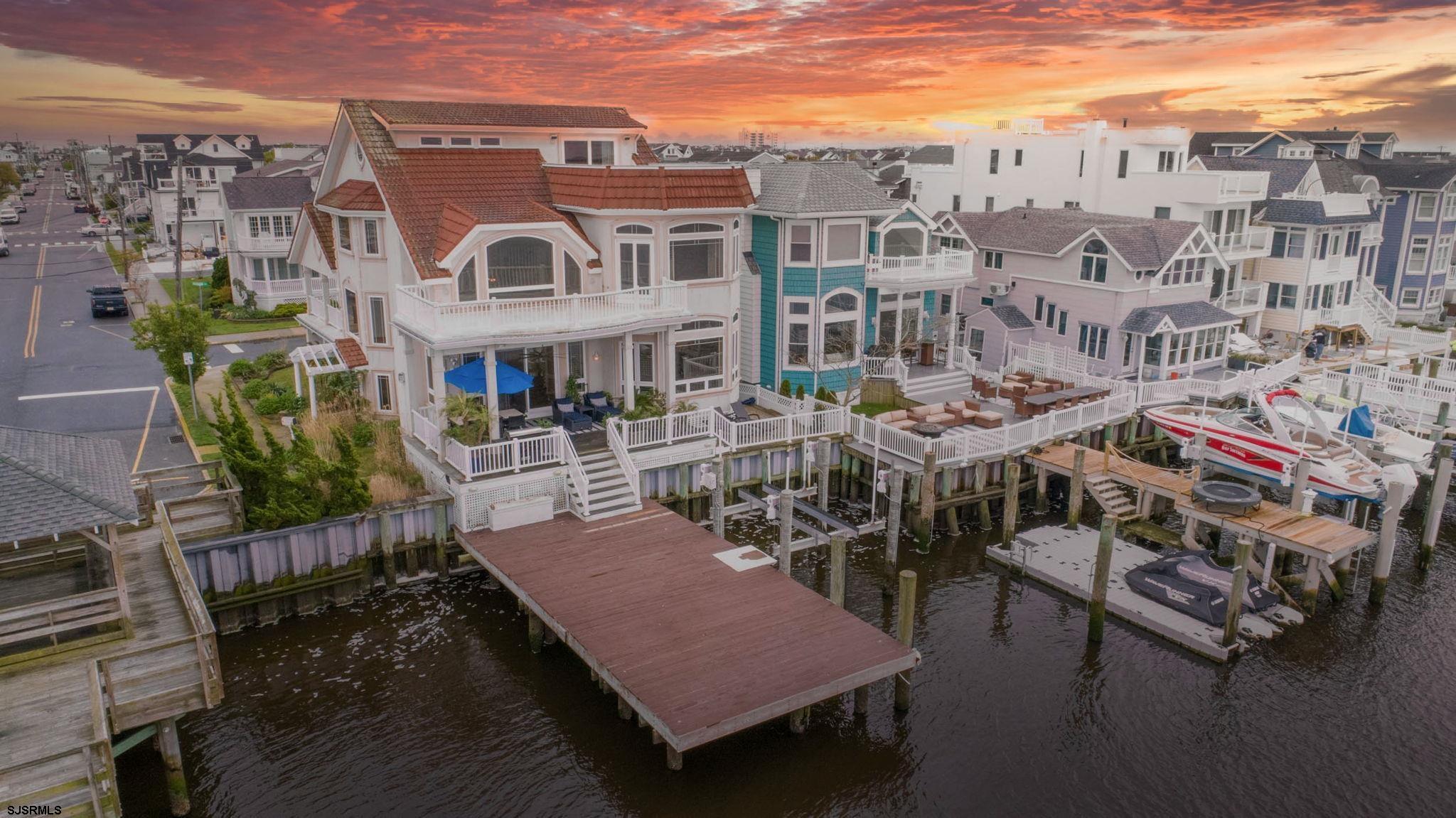
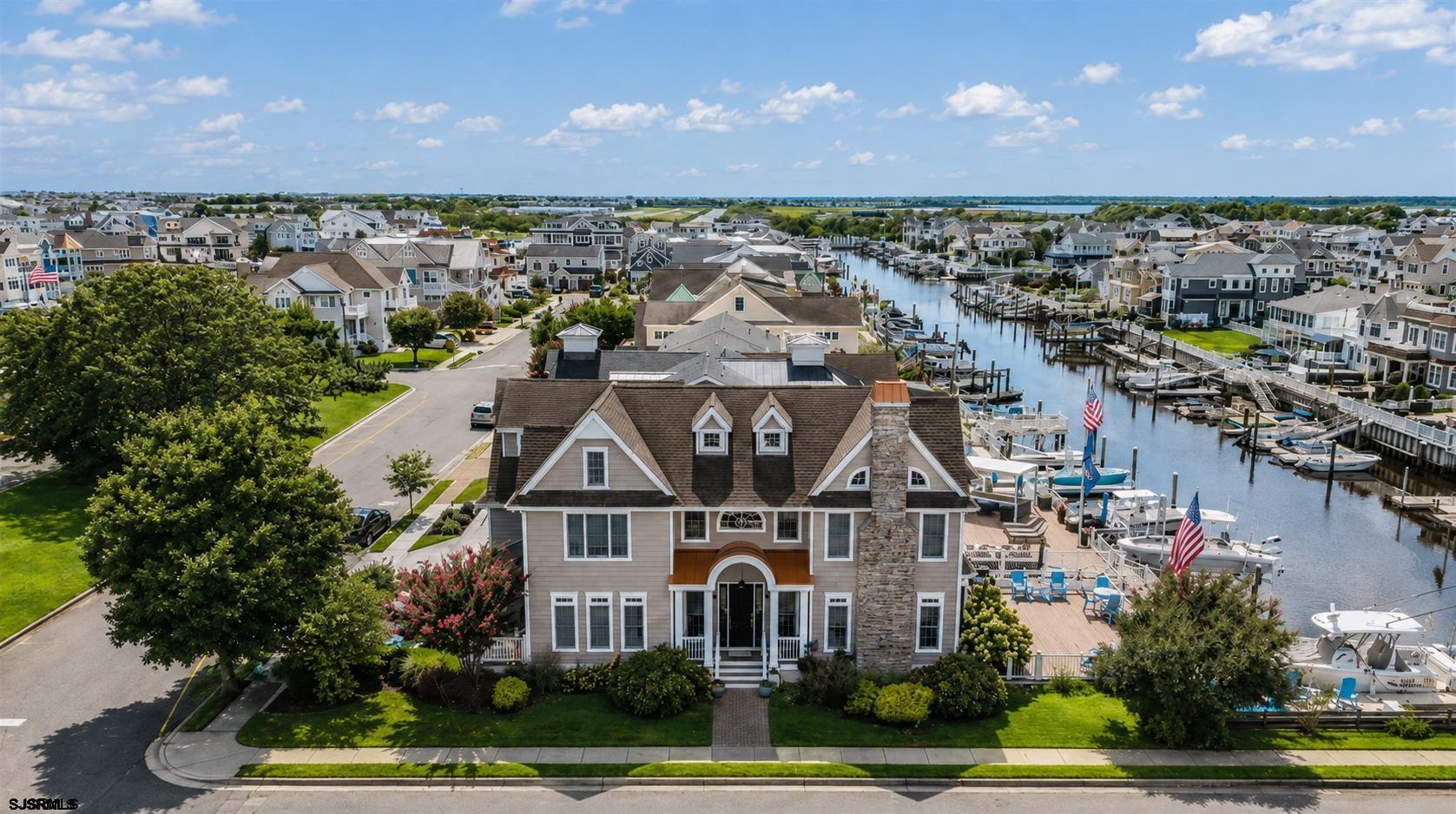
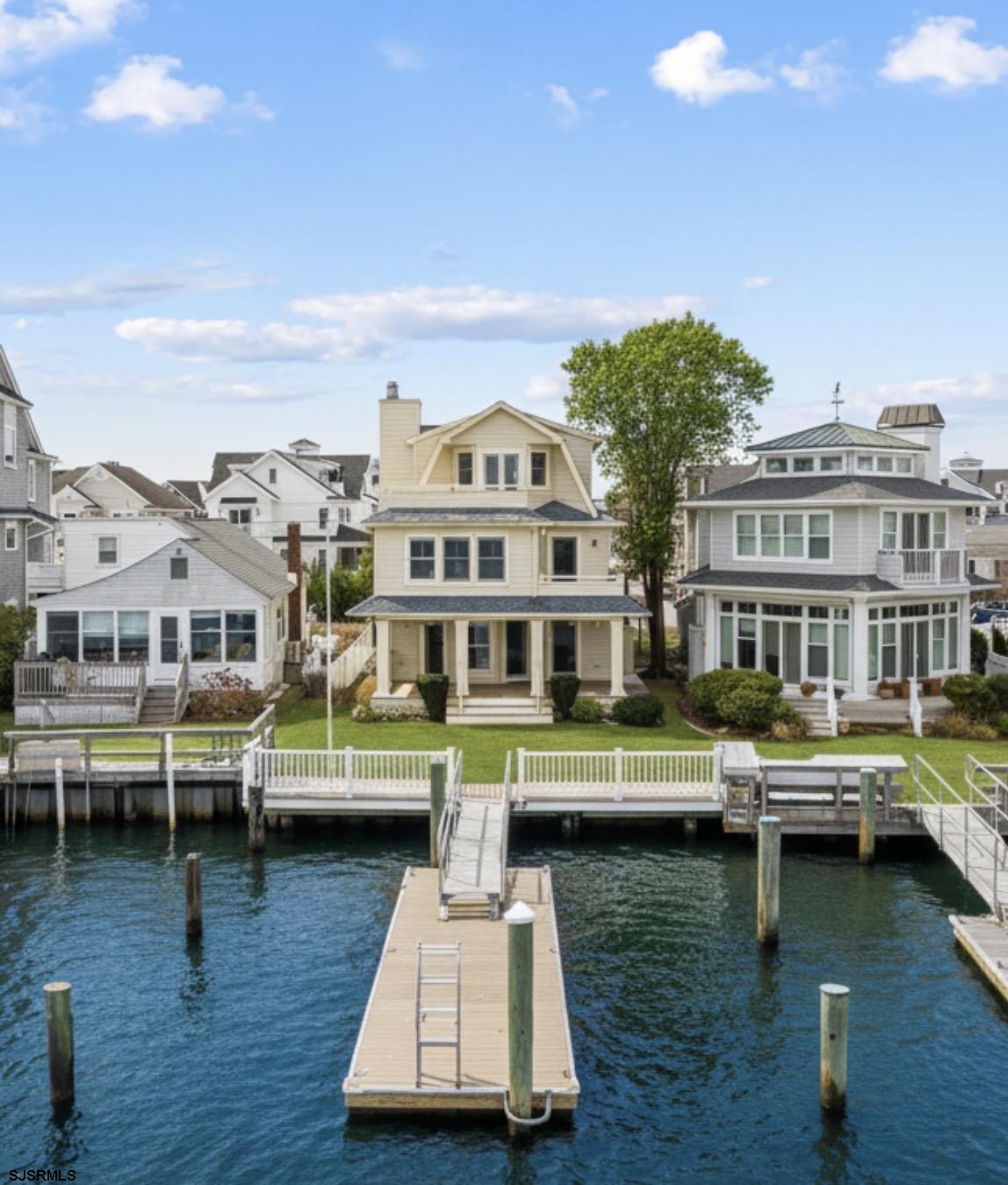
One of the more notable dynamics of 2025 and 2026 has been the outperformance of bayfront properties relative to beachfront. Buyers have increasingly prioritized boating access, unobstructed sunset views, and the lifestyle associated with the western waterfront, driving bayfront price growth at a rate that has surprised even experienced local agents. This represents a maturation of buyer preferences, moving beyond the traditional premium attached purely to ocean proximity.
Days on market currently average 50 to 60 days across the broader inventory, but this figure is distorted by legacy listings that are either over-priced or require significant renovation. Well-priced, move-in-ready, or new construction properties frequently go under contract within 7 to 10 days, often through "highest and best" offer processes. For buyers, this means preparation, pre-approval, and decisiveness are non-negotiable. For sellers, pricing strategy and timing are everything in a market where the effective selling window for maximum value aligns with the spring market, which in Ocean City begins in January and February, not April.
Because Ocean City is a fully built-out barrier island with no undeveloped land remaining for large-scale subdivision, the housing stock is diverse but finite. Understanding the distinctions between property types is essential for both buyers and investors.
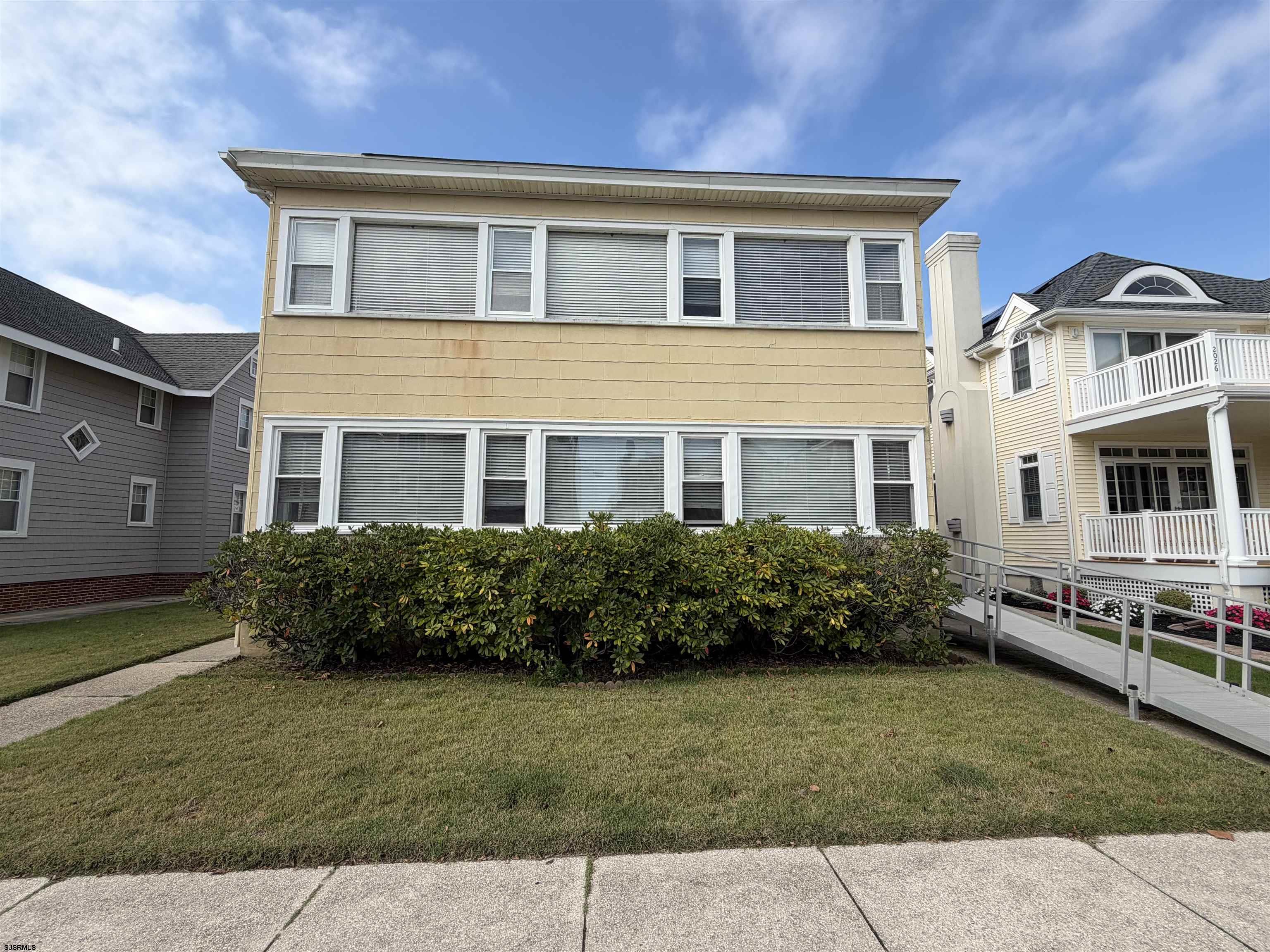
Duplexes and condominiums represent the most common property type on the island. Typically configured as a first-floor and second-floor unit within a single structure, these properties serve double duty as owner-occupied vacation homes and income-generating summer rentals. Pricing generally falls in the range of $600,000 to $2.5 million depending on location, proximity to the beach, and renovation quality.
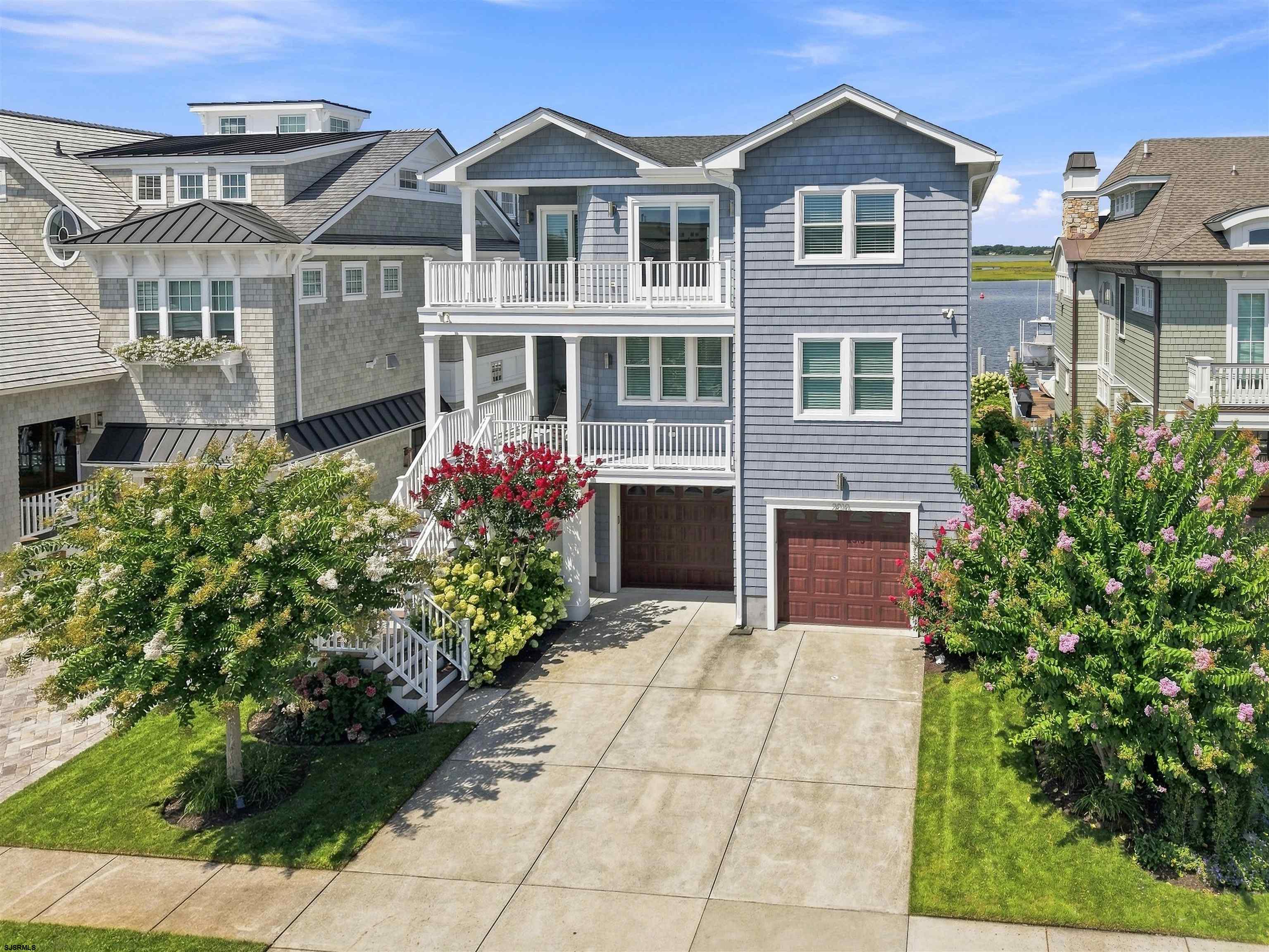
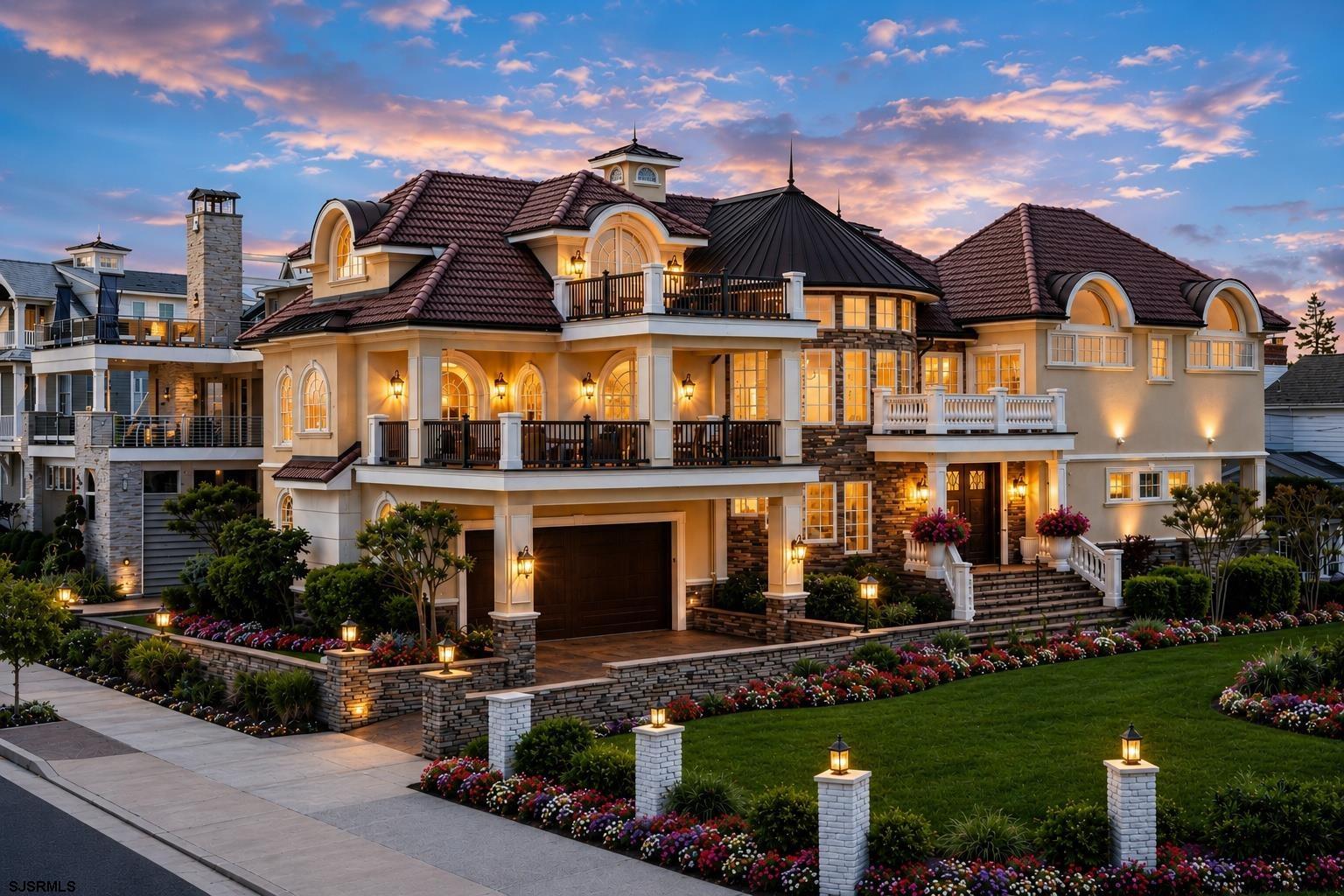
Single-family homes, while less prevalent, are concentrated in the "Gardens" on the north end and the "Riviera" along the bayfront. These properties offer greater privacy and frequently include private pools, dedicated garages, and in waterfront cases, private docks and boat slips. The price range is correspondingly wide, from approximately $1.2 million to well over $10 million for trophy bayfront estates.
Townhomes are particularly common near the lagoon systems and the bayfront. Their multi-level configuration makes efficient use of narrow island lots, and their layouts tend to appeal to year-round residents who want the feel of a single-family home at a more accessible price point, typically between $800,000 and $3 million.
Beachfront and bayfront properties at the premium tier are the island's trophy assets. Direct beachfront homes with boardwalk access and bayfront properties with riparian rights and boat slips regularly transact between $4 million and $12 million or more. These are generational assets that trade infrequently and appreciate reliably.
For buyers seeking entry-level participation in the Ocean City market, studio and efficiency units in older buildings or hotel-condo conversions near the boardwalk remain available in the $175,000 to $400,000 range, though these require careful due diligence regarding HOA health and rental income potential.
On the rental income side, a three-bedroom condo in good condition can command between $3,000 and $6,000 per week during the peak summer season, making Ocean City one of the stronger short-term rental markets in New Jersey.
Buying in Ocean City is a materially different exercise than purchasing in a conventional suburban or even typical coastal market. The island's finite geography, regulatory environment, and natural hazard profile introduce a set of considerations that require careful attention before any commitment is made.
Flood zone status is the most consequential of these. The vast majority of the island falls within a Special Flood Hazard Area as designated by FEMA, and New Jersey law now mandates comprehensive flood disclosures as part of any residential transaction. Buyers must evaluate the Base Flood Elevation of any property they are considering, because FEMA's "substantial improvement" rule creates a significant financial exposure: if you renovate more than 50% of a home's assessed value, the entire structure may be required to be elevated to current BFE standards, a process that can cost between $15,000 and $30,000 or more, often before any cosmetic renovation begins.
The "dry" town dynamic is both an asset and a planning consideration. The absence of bars and nightlife keeps the residential environment quieter and more family-oriented, which drives demand for homes with exceptional outdoor entertaining spaces. Buyers should evaluate properties with this in mind, prioritizing decks, screened porches, and outdoor kitchen infrastructure as features that directly translate to lifestyle value and rental desirability.
Parking is perhaps the island's single scarcest resource. Properties with deeded off-street parking or built-in "underslung" garages command a meaningful premium, and that premium is justified by the practical misery of relying on street parking during the summer months when the island's population swells dramatically. Buyers who overlook this consideration often regret it.
For condominium and duplex purchasers, HOA financial health deserves the same scrutiny as the physical condition of the property itself. Requesting and reviewing the reserve study before making an offer is not optional; it is essential. In 2026, buyers are increasingly alert to the risk of special assessments for deferred maintenance on roofs, decks, and exterior systems.
Finally, market speed demands a posture of readiness. Despite higher interest rates relative to the historic lows of 2020 and 2021, the persistent inventory shortage means that well-priced properties still move quickly. Buyers who arrive without pre-approval letters and a clear understanding of their own decision criteria routinely lose out to better-prepared competitors.
Selling in Ocean City's current market is an exercise in strategic precision. The conditions favor sellers in terms of pricing power, but capturing maximum value requires understanding the market's rhythms and the evolving expectations of its buyer pool.
The most important timing insight is that the effective spring market in Ocean City begins in January and February. Serious buyers, particularly those targeting investment properties or vacation homes they intend to use beginning at Memorial Day, want to be under contract by March and closed well before the summer season opens. Sellers who list in June or July have effectively missed the primary buying window for that calendar year.
A significant regulatory development as of January 1, 2026 is the implementation of a 3% city occupancy tax on short-term rentals. For sellers of investment properties, this changes the pro-forma rental income calculations that buyers will use to evaluate value. Sellers should proactively model how this tax affects net rental income and be prepared to present realistic adjusted figures rather than allowing buyers to discover the impact independently during due diligence.
On the presentation side, the "all-white coastal" aesthetic that dominated Ocean City interiors for the past decade is giving way to what the market is calling "coastal warmth," a design direction characterized by natural wood textures, warm neutrals, arched architectural details, and dedicated home office spaces that appeal to the hybrid-work professional buyer. Sellers willing to invest in targeted updates aligned with this direction will find a meaningful return.
For value-add investments, outdoor living spaces deliver stronger ROI than interior kitchen renovations in this particular market. Decks with retractable awnings, well-designed outdoor dining areas, and outdoor kitchens resonate powerfully with both lifestyle buyers and rental income investors. The addition of a Level 2 EV charging station in a garage is now considered a standard expectation among luxury buyers rather than a differentiating amenity.
Demographically, the average Ocean City buyer is trending older, with a significant concentration in the late-50s age range. Sellers of properties that offer or could offer accessibility features, including first-floor master suites, elevator access, or step-free entries, should highlight these attributes explicitly, as they meaningfully expand the potential buyer pool.
Ocean City's "dry" status has shaped its food scene in ways that are genuinely distinctive. Without bars anchoring the social calendar, the dining and snacking culture is centered on the boardwalk, the beach, and a collection of locally-owned restaurants along Asbury Avenue that serve a community of residents and visitors who have come to expect quality without pretension.
The boardwalk is the emotional and cultural center of Ocean City's food identity. Manco & Manco Pizza is the institution against which all other shore pizza is measured in this part of New Jersey, known for its thin-crust, open-air slices that taste unaccountably better with salt air and the sound of the ocean in the background. Johnson's Popcorn and Shriver's Salt Water Taffy are not simply snacks; they are rituals, part of the choreography of any proper Ocean City visit. Brown's Restaurant on the North End has built a devoted following around its fresh-made donuts, served warm, and the line that forms outside before the rest of the boardwalk is even awake speaks to the depth of that devotion.
For more considered dining, Jon & Patty's Coffee Bar & Bistro on Asbury Avenue represents the kind of creative, ingredient-focused American cooking that has become the anchor of the island's year-round food culture. Sand House Kitchen occupies a singular position as the only restaurant on the island situated directly on the beach, a distinction that makes its unobstructed ocean views as much a part of the dining experience as anything on the menu.
The absence of alcohol within the city limits does not mean visitors go without. Ocean City's neighboring communities fill that role efficiently. Somers Point, just across the 9th Street Bridge, offers a full range of bars and BYOB-friendly restaurants that serve as the primary destination for those seeking traditional nightlife. Atlantic City, twenty minutes north, provides a broader and more varied entertainment landscape for those who want it.
Evening entertainment that does not require alcohol is centered on the Music Pier, which hosts the Ocean City Pops and a rotating calendar of concerts, community events, and performances throughout the season. It functions as the town square of Ocean City's cultural life in a way that no single venue does in most comparable communities.
Ocean City has made a deliberate civic choice to resist the homogenizing pull of big-box retail, and the result is a shopping landscape that reflects the character of the community rather than the economics of chain store leasing. The island's commercial corridors are populated almost entirely by independent businesses, and that independence gives the shopping experience a texture and authenticity that is increasingly rare in American resort towns.
Downtown Asbury Avenue, running roughly from 6th to 14th Street, is the island's premier shopping district, with more than 100 independent boutiques concentrated in a walkable stretch that rewards slow browsing. 7th Street Surf Shop is a local institution for surf and beach gear, carrying the kind of curated selection that reflects genuine surf culture rather than mass-market approximations of it. Bowfish Kids has carved out a loyal following with its eco-conscious approach to children's clothing and accessories. B&B Department Store has served generations of Ocean City visitors with classic resort wear and has the institutional presence that only comes from decades of consistent service to a community that values continuity.
The boardwalk's retail mix leans toward souvenir shops, surf apparel, and locally made goods, including jewelry and ocean-themed home decor that functions as genuine artisan work rather than mass-produced kitsch. For visitors looking to bring something home that actually reflects the place, the boardwalk boutiques are worth the time.
For everyday essentials, the island has two ACME Markets locations serving as the primary grocery infrastructure, at 8th & West and 34th & Simpson. For higher-quality prepared foods and specialty items, Boyar's Food Market is the local standard for deli and beach lunches, while Spadafora's Seafood Market is where residents go for fresh local catch to prepare at home. For larger retail needs or brand-name department stores, Hamilton Mall in Mays Landing and the Tanger Outlets in Atlantic City are both accessible within fifteen minutes.
For an island whose primary identity is beach and boardwalk, Ocean City offers a surprisingly rich and ecologically varied recreational landscape that extends well beyond the shoreline itself.
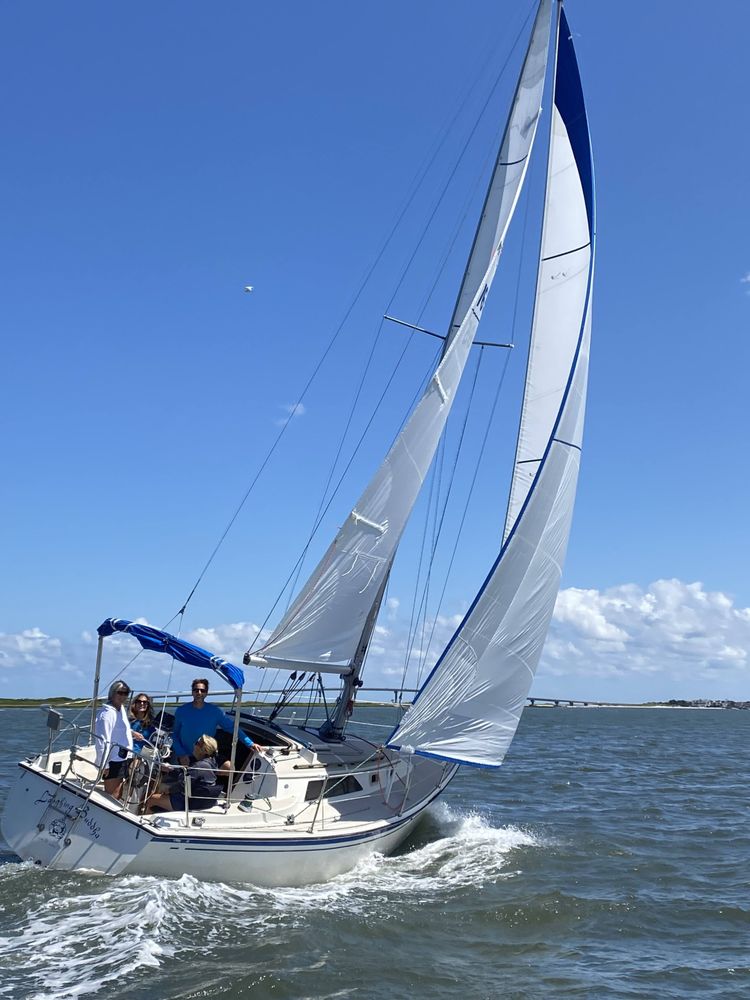
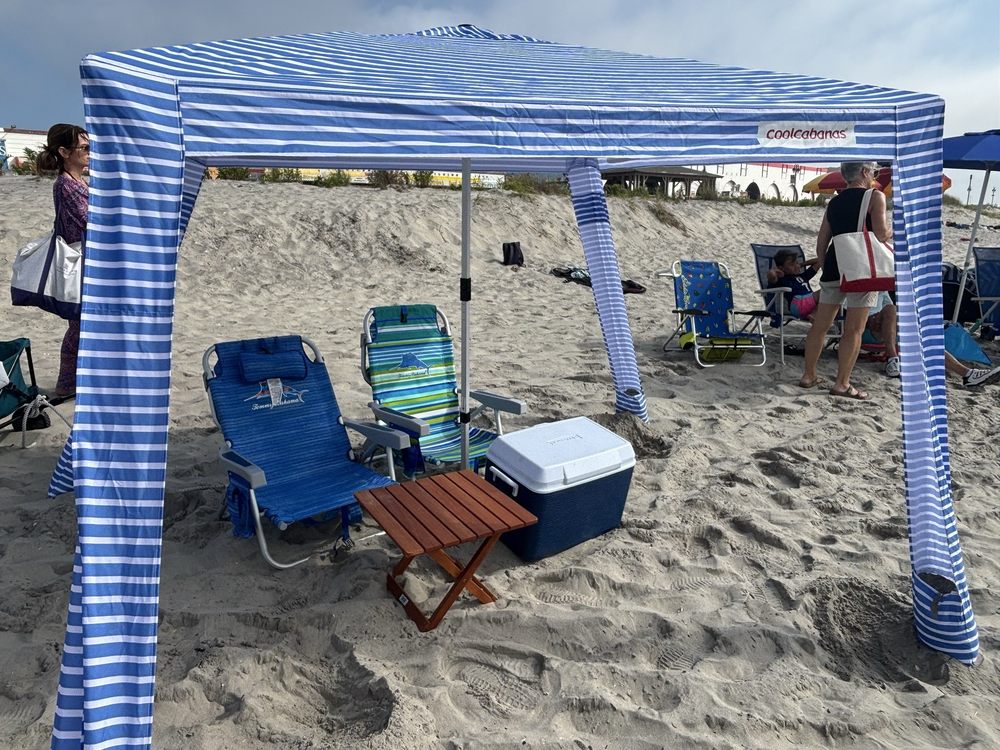
The eight miles of life-guarded Atlantic beaches are the foundational amenity. They are well-maintained, well-patrolled, and organized in a way that balances the needs of families, surfers, and swimmers without the overcrowding that characterizes less managed beach communities. For those seeking solitude beyond the main beach footprint, Corson's Inlet State Park at the southern tip of the island preserves 341 acres of undeveloped dune ecosystem with hiking trails, boat launches, and kayak access to the marine estuaries. It is one of the few places on the developed Jersey Shore where you can experience the landscape in something close to its pre-colonial state.
The Howard Stainton Wildlife Refuge at Bay Avenue and 25th Street is one of the island's best-kept secrets, a freshwater marsh with an observation tower that draws serious birders for sightings of endangered Least Terns, Black Skimmers, and migrating ospreys. Its existence in the middle of a developed barrier island is remarkable, and it speaks to the conservation ethic that has coexisted with Ocean City's development history.
Family recreation is well-served by Sandcastle Park at 34th Street, the island's flagship playground with substantial wooden structures that go well beyond the typical suburban park in scale and imagination. The 8th Street Recreation Facility provides basketball, tennis, and street hockey courts that anchor the athletic life of the year-round residential community.
The Ocean City Municipal Golf Course at 26th Street and Bay Avenue is a twelve-hole, par-37 executive course set in the bay meadows, affordable and accessible, and one of the few golf experiences in New Jersey where you can play with bay views throughout. The Crook Horn Creek Nature Trail through the salt marshes and the pedestrian and cycling path on the 9th Street Bridge Causeway, with its panoramic sunset views over the Great Egg Harbor Bay, round out a recreational menu that is genuinely diverse for an island of this size.
The culture of Ocean City is built on a foundation of tradition, and the depth of that tradition is what distinguishes it from communities that merely have a "vibe." The traditions here are documented, scheduled, and attended by people whose grandparents attended them before them, and that intergenerational continuity gives Ocean City a cultural gravity that most resort communities simply do not possess.
Night in Venice, held annually in late July, is one of the largest boat parades in the world. Bayfront homeowners decorate their properties and vessels according to a coordinated theme, and the celebration draws thousands of spectators to the harbor for an evening that functions as Ocean City's version of a civic festival. The Baby Parade, now in its 116th year and held in mid-August, is one of the oldest continuous traditions in the United States, a procession of elaborately decorated strollers and floats that has been part of the island's summer calendar since the nineteenth century. The Business Person's Plunge, in which locals dressed in full business attire march ceremonially into the Atlantic Ocean to "open" the summer season, is the kind of playful, self-aware tradition that tells you a great deal about a community's relationship with its own identity.
The "dry" culture that defines Ocean City's social contract is not experienced as a deprivation by the community that has organized itself around it. It is experienced as a set of conditions that naturally orient social life toward certain activities: backyard entertaining, boardwalk evenings, family dinners, concerts at the Music Pier, and the kind of lingering, unhurried beach days that require no particular agenda. The lifestyle is one of deliberate pleasantness, and for the families who have built their summers around it, it is irreplaceable.
Off-season, the island reveals another dimension of itself. From October through April, the pace slows and the year-round community emerges as its own distinct social ecosystem. Events like the Spring Block Party in early May and the OC Con comic book show at the Music Pier reflect a community that knows how to entertain itself when the summer crowds have gone home.
Ocean City's public school system is widely regarded as the strongest in Cape May County, and by many measures it is competitive with the best suburban districts in southern New Jersey. For families considering the island as a primary or year-round residence, the quality of the schools is a meaningful asset that is not always fully appreciated by buyers focused primarily on the beach and boardwalk experience.
The Ocean City School District operates three schools in a campus-like configuration between 5th and 6th Streets. Ocean City Primary serves pre-kindergarten through third grade with a mandated NJDOE preschool program capped at 15 students per class, a ratio that reflects a genuine commitment to early childhood instruction rather than simply meeting minimum requirements. Ocean City Intermediate serves grades four through eight with a student-to-teacher ratio of approximately 11:1, creating conditions for individualized attention and strong extracurricular participation.
Ocean City High School is the district's flagship institution and holds the designation of a Blue Ribbon School, one of the most competitive recognitions in American public education. It serves students from Ocean City, Upper Township, Sea Isle City, and Corbin City, giving it a student body that is both locally rooted and regionally drawn. The school offers more than 200 courses, including 24 Advanced Placement classes, a dedicated American Sign Language lab, and a robust STEM curriculum. Its participation in New Jersey's Interdistrict Public School Choice Program allows high-performing students from outside the district to apply for specialized academic tracks, which speaks to the school's reputation beyond its immediate catchment area.
For post-secondary education, Stockton University in Galloway is approximately 25 minutes away and serves as the primary regional university destination for Ocean City graduates. Atlantic Cape Community College's nearby campus in Mays Landing provides accessible pathways to associate degrees and technical certifications.
Ocean City is served by a straightforward transportation infrastructure organized around its two bridge connections to the mainland. The 9th Street Bridge on the Route 52 Causeway is the island's primary artery, linking it directly to Somers Point and providing access to Exit 30 of the Garden State Parkway. This is the route most visitors take and the connection that positions Ocean City within easy reach of Philadelphia, the Delaware Valley, and the broader Northeast corridor. The 34th Street Bridge at the island's southern end connects to Marmora and Exit 25 of the Parkway, providing a useful alternative for residents in the southern portion of the island and reducing congestion during peak summer arrival and departure periods.
By car, the island's proximity to major population centers is one of its defining advantages as a real estate market. Philadelphia is approximately one hour away via the Atlantic City Expressway. Atlantic City is twenty minutes north via Route 9 or the Parkway. New York City is reachable in approximately two and a half hours under favorable conditions.
Public transportation is available but seasonal in its full utility. NJ Transit operates bus service from the Ocean City Transportation Center at 945 Haven Avenue, with Route 507 connecting to Atlantic City and Route 551 extending the connection from Atlantic City to Philadelphia's 30th Street Station. For train access, the Atlantic City Rail Line, accessible from Absecon or Atlantic City, provides a direct connection to Philadelphia without requiring a car. During the summer, the city operates a beach bus shuttle service along the main corridors, a practical measure that reduces boardwalk parking pressure during the months when the island's population is at its peak.
Within the island itself, the terrain is extraordinarily accommodating to non-motorized travel. The flatness that makes Ocean City vulnerable to tidal flooding also makes it one of the most bicycle-friendly environments imaginable. Many year-round residents navigate primarily by bike during the warmer months, and the pedestrian and cycling path on the 9th Street Bridge Causeway extends that range across the bay with spectacular views as a bonus.
Within Ocean City's built-out geography, certain streets and blocks have accumulated reputations that reflect specific combinations of location, architectural quality, lifestyle amenity, and investment performance.
Wesley Avenue and Central Avenue in the Historic District are among the most architecturally significant corridors on the island, lined with Victorian-era cottages that represent the oldest and most character-rich residential stock in Ocean City. These streets appeal to buyers for whom architectural heritage and proximity to the boardwalk's northern sections matter as much as square footage.
The bayfront properties along Bay Avenue between roughly 30th and 40th Streets represent the "Riviera" character of the island's western edge, with homes offering private docks, direct bay access, and the sunset orientation that has driven bayfront outperformance in recent market cycles. This stretch has attracted significant renovation and new construction investment, and its trajectory as a prestige address is well-established.
In the Gardens neighborhood at the north end of the island, the streets from roughly 1st to 9th between the ocean and Central Avenue offer some of the most consistent single-family residential character on the island, with larger lots, greater privacy, and proximity to Corson's Inlet Park at the southern boundary of the neighborhood. These blocks tend to attract buyers seeking a less transient residential experience.
The streets immediately surrounding the boardwalk from 6th to 14th Street represent the island's highest-density investment corridor, where duplex and condo properties deliver the strongest summer rental yields due to walkability to both the beach and the Asbury Avenue shopping district. For income-focused buyers, this zone merits particular attention.
The answer to this question is not a single thing. It is the accumulation of small, specific, irreplaceable things that compound over years and decades into something that feels, to the people who have experienced it, like one of the last genuinely intact places on the American coast.
It is the way the boardwalk looks at ten o'clock on a July night, lit up and full of people who are not in any particular hurry. It is the institutional memory encoded in places like Manco & Manco and Johnson's Popcorn, where you are not just buying pizza or caramel corn but participating in a tradition that your parents and grandparents participated in before you. It is the quiet that descends after Labor Day, when the island exhales and becomes something more intimate and more local.
For real estate investors and second-home buyers, Ocean City offers something that is genuinely rare in a premium coastal market: a community with an identity so strong and so consistently maintained that it provides a natural floor on demand. People do not stop wanting to come here. The island does not go in and out of fashion the way other shore communities do, because its appeal is not primarily fashionable. It is rooted in something older and more durable than trend.
For families, it offers the uncommon gift of a place where children can grow up in the same tradition that shaped their parents, where the rituals are communal and legible and real. For year-round residents, it offers a community that functions as a community, with institutions, events, and a civic character that most beach towns lose the moment summer ends.
Ocean City is, in the end, exactly what it says it is. America's Greatest Family Resort. Not because the marketing department decided it should be, but because a century and a half of people deciding to come back, year after year, made it so.
There's plenty to do around Ocean City, including shopping, dining, nightlife, parks, and more. Data provided by Walk Score and Yelp.
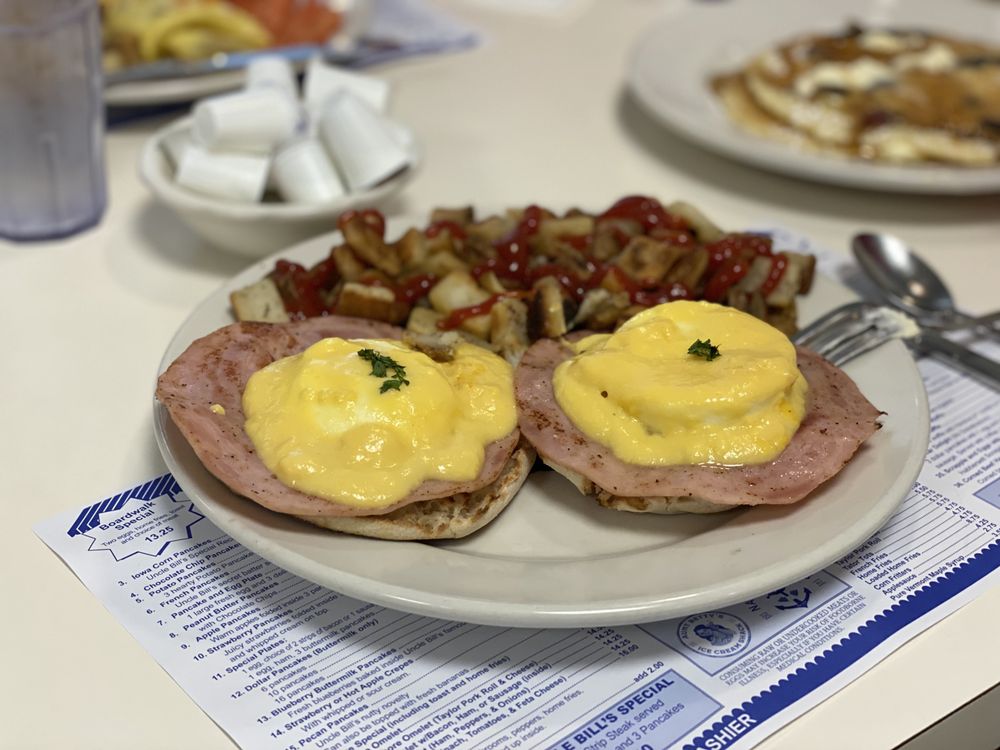
Explore popular things to do in the area, including Doc Popcorn - Ocean City, Blitz's Market, and Uncle Bill's Pancake House.
| Name | Category | Distance | Reviews |
Ratings by
Yelp
|
|---|---|---|---|---|
| Dining | 0.1 miles | 0 reviews | 0/5 stars | |
| Dining · $$ | 0.37 miles | 46 reviews | 4.5/5 stars | |
| Dining · $$ | 0.38 miles | 253 reviews | 4/5 stars | |
| Dining · $ | 0.45 miles | 0 reviews | 0/5 stars | |
| Dining · $$ | 0.54 miles | 0 reviews | 0/5 stars | |
| Dining · $$ | 0.63 miles | 11 reviews | 3.8/5 stars | |
| Dining | 1 miles | 0 reviews | 0/5 stars | |
| Dining · $$ | 1.01 miles | 82 reviews | 4.5/5 stars | |
| Dining · $$ | 1.05 miles | 73 reviews | 4.4/5 stars | |
| Shopping | 1.04 miles | 2 reviews | 4.5/5 stars | |
| Active | 0.12 miles | 0 reviews | 0/5 stars | |
| Active | 0.12 miles | 3 reviews | 3.7/5 stars | |
| Active | 0.47 miles | 3 reviews | 5/5 stars | |
| Active | 0.47 miles | 1 review | 5/5 stars | |
| Active | 0.54 miles | 1 review | 5/5 stars | |
| Active | 0.59 miles | 2 reviews | 3/5 stars | |
| Active | 0.66 miles | 7 reviews | 4/5 stars | |
| Active | 0.66 miles | 1 review | 5/5 stars | |
| Active | 0.66 miles | 3 reviews | 5/5 stars | |
| Active | 0.73 miles | 1 review | 1/5 stars | |
| Active | 1 miles | 0 reviews | 0/5 stars | |
| Active | 1.01 miles | 0 reviews | 0/5 stars | |
| Beauty | 0.43 miles | 0 reviews | 0/5 stars | |
| Beauty | 0.54 miles | 0 reviews | 0/5 stars | |
|
|
||||
|
|
||||
|
|
||||
|
|
||||
|
|
||||
|
|
Ocean City has 5,619 households, with an average household size of 1.99. Data provided by the U.S. Census Bureau. Here’s what the people living in Ocean City do for work — and how long it takes them to get there. Data provided by the U.S. Census Bureau. 11,260 people call Ocean City home. The population density is 1,667 and the largest age group is Data provided by the U.S. Census Bureau.
Total Population
Population Density Population Density This is the number of people per square mile in a neighborhood.
Median Age
Men vs Women
Population by Age Group
0-9 Years
10-17 Years
18-24 Years
25-64 Years
65-74 Years
75+ Years
Education Level
Total Households
Average Household Size
Average individual Income
Households with Children
With Children:
Without Children:
Marital Status
Blue vs White Collar Workers
Blue Collar:
White Collar:
Explore detailed neighborhood profiles to see what makes each area unique — from amenities to nearby attractions.