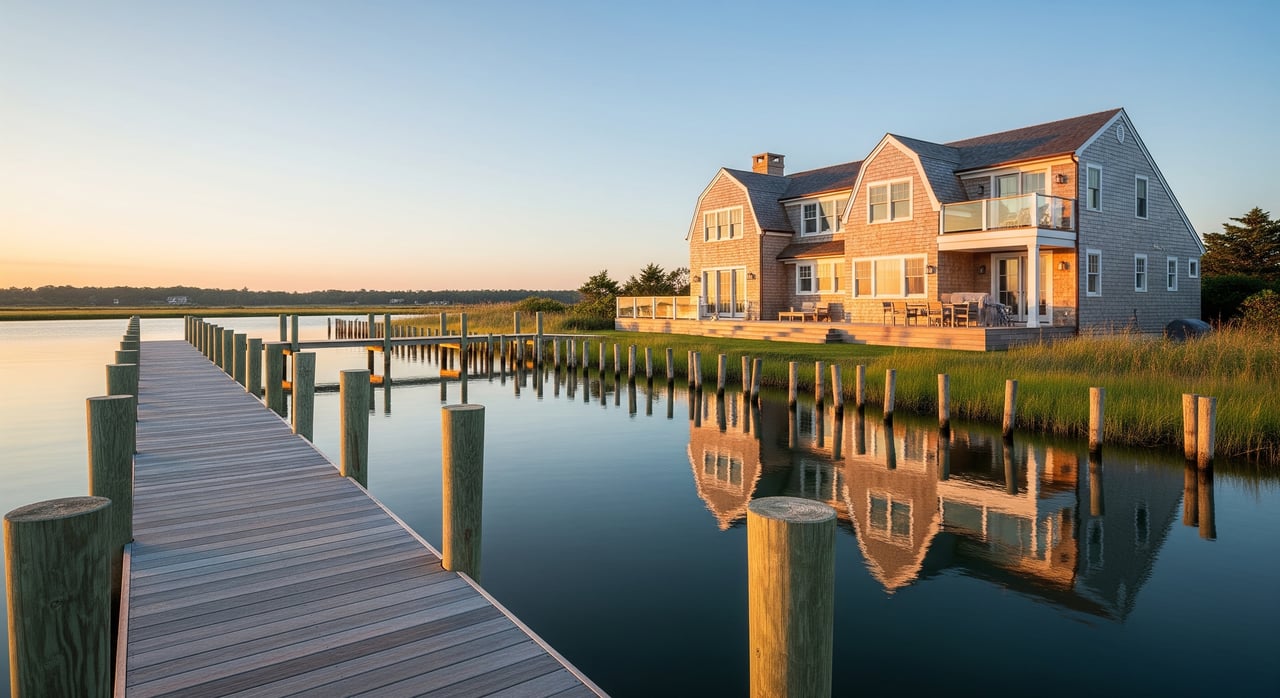
Picture yourself stepping onto your dock with coffee in hand as the sun sets over Great Egg Harbor Bay. If you are considering a bayfront home in Ocean City’s Bay Area, you likely want that lifestyle, plus space for a boat and room to gather. You also want clear answers about flood maps, insurance, permits, and how bayfront prices compare to inland blocks. This guide gives you the practical details you need to shop with confidence and avoid surprises. Let’s dive in.
Why buy on the bay in Ocean City
Bayside living is about views, access, and calmer water than the ocean side on most days. You get sunset vistas, wildlife over the marsh, and the chance to keep a boat steps from your back door. Many buyers choose the Bay Area for a quieter waterfront feel paired with quick access to beaches and the boardwalk.
Local boating conditions shift with tides and seasons. For depth and current details, rely on official resources like NOAA’s tides and currents to plan routes and understand local water levels.
Common home styles and features
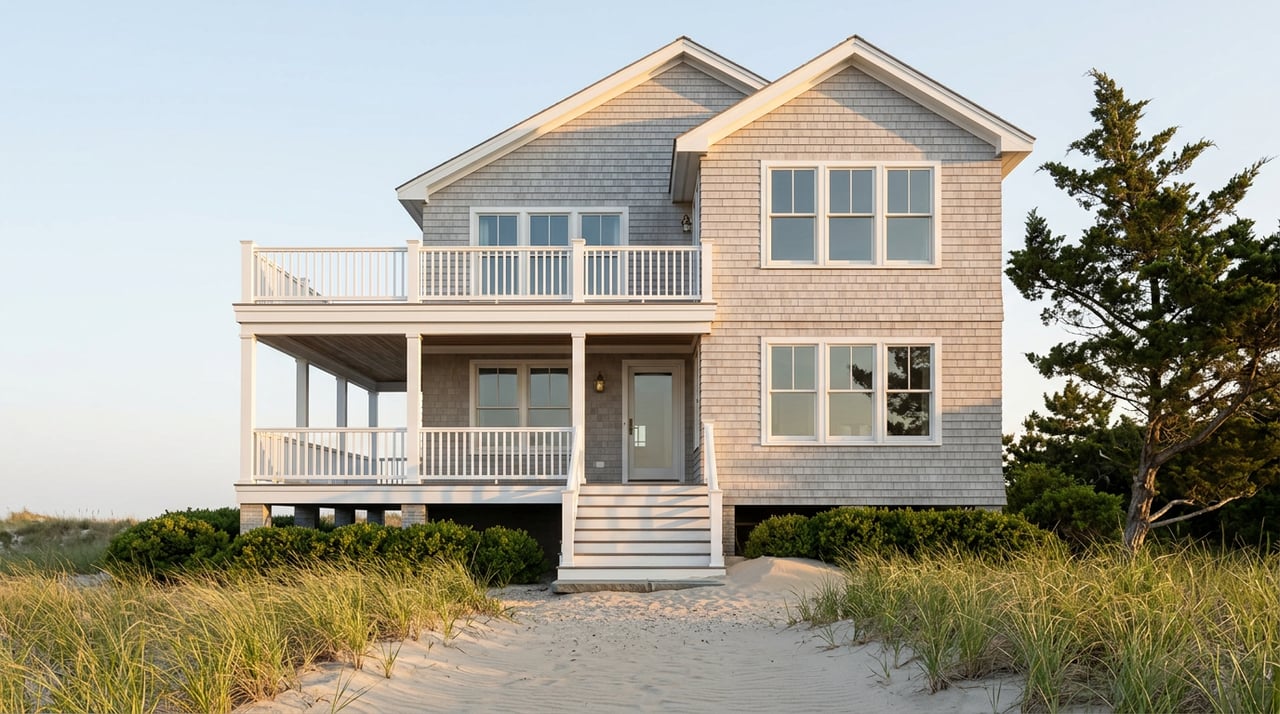
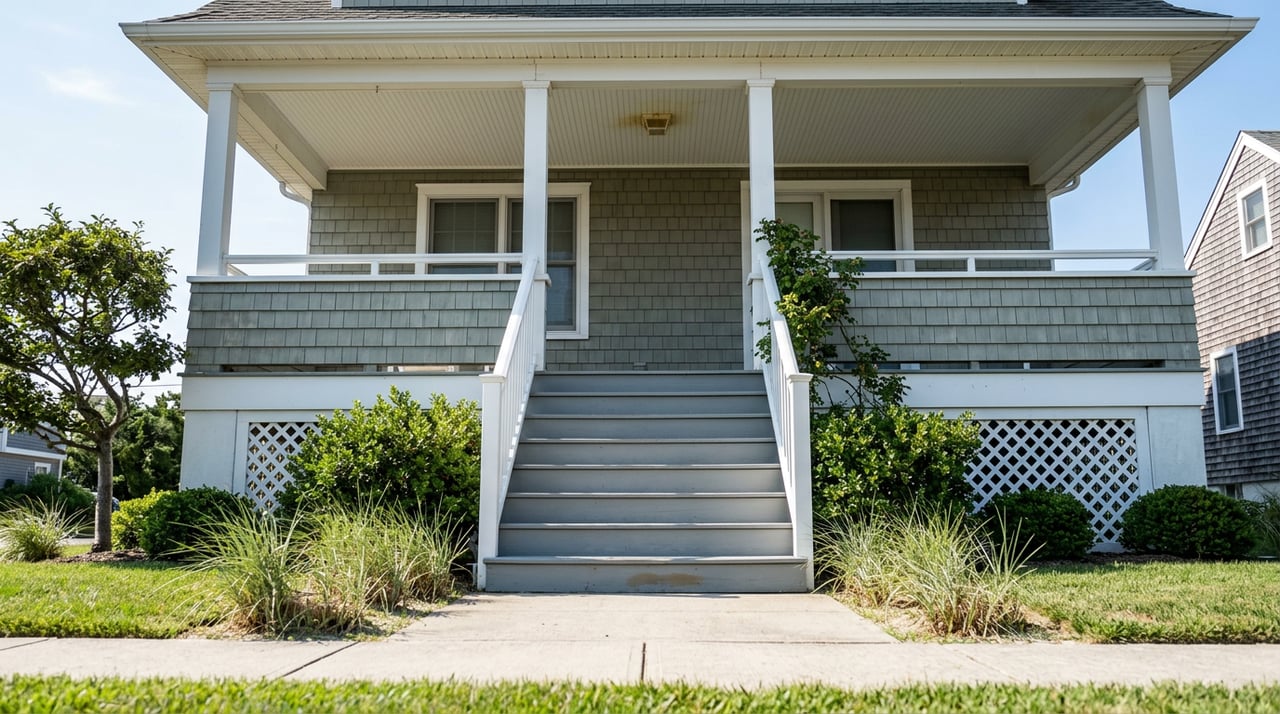
You will see a mix of raised single-family homes on pilings, semi-detached options, and bayside condos or townhomes with shared amenities. Elevation is common to reduce flood risk and meet current codes. Larger decks face the water, and many garages or storage rooms are designed for seasonal use.
What drives value on the bay are the waterfront features. Private bulkheads, floating or fixed docks, boat lifts, and permitted slips can set one property apart from the next. Some homes have no on-site dock but enjoy proximity to community marinas. Always verify what is included with the property and what is allowed by local rules.
Docks, slips, and bulkheads
On-water improvements usually require permits. In New Jersey, shoreline work like bulkhead repair, dock installation, pilings, and boat lifts typically needs state approvals, most often through NJDEP coastal permitting. Some projects may also involve federal review. Local ordinances and association rules can add conditions or limits.
Navigation matters as much as permits. Channel depth, posted no-wake zones, and low-clearance bridges can limit boat size or timing. Study current charts and confirm draft and clearance for your route to open water. If boating is a priority, match the property’s dock and water access to your vessel and intended use.
Flood risk, elevation, and insurance basics
Bayfront parcels often sit in FEMA Special Flood Hazard Areas such as AE or VE zones. That mapping drives both building standards and insurance needs. Start by pulling the parcel’s zone using the FEMA Flood Map Service Center. Because maps evolve, verify that you are looking at the latest version and ask if any amendments are pending.
Elevation is a key input for both safety and cost. Many coastal municipalities require the lowest habitable floor to be built above the base flood elevation, sometimes with added freeboard. An Elevation Certificate documents a structure’s height relative to BFE and is essential for underwriting. Learn how the document works through FEMA’s guidance on Elevation Certificates.
Flood insurance is usually required by lenders when a property lies in an SFHA. Coverage is available through the National Flood Insurance Program and an expanding private market. Premiums reflect zone, elevation, building details, and claims history. You may also see separate wind or hurricane deductibles on homeowners policies. To understand total cost, request quotes early from a flood-savvy agent and compare FEMA flood insurance options with private alternatives.
Permits, riparian rights, and associations
Waterfront ownership involves unique rights and responsibilities. Riparian access, shared bulkheads, and community docks sometimes include recorded easements and shared maintenance. Ask for copies of permits and agreements tied to docks, lifts, and bulkheads, and confirm they match what is built today.
Any future shoreline work usually needs permits. In addition to state approvals, local rules or HOA bylaws may regulate dock size, slip assignments, and rental use. Before you plan a lift upgrade or dock extension, check NJDEP’s coastal program and speak with a qualified marine contractor who understands the Bay Area.
Pricing on the bay vs. inland blocks
In Ocean City, oceanfront homes tend to command the highest prices, followed by direct bayfront and canal-front properties. Interior blocks without water access usually carry lower price points. Within the Bay Area, values vary lot by lot based on orientation, width, and improvements.
Premium drivers include:
- Private, well-permitted dockage that fits an appropriate boat
- Unobstructed water views, especially western or southern exposures for sunsets
- Newer elevated construction and engineered bulkheads
- Wider lot frontage or favorable site orientation
Weigh total cost of ownership alongside price. Bulkheads, docks, and lifts require ongoing maintenance, and waterfront exposure increases wear on finishes and fasteners. Flood and wind insurance can raise annual costs compared with similar inland homes. Bayfront properties often appeal to a more specialized buyer pool, which can influence time on market and pricing strategy.
Seasonal use and utilities
Ocean City is a barrier-island community with seasonal rhythms. Many bayfront owners use homes seasonally, and some properties are part of associations with defined rules. Most homes connect to municipal water, sewer, and electric, but it is wise to confirm service details, off-season access, and any association or city rules that may affect your plans.
Rental potential and local rules
Bayside homes can attract strong seasonal demand thanks to views and boat access. That said, rental income depends on property features, local licensing, and association restrictions. Before factoring rentals into your budget, review current Ocean City requirements, any HOA rules, and the implications for insurance. The right due diligence will help you set realistic expectations.
Buyer due diligence checklist
Use this checklist to streamline your evaluation and reduce risk.
- Flood maps and elevation
- Pull the current FEMA FIRM zone for the parcel through the FEMA map service.
- Request the seller’s Elevation Certificate or commission one to confirm height relative to BFE. Review FEMA’s Elevation Certificate overview.
- Insurance
- Obtain flood quotes from NFIP and private carriers. Gather homeowners and wind coverage quotes and note deductibles.
- Ask about the property’s flood and wind claims history.
- Shoreline structures and permits
- Verify permits and maintenance records for bulkheads, docks, pilings, and lifts. Cross-check with NJDEP coastal permitting.
- Hire a marine or coastal contractor to inspect bulkhead and pilings for corrosion, rot, or settlement.
- Structural and building inspections
- Schedule a standard home inspection plus targeted checks for salt corrosion, deck and railing integrity, moisture under elevated areas, and HVAC placement.
- Environmental and regulatory
- Confirm current and pending dredging or shoreline projects that may affect access or views.
- Identify any recorded easements, shared docks, or community maintenance obligations.
- Utilities and access
- Confirm water, sewer, electric, and any seasonal service notes. Ask about off-season municipal services and access routes.
- Title, taxes, and records
- Review county records for lot lines, easements, and property tax history. Ensure improvements match recorded documents.
- Marina and navigation
- Use NOAA tides and currents and local knowledge to validate channel depth, bridge clearance, and safe routes.
- Community and use restrictions
- Read HOA or condo bylaws for slip assignments, maintenance fees, rental rules, and insurance requirements. Verify any city rental licenses needed.
- Pros to consult
- Marine contractor, licensed surveyor, structural engineer, flood-insurance agent, real estate attorney familiar with riparian law, and a local agent experienced with bayfront property.
How to shop smart in the Bay Area
- Start with your boating plan. Decide the boat size and draft you need, then target properties where depth and bridge clearance match your use.
- Make elevation and insurance central to your analysis. An elevated home with a strong Elevation Certificate can reduce flood premium exposure compared with older, lower homes.
- Prioritize permitted, well-maintained waterfront structures. A sound bulkhead and permitted dock or lift are major value points and reduce near-term capital needs.
- Compare total cost, not just price. Add estimates for insurance, maintenance, and any upgrades you plan to complete in the first two years.
- Visit at different tides and times. Views, activity levels, and access can change from morning low tide to evening high tide.
Work with a local team that knows the water
Bayfront buying is part lifestyle, part engineering, and part regulation. You want a partner who understands Ocean City’s micro-markets, the nuances of permits and elevation, and the trade-offs between different bayfront streets and canals. The Cheryl Huber Team brings decades of island experience, a full-service approach, and the operational coverage to guide you through peak season and beyond. From matching your boating goals to the right dock setup to coordinating inspections and insurance quotes, we help you buy with clarity and confidence.
Ready to take the next step? Connect with Cheryl Huber to start your tailored Bay Area search.
FAQs
Do I need flood insurance for an Ocean City bayfront home?
- If a property is in a FEMA Special Flood Hazard Area and you have a mortgage, lenders typically require flood insurance. Many coastal owners choose coverage even when not required.
How do I verify a dock or lift is permitted in New Jersey?
- Ask for copies of NJDEP approvals and maintenance records, then compare them to what exists on-site. Review state rules through NJDEP coastal permitting and consult a marine contractor.
What is an Elevation Certificate and why does it matter?
- It documents a home’s elevation relative to base flood elevation and is used to underwrite flood insurance. Learn more from FEMA’s Elevation Certificate guidance.
Are bayfront homes less risky than oceanfront in storms?
- Not as a rule. Bayfront homes can face back-bay flooding and surge, while oceanfront homes face direct wave action. Elevation, construction, and site protection matter most.
How do bayfront prices compare to inland blocks in Ocean City?
- Bayfront homes usually command a premium over interior blocks due to views and water access. Permitted dockage, lot orientation, and elevation can widen or narrow that gap.
Where can I check tides and currents for boating near Ocean City?
- Use official resources like NOAA’s tides and currents to review local tide ranges, current predictions, and navigation references.