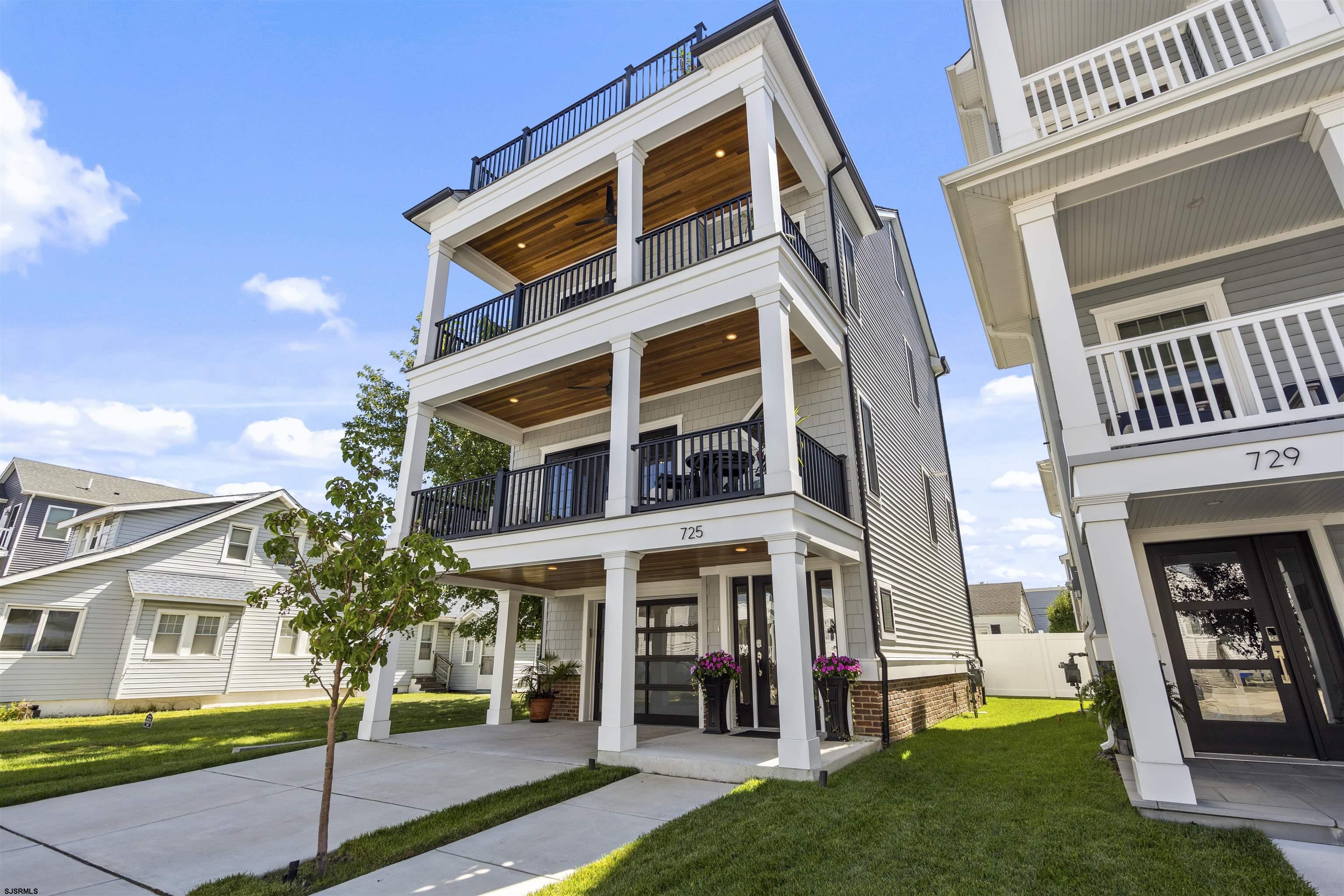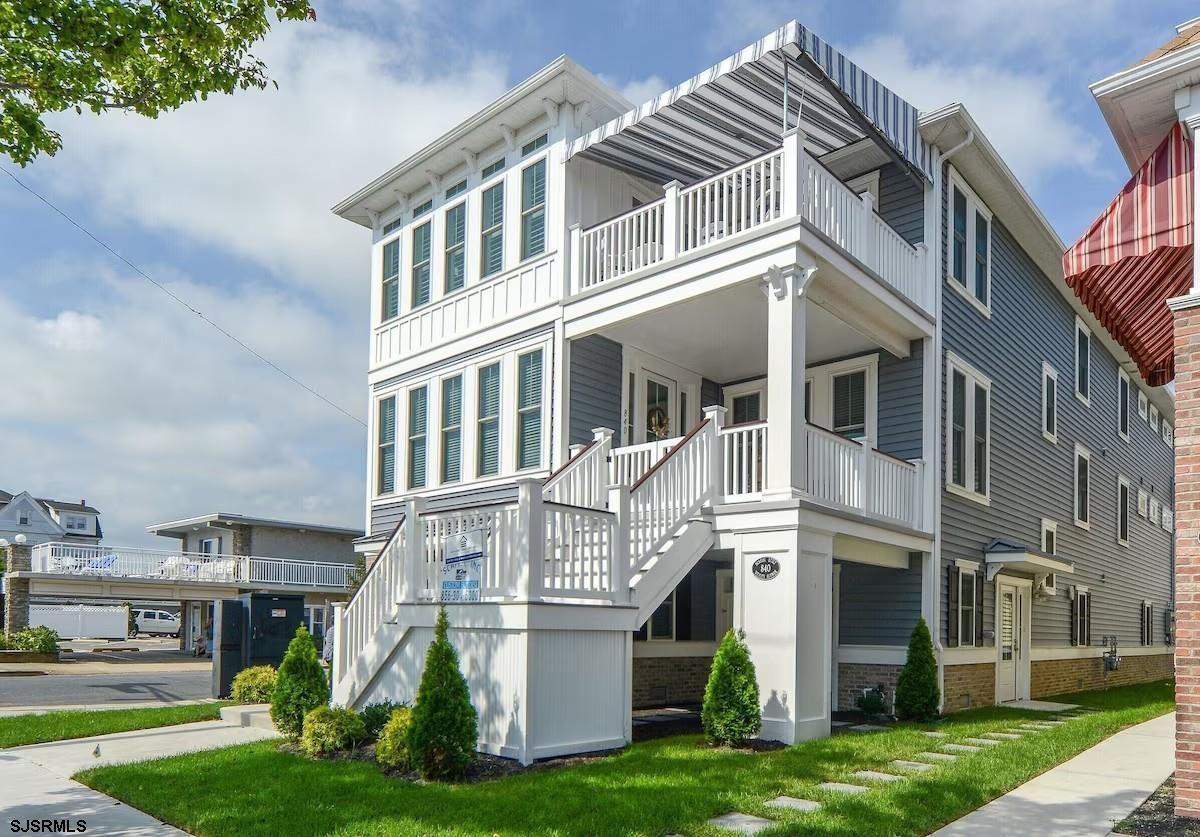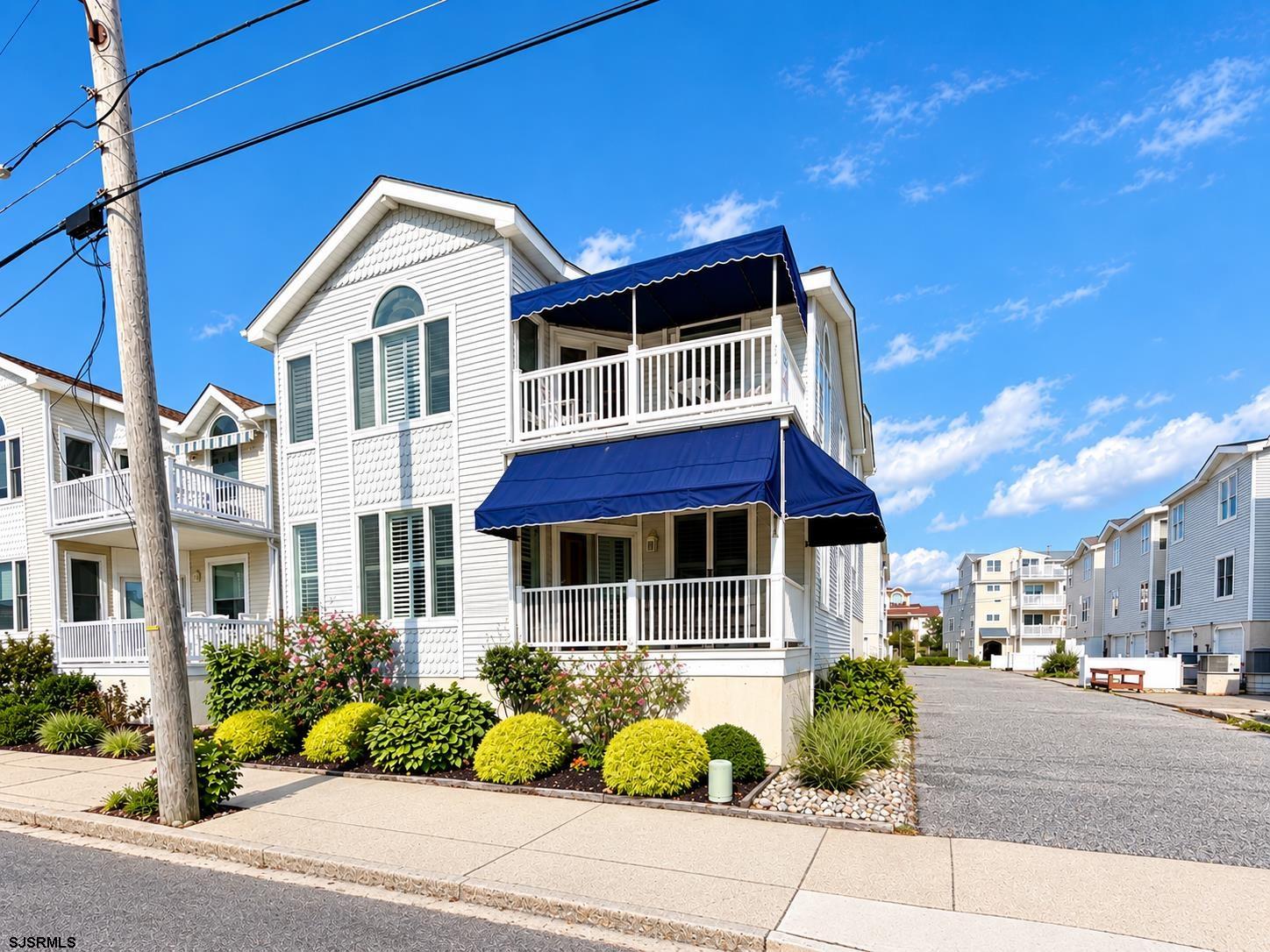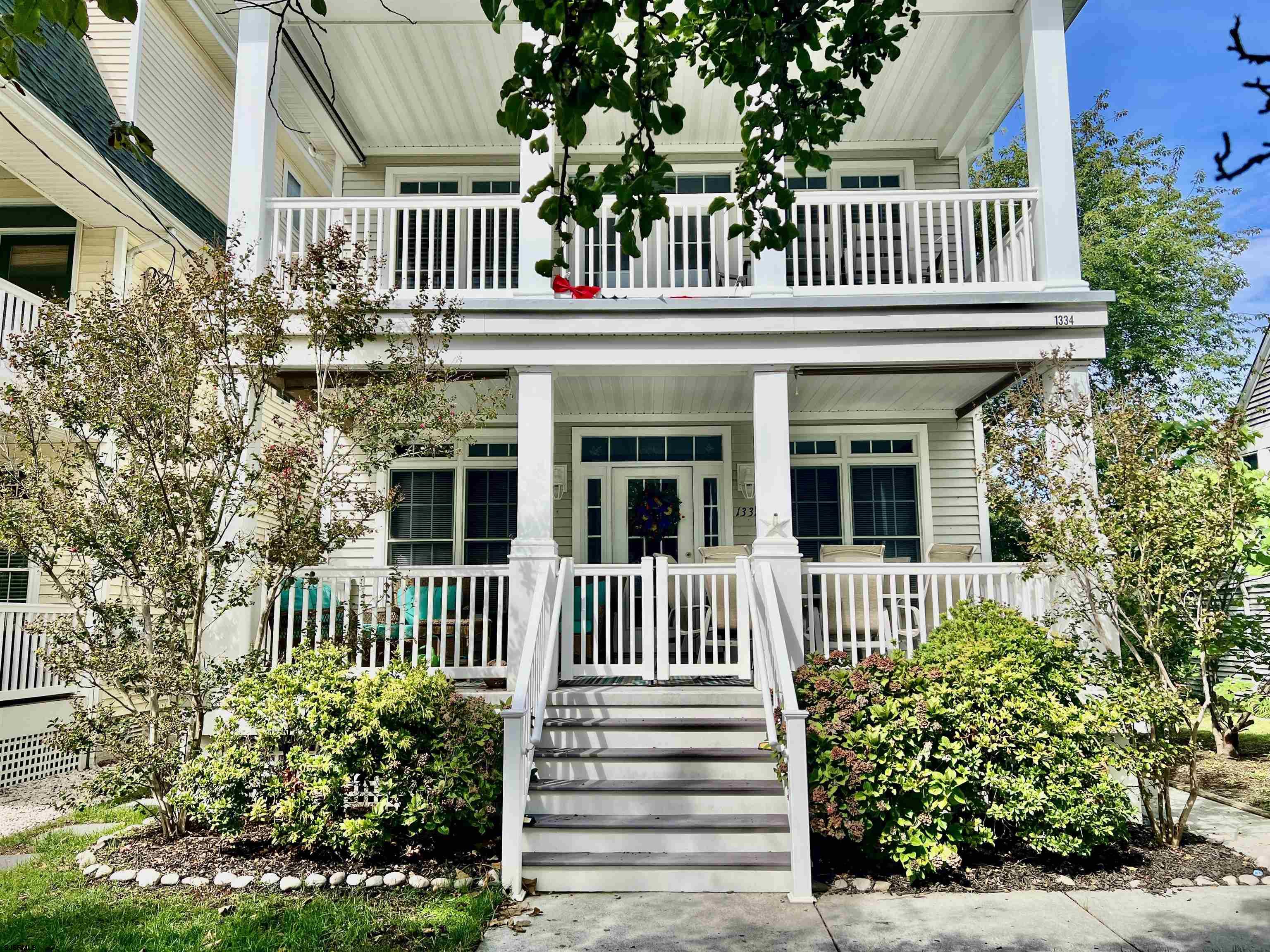
2,495 people live in Central, where the median age is 53 and the average individual income is $56,457. Data provided by the U.S. Census Bureau.
Total Population
Median Age
Population Density Population Density This is the number of people per square mile in a neighborhood.
Average individual Income
Ocean City runs about eight miles from the Longport Bridge to the Great Egg Harbor Inlet, and buyers who only look at the numbered streets tend to miss how differently each stretch of the island actually lives. Central is the part people mean when they say they want to be "in the middle of everything" — close enough to walk to the boardwalk on a Saturday night, close enough to Asbury Avenue to pick up groceries in February, and far enough south that the summer crowds thin out by the time you reach your block.
Here's what forty years of selling on this island has taught me about the section between 12th and 34th Streets.
Central isn't an official municipal designation. There's no sign, no zoning line, no plaque. It's a working term agents and longtime residents use for the stretch running from 12th Street south to 34th Street — the band sitting between the downtown-heavy North End (1st through 11th) and the low-density, residential South End (35th through 59th).
East to west, it spans the full width of the island: Atlantic Ocean on one side, then Ocean and Wesley Avenues, Central Avenue, Asbury Avenue, West Avenue, and finally the bayfront and marshes along Bay Avenue.
The single most important line inside this range is 23rd Street — where the Boardwalk ends. Blocks from 12th to 23rd have direct boardwalk access and everything that comes with it. Blocks from 24th to 34th have dune crossover paths to quieter beaches and no boardwalk at all. Two properties four blocks apart can offer completely different daily experiences, and buyers who don't know this line exists are often surprised by it.
Central has the most functional day-to-day rhythm of any part of the island. You can leave the car parked from Friday to Sunday and still get to the beach, coffee, dinner, and the boardwalk on foot or by bike. The Haven Avenue bike path runs north-south straight through the neighborhood, giving riders a corridor that avoids the worst of the automobile traffic on Asbury, Central, and West.
Density is higher here than down island. Stacked duplexes and condos dominate, with single-family homes mixed in, so you'll have neighbors close by and shared walls are common. That's the trade for the location.
The resident mix is genuinely blended — weekly renters, seasonal owners, and year-round families all on the same block. From June through August it's stroller and bike traffic morning to night. By November the same streets go quiet and turn into a small, tight-knit community where you know the people on your block. Buyers who have only visited in July often don't realize how different the off-season feels.
This is Central's real differentiator, and it's the thing that makes the neighborhood work in the off-season when the rest of the island shuts down.
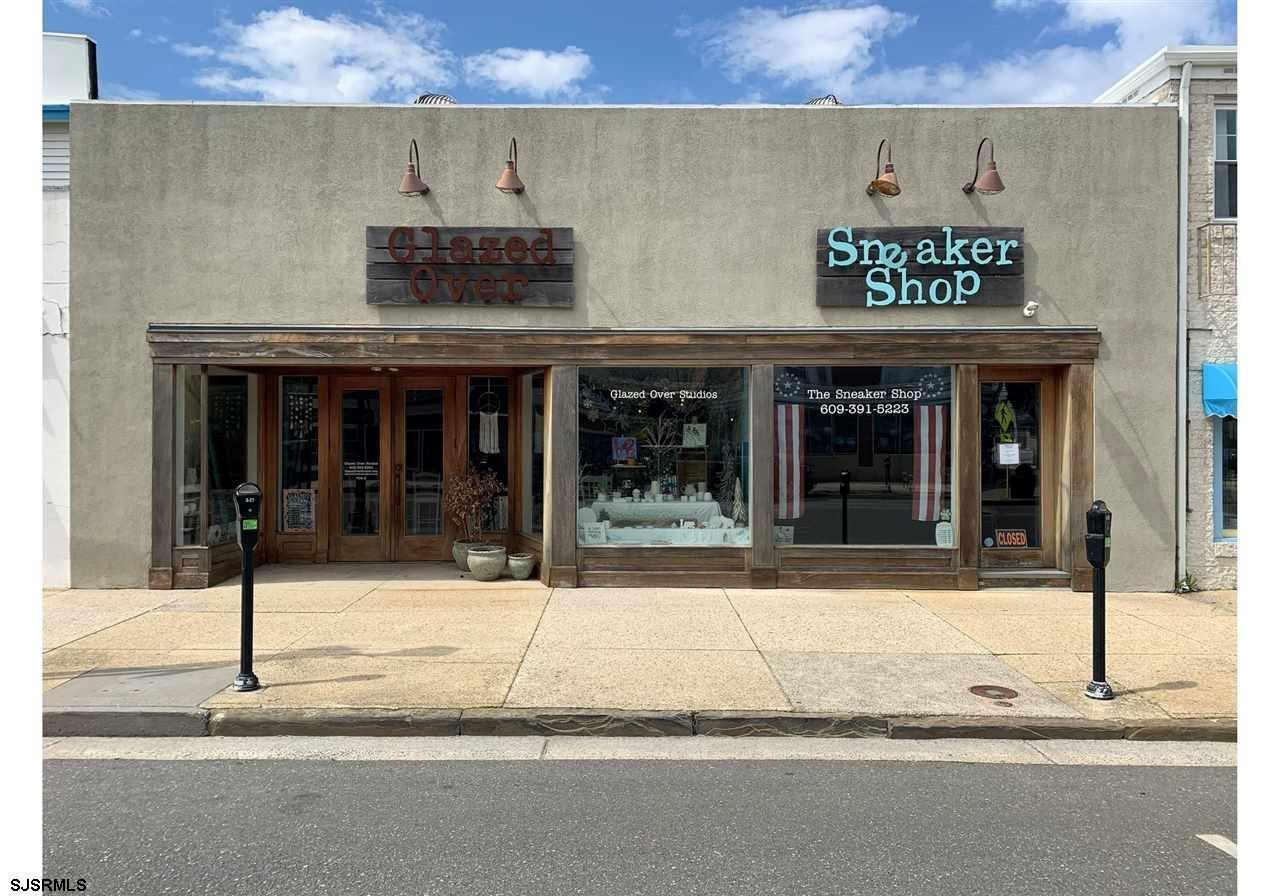
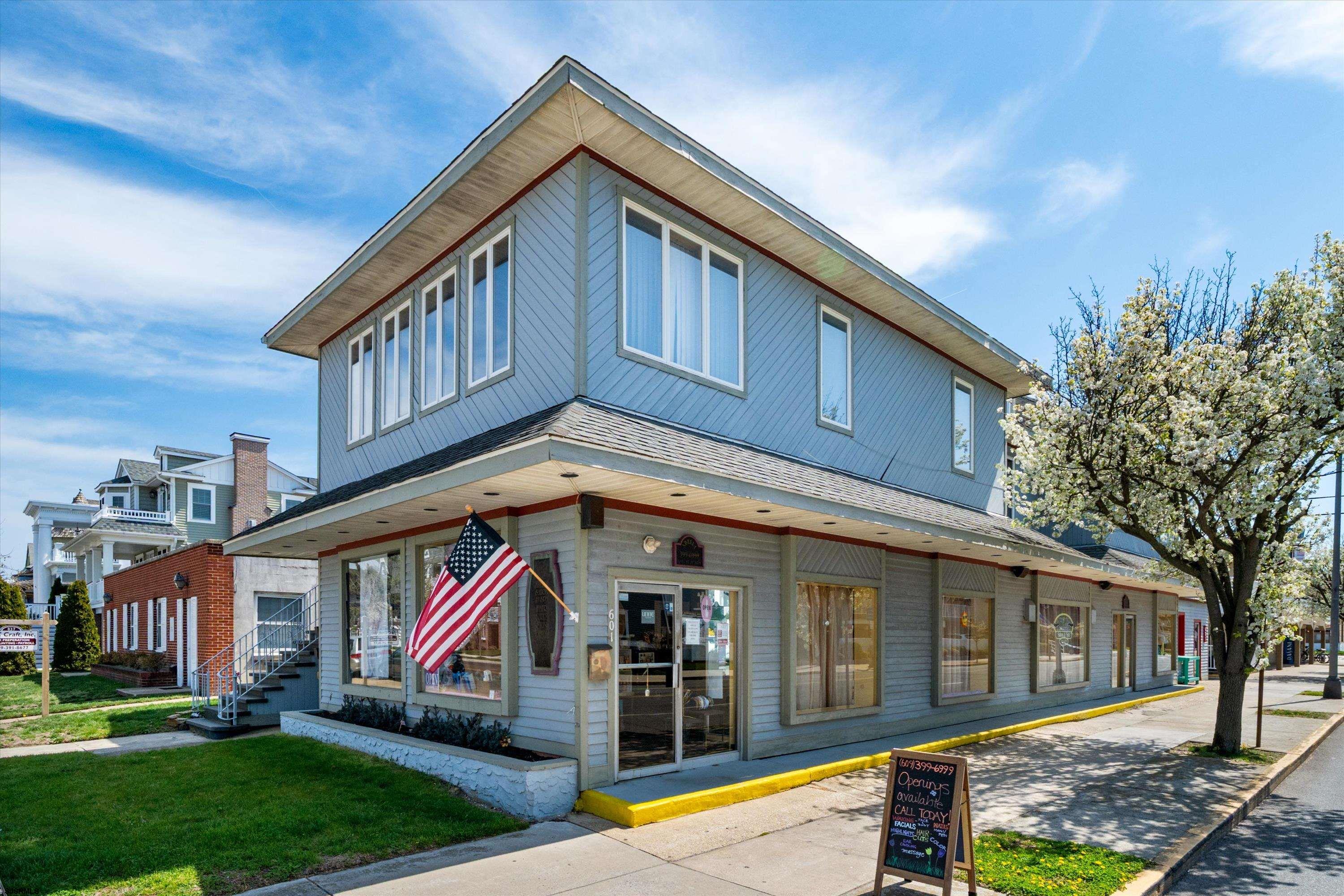
Asbury Avenue between 6th and 14th Streets is Ocean City's downtown — a true main street with more than 100 boutiques, home goods shops, apparel stores, bakeries, coffee roasters, and sit-down restaurants. Unlike the boardwalk, which largely closes after Labor Day, most of Asbury stays open year-round. Wide brick-accented sidewalks, outdoor seating, and old-style street lamps make it a place people actually walk to rather than drive to.
For year-round residents and shoulder-season owners, this matters more than almost anything else. In much of Ocean City, a February grocery run or dinner out means getting in the car. In Central, it often doesn't.
The Boardwalk runs from St. James Place down to 23rd Street, which puts the upper half of Central directly against the island's entertainment core.
The Music Pier at 8th Street is the cultural anchor — a 1929 oceanfront auditorium that hosts concerts, comedy, and the Ocean City Pops all summer. The blocks from 6th to 14th hold Gillian's Wonderland Pier, Playland's Castaway Cove, the water parks, the arcades, and the food institutions people plan their trips around: Johnson's Popcorn, Manco & Manco, Kohr Bros.
The beach experience shifts noticeably as you move south:
Buyers who want boardwalk energy should be looking in the teens. Buyers who want to visit the boardwalk but not live in it should be looking at the mid-20s and up.
Central carries the widest price spectrum of any section on the island, which is why inventory here moves quickly among both investors and families. What you can buy breaks down roughly like this:
Entry-level condos and in-town units — $400,000 to $850,000. One- and two-bedroom condos and older conversions, concentrated near the Asbury commercial corridor or west toward Haven and Simpson Avenues.
Mid-tier duplex units — $850,000 to $1,600,000. Three- and four-bedroom single-floor units inside stacked duplexes. These are the workhorses of Central: practical family layouts and strong rental numbers. If you're buying in this neighborhood, there's a good chance this is the category you end up in.
Single-family homes — $1,200,000 to $3,000,000+. Scarcer here than down island because land density is higher. Pricing climbs sharply as you move east of Central Avenue or west toward prime bay-view lots.
Beachfront and grand waterfront — $3,000,000 to $6,000,000+. Direct oceanfront on Ocean Avenue, or bayfront estates on the western edge.
Inventory in the mid-tier duplex range is where competition is tightest. Well-priced units in that band frequently see activity within the first two weekends.
Central's building stock is a record of a hundred years of shore construction, layered on top of itself.
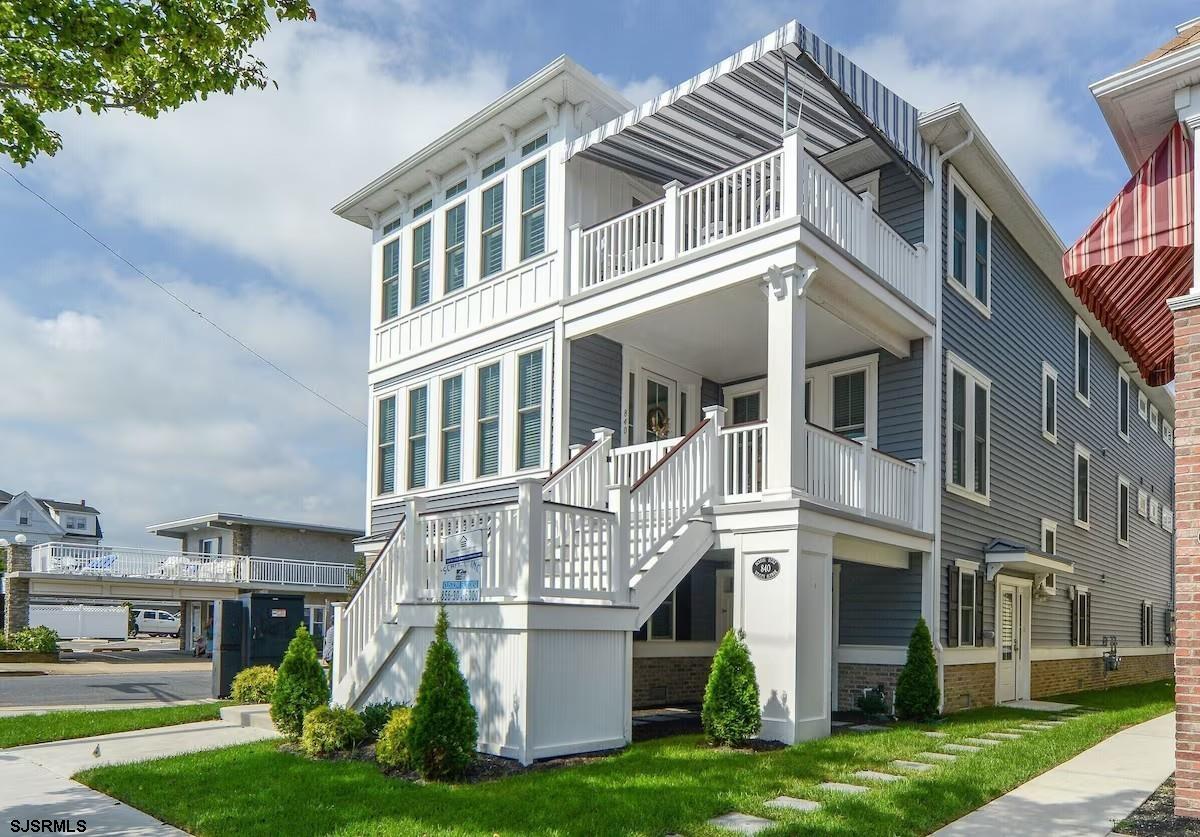
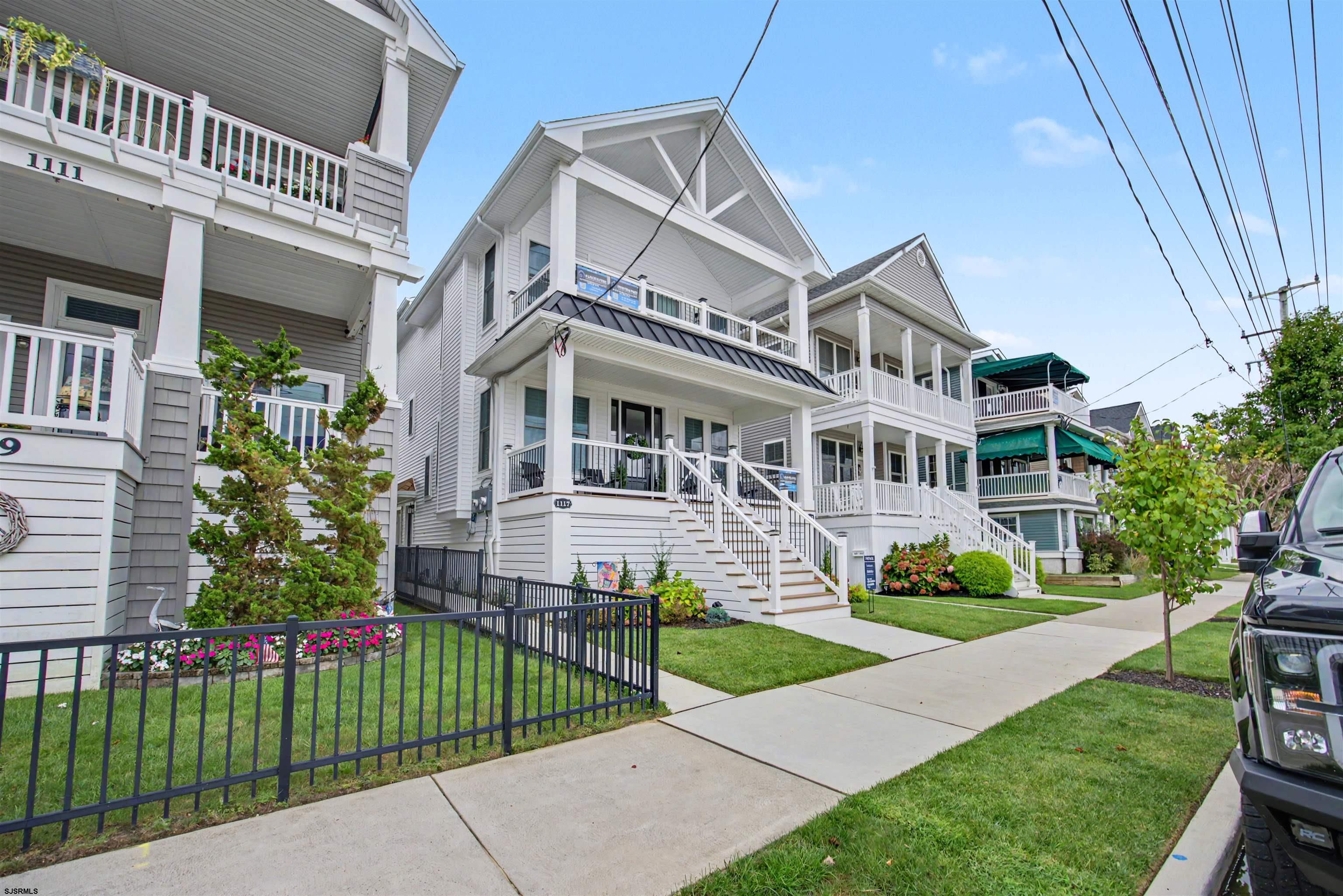
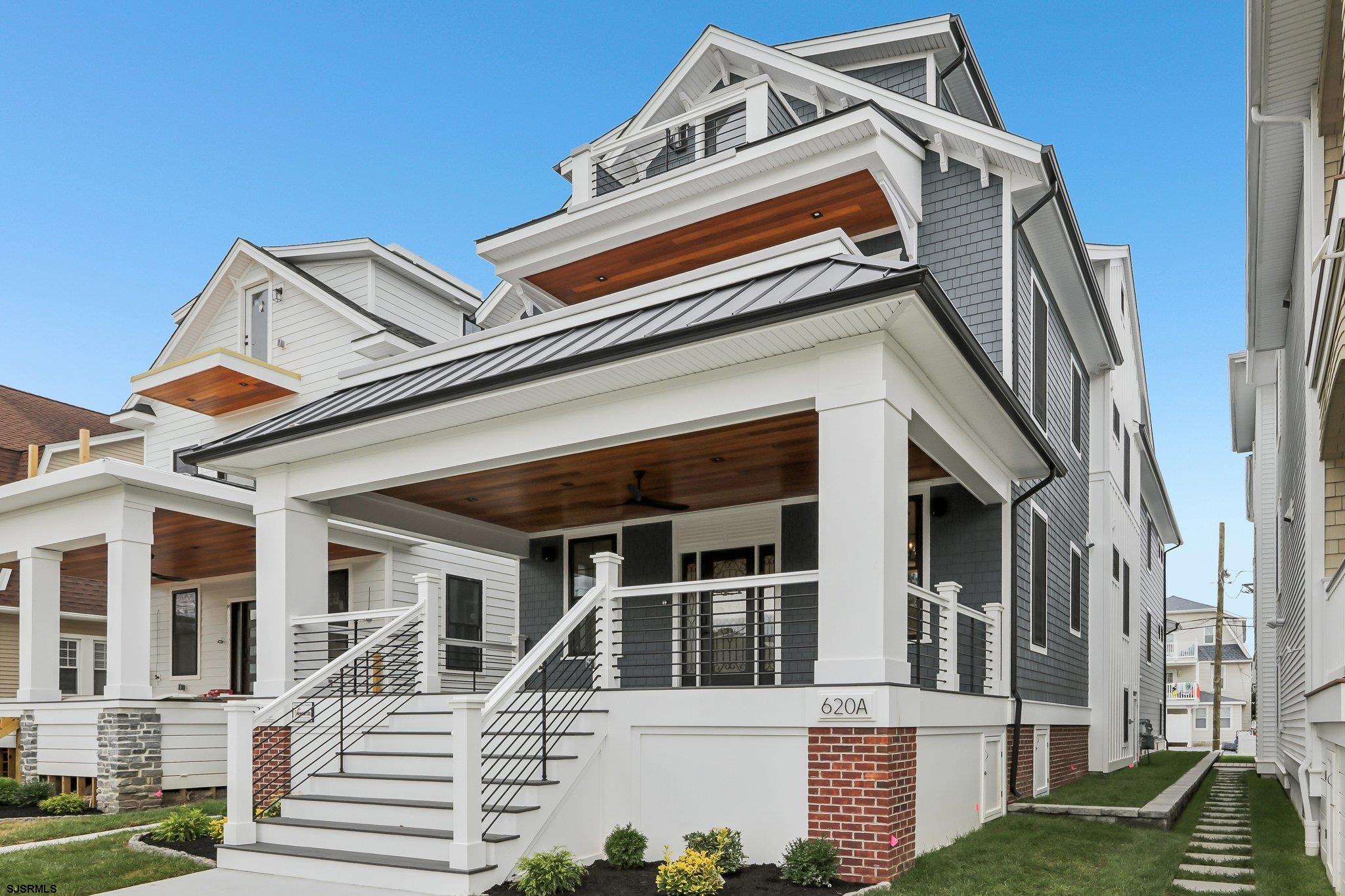
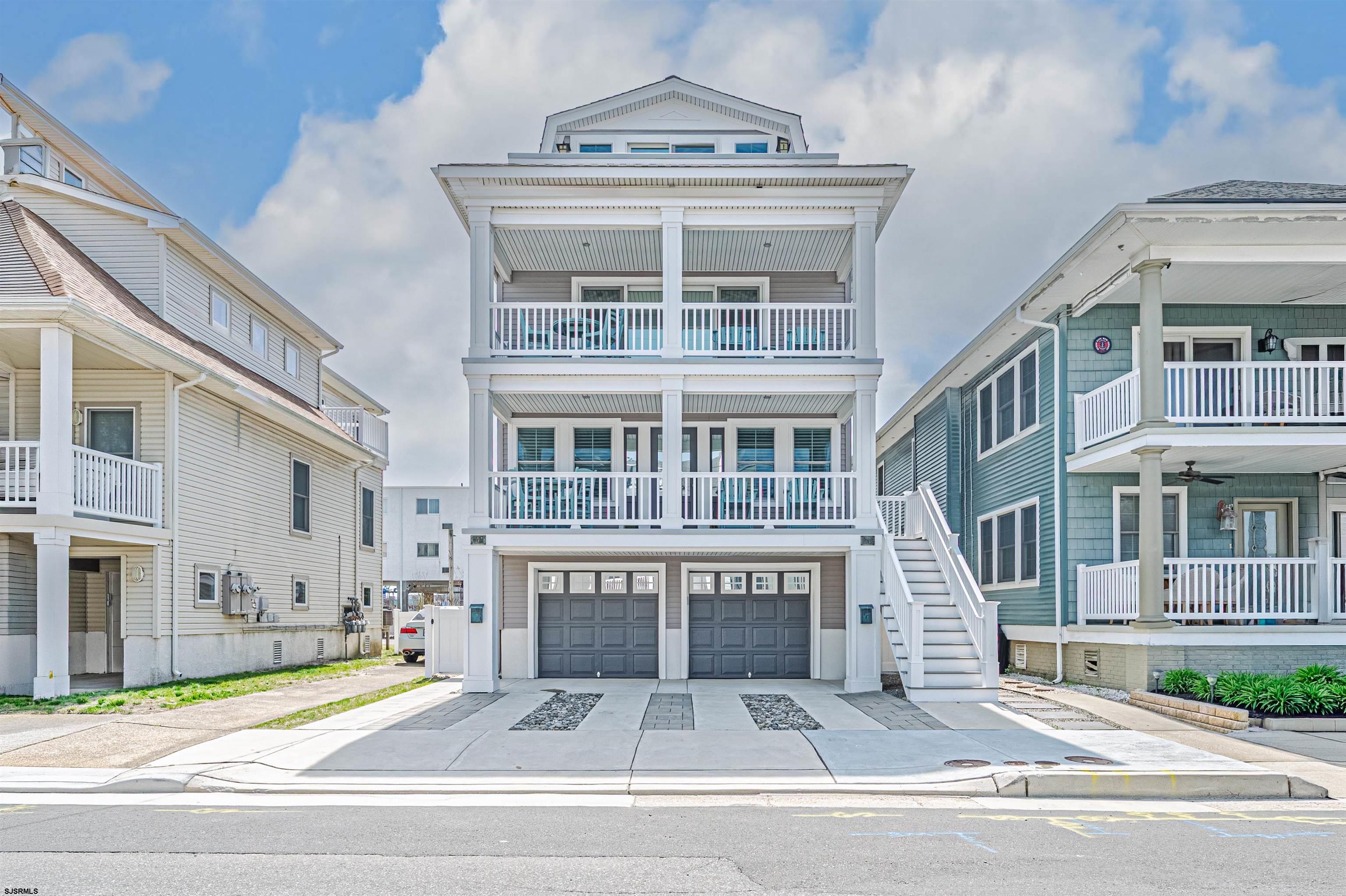
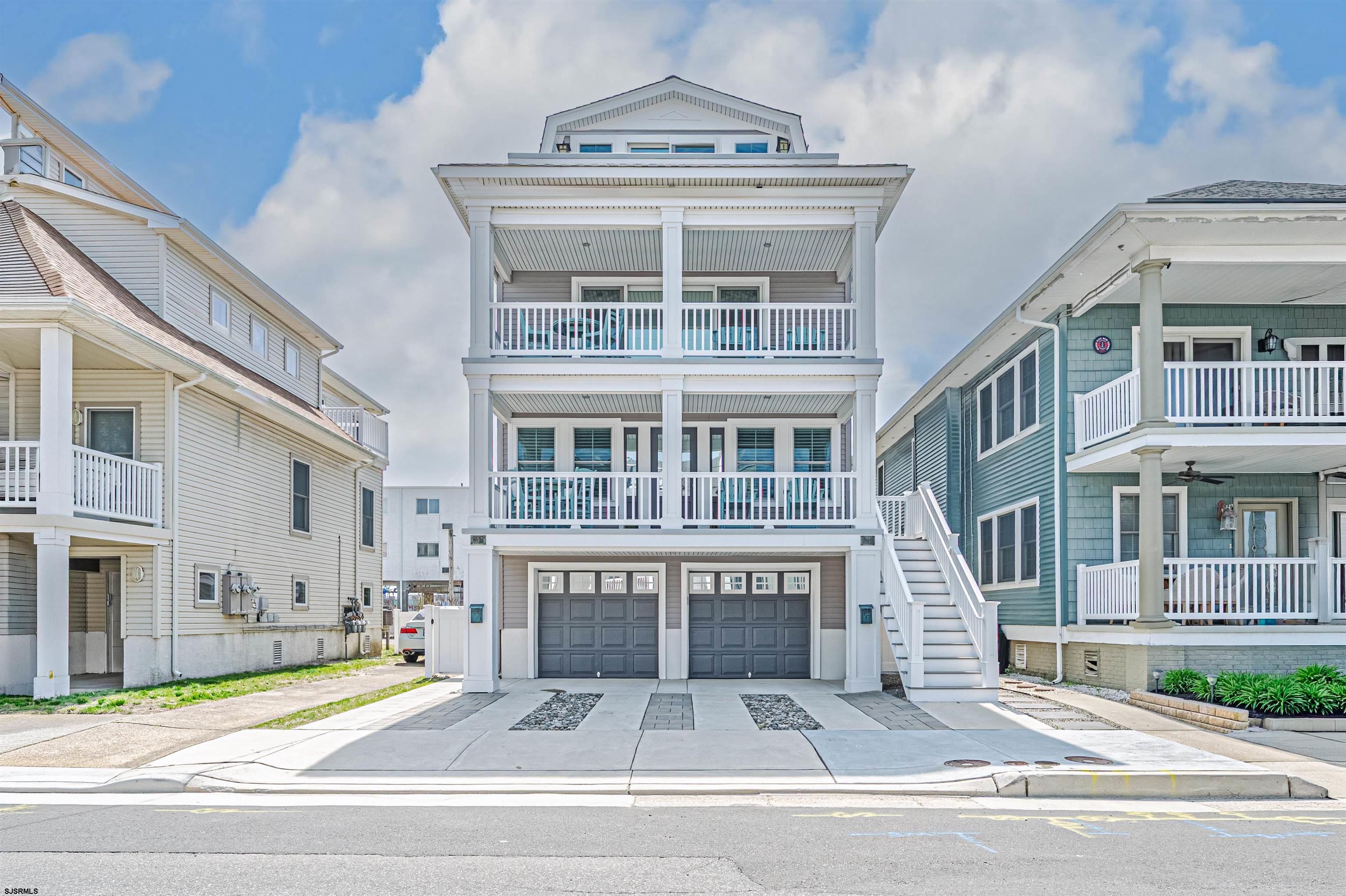
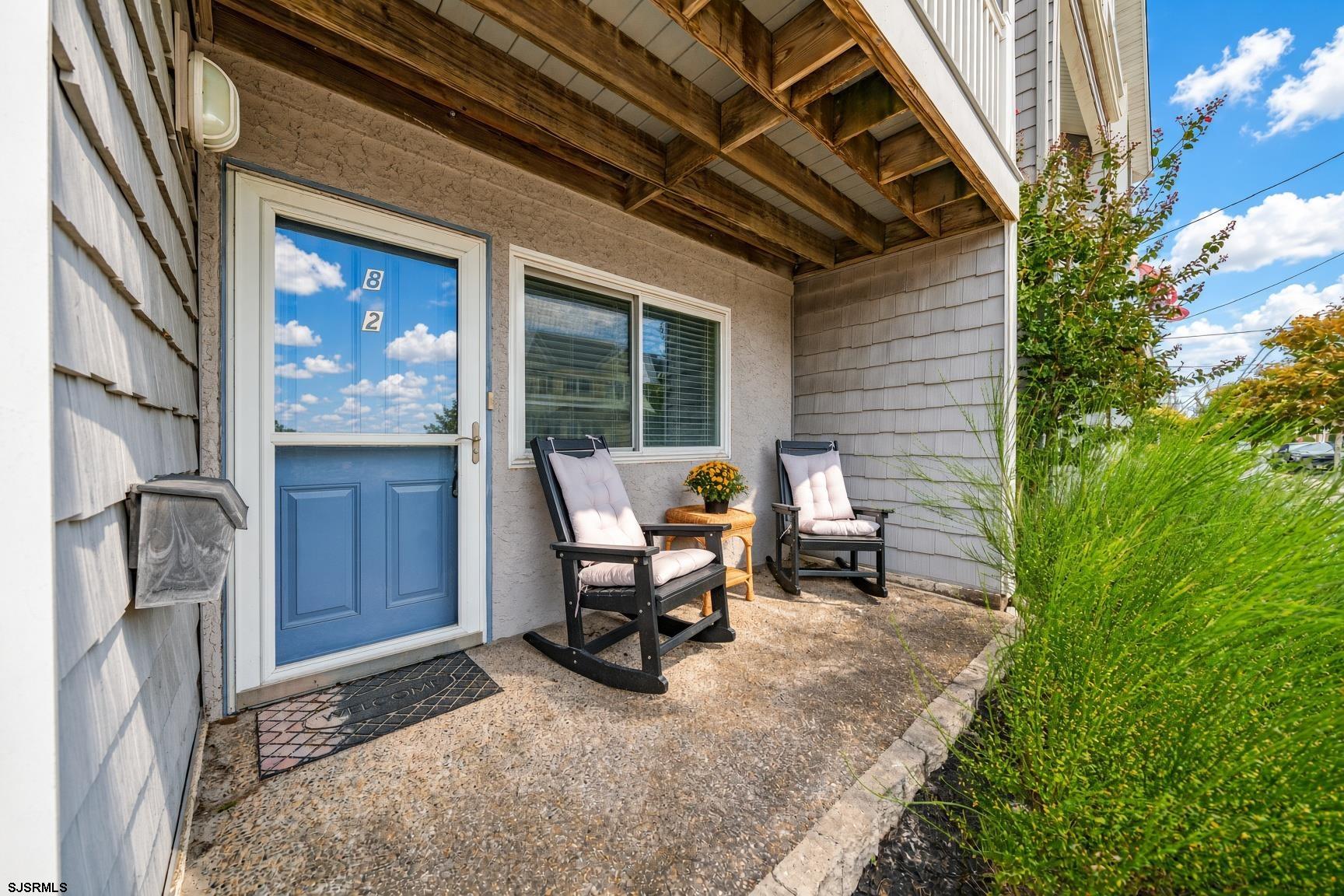
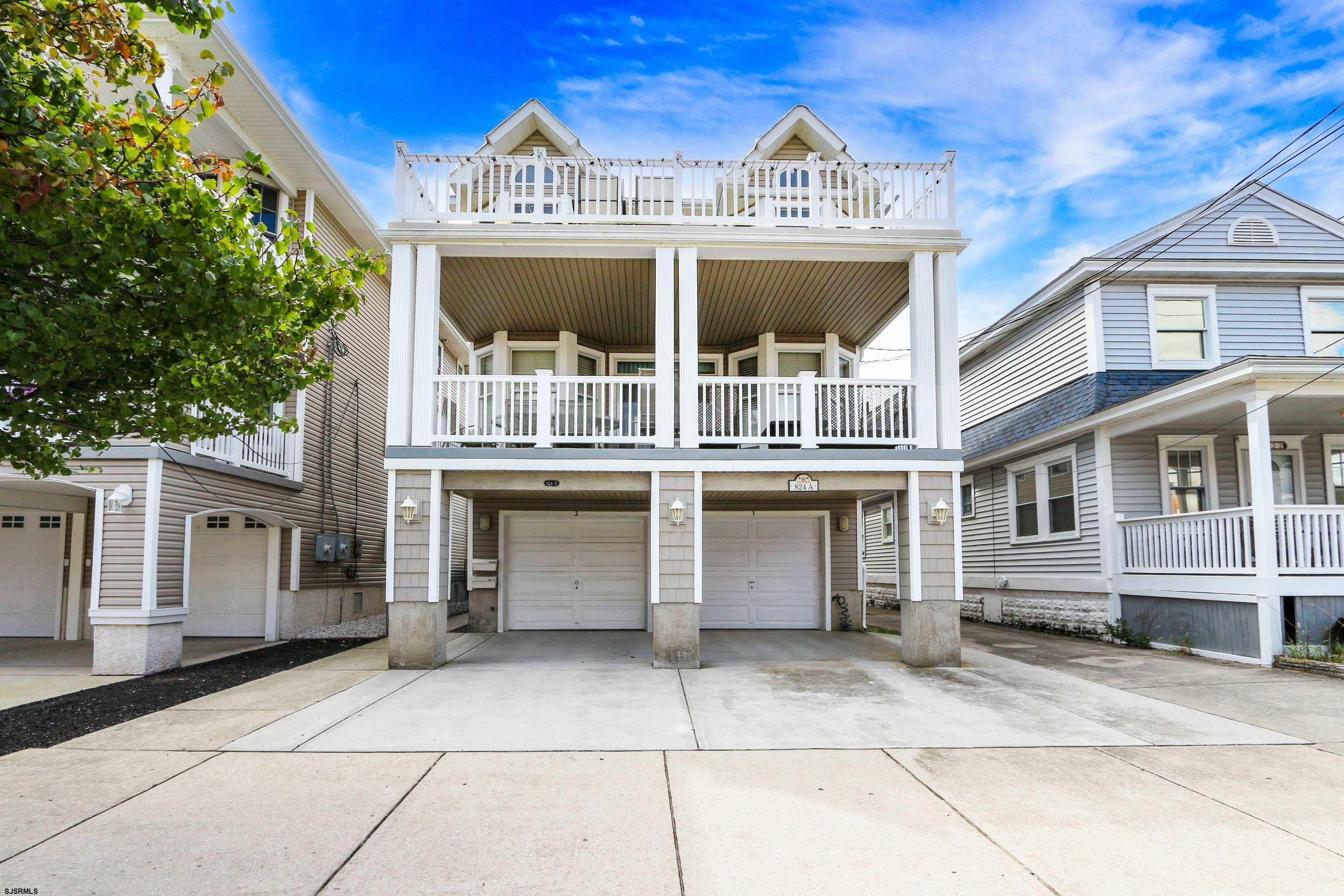
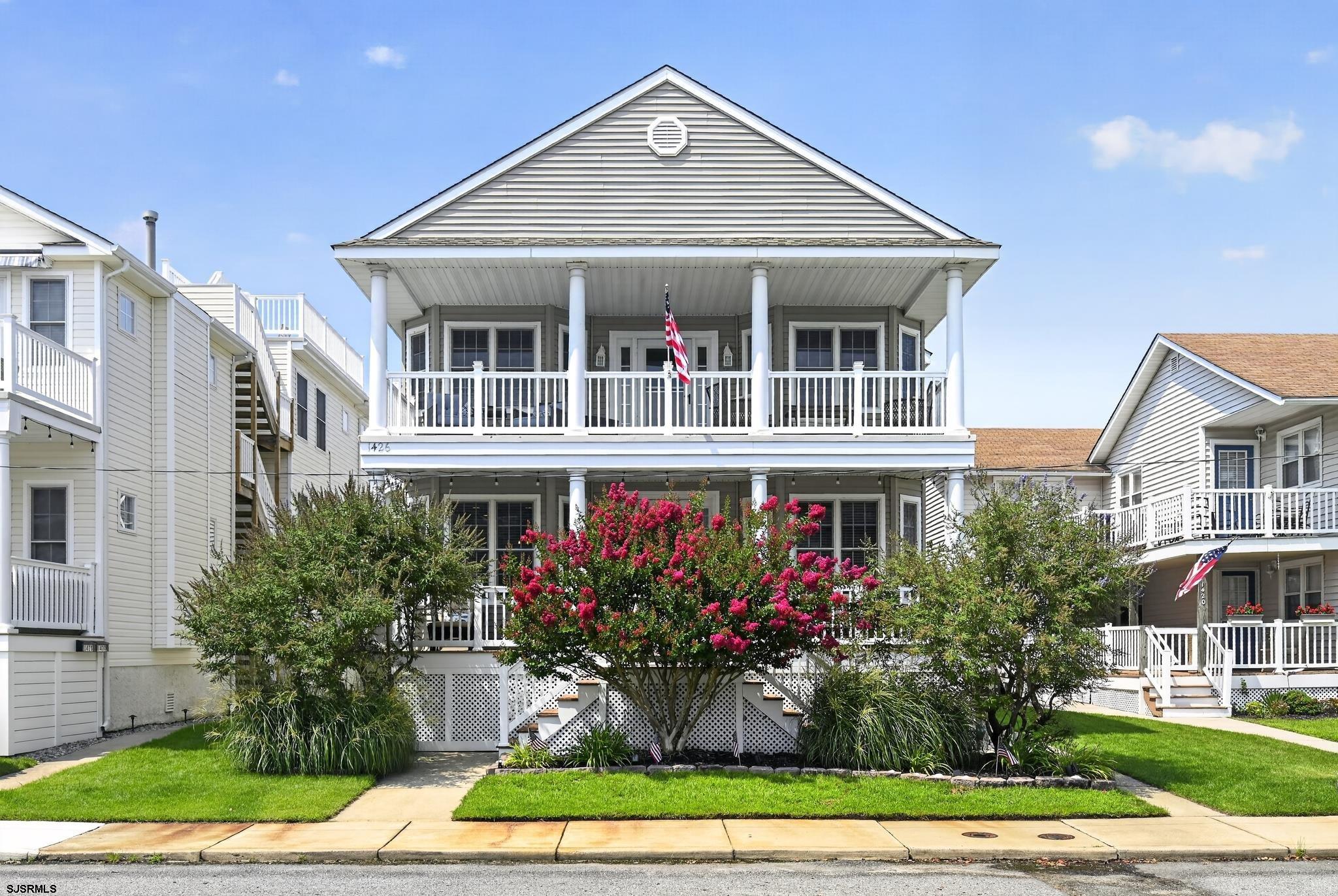
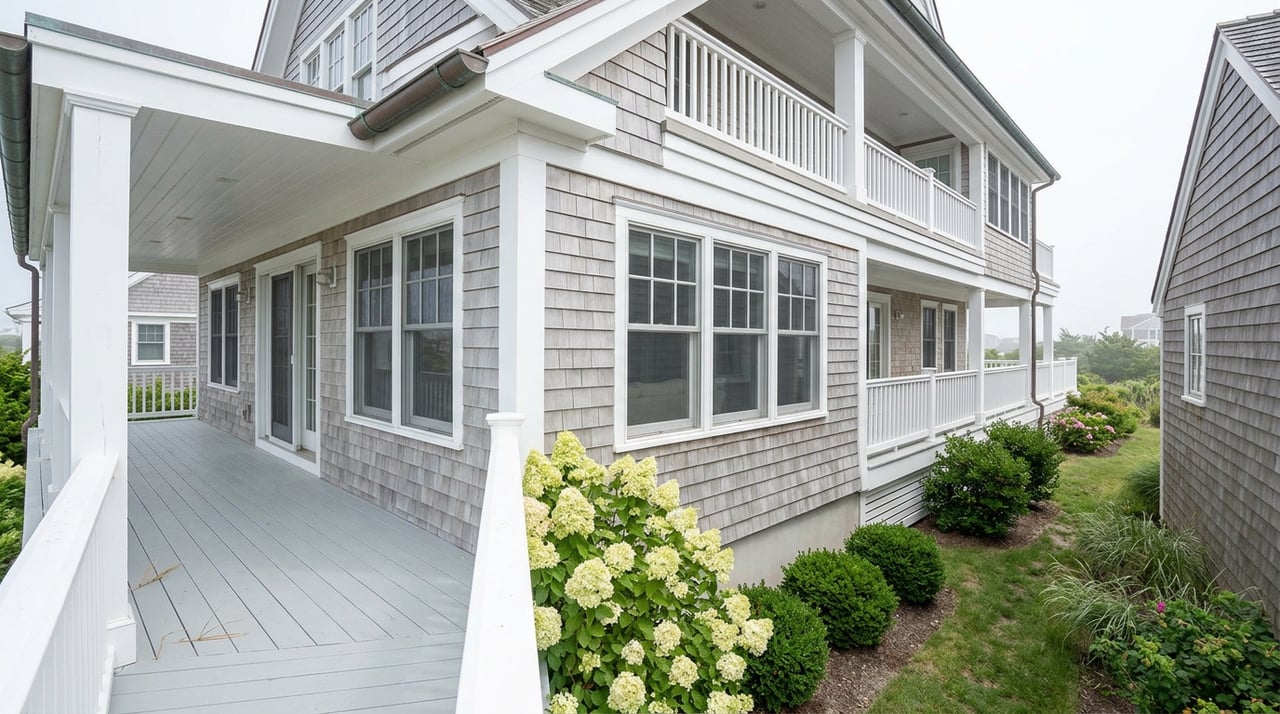
Stacked duplexes are the dominant form — two-unit structures with an independent ground-floor and second-floor residence, each with its own covered deck. They run throughout the neighborhood from Ocean Avenue to West Avenue.
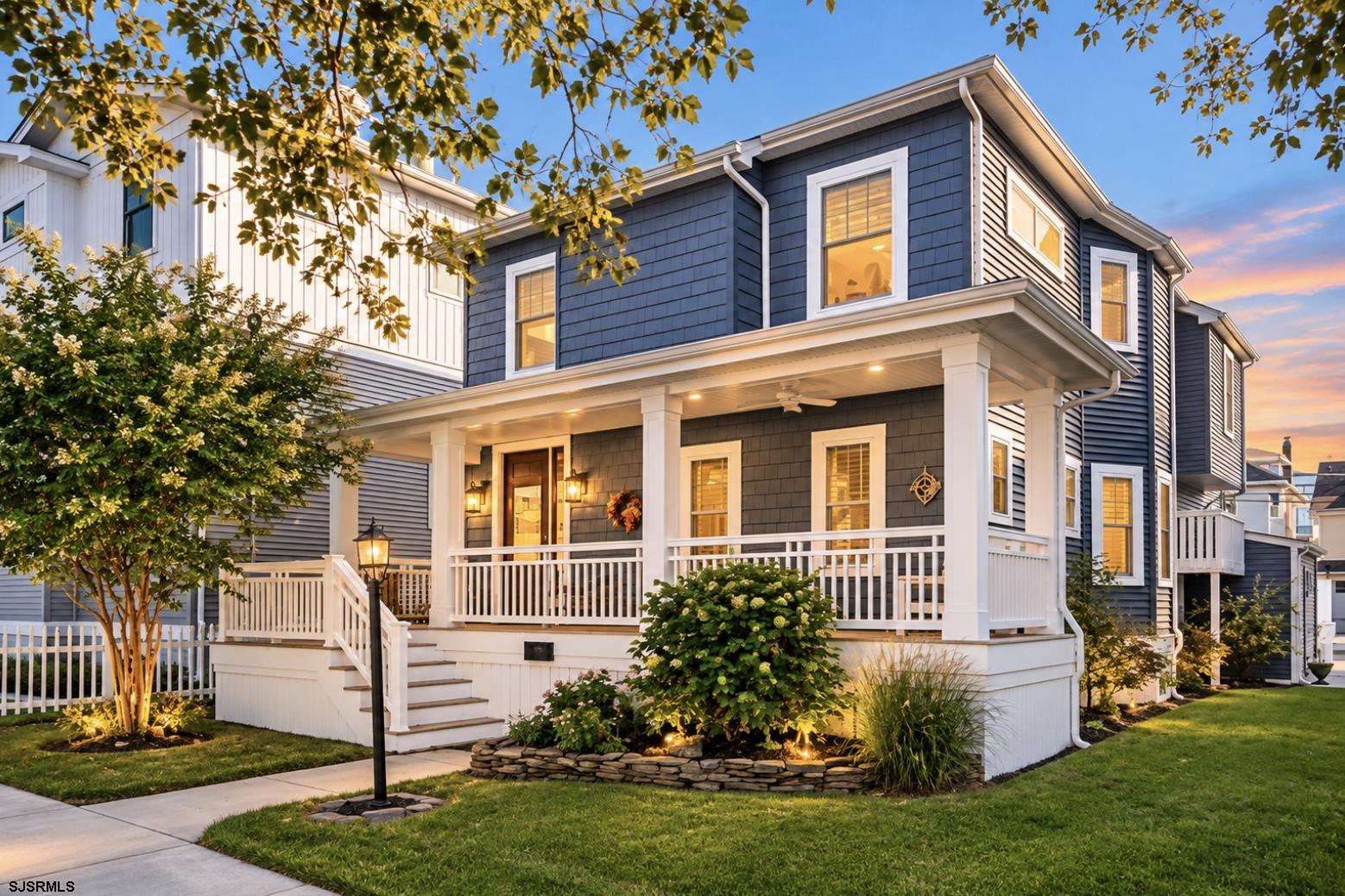
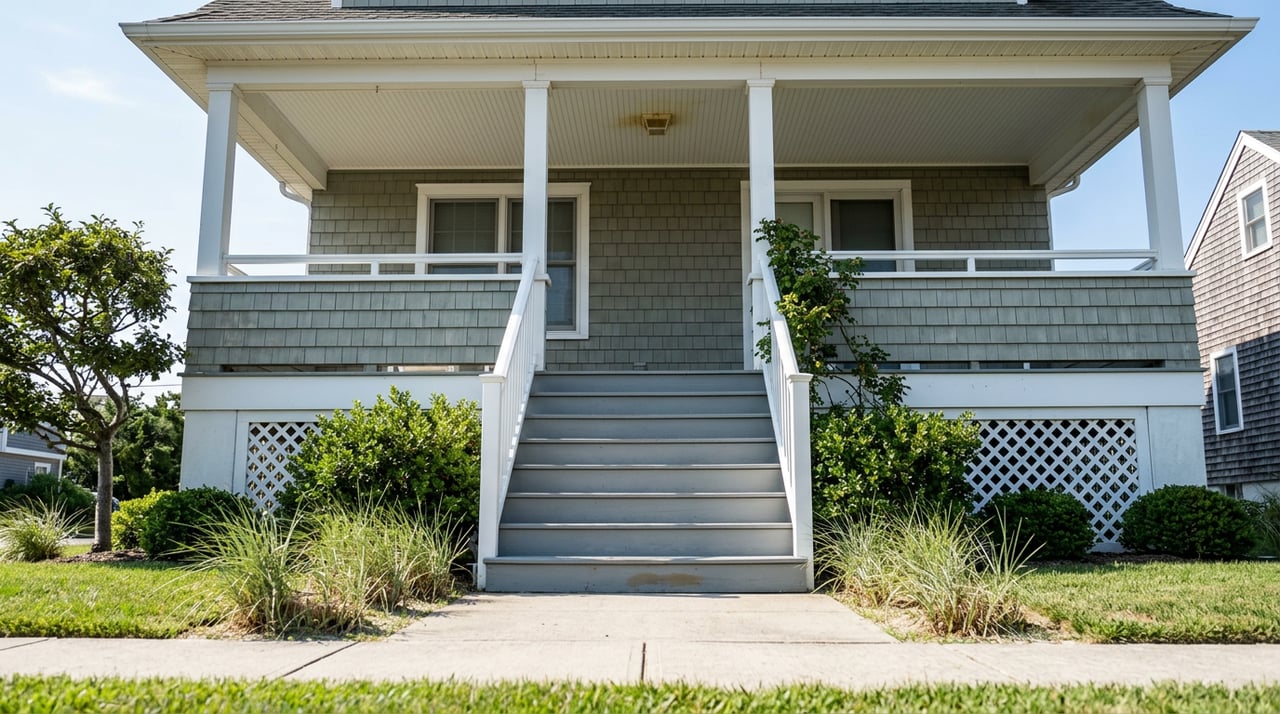
Historic and Craftsman-era single-families survive in pockets, mostly along Wesley, Ocean, and Asbury between 12th and 18th. Cedar shake siding, deep front porches, original wood trim. These are the homes that give the older blocks their character.
New construction on tear-down lots is the defining dynamic right now. Older mid-century cottages on standard 30x100 and 40x100 lots get acquired, demolished, and replaced with elevated three- to five-bedroom coastal units featuring elevators and garage parking. This is happening island-wide, but it's especially visible in Central because the older stock here was denser to begin with.
Bayfront and lagoon properties on the western perimeter along Bay Avenue and Lagoon Drive are a different product entirely — custom single-families with bulkheads, private boat slips, and multi-level decks facing the marshes.
If you're buying an older structure in Central, understand that you may be buying it for the land. That's not a bad thing — it's often the smartest purchase on the block — but it should be a deliberate decision, not a surprise.
Central holds value well. Demand comes from two directions at once — investors chasing rental yield and families buying long-term vacation homes — which keeps a floor under pricing even when broader conditions soften.
Metric | Current Range |
|---|---|
Median sale price (all property types) | $1,012,000 – $1,130,000 |
List-to-sale ratio | 97% – 98% |
Average days on market (priced correctly) | 30 – 45 days |
Months of supply | 2.5 – 3.5 months |
That months-of-supply figure is the one to watch. Under four months is a seller-leaning market, and Central has held in that range consistently. The list-to-sale ratio tells you something else: properties here close within two to three percent of asking, which means aggressive lowball offers rarely go anywhere on well-priced inventory.
The flip side — and I tell every seller this — mispriced listings in Central sit. The 30-to-45-day figure applies to homes priced to the market. Homes priced to hope run considerably longer.
Ocean City is a narrow barrier island, and value follows a steep east-to-west gradient. One block can change a valuation by six figures. This is the single most useful thing to understand before you start touring.
Value peaks at both ends — oceanfront on the east, true waterfront on the west — and dips in the middle:
Beachfront / Ocean Avenue (east of Wesley): $2,000,000 – $6,000,000+. Direct views, no streets to cross to reach sand, top-of-market weekly rental rates. The trade-offs are carrying costs and constant exposure to salt air and wind, which means more maintenance than buyers typically budget for.
Wesley and Ocean Avenues (one to two blocks from the beach): $1,300,000 – $2,500,000. Strong rental demand because guests can walk to the beach in under two minutes without crossing a major road. For pure rental economics, this tier often outperforms oceanfront on a dollar-invested basis.
Central and Asbury Avenues (mid-island): $950,000 – $1,600,000. The sweet spot and the baseline for a standard three- or four-bedroom duplex unit. Walkable to both the beach and downtown. This is where most Central transactions happen.
West Avenue (inland interior): $750,000 – $1,200,000. The entry point — single-floor condos and smaller single-families. Popular with year-round residents who want quiet and don't need to be steps from the sand.
Bay Avenue and Lagoon Drive (direct western waterfront): $1,800,000 – $4,500,000+. Value here isn't about beach proximity at all. It's about deep-water access, boat slips, and sunsets over the marsh. Boaters routinely pay oceanside money for bayside frontage, and buyers who don't boat often overlook this tier entirely.
Every buyer on a barrier island needs to understand this before making an offer, not after.
Most of Central sits in an AE flood zone, which requires finished living space to be elevated above the Base Flood Elevation (BFE). The outer oceanfront and beachfront blocks push into VE zones, where wave action is severe enough that FEMA requires piling foundations rather than standard block enclosures. VE-zone construction costs more and insures higher.
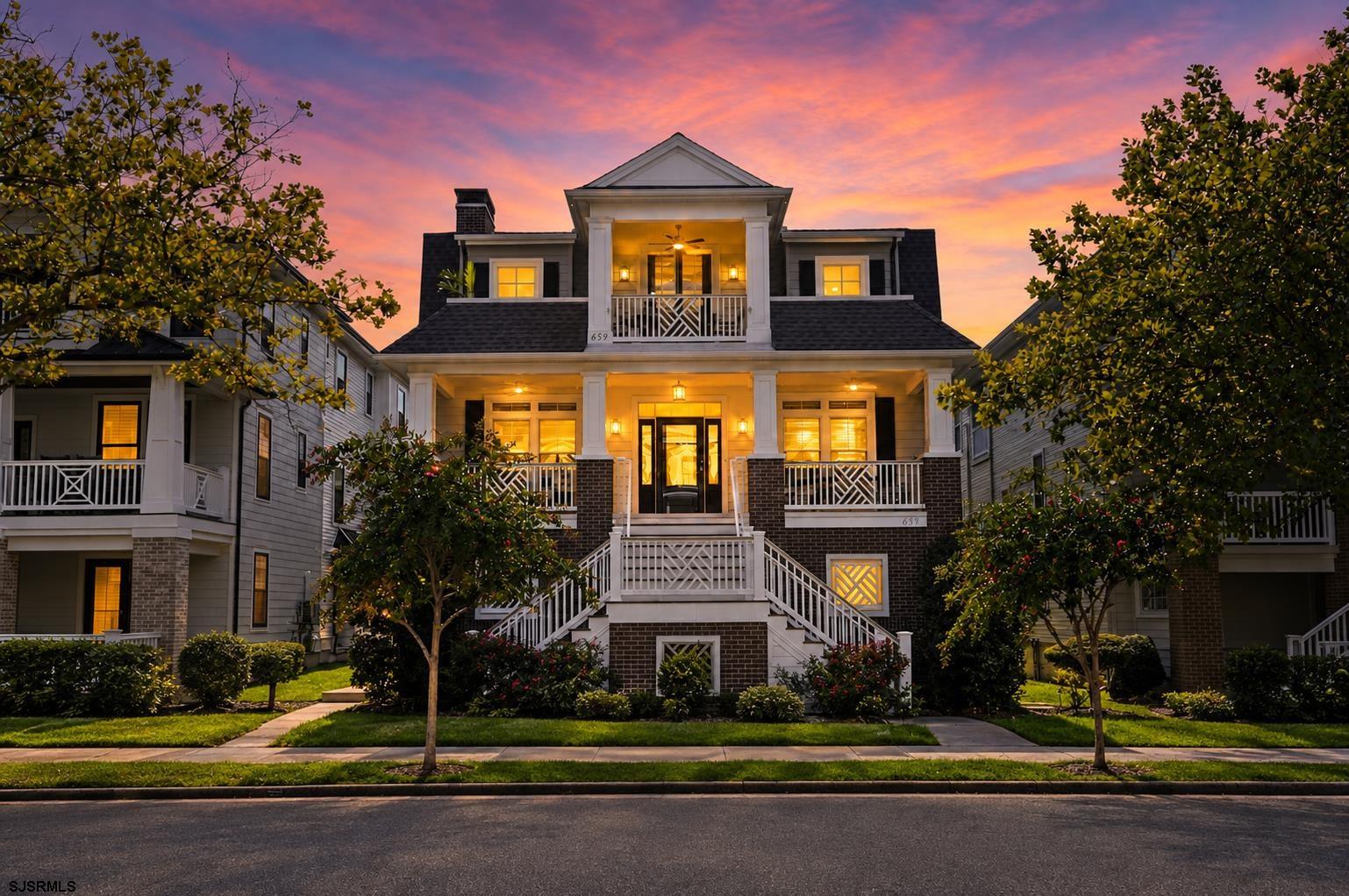
This is why modern Central homes look the way they do. Elevated construction pushes all living space above BFE, leaving the ground floor for parking, storage, and an entry foyer. That's not a design choice — it's code compliance.
The good news, and it's substantial: Ocean City participates in FEMA's Community Rating System and holds a Class 4 rating, which is elite territory nationally. The city earned it through storm pumping stations, bulkhead enforcement, and active dune management. The result is a 30% discount on NFIP flood insurance premiums for local policyholders — real money every year, and a genuine competitive advantage over comparable shore markets.
When you're comparing two properties, ask for the elevation certificate early. The difference between a compliant elevated structure and an older non-conforming one can be thousands of dollars a year in premiums.
This is the honest downside of Central, and it doesn't apply the same way anywhere else on the island. Higher density plus boardwalk ramps plus a downtown commercial district equals real congestion from mid-June through August.
Street parking is free west of Wesley Avenue, but spaces fill fast in season. Blocks between 6th and 14th near Asbury and the Boardwalk use metered or pay-by-app zones. In practice, this makes off-street parking one of the most valuable features a Central property can have. An attached garage or a tandem driveway measurably affects both rental income and resale value here, in a way it simply doesn't in the South End where curb space is plentiful.
Traffic on Asbury, Central, and West Avenues peaks twice daily in season — roughly 9:00 to 11:00 in the morning as people head to the beach, and again from 9:00 to 11:00 at night as the boardwalk empties out.
Most people adapt by riding bikes. The Haven Avenue bike path lets you cover the length of the neighborhood without touching the main thoroughfares, and it's the reason so many Central households functionally operate with one fewer car in summer than they do at home.
Central is where the island's civic infrastructure actually sits, which is a large part of why year-round residents concentrate here.
Ocean City High School (6th & Atlantic) and Ocean City Intermediate School (18th & Bay) both fall within or immediately adjacent to Central, serving island students plus sending districts from neighboring mainland towns.
The 17th Street Community Center, at 17th and Simpson, is the practical hub of the island. Under one roof it holds an aquatic and fitness center with a 25-meter indoor pool, the Ocean City Free Public Library, the Arts Center with pottery and painting classes, the Historical Museum, and a senior center with daily programming. For families and for retirees, this building is a bigger quality-of-life factor than most buyers anticipate.
The Ocean City Tabernacle at 6th & Asbury runs Sunday speakers, musical performances, and the Wednesday summer farmers market that draws steady crowds all season.
Public recreation — tennis and pickleball courts, baseball fields, basketball courts, and skate parks — sits along the Haven and Bay Avenue corridors, within biking distance of most Central addresses.
Central produces some of the most reliable short-term rental returns on the island because it satisfies both things families want: beach access and walkable entertainment.
Unit Type | Location | Peak Weekly Rate | Est. Gross Annual |
|---|---|---|---|
3BR/2BA condo or duplex | Bayside / West Ave | $2,200 – $3,800 | $28,000 – $42,000 |
3–4BR duplex unit | Central / Asbury Ave | $3,500 – $5,500 | $45,000 – $65,000 |
4–5BR new construction | Ocean / Wesley Ave | $6,000 – $10,000+ | $75,000 – $120,000+ |
Single-family beachfront | Direct ocean frontage | $12,000 – $22,000+ | $150,000 – $250,000+ |
The revenue window is narrow and front-loaded. Roughly ten to twelve weeks between mid-June and late August generate the overwhelming majority of annual income, and properties within walking distance of the Boardwalk — call it 12th to 20th Streets — command a clear premium from families with kids.
Shoulder season adds meaningful upside if you market for it. The Spring and Fall Block Parties, Night in Venice, and Christmas in Ocean City all pull weekend demand into May, September, and October.
Budget realistically for management. Rental-only placement through a local brokerage typically runs 10% to 12%. Full turnkey management — turnover cleanings, guest check-ins, maintenance calls — runs 15% to 20%. Investors who model gross revenue without subtracting these numbers consistently overestimate their returns.
I'd rather you buy the right block than buy quickly, so here's the straight version.
Central works well if you want to park the car Friday afternoon and not touch it until Sunday — walking or biking to the beach, the boardwalk, morning coffee, and dinner. It works if you're an investor optimizing for that ten-to-twelve-week rental window and you want the boardwalk proximity that families search for. And it works if you have kids or teenagers who'll actually use Gillian's, Castaway Cove, the arcades, and the community center.
Look elsewhere if quiet is your priority. If you picture empty beaches and silent streets in July, the South End from 35th to 59th, or the Gardens up north, will serve you far better. Also reconsider if tight street parking or living wall-to-wall with duplex neighbors would wear on you — that friction is structural in Central and it won't improve.
There's no wrong answer here. There's just the version of Ocean City you actually want, and it's worth being honest with yourself about which one that is before you write an offer.
I've been helping clients buy and sell on this island since 1985, with three decades as a top producer here, and I lead a team of four agents and two specialty coordinators so that nothing falls through the cracks between contract and closing. My work spans residential resales, new construction, and development, which matters in a neighborhood like Central where a large share of transactions involve tear-down potential, elevation questions, or rental income analysis rather than a straightforward move-in purchase. If you're weighing a specific block, trying to understand what a property will realistically rent for, or deciding whether to renovate or rebuild, I'm glad to walk through it with you honestly — including the times the answer is "this isn't the right property."
Cheryl Huber | The Cheryl Huber Team
Berkshire Hathaway HomeServices Fox & Roach
109 34th St, Ocean City, NJ 08226
Mobile: (609) 602-2322
Email: [email protected] NJ
License #8433611
There's plenty to do around Central, including shopping, dining, nightlife, parks, and more. Data provided by Walk Score and Yelp.
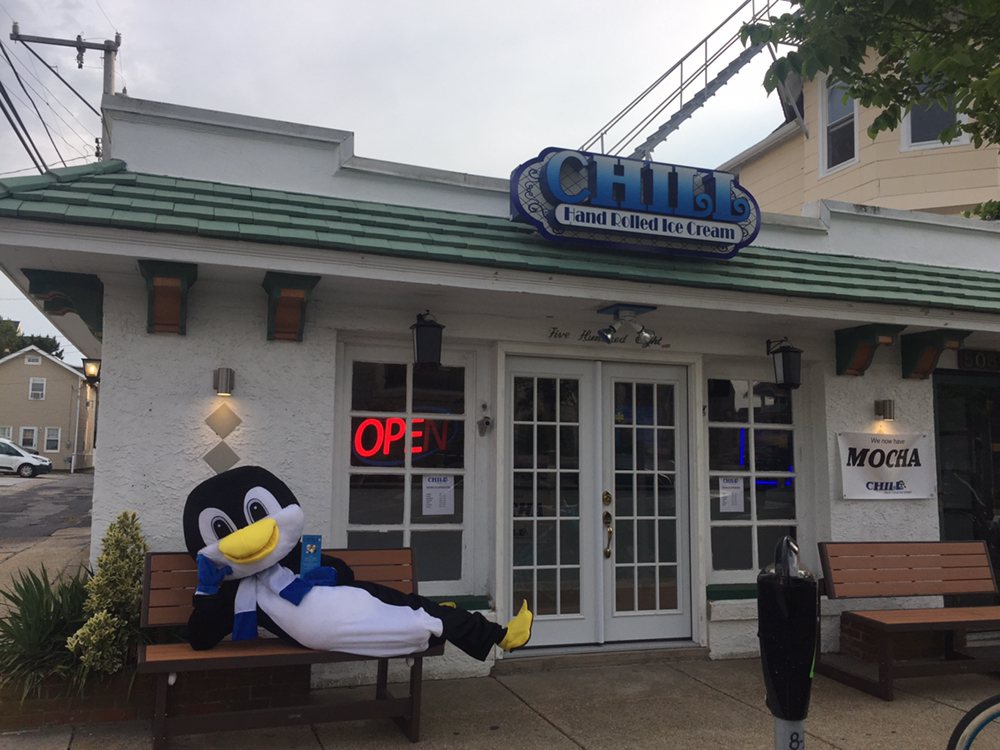
Explore popular things to do in the area, including The Shore Thing, Donkey's Place, and Chill Hand Rolled Ice Cream.
| Name | Category | Distance | Reviews |
Ratings by
Yelp
|
|---|---|---|---|---|
| Dining · $ | 0.15 miles | 4 reviews | 2/5 stars | |
| Dining | 0.15 miles | 0 reviews | 0/5 stars | |
| Dining · $$ | 0.15 miles | 3 reviews | 4/5 stars | |
| Dining | 0.17 miles | 3 reviews | 1.3/5 stars | |
| Dining | 0.17 miles | 10 reviews | 3.4/5 stars | |
| Dining · $$ | 0.18 miles | 718 reviews | 3.6/5 stars | |
| Dining · $ | 0.19 miles | 43 reviews | 4.3/5 stars | |
| Dining · $ | 0.19 miles | 27 reviews | 2.3/5 stars | |
| Dining | 0.19 miles | 0 reviews | 0/5 stars | |
| Shopping | 0.1 miles | 13 reviews | 4.4/5 stars | |
| Shopping | 0.11 miles | 16 reviews | 4.1/5 stars | |
| Shopping | 0.16 miles | 1 review | 1/5 stars | |
| Active | 0.05 miles | 0 reviews | 0/5 stars | |
| Active | 0.07 miles | 14 reviews | 5/5 stars | |
| Active | 0.08 miles | 0 reviews | 0/5 stars | |
| Active | 0.11 miles | 8 reviews | 5/5 stars | |
| Active | 0.14 miles | 62 reviews | 3.3/5 stars | |
| Active | 0.17 miles | 0 reviews | 0/5 stars | |
| Active | 0.17 miles | 0 reviews | 0/5 stars | |
| Active | 0.19 miles | 0 reviews | 0/5 stars | |
| Beauty | 0.09 miles | 2 reviews | 5/5 stars | |
| Beauty | 0.14 miles | 35 reviews | 3.8/5 stars | |
| Beauty | 0.16 miles | 0 reviews | 0/5 stars | |
| Beauty | 0.16 miles | 10 reviews | 4.1/5 stars | |
|
|
||||
|
|
||||
|
|
||||
|
|
||||
|
|
||||
|
|
Central has 1,178 households, with an average household size of 2. Data provided by the U.S. Census Bureau. Here’s what the people living in Central do for work — and how long it takes them to get there. Data provided by the U.S. Census Bureau. 2,495 people call Central home. The population density is 4,708 and the largest age group is Data provided by the U.S. Census Bureau.
Total Population
Population Density Population Density This is the number of people per square mile in a neighborhood.
Median Age
Men vs Women
Population by Age Group
0-9 Years
10-17 Years
18-24 Years
25-64 Years
65-74 Years
75+ Years
Education Level
Total Households
Average Household Size
Average individual Income
Households with Children
With Children:
Without Children:
Marital Status
Blue vs White Collar Workers
Blue Collar:
White Collar:

Explore detailed neighborhood profiles to see what makes each area unique — from amenities to nearby attractions.