1,246 people live in Gardens, where the median age is 59 and the average individual income is $84,628. Data provided by the U.S. Census Bureau.
Total Population
Median Age
Population Density Population Density This is the number of people per square mile in a neighborhood.
Average individual Income
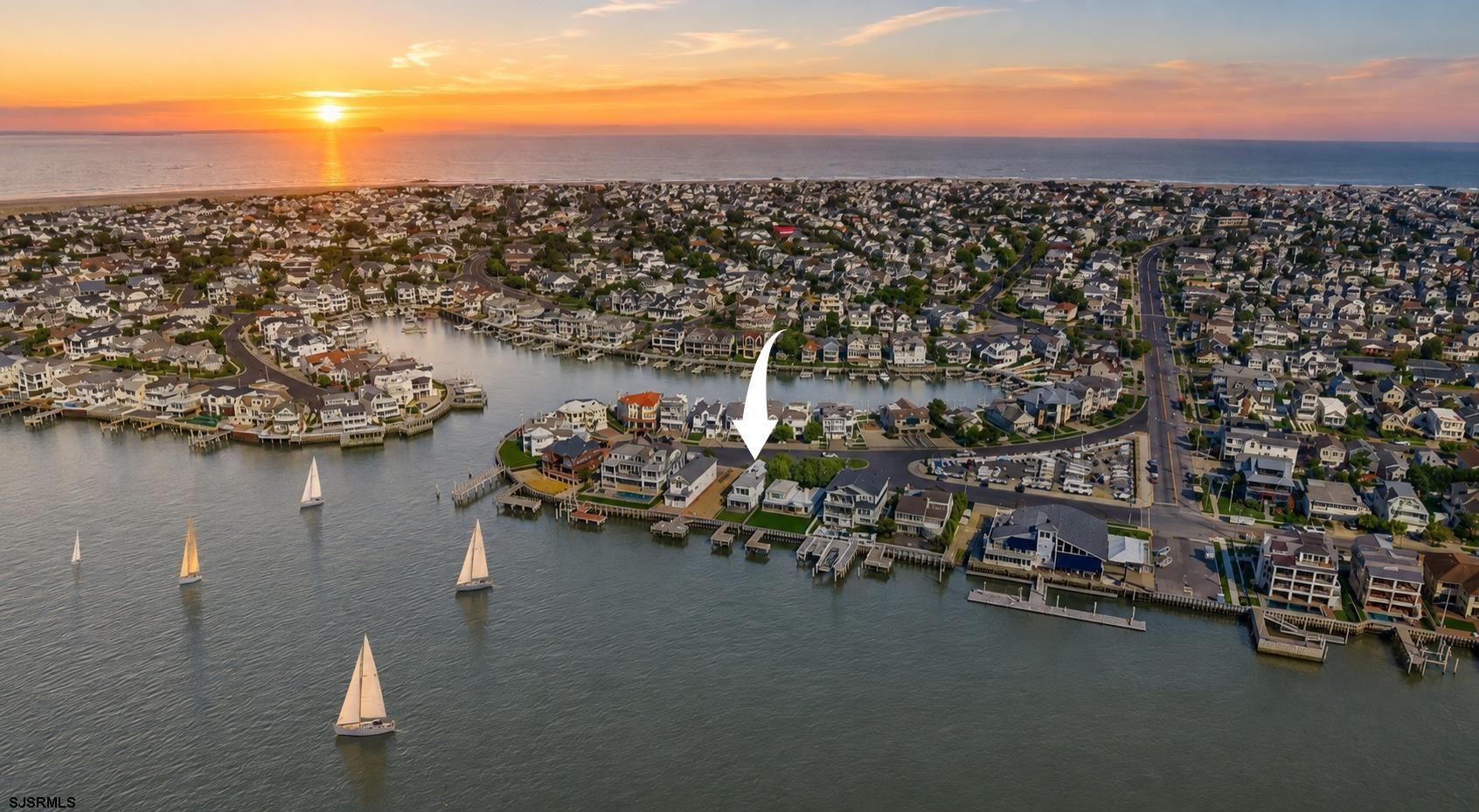
The Gardens is the neighborhood Ocean City buyers tend to discover last and leave last. It sits at the northernmost tip of the island, separated from the rental-heavy central blocks by both distance and disposition. For buyers who want the Jersey Shore without the noise that typically comes with it, this is where the search usually ends.
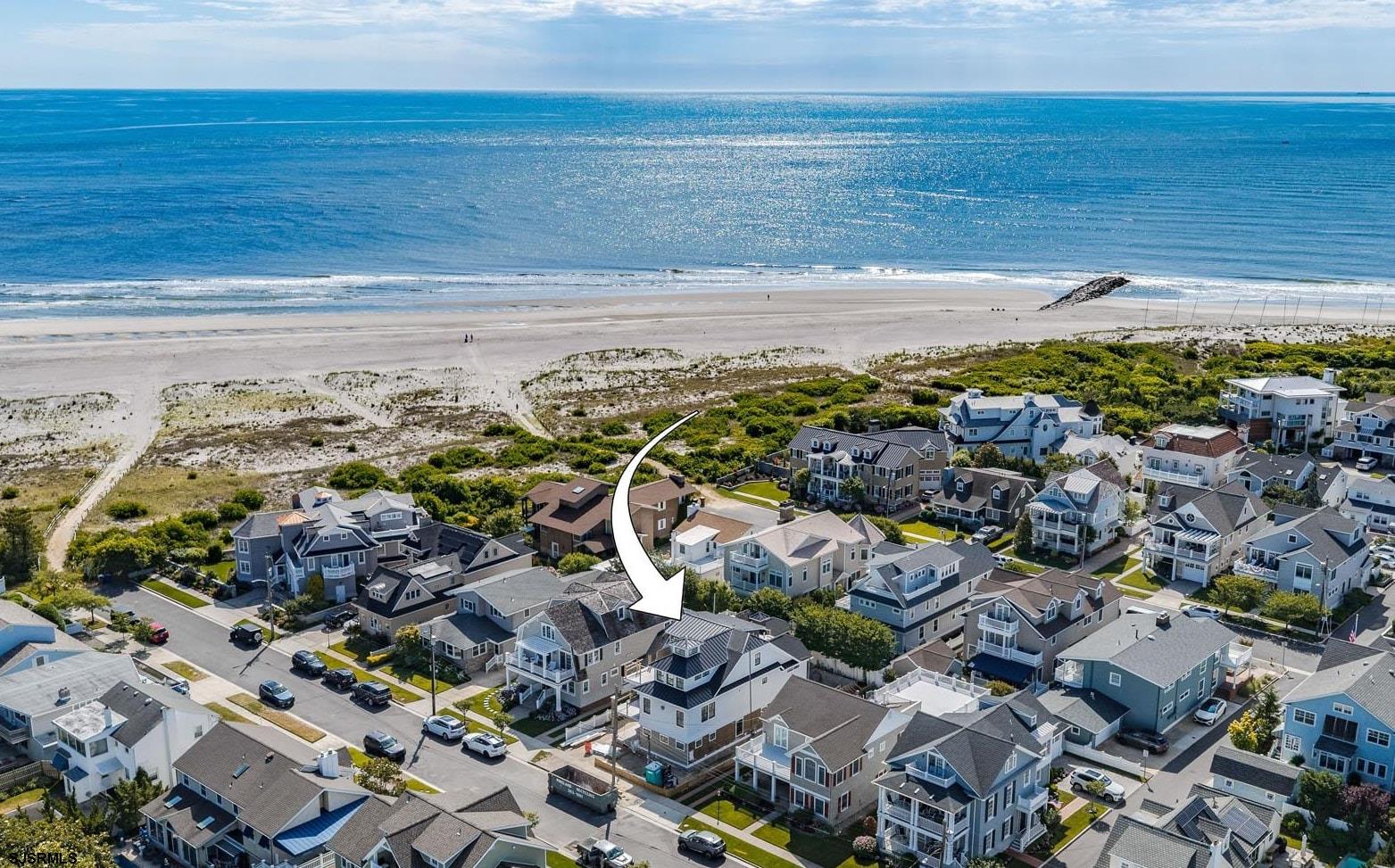
The Gardens occupies a geographic elbow where the Atlantic Ocean meets the Great Egg Harbor Inlet. The neighborhood begins at North Street and extends to the very tip of the island, where the road ends and the water takes over on three sides. To the east is the open ocean; to the north and west, the inlet frames views of the Longport Bridge and the Atlantic City skyline beyond.
What makes this location genuinely distinct is the lack of through traffic. The road system terminates at the inlet, which means the only cars here belong to people who live here. That single fact shapes the entire character of the neighborhood — the pace, the quiet, the sense that you've arrived somewhere rather than passed through it.
Crossing North Street from the rest of Ocean City, the shift is immediate. The dense commercial zones and high-turnover rental blocks give way to wide lots, canopy trees, and an atmosphere that reads more like a private residential community than a beach town.
Most of Ocean City follows a predictable grid. The Gardens does not. The streets here curve, the lots are irregular and large, and the landscaping — including planted median strips along the main corridors — was intentionally designed to evoke something closer to a park than a shore block. That planning decision, made generations ago, is a primary reason the neighborhood has held its character so well.
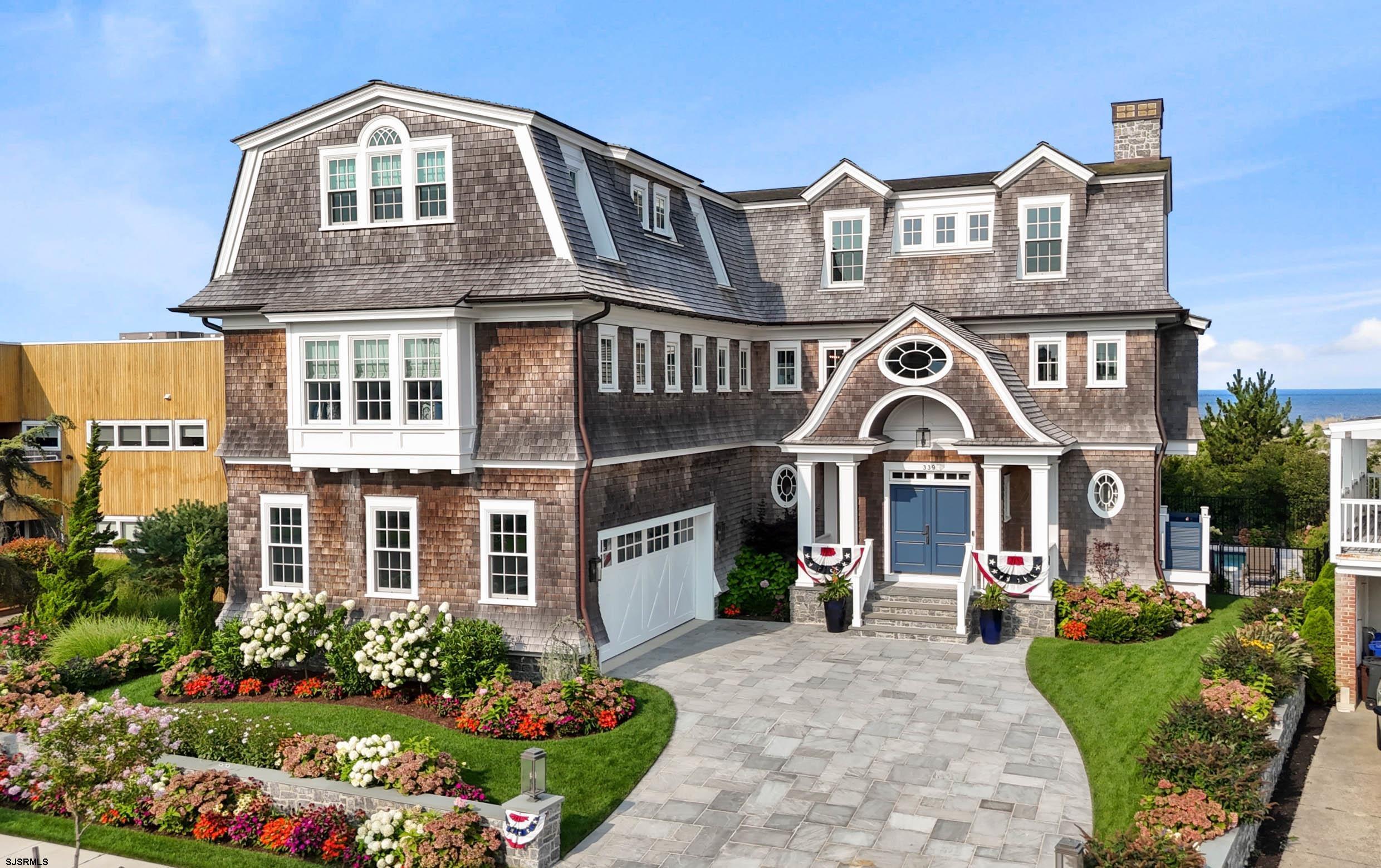
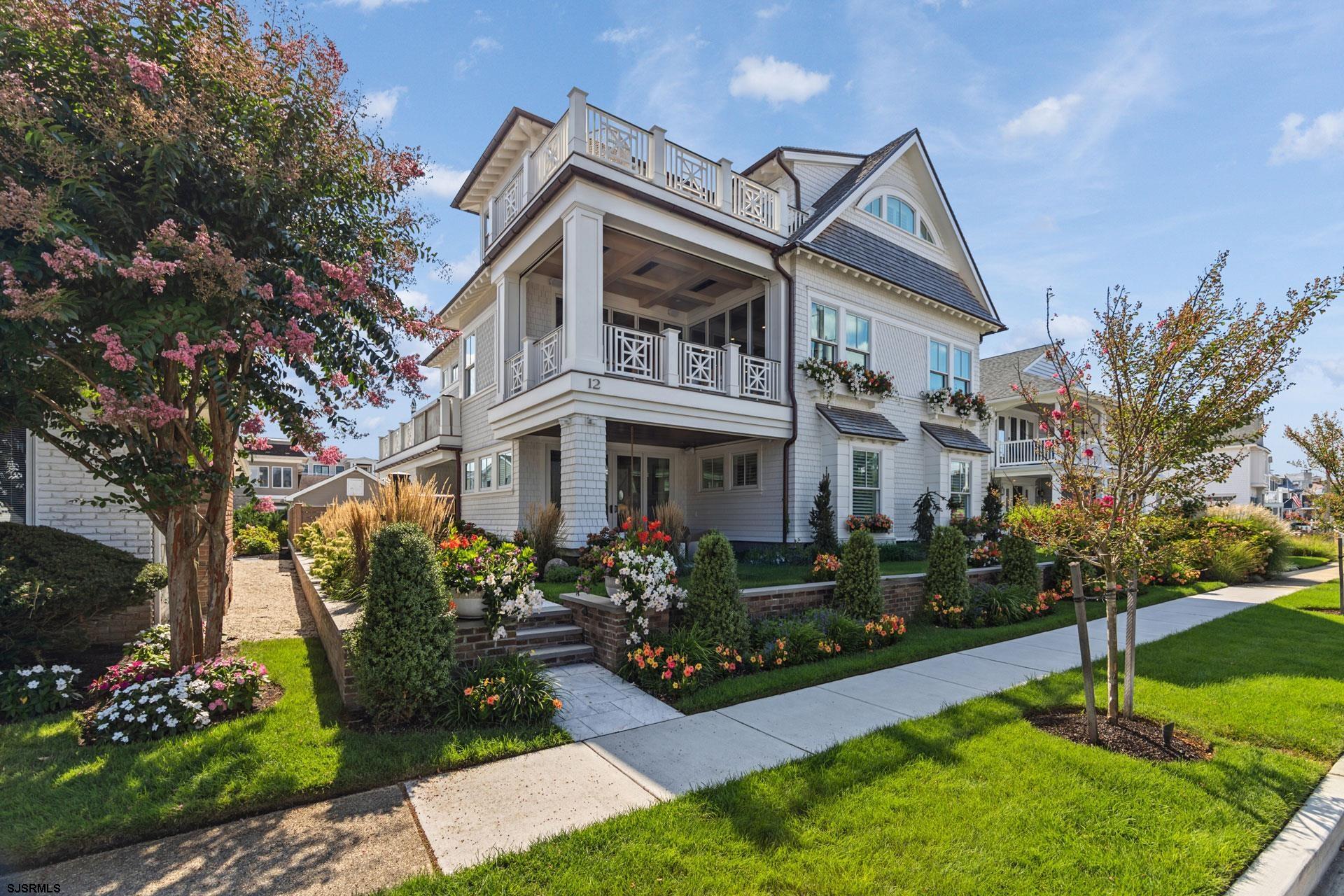
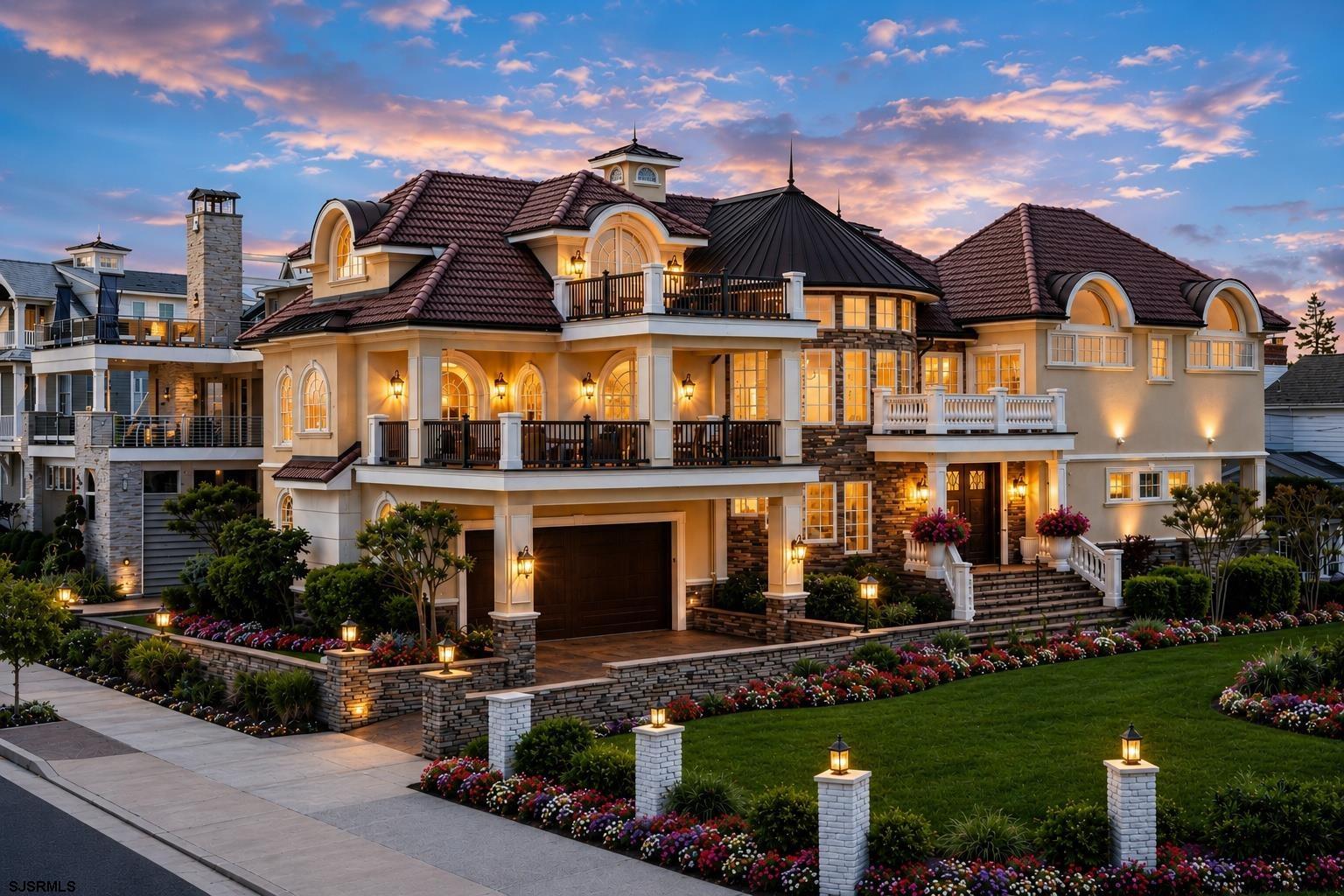
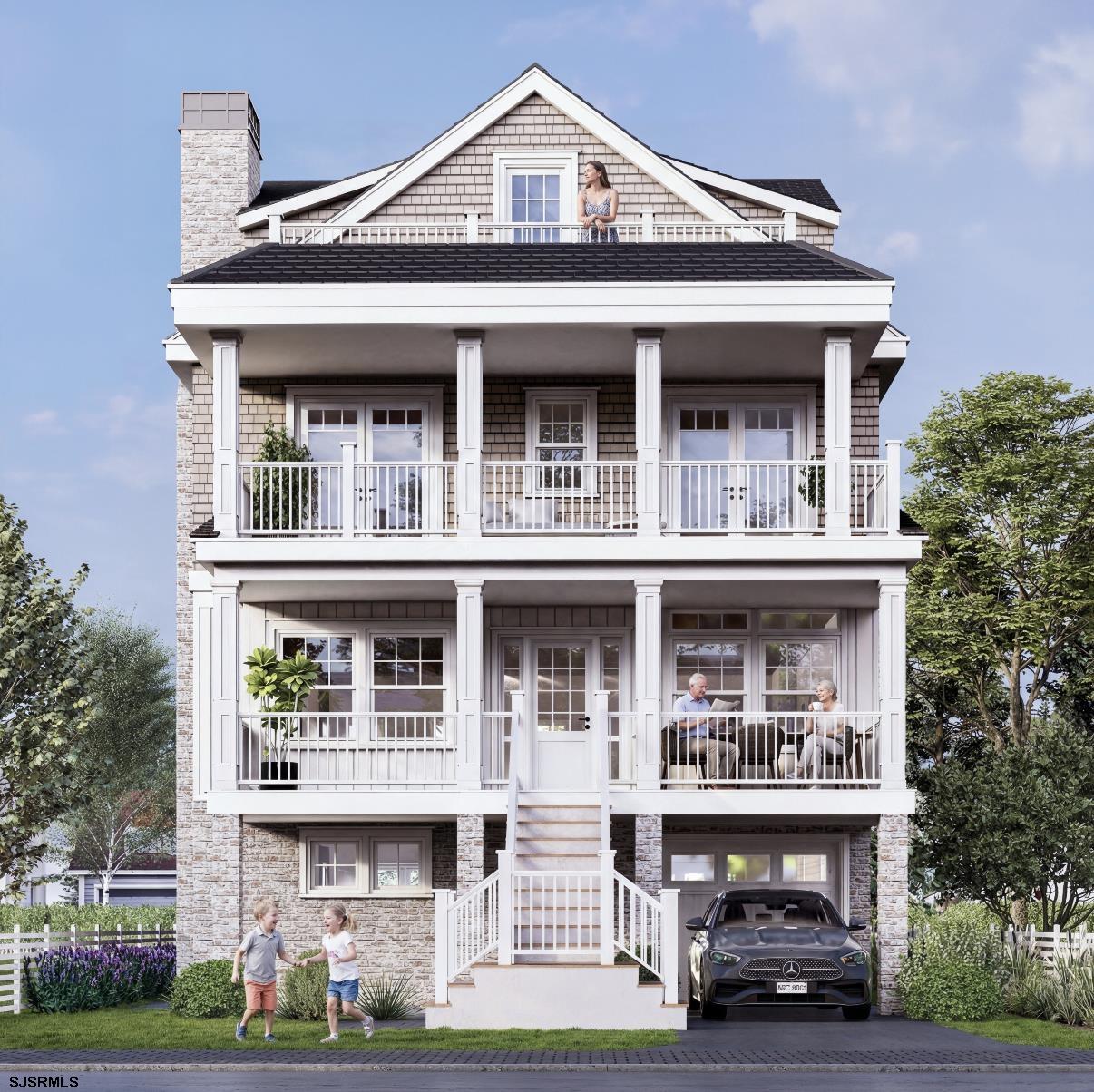
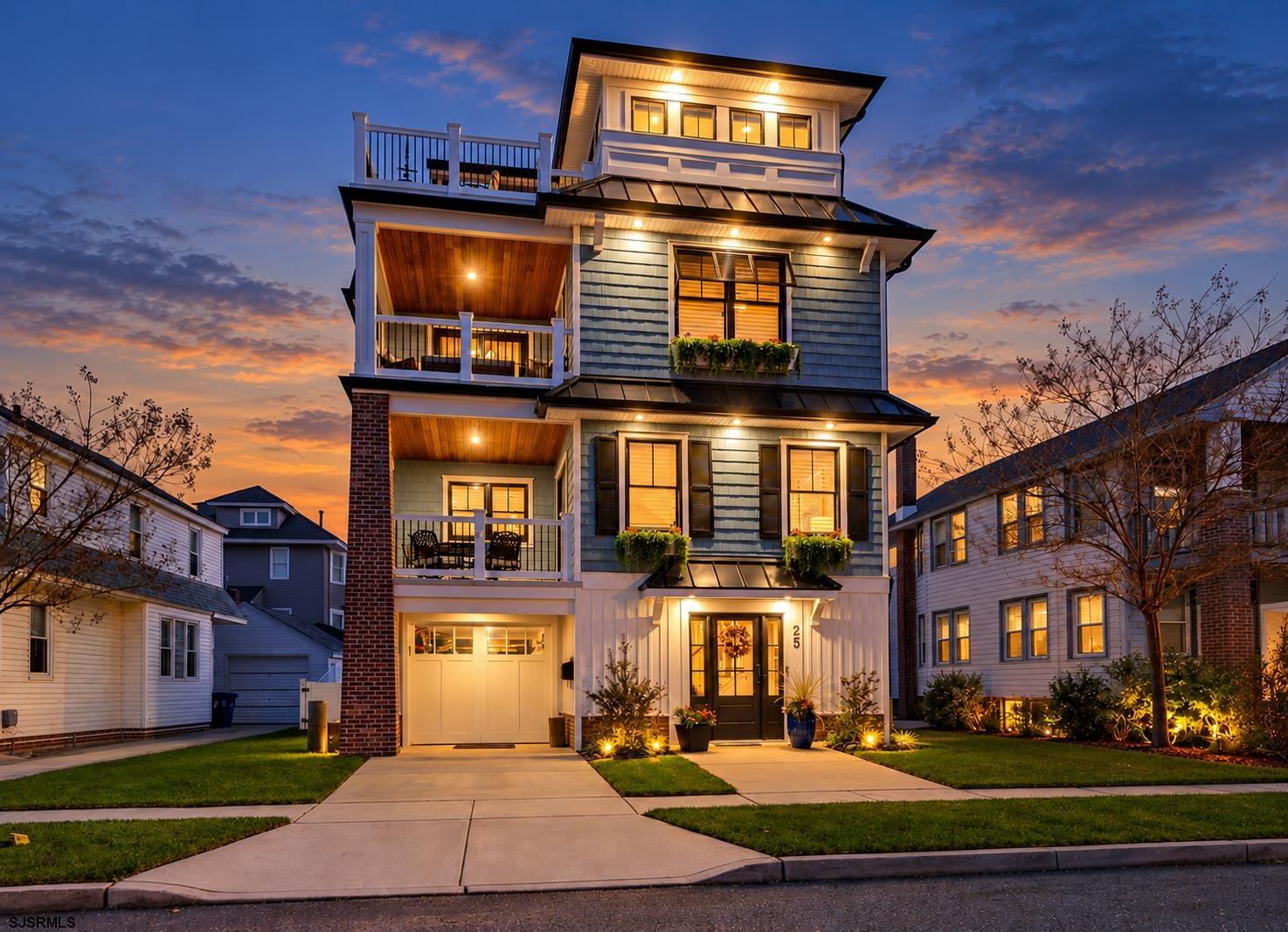
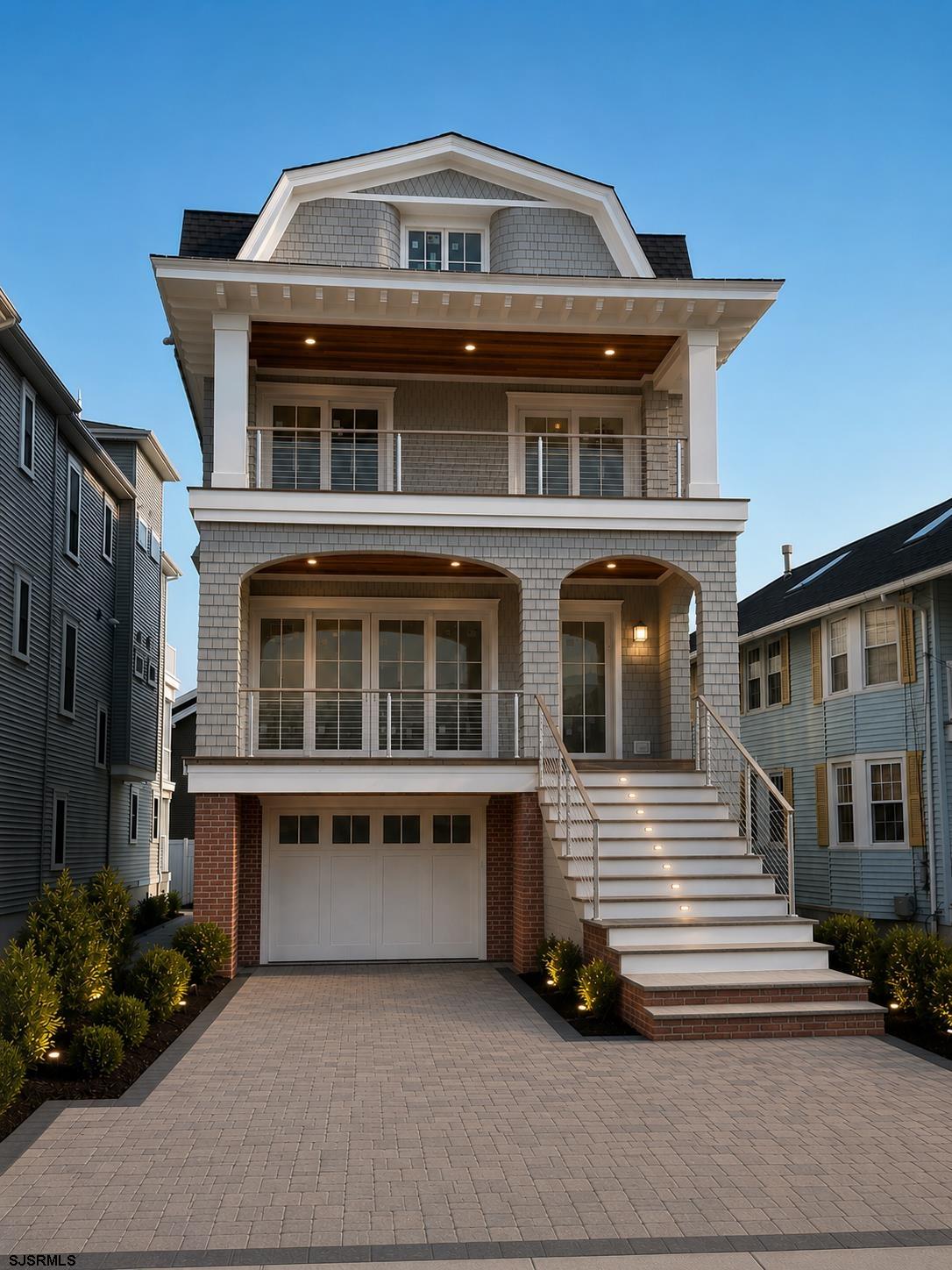
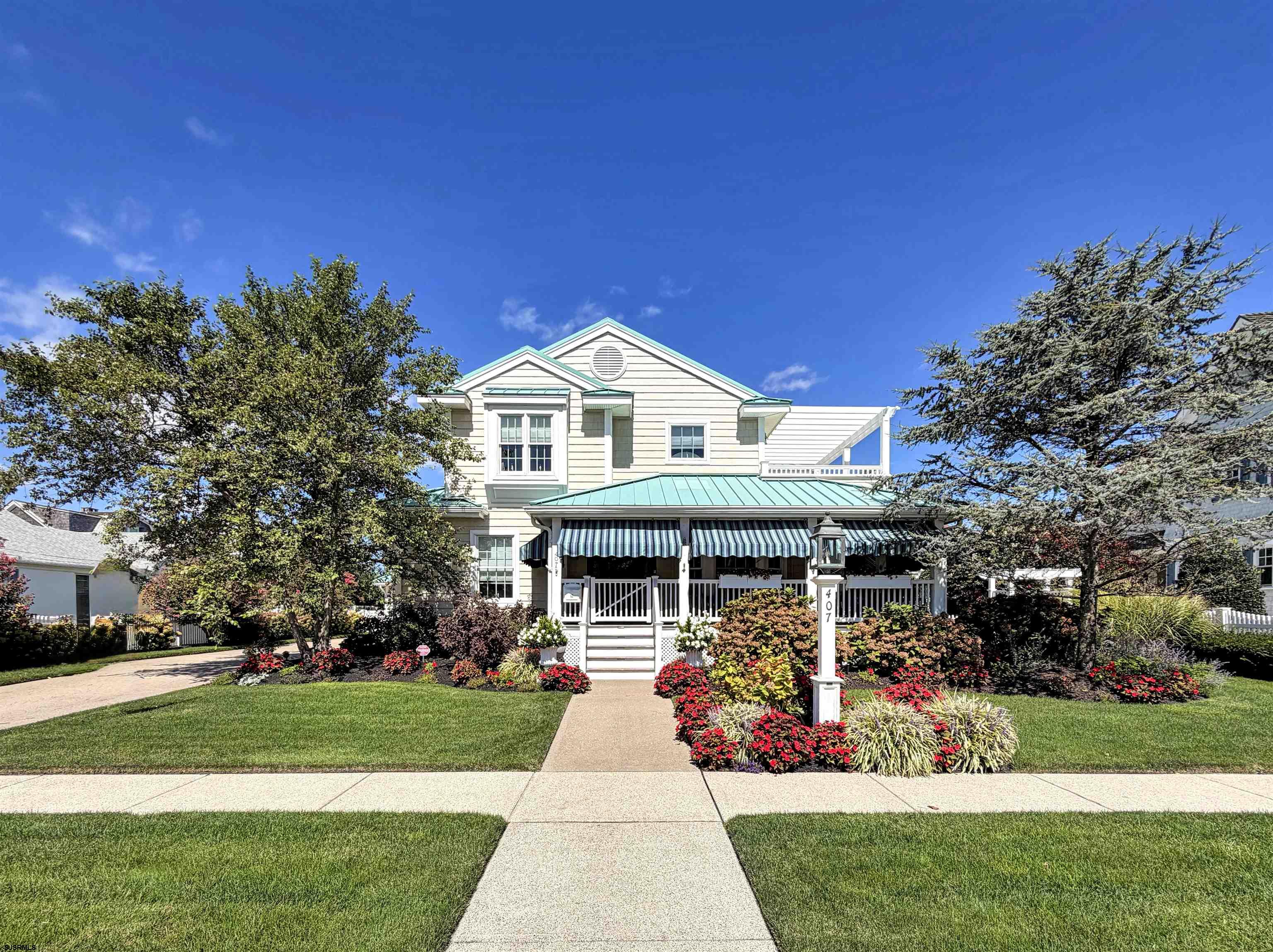
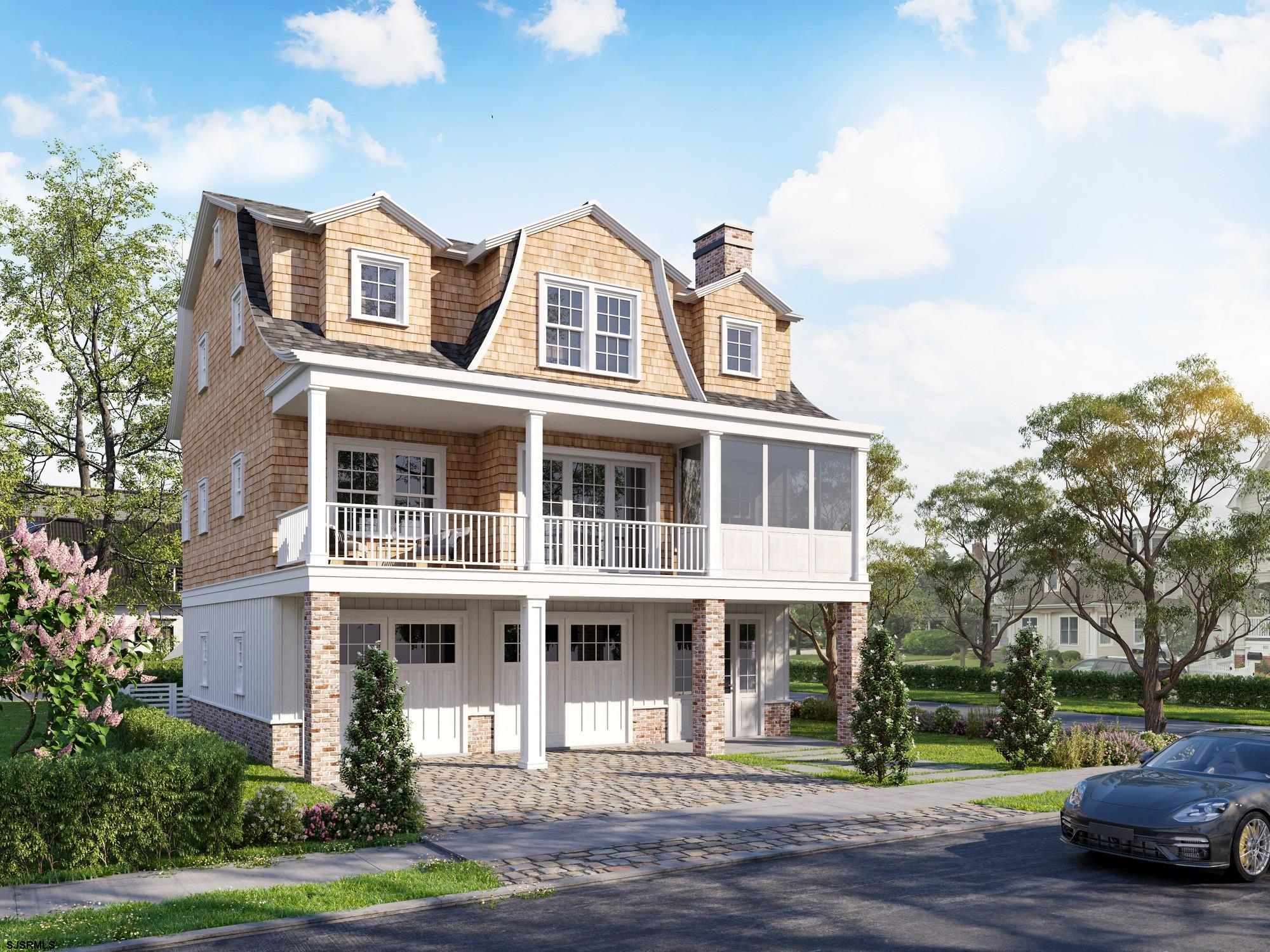
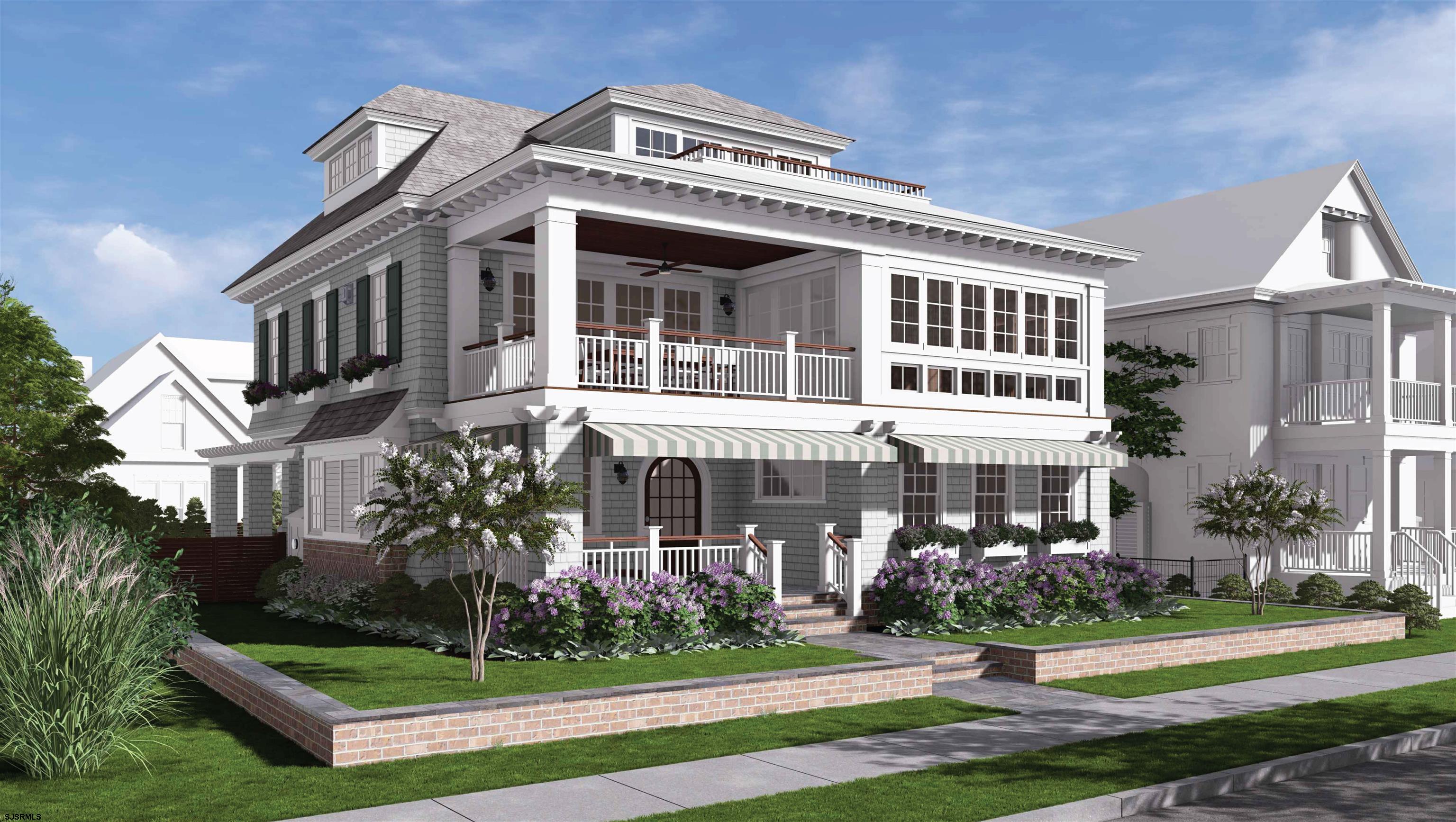
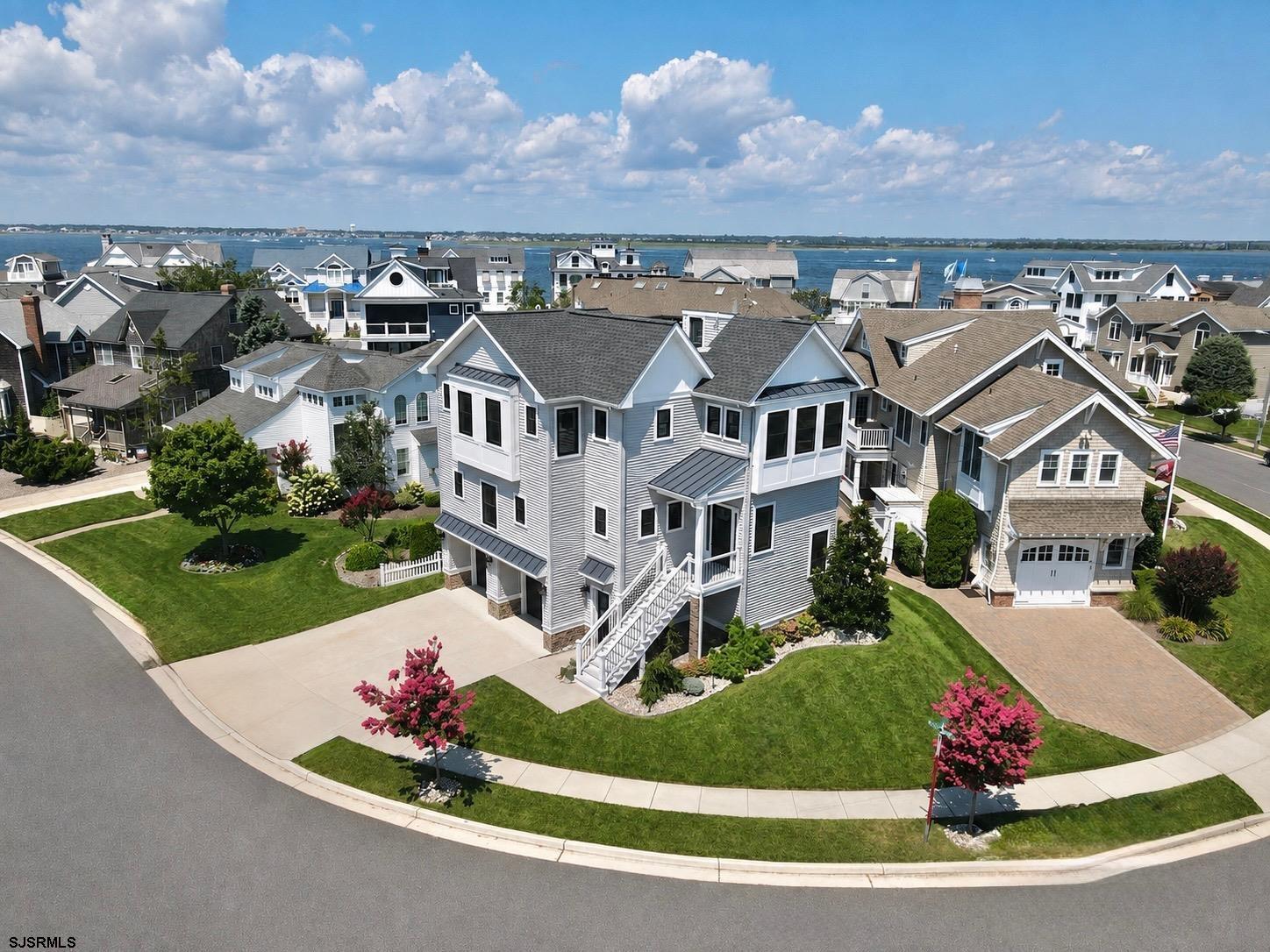
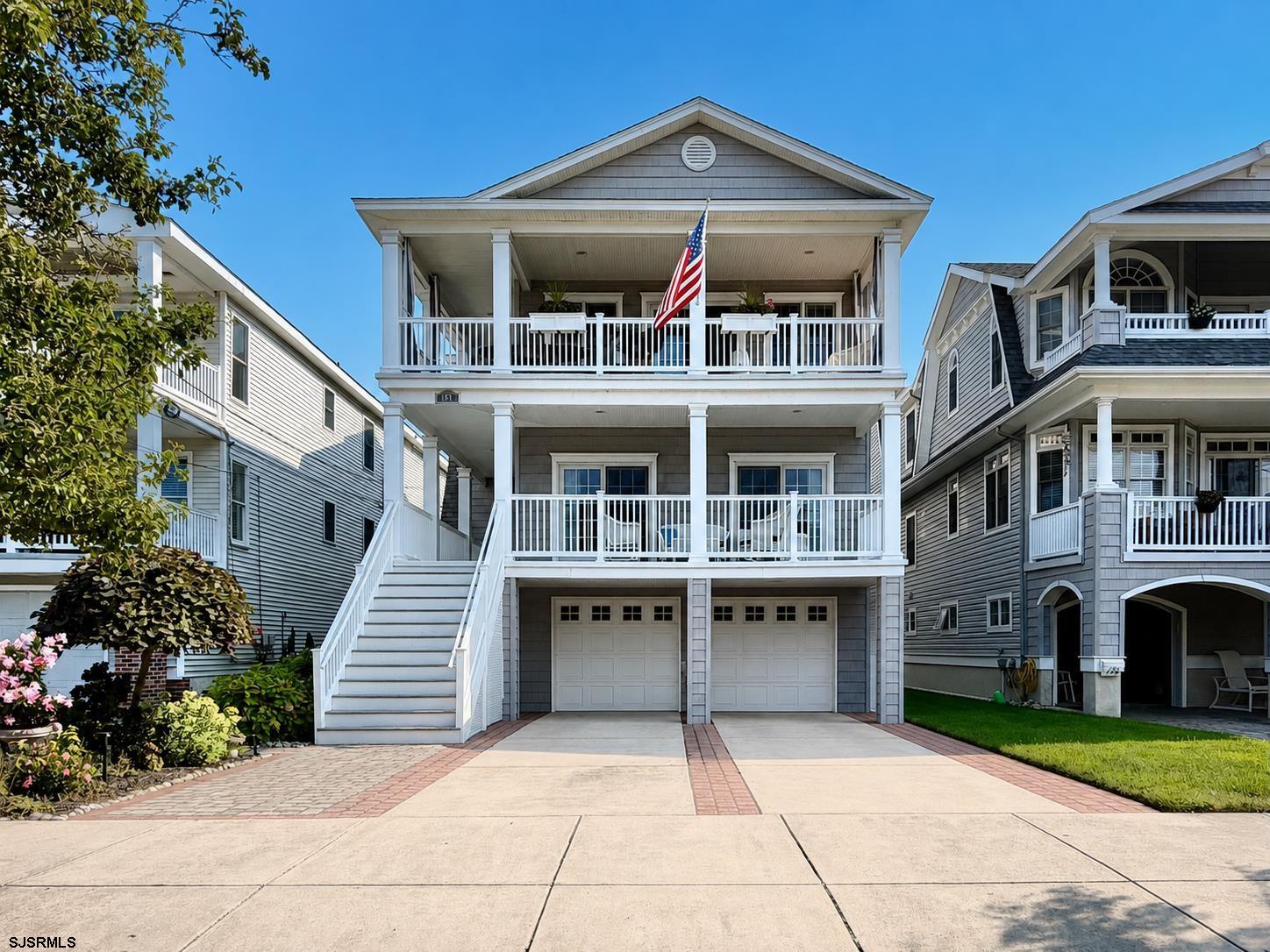
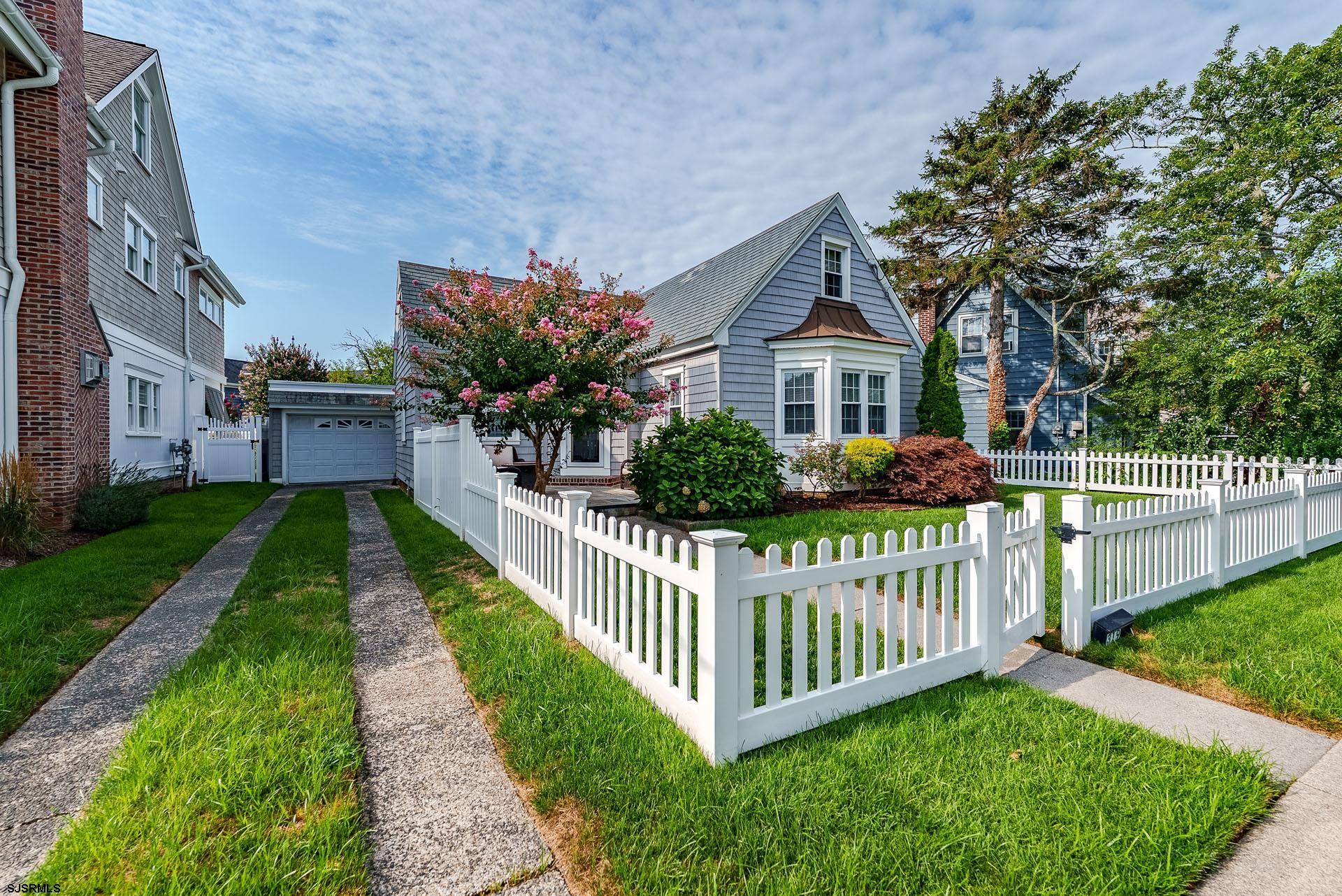
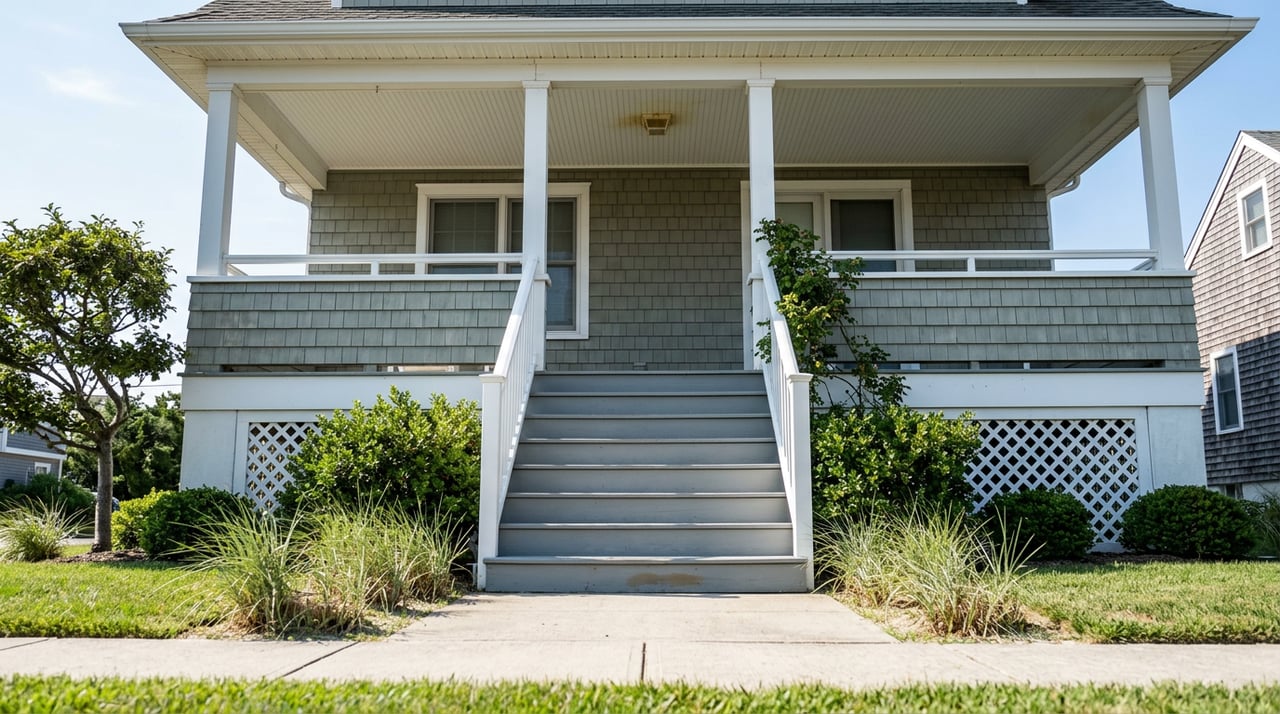
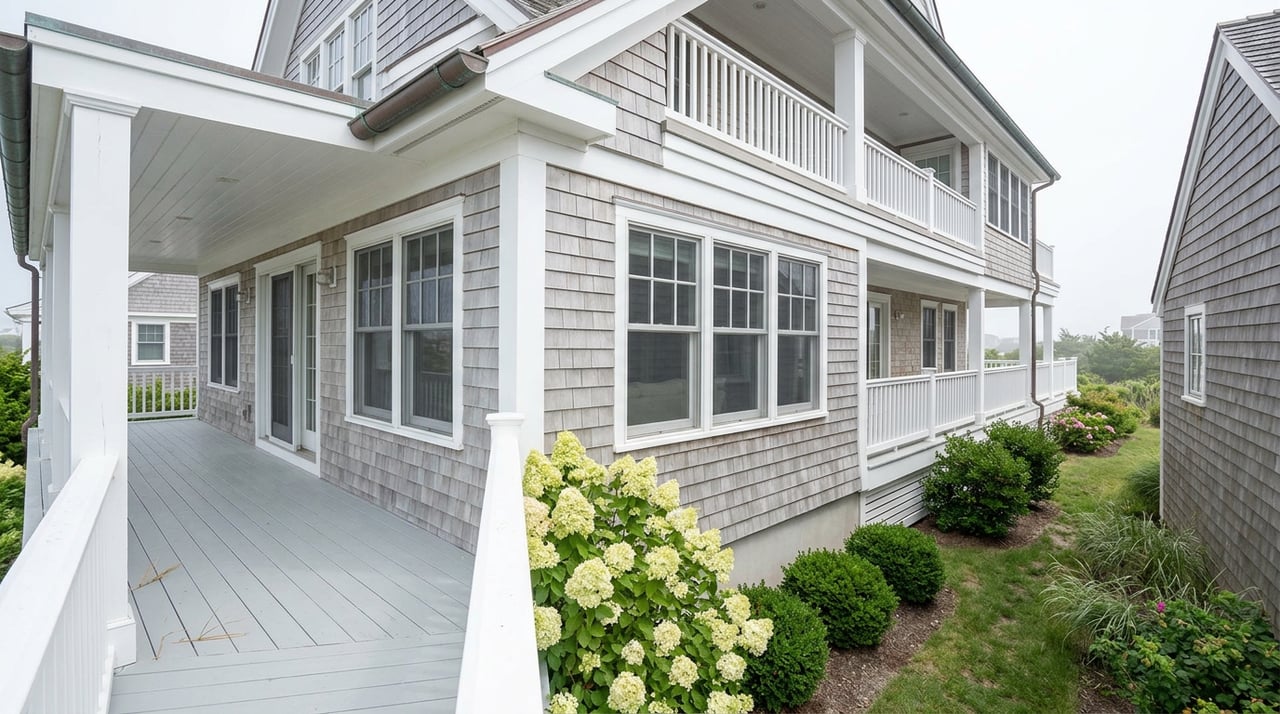
The homes themselves span several eras of coastal architecture. Grand Victorian estates with ornate woodwork and wraparound porches sit alongside stately Colonials finished in cedar shake or brick. Shingle-style homes that have absorbed a century of salt air with grace are scattered throughout. Modern custom builds have appeared on some lots, but the architectural tenor of the neighborhood remains rooted in its historic foundation.
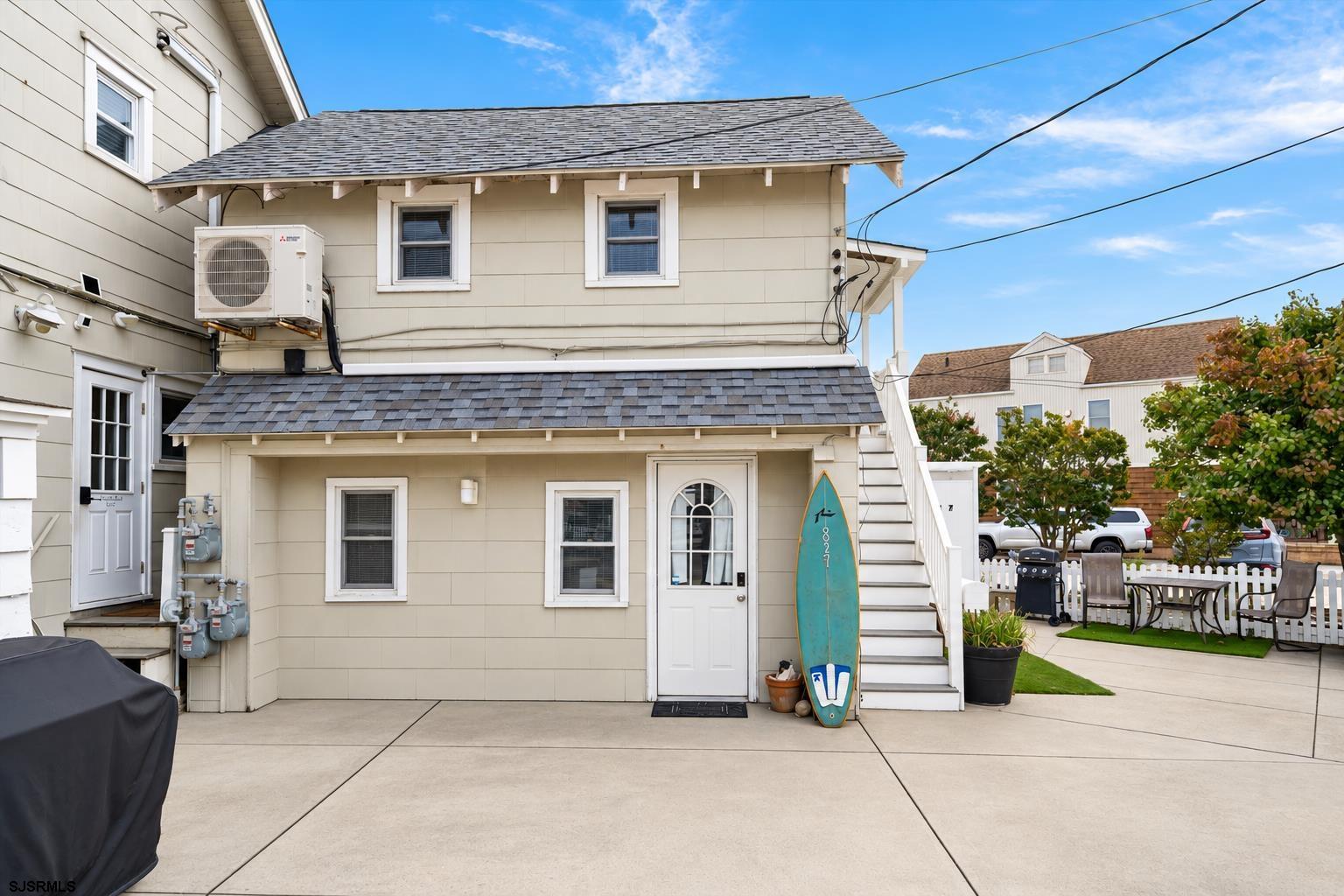
Lot sizes here are among the largest on the island. That space translates into private gardens, detached garages, and in many cases, pools — amenities that are genuinely rare on a barrier island where buildable land is constrained. There are no commercial storefronts, no boardwalk concessions, and no amusement rides. The primary sounds are tidal: the inlet at high water and the wind through old-growth trees.
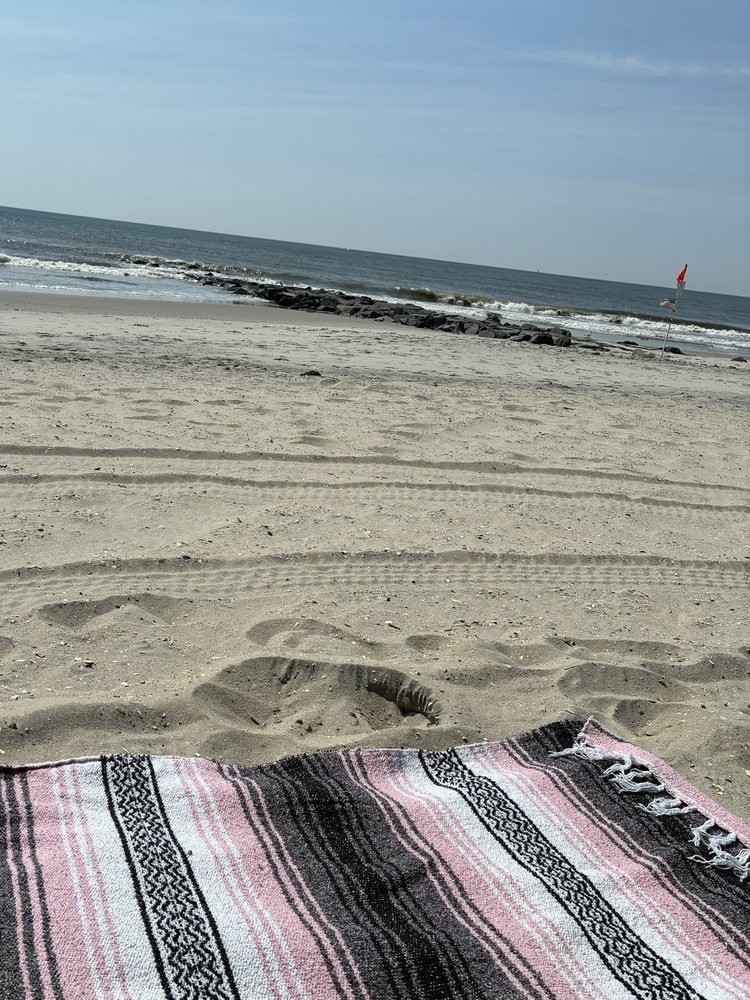
The Gardens is served by beaches that longtime Ocean City visitors tend to protect like a local secret. They are quieter, wider, and more natural in character than the central boardwalk beaches, and they attract a different crowd.
North Street Beach marks the northern terminus of the Ocean City Boardwalk. Because the boardwalk ends here, the day-tripper and amusement-park crowd thins out considerably. The beach is wide and well-maintained, and it functions as a natural transition into the more open coastal landscape of the North End.
Waverly Beach, located at Waverly Boulevard, is the island's designated surfing beach. Non-swimming status keeps the crowds lower and the atmosphere more focused. Locals who surf gravitate here specifically; so do those who simply want a beach that doesn't feel like a parking lot in July.
At the very tip of the island, the shoreline wraps around the inlet. These areas are unguarded and subject to tidal currents, making them unsuitable for swimming — but they are some of the most visually striking stretches of the island for an evening walk or a quiet morning with binoculars. Shorebird activity along the inlet is significant during migration season.
The Gardens consistently operates at the upper end of Ocean City's already competitive market. While the island-wide median sale price has hovered around $1.3 million in 2026, The Gardens typically ranges from $1.6 million to well over $3 million, depending on lot size, water proximity, and the condition of the home.
The dominant housing type is the single-family estate. Large custom homes and historic properties on oversized lots define the streetscape. High-end duplexes do exist, particularly closer to North Street, but even these tend to be larger and more architecturally considered than the standard Ocean City rental unit. True condominium buildings are rare.
Several factors drive and protect value here:
The neighborhood leans heavily toward owner-occupied residences. Year-round residents and established second-home families make up the core of the community, which produces a stability in both pricing and neighborhood culture that investors focused purely on rental yield typically don't find here.
The Gardens has a reputation for seclusion, and it earns it — but seclusion here does not mean sacrifice. The neighborhood's position at the northern tip of the island is, in practical terms, a significant logistical advantage.
The northern end of the Ocean City Boardwalk at St. James Place is a short bike ride away. This stretch of the boardwalk is notably quieter than the sections near the amusement piers, and it provides easy access to the former Gillian's Wonderland Pier site, which as of 2026 is a focal point for luxury redevelopment and worth watching for its long-term impact on the North End. Asbury Avenue, the island's main dining and shopping corridor, is a five-minute drive or roughly ten minutes by bike.
The Longport Bridge is the logistical detail buyers from outside the area often overlook. Being at the northern tip means you are essentially at the bridge — which bypasses the congestion of the 9th Street causeway entirely and puts you in Longport or Margate in minutes. Atlantic City's dining and casino district is approximately fifteen minutes from The Gardens by this route. For buyers who spend significant time off-island, this matters considerably.
The Gardens has a social fabric that differs from the rest of Ocean City in ways that go beyond the architecture. Legacy ownership is common — many of the larger estates have been held by the same families across multiple generations, passed down rather than sold. That pattern of continuity shapes the neighborhood in tangible ways: neighbors tend to know each other, properties are well-maintained, and the turnover rate is low.
The year-round population is more substantial here than in most of Ocean City. Retirees who have made the island their permanent home share the neighborhood with professionals who commute to Atlantic City, mainland South Jersey, or Philadelphia. The community has the density of year-round life rather than the seasonal hollowness of a pure vacation market.
The demographic culture in The Gardens tilts toward privacy and tradition. Yacht Club memberships, early morning beach walks, and neighborhood bike rides characterize the social life here more than nightlife or organized beach events. Rentals do occur, but they tend to be multi-week or full-season arrangements by families with long ties to specific houses — the kind of tenants who treat a rental like a second home rather than a party venue.
The Gardens is one of those neighborhoods where the right guidance makes a meaningful difference. Properties here don't come to market often, and when they do, understanding their history, lot positioning, and long-term value requires experience that goes well beyond the MLS listing.
The Cheryl Huber Team has worked with buyers and sellers throughout Ocean City for years, with deep familiarity with The Gardens market in particular. Whether you're evaluating a specific property, trying to understand what drives pricing on a given street, or simply starting to explore what ownership here looks like, reach out directly. The goal is to give you an honest, informed picture of the neighborhood — and to help you make a decision you'll feel confident about for years to come.
There's plenty to do around Gardens, including shopping, dining, nightlife, parks, and more. Data provided by Walk Score and Yelp.
Explore popular things to do in the area, including Seashore Fruit & Produce, Express Pizza & Subs, and Tj's Ice Cream Plus.
| Name | Category | Distance | Reviews |
Ratings by
Yelp
|
|---|---|---|---|---|
| Dining | 0.29 miles | 0 reviews | 0/5 stars | |
| Dining · $ | 0.33 miles | 112 reviews | 3.7/5 stars | |
| Dining · $ | 0.34 miles | 56 reviews | 2.9/5 stars | |
| Active | 0.37 miles | 1 review | 5/5 stars | |
|
|
||||
|
|
||||
|
|
||||
|
|
||||
|
|
||||
|
|
Gardens has 618 households, with an average household size of 2. Data provided by the U.S. Census Bureau. Here’s what the people living in Gardens do for work — and how long it takes them to get there. Data provided by the U.S. Census Bureau. 1,246 people call Gardens home. The population density is 3,010 and the largest age group is Data provided by the U.S. Census Bureau.
Total Population
Population Density Population Density This is the number of people per square mile in a neighborhood.
Median Age
Men vs Women
Population by Age Group
0-9 Years
10-17 Years
18-24 Years
25-64 Years
65-74 Years
75+ Years
Education Level
Total Households
Average Household Size
Average individual Income
Households with Children
With Children:
Without Children:
Marital Status
Blue vs White Collar Workers
Blue Collar:
White Collar:
Explore detailed neighborhood profiles to see what makes each area unique — from amenities to nearby attractions.