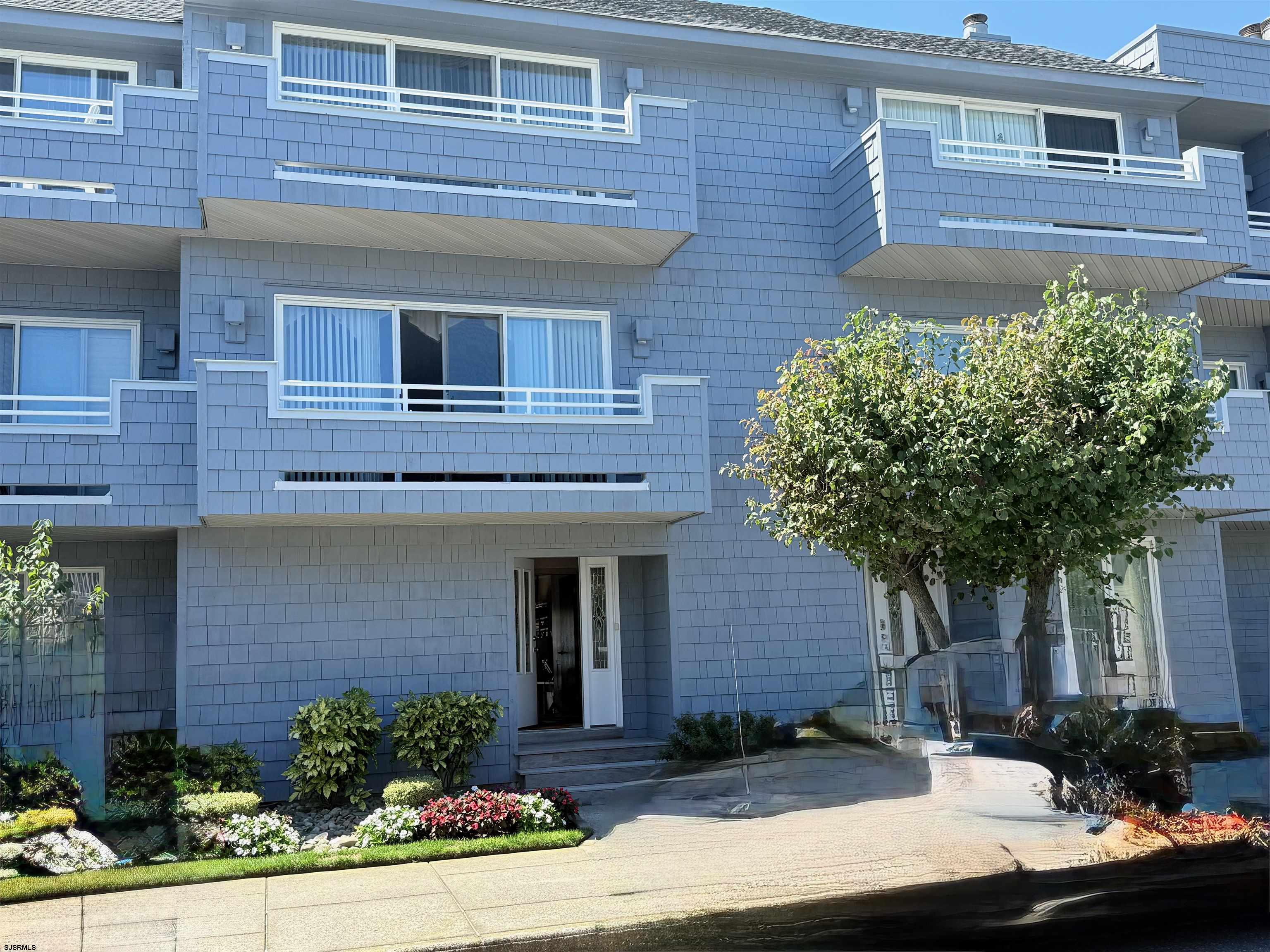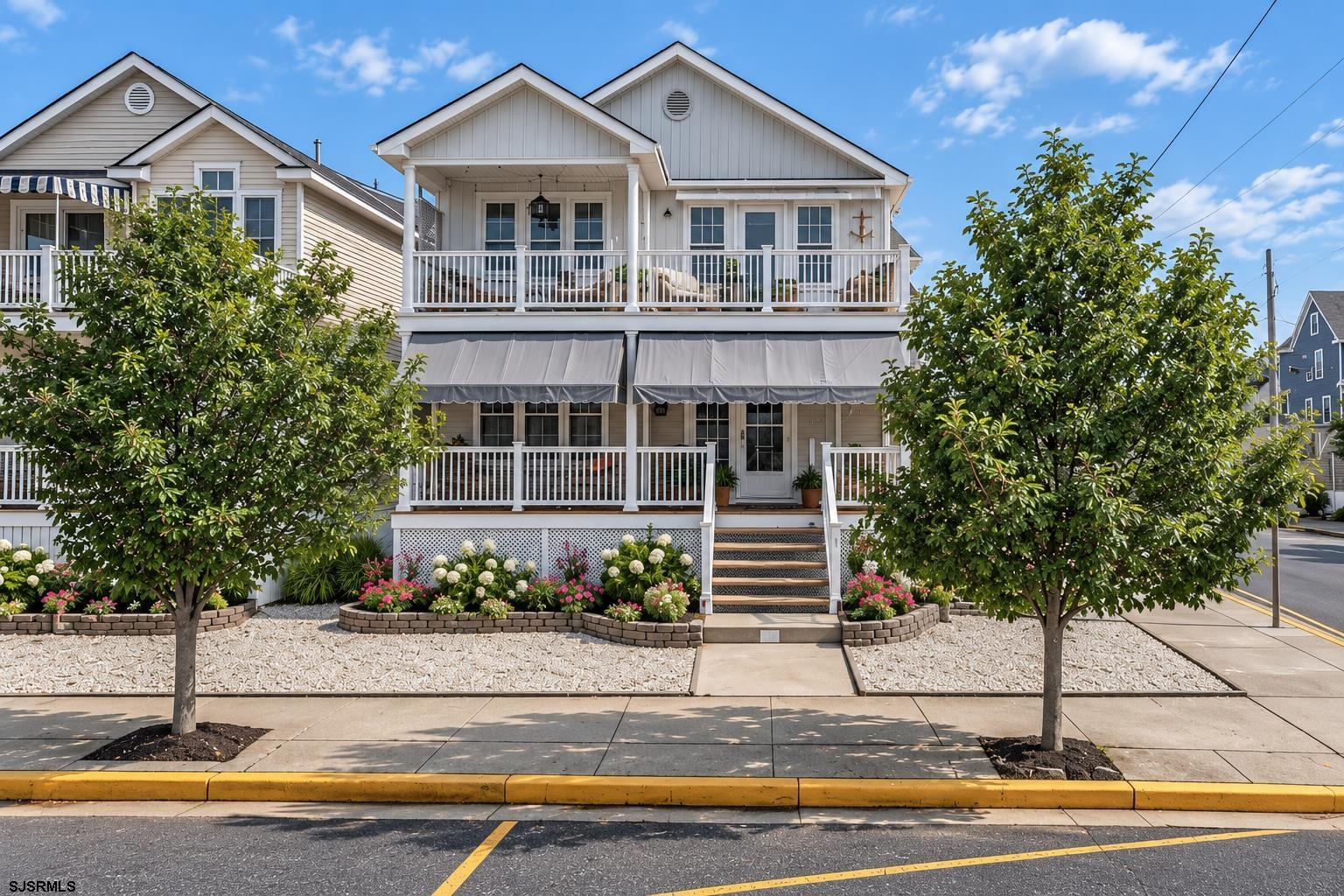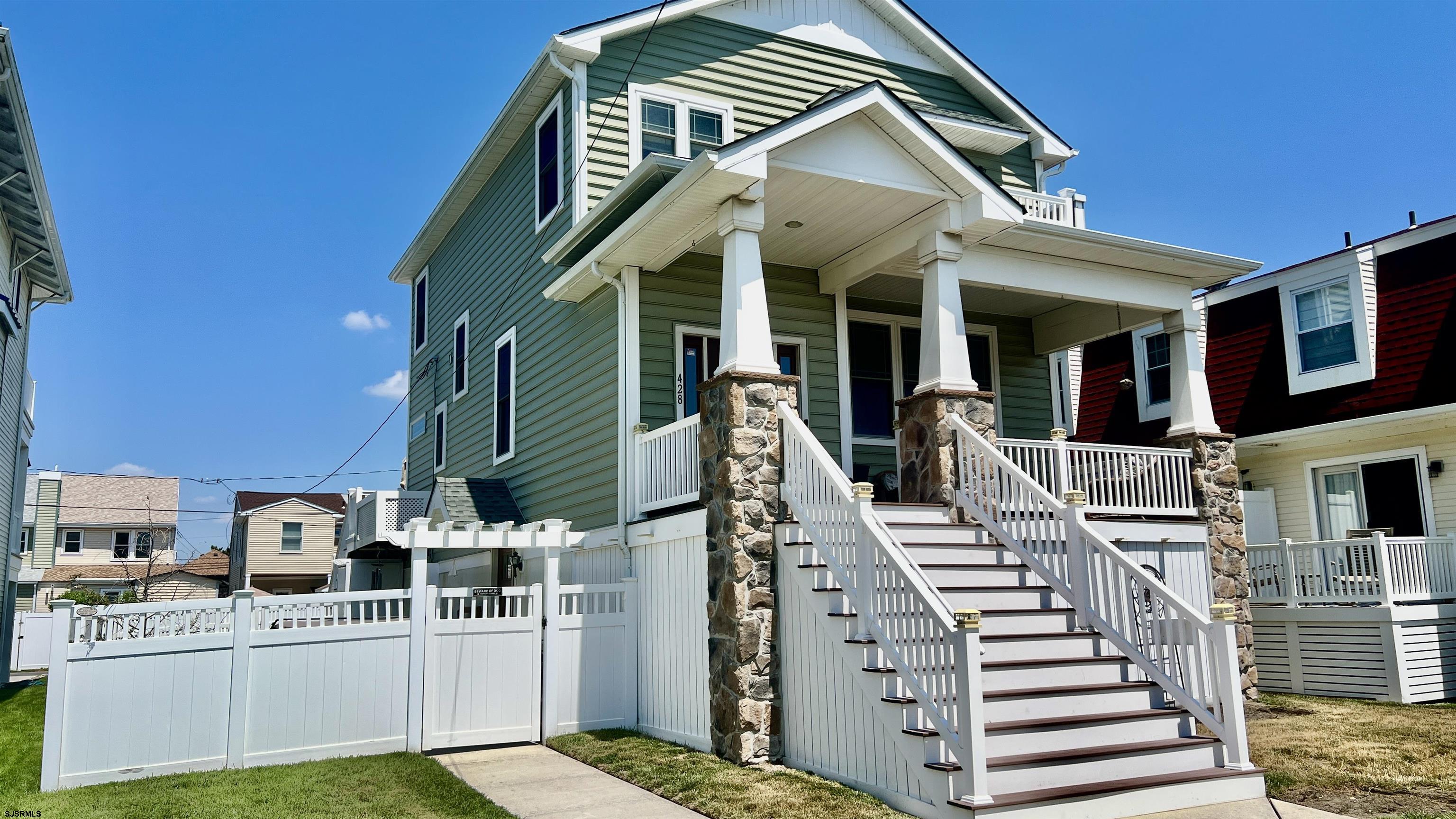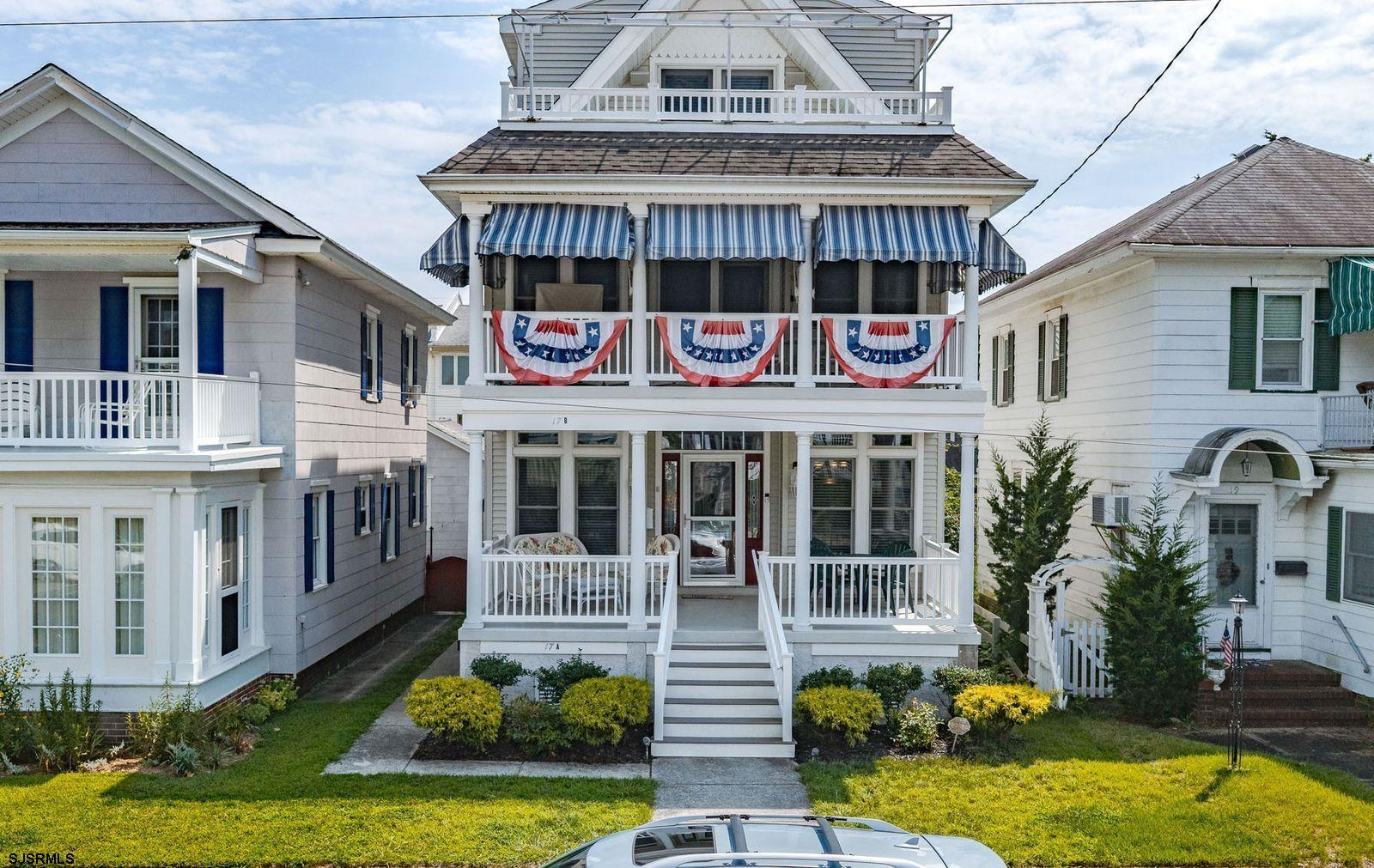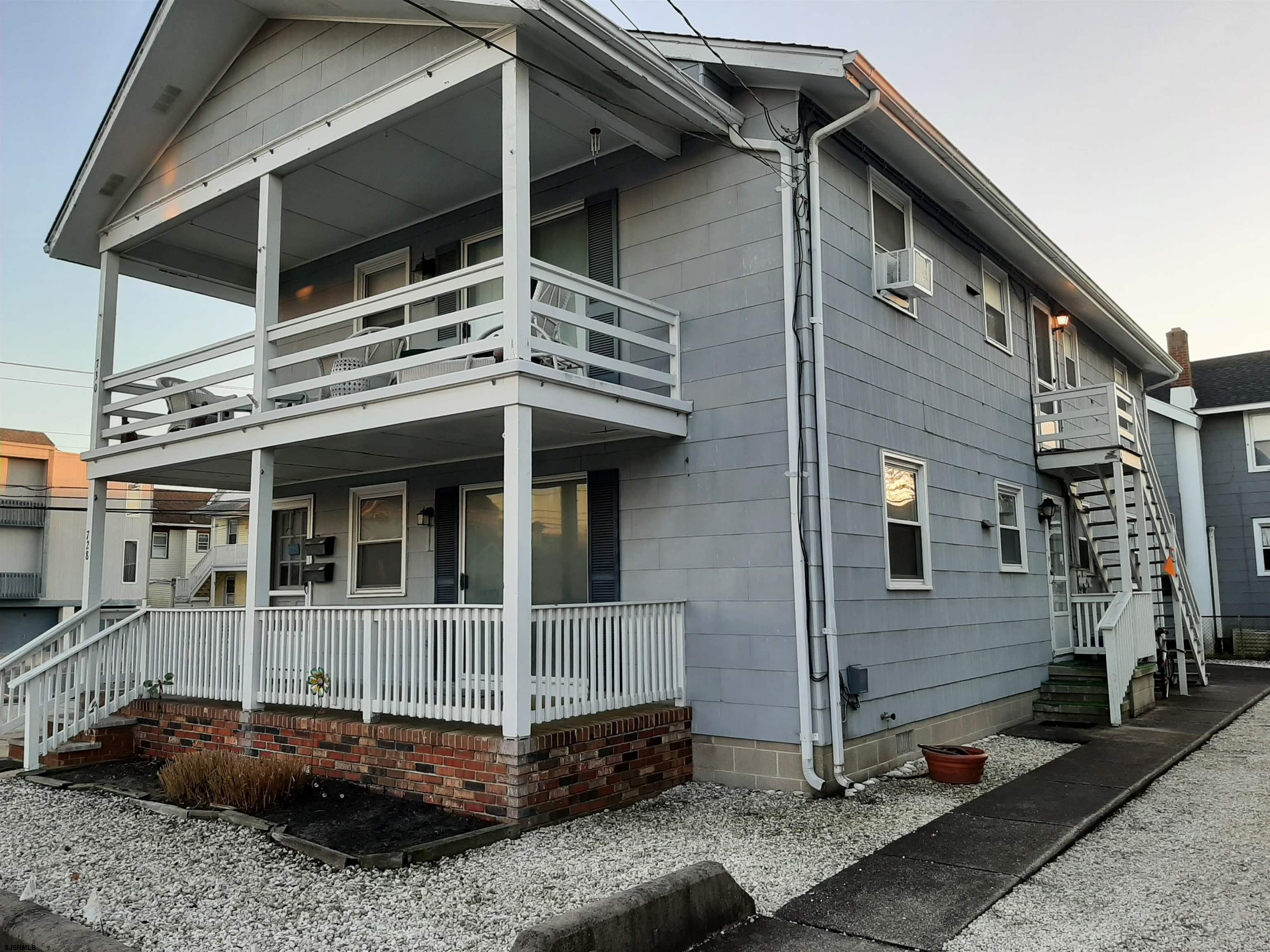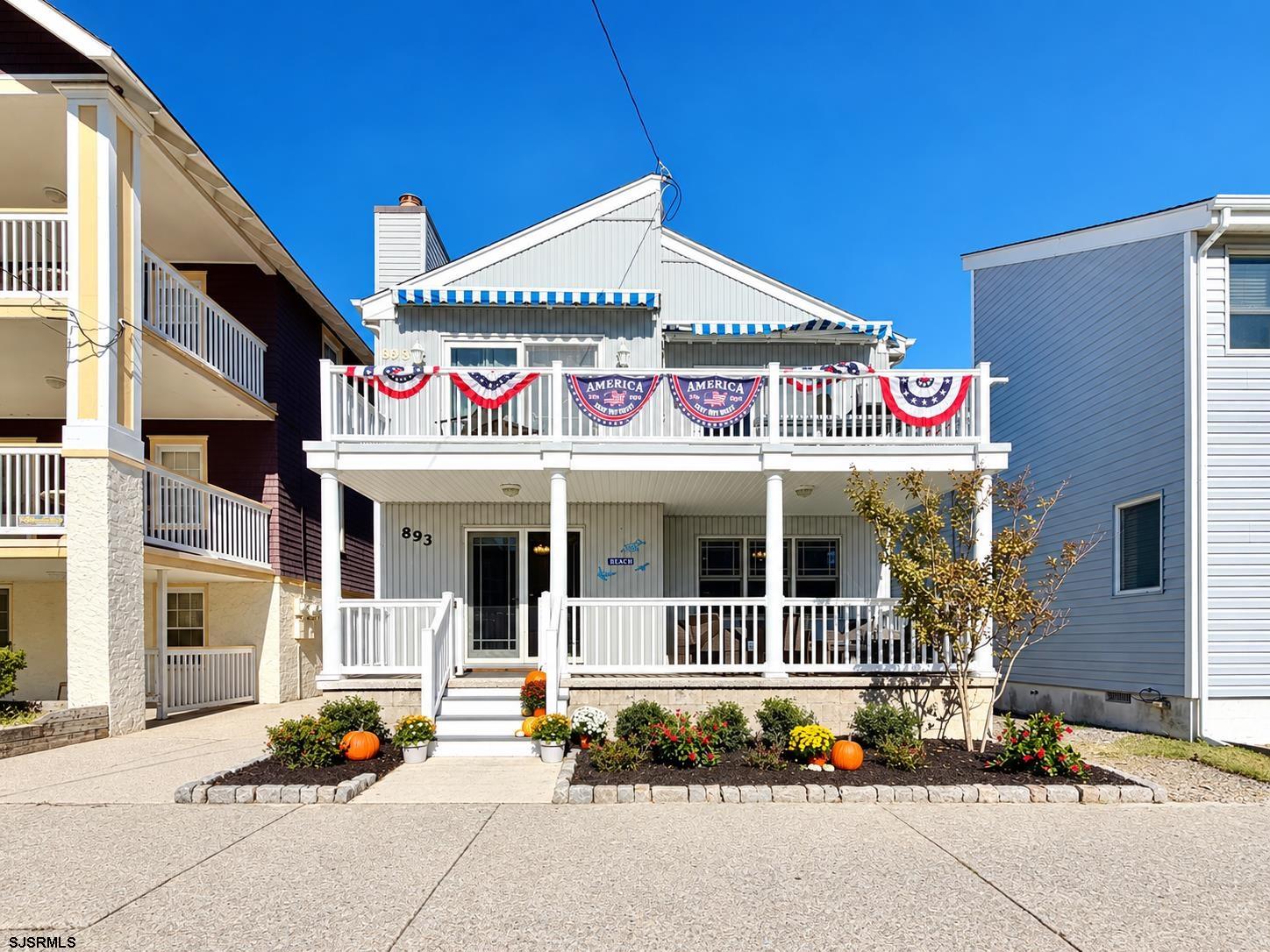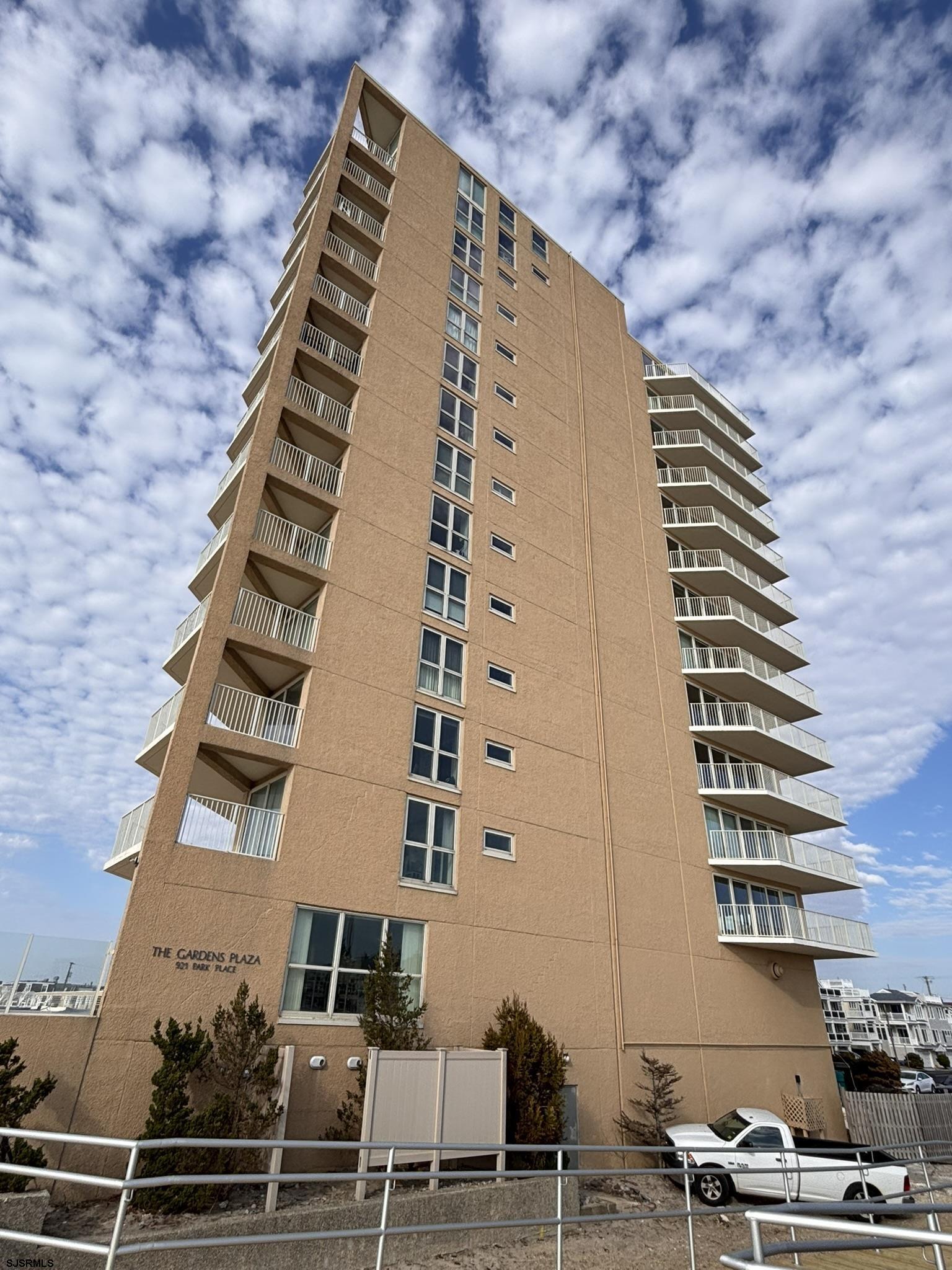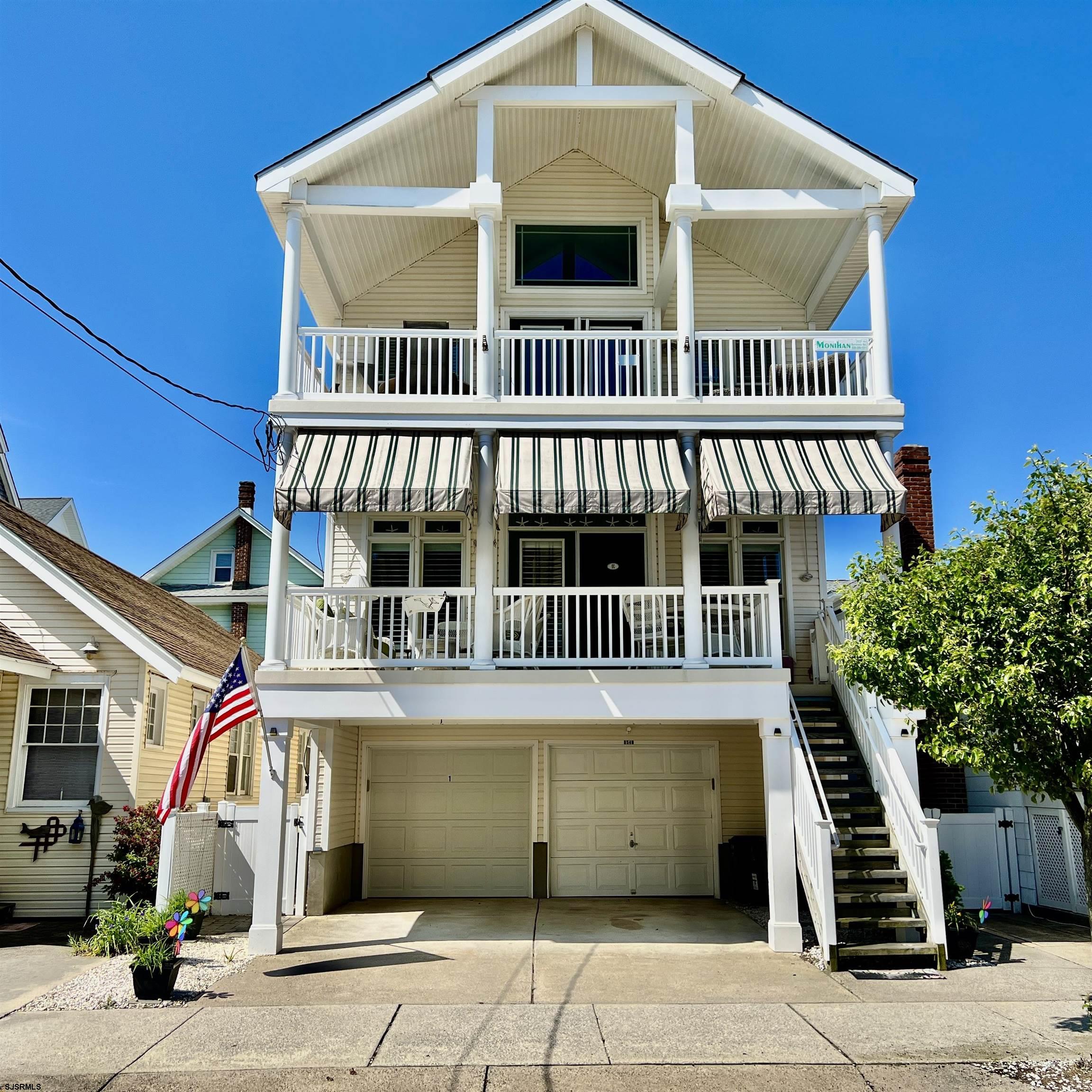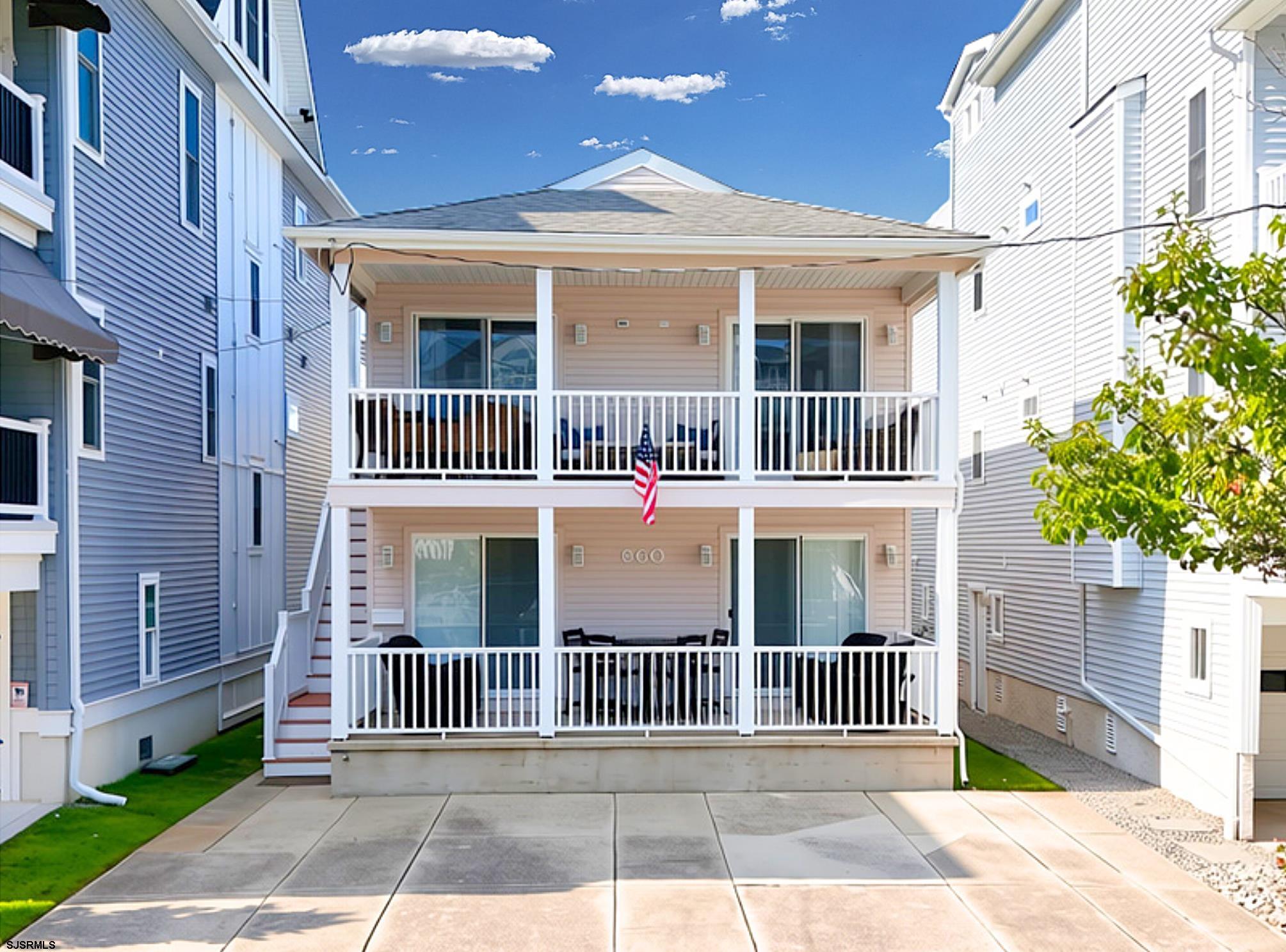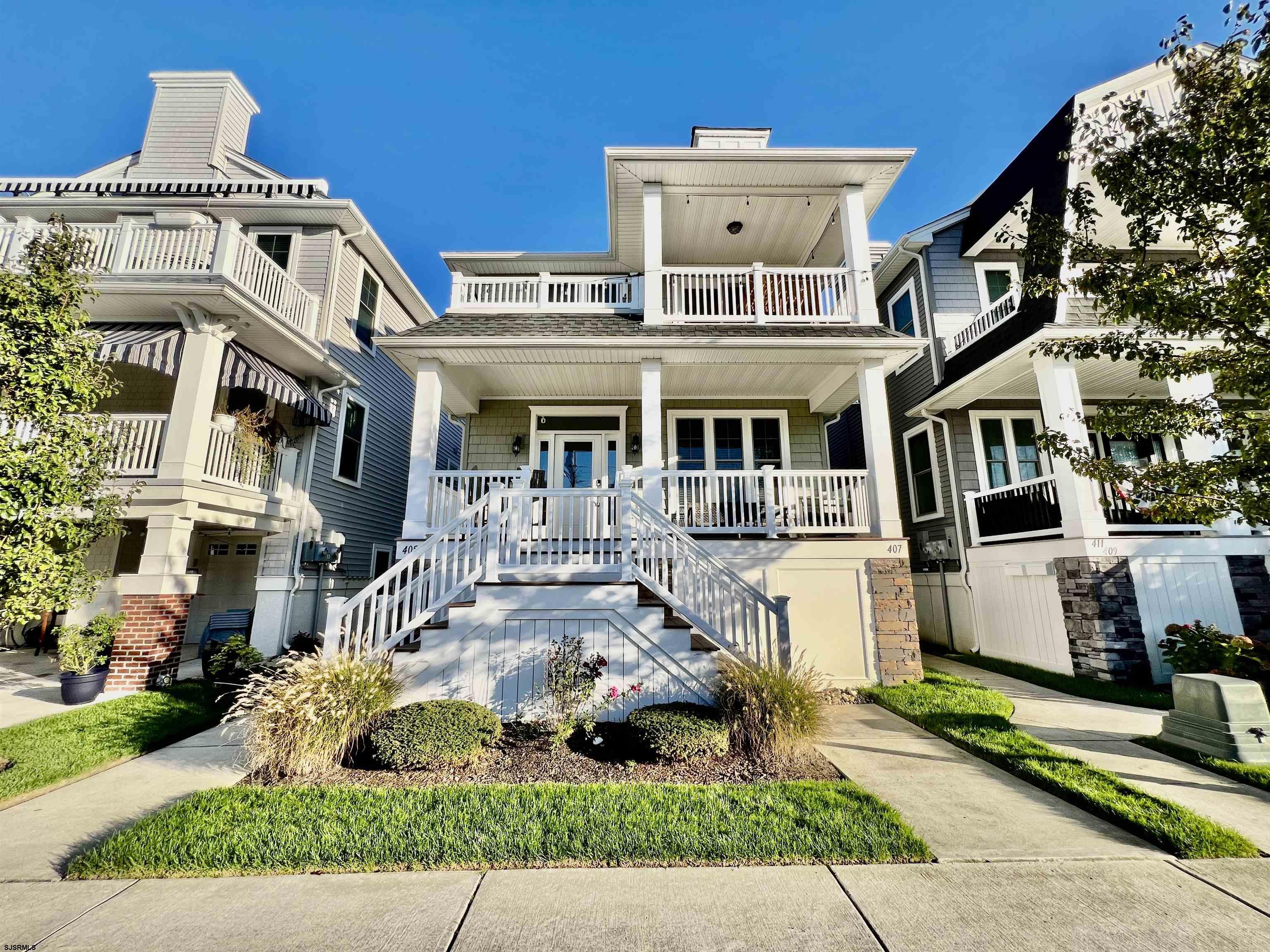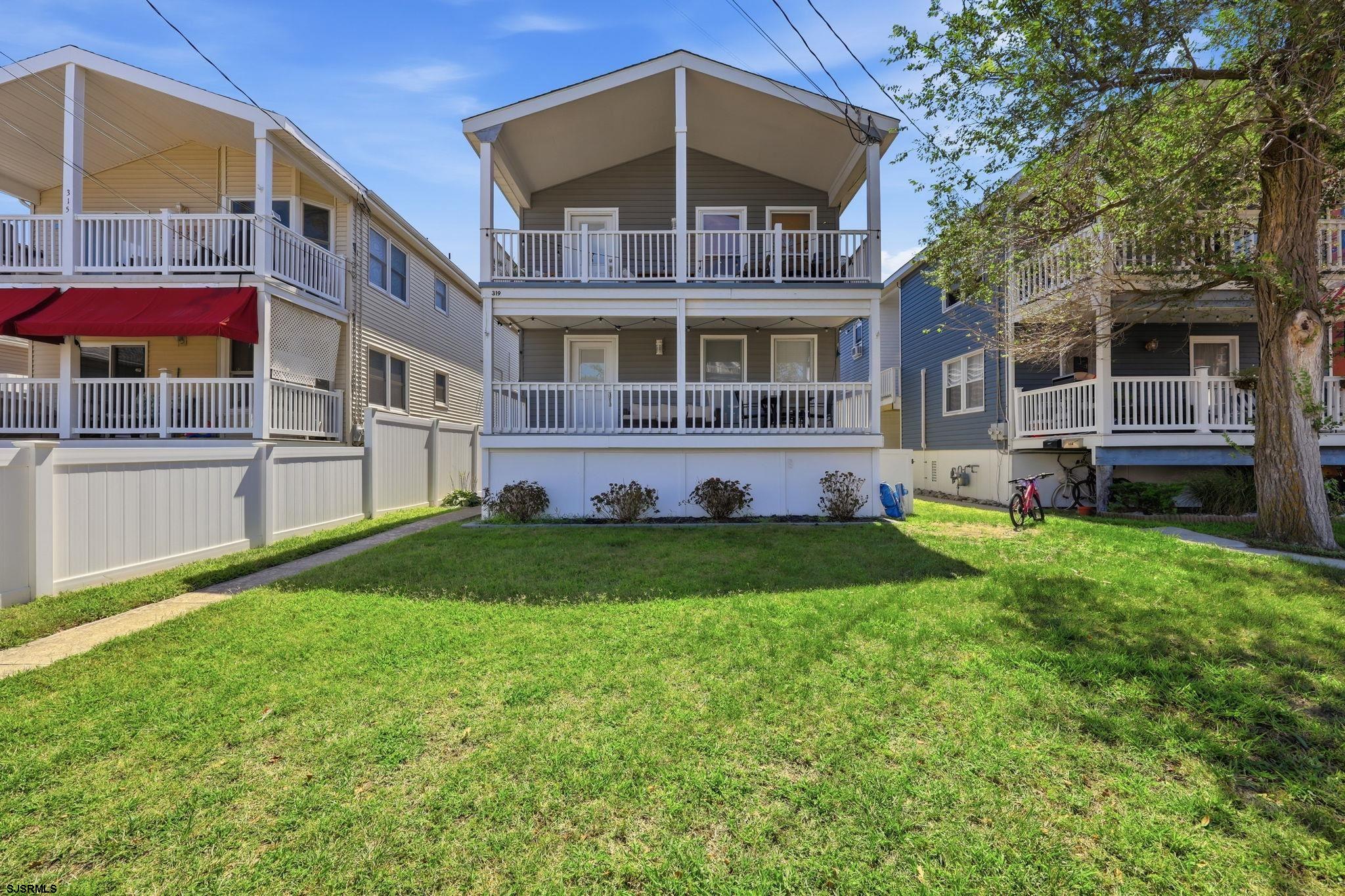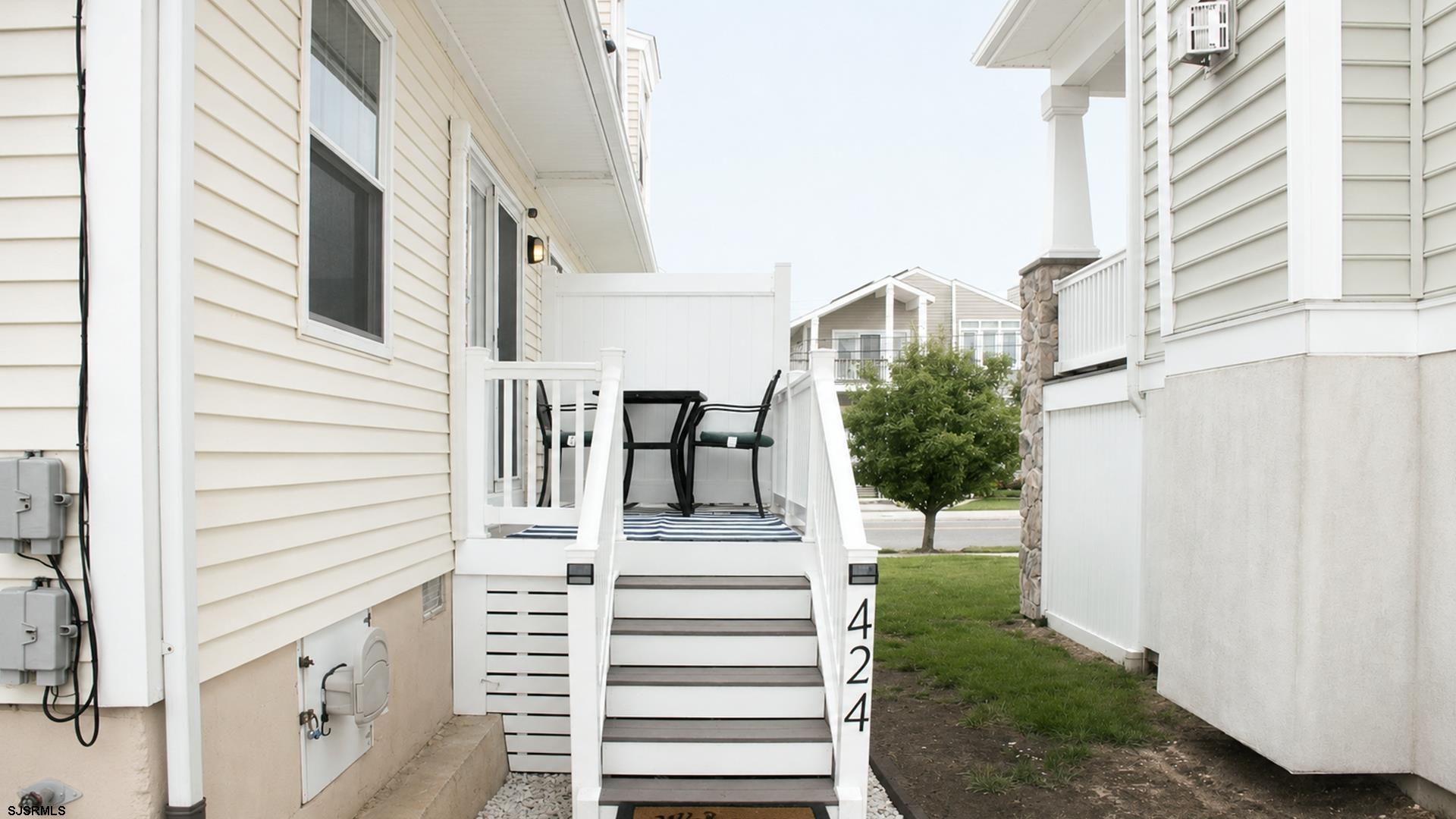
2,517 people live in North End, where the median age is 52 and the average individual income is $56,384. Data provided by the U.S. Census Bureau.
Total Population
Median Age
Population Density Population Density This is the number of people per square mile in a neighborhood.
Average individual Income
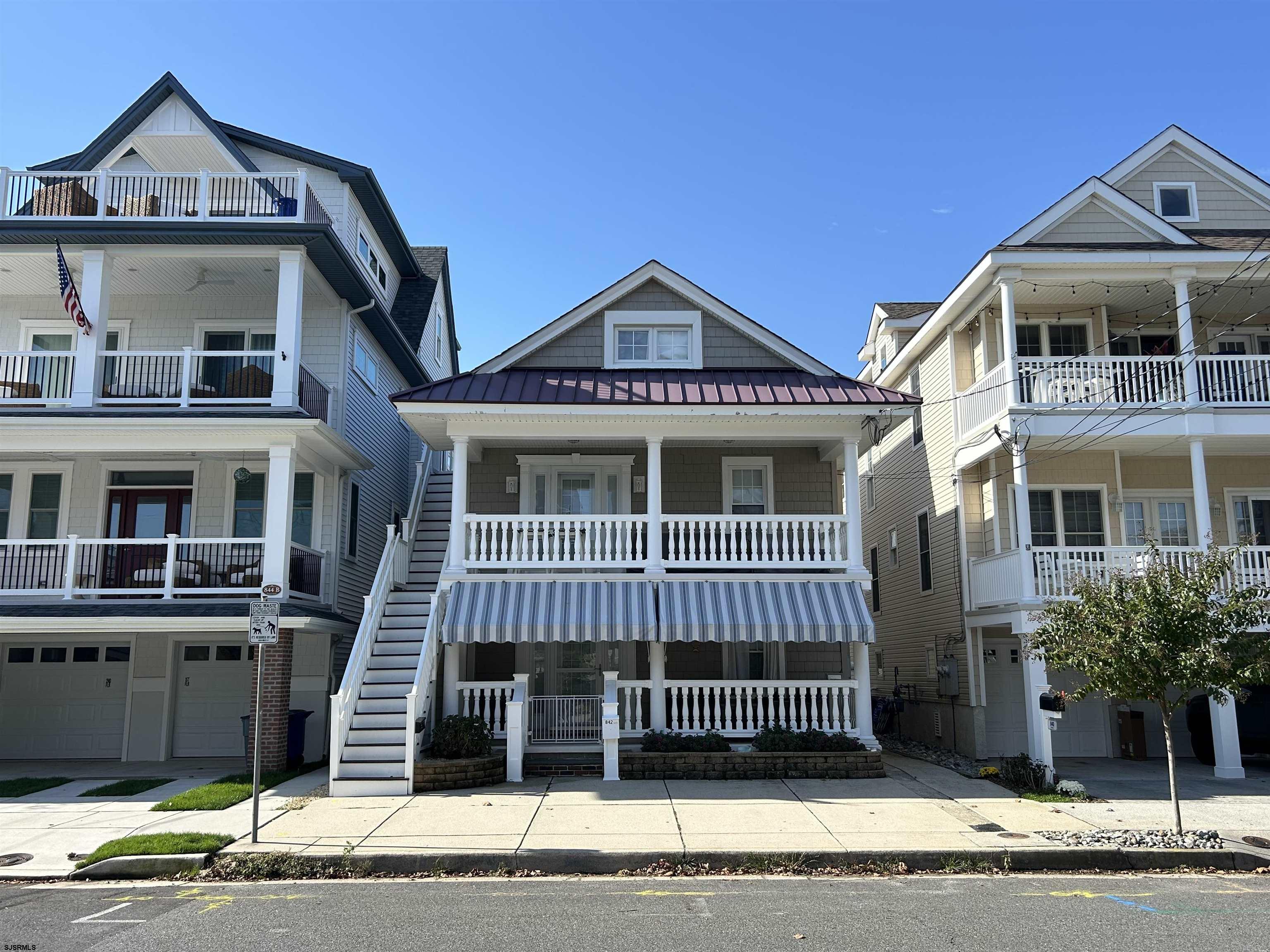
The North End is the quiet, established heart of Ocean City — the stretch that runs from the foot of the Longport Bridge near 2nd Street down to roughly 14th Street, where the island's oldest streets meet its widest beaches. It is the part of town people mean when they talk about Ocean City the way it used to be: tight residential blocks, deep front porches, kids on bikes, and a short walk to either the ocean or the bay from almost any address.
What sets it apart is its character rather than its commerce. While other sections of the island lean into boardwalk traffic and rental churn, the North End holds onto a genuine neighborhood feel year-round. It tends to attract two kinds of buyers: multi-generational families who have been summering here for decades and want a permanent stake, and discerning second-home buyers who prize a calmer, more historic setting over nightlife. Because Ocean City is a dry town founded by Methodists — no alcohol sold in stores or served (or even brought) in restaurants — the North End is remarkably peaceful after dark. That single fact shapes the entire personality of the place: safe, residential, and family-first.
The North End behaves less like a typical suburban market and more like a built-out coastal micro-market with a permanently short supply. After the dramatic price run-up of the early 2020s, the neighborhood settled into a high-floor plateau rather than a correction. As of mid-2026, the median sale price sits around $1.2 million. That figure is down roughly 2% year-over-year, but the dip is misleading — it reflects a heavier mix of smaller condos changing hands rather than any softening in real value. Price per square foot tells the truer story, holding strong at about $770.
The defining feature of the market is scarcity. In a genuine buyer's market years ago, the island might have carried 800-plus active listings; today the entire island operates with just over 200 active residential listings. Because the North End is essentially built out, supply simply cannot expand to meet demand, and that imbalance has erased the old seasonal rhythm. The traditional "spring market" has effectively dissolved — well-priced, turnkey homes draw multiple offers in any month of the year.
One of the clearest recent shifts is the climbing value of bayfront and lagoon-front property. Beachfront has always commanded the top premium, but buyers are increasingly paying up for boat slips, open sunset views, and quieter blocks on the bay side. Looking ahead, expect steady, moderate appreciation in the range of 5% to 8% over the coming year, driven by that same structural shortage rather than speculation.
Ocean City has earned a reputation as one of the most recession-resistant short-term rental markets on the East Coast, anchored by its "America's Greatest Family Resort" identity. For the North End specifically, the investment thesis is about durability more than fireworks.
The single most profitable rental configuration here is the classic four-bedroom, two-bathroom duplex unit — first or second floor. That layout maximizes sleeping capacity for large family groups, which is precisely what drives premium weekly summer rates. Peak season, from Memorial Day to Labor Day, is the engine: well-maintained four-bedroom units routinely book out ten to twelve weeks in advance. The North End's proximity to downtown Asbury Avenue also adds meaningful shoulder-season income from fall festivals and spring events. A solid mid-tier property can gross $40,000 to $60,000 or more in annual rental revenue.
On paper, cash-on-cash returns look modest because entry costs are high (median above $1.2M) and New Jersey property taxes are real. What you are actually buying is a blue-chip coastal asset with land-value security and a captive audience of returning vacationers. The trade is immediate cash flow for long-term stability and reliable appreciation.
As for flipping: true fixer-uppers are rare and immediately targeted by local builders looking to tear down and rebuild luxury duplexes, so the individual investor rarely wins a structural-flip bidding war. The more realistic play is a value-add cosmetic refresh — buying a dated condo or duplex in a premier location (closer to the boardwalk or around Saint James Place), then updating the kitchen and baths, adding central air, and refreshing the interior in clean coastal finishes. That approach unlocks higher peak-season rental tiers and builds quick equity without the risk of a full rebuild.
Buying here demands a hyper-local strategy, because standard suburban rules do not apply to a mature, competitive barrier-island market.
Speed matters enormously. Well-priced North End properties often move from active to under contract in seven to ten days, and a significant share of transactions are all-cash or financed without contingencies. If you are using a mortgage, work with a local lender who understands seasonal rental-income verification and coastal condo associations — it keeps your offer genuinely competitive instead of merely present.
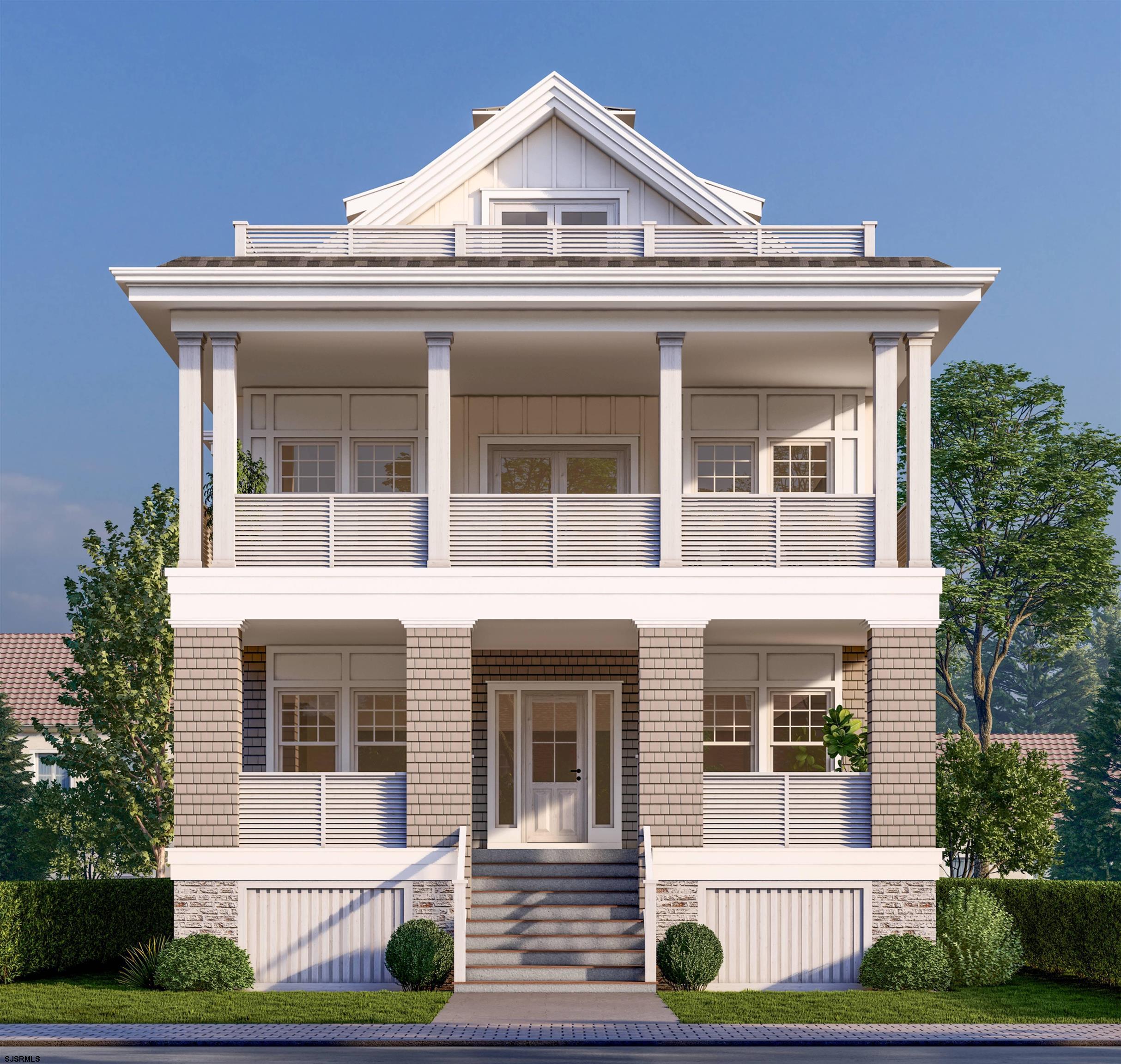
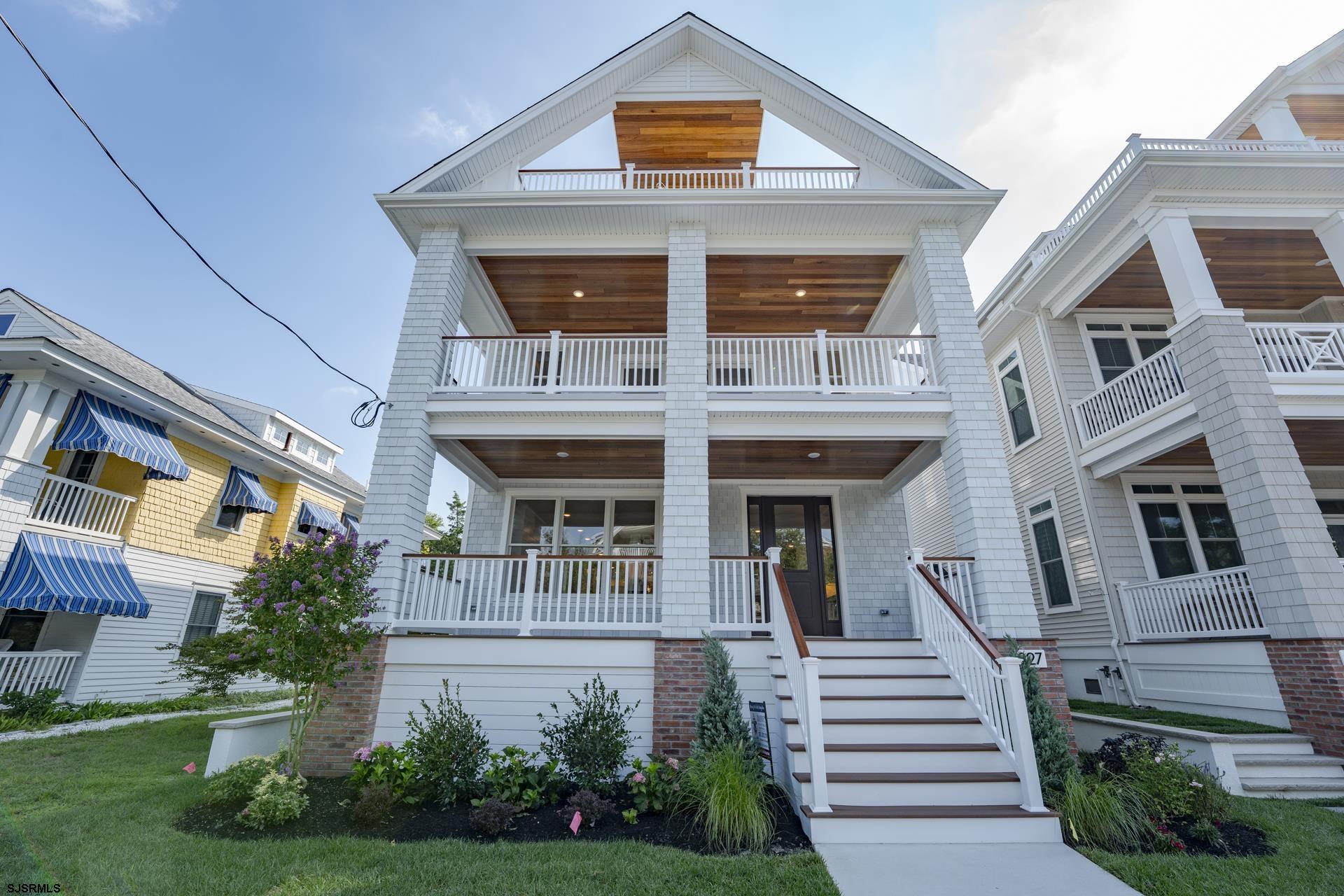
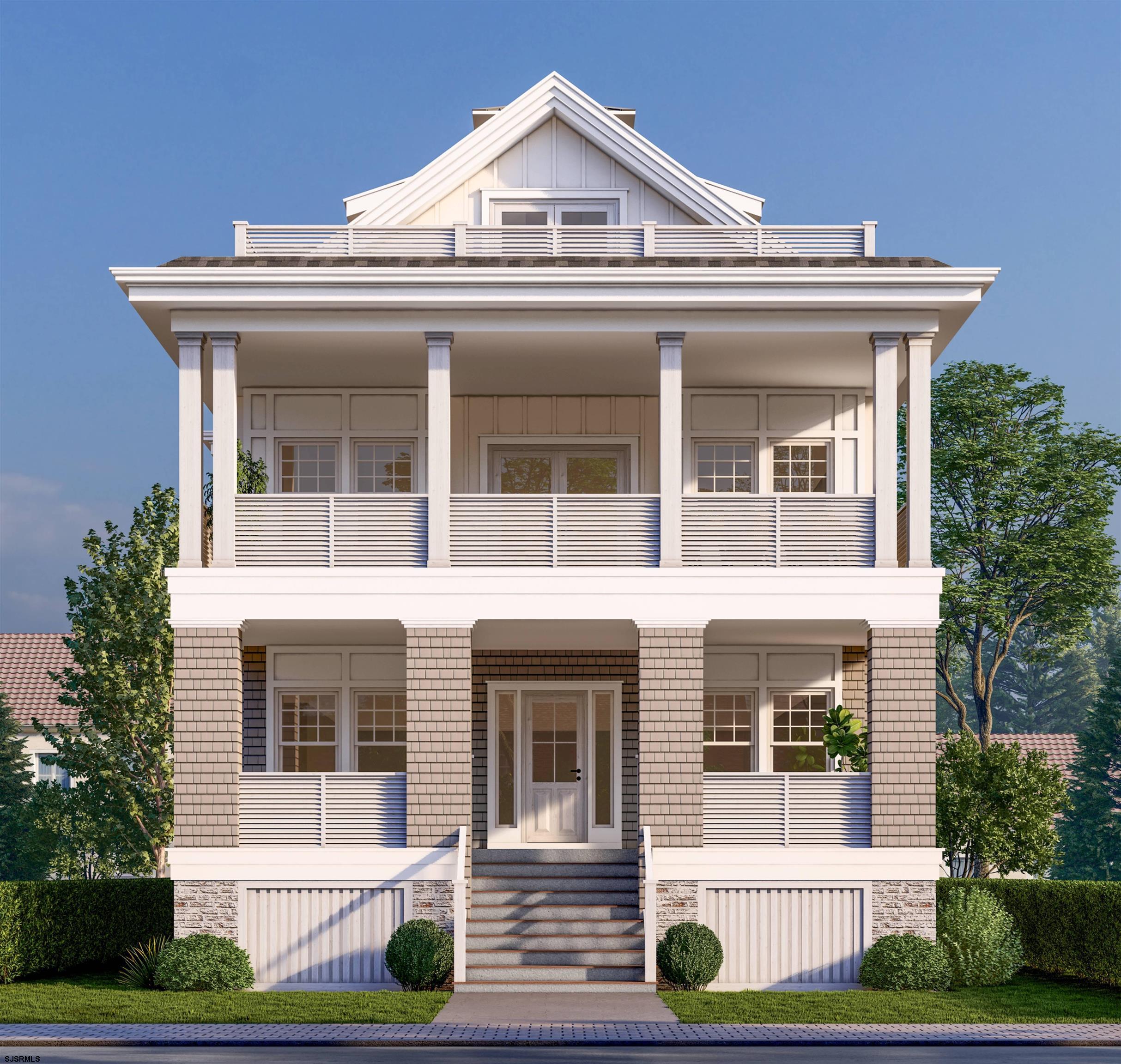
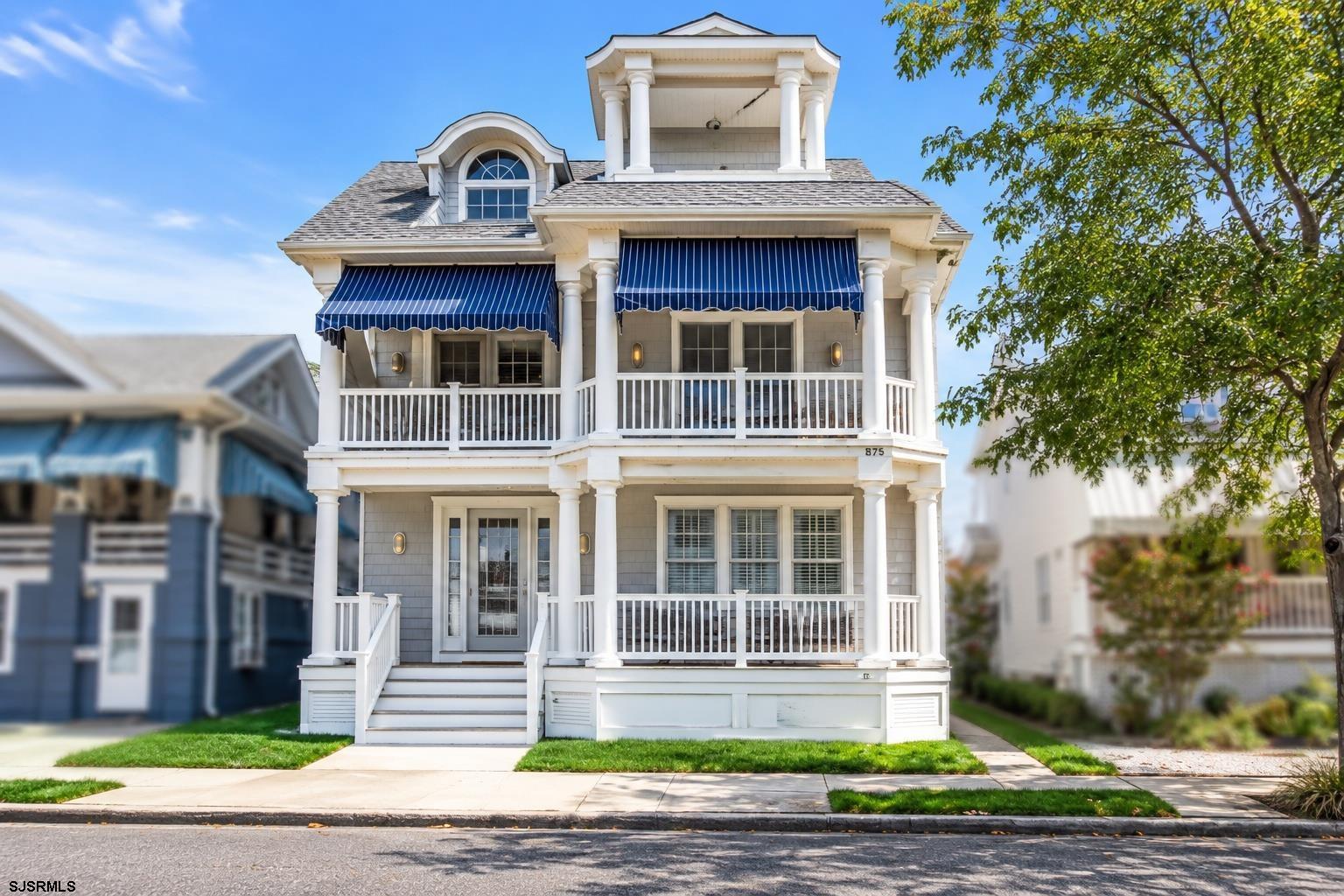
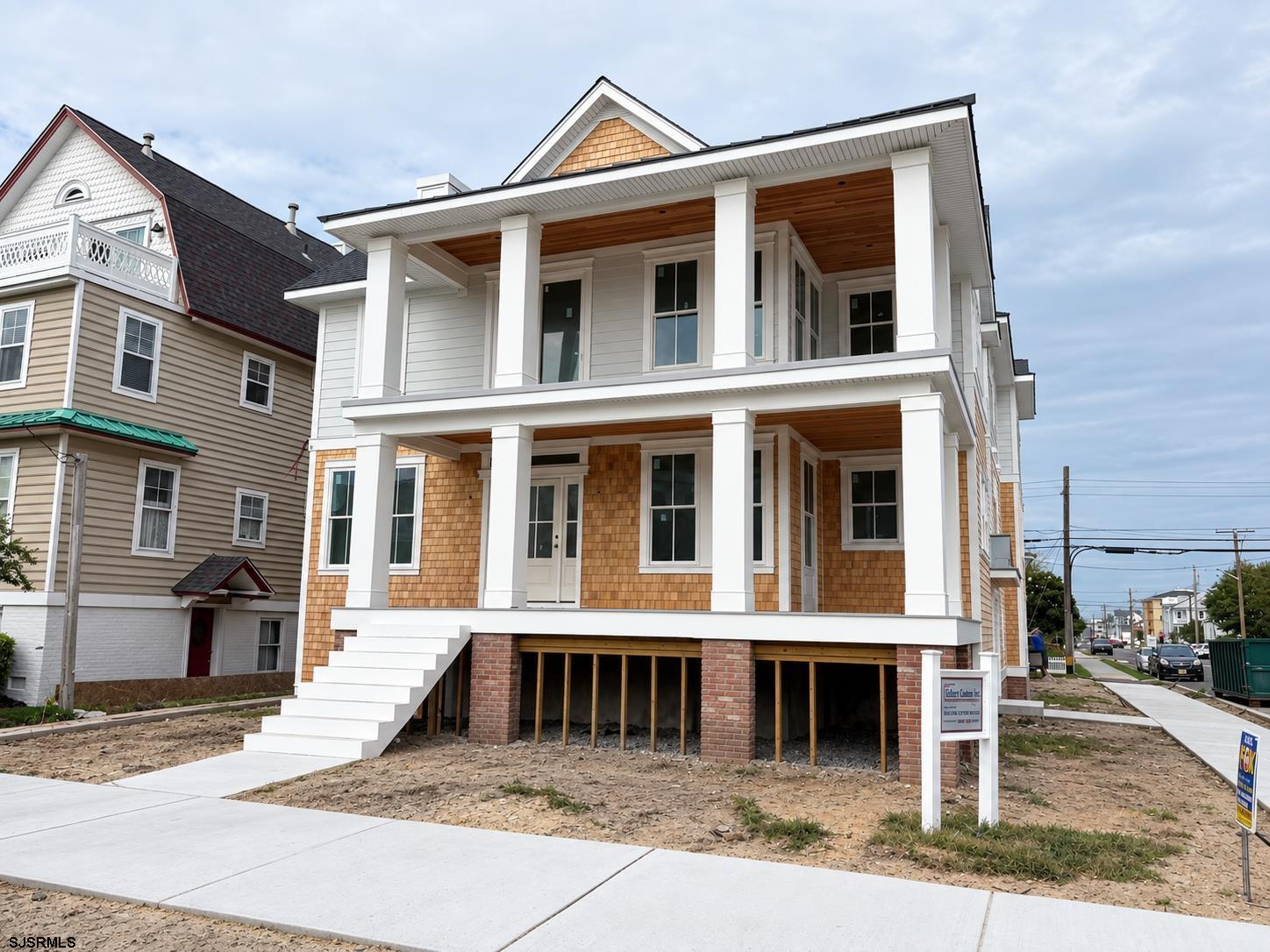
The property you buy will most likely fall into one of three categories: the deeded duplex condo (the architectural backbone of the neighborhood, split into separately owned first- and second-floor units), the historic single-family cottage (prized for character, demanding in upkeep), or luxury new construction (older lots rebuilt into modern, elevated duplexes with elevators and rooftop decks).
A few local safeguards are worth understanding before you write an offer:
The honest way to decide is to look at the local price-to-rent ratio, which compares the median home price against a year of comparable rent.
In the North End, a standard three-to-four-bedroom duplex unit runs roughly $1,200,000. That same unit might rent for about $4,500 a week across the peak twelve-week summer season, plus a few shoulder-season weekends — call it $60,000 in annual rental income. Divide $1,200,000 by $60,000 and you land on a ratio of 20.
As a rule of thumb, a ratio of 21 or higher signals that renting is meaningfully cheaper than buying. At 20, the North End sits right on the edge. In practical terms, that means buying is an expensive entry point where the property may not fully pay for itself through rent alone in the early years — you should expect to absorb some carrying costs.
Renting makes more sense if your horizon is short (three to five years), if you want to avoid NJ property taxes, insurance, and HOA fees, or if you need your capital working at an immediate 8-to-10% cash-on-cash return elsewhere.
Buying makes more sense as a legacy play. Most North End buyers are not treating the home as a cold spreadsheet line — they want guaranteed multi-generational summers, with the bonus that the property should appreciate substantially over a ten-to-twenty-year horizon. Buying is especially smart if you intend to enjoy the beautiful shoulder seasons yourself while premium summer tenants cover 60% to 80% of your annual carrying costs.
Moving to the North End full-time means trading a fast-paced routine for a community-centric coastal one. This is the most residential and visually historic pocket of the island, and it lives at a slower, friendlier tempo than the commercial sections.
The grid is flat and tight, so daily life happens largely on foot or by bike — the beach, the bay, and the northern start of the boardwalk are all a five-to-ten-minute walk from most blocks. The neighborhood sits immediately next to Asbury Avenue, the island's year-round downtown corridor, which means coffee shops, independent bookstores, boutiques, grocery stores, and fitness centers are all within easy reach. The dry-town dynamic is the lifestyle headline: no bars or late-night crowds, and residents who want a cocktail or a wine list simply cross the Longport Bridge into Somers Point or head toward Atlantic City, both minutes away.
For families relocating with children, the public school system is a genuine draw (covered in detail below). And for commuters, the North End offers the fastest exits off the island: about 20 minutes to Atlantic City International Airport via the Route 52 Causeway or Longport Bridge, and roughly 75 minutes to Philadelphia — workable for hybrid-remote roles.
The North End's streetscape is a deliberate conversation between old and new, and understanding the three dominant styles helps you shop with intent.
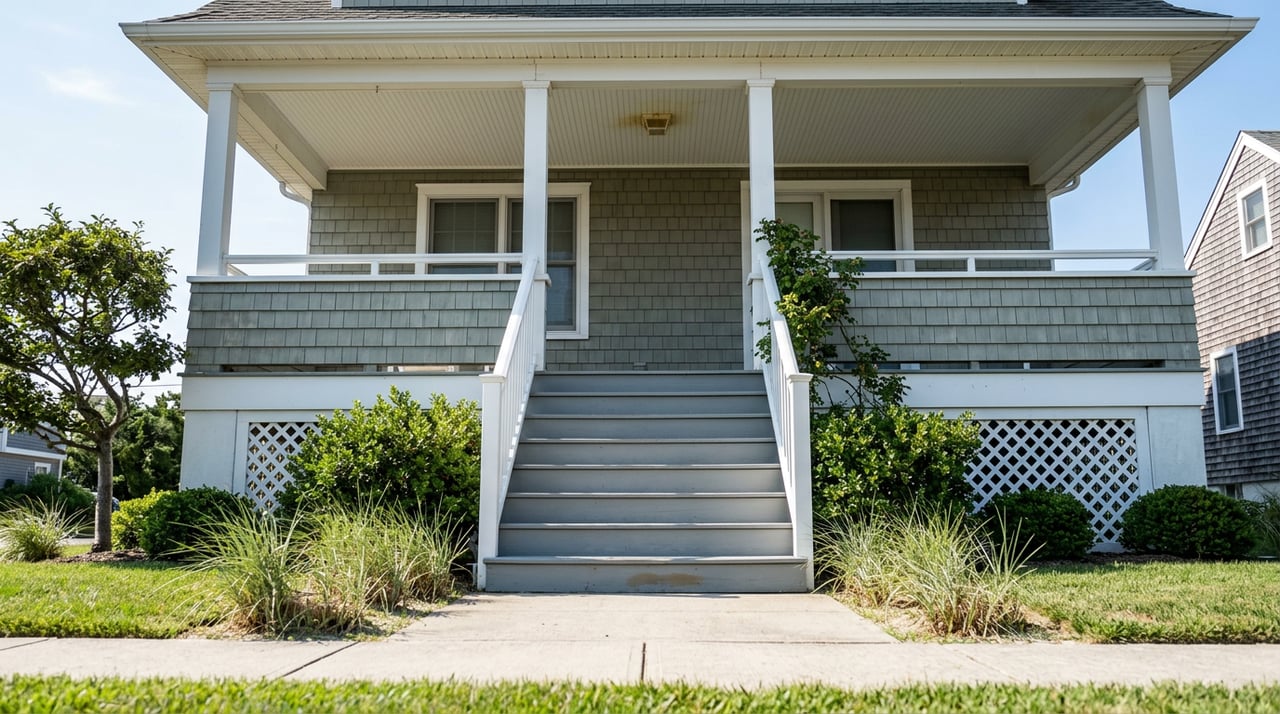
The oldest are the early-1900s keyhole and Craftsman cottages — deep wraparound porches, cedar shake siding, double-hung windows, exposed rafter tails, and the signature enclosed "keyhole" entryways built to keep wind and sand out. They are full of nostalgia, original hardwood, and built-ins, and they reward preservationists. The trade-off is real: closed floor plans, constant maintenance against salt air, and often lower elevations that mean higher flood premiums.
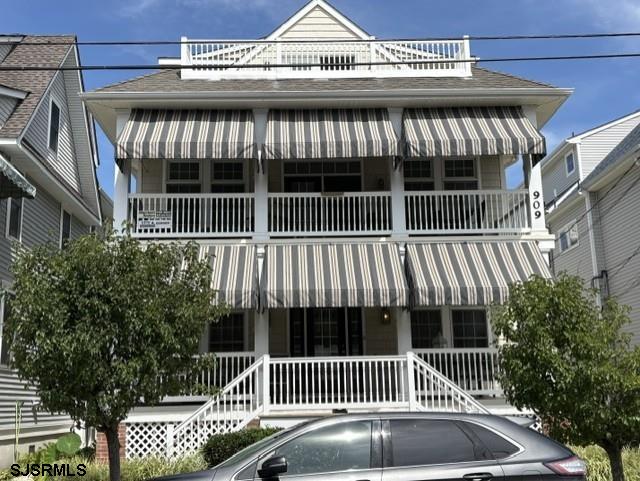
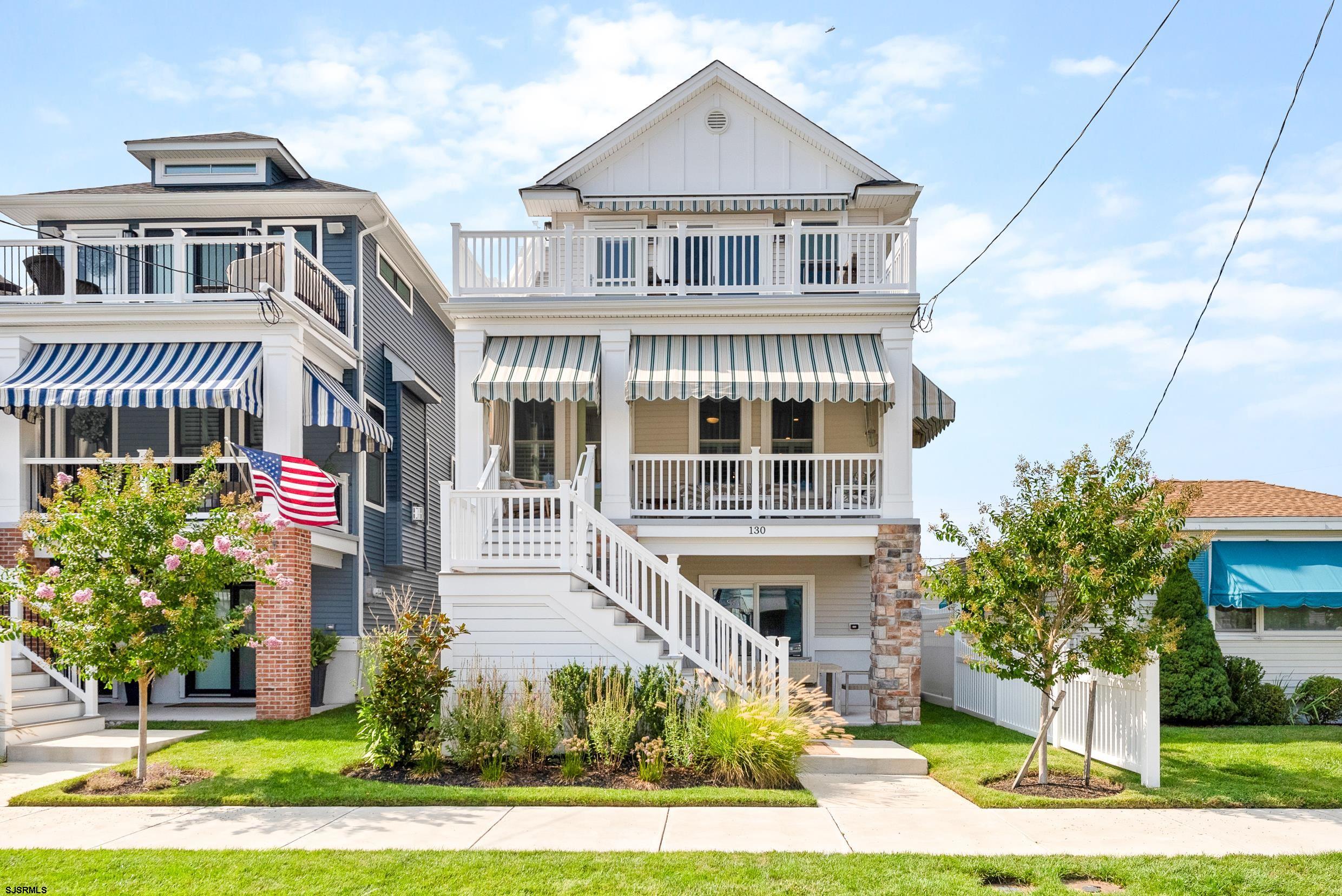
The Ocean City duplex is the structural backbone of the neighborhood — two-family homes stacked vertically into separate first- and second-floor units. Older mid-century versions remain the most affordable doorway into the market, while modern iterations use reversed living layouts, vaulted ceilings, and private rooftop decks to capture ocean or bay views.
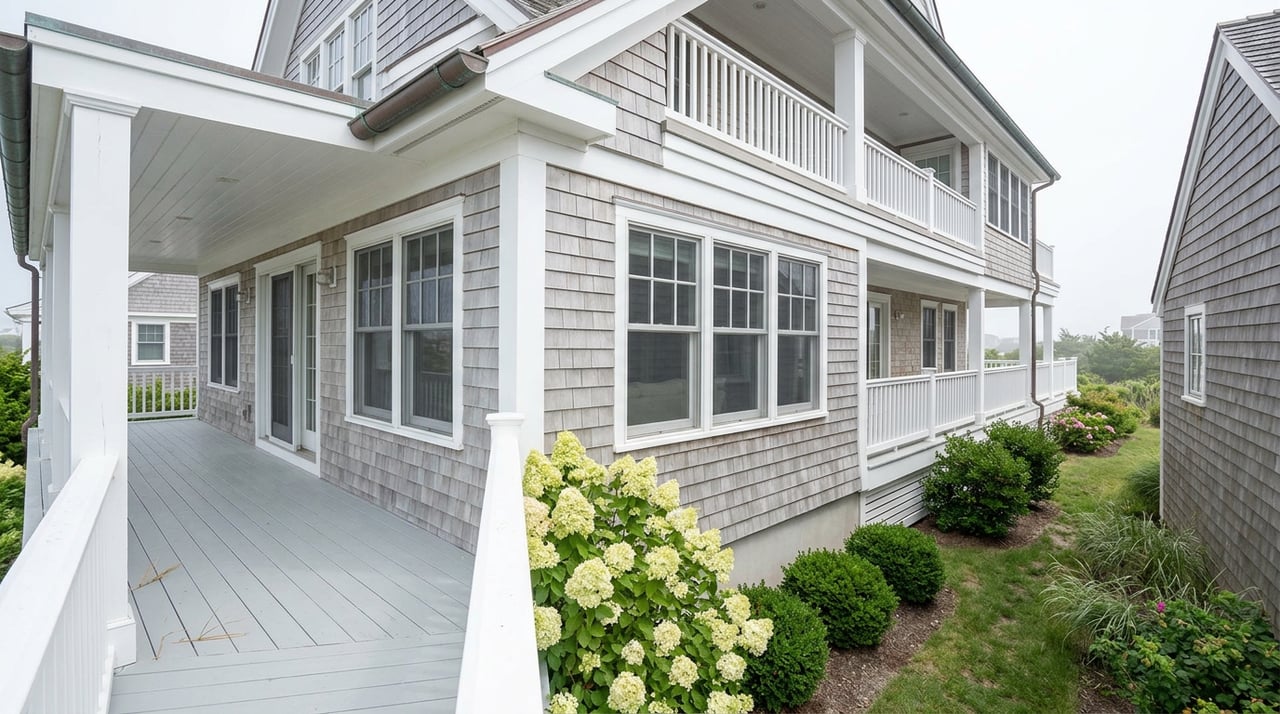
The newest wave is coastal modern new construction, the 2020s answer to un-restorable cottages. These favor clean lines, low-maintenance composite or board-and-batten siding, walls of multi-panel sliding glass, and integrated ground-floor garages. Built to current FEMA standards and elevated on pilings, they carry significantly lower flood insurance costs and lean hard into outdoor living — fiberglass decks on every level, outdoor showers, and increasingly, residential elevators.
Few pockets on the island are as self-contained as the North End. The flat, tight grid earns an exceptionally high internal walk score — many residents leave the car parked all weekend and reach the beach, the bay, or the northern end of the boardwalk on foot in minutes. Biking is a primary mode of transport here, not just recreation; the wide, slow residential avenues are safe enough for children, and the local morning ritual of biking to Asbury Avenue for coffee is practically a tradition.
In peak summer, the city's low-cost passenger jitney runs through the North End down to the boardwalk and commercial zones, cutting the need to hunt for premium parking. For regional travel, NJ Transit connects Ocean City to the Atlantic City transit hub.
For working professionals, the location is well positioned for regional commuting:
For families laying down roots, the schools are a major part of the value proposition. Ocean City runs its own self-contained public district — a rare luxury for a barrier island this size — and it is consistently ranked by Niche as the #1 Best Public School District in Cape May County, placing among the top 40 districts statewide.
Because the island is small, students don't attend hyper-local neighborhood schools; the entire student body funnels into three centralized, well-equipped facilities a short distance from the North End:
The district benefits from a robust coastal property-tax base, which shows up in near-collegiate facilities: top-tier athletic complexes, modern science labs, and serious performing-arts spaces. "Red Raiders" athletics are a genuine point of community pride, with particular strength in water sports, track, and field hockey.
Outdoor life here blends green space with the marine environment. The North End beaches are wide and backed by expansive natural dune lines, and the northernmost stretches near the bridge draw surfers, kiteboarders, and surf fishers looking for a more dynamic shoreline than the heavily managed mid-island beaches.
At the northern tip sits the Howard S. Stainton Wildlife Refuge, a pristine, undeveloped marsh and migratory-bird sanctuary with quiet walking paths — a genuine escape from beach-day energy. Closer to home, All Saints Park and the North End Playground serve as the neighborhood's social anchors, offering well-kept lawns, tennis and pickleball courts, and updated play structures that double as daily gathering spots for local families.
The food and evening scene here is defined entirely by the dry-town heritage, and that's a feature, not a limitation. Ocean City prohibits both retail alcohol sales and BYOB at restaurants, which means the North End trades rowdy nightlife for a sophisticated, family-centric evening culture — and for homebuyers, that translates directly into quiet, safe streets after sunset.
The dining itself leans toward premium-casual coastal fare, beloved breakfast institutions, and artisanal coffee — from boardwalk morning staples like Brown's Restaurant to upscale, seafood-forward dinner spots. When residents want a proper bar, craft cocktails, or wine with dinner, the neighborhood's location does the rest: Somers Point and Atlantic City are 10 to 15 minutes away over the bridge, giving you the calm of the North End with nightlife on call.
If you're weighing a move to the North End — or trying to decide whether to buy, rent, or invest here — it helps to work with someone who has watched this micro-market evolve firsthand. Cheryl Huber has been helping clients buy and sell in Ocean City since 1985, with three decades as a top producer on the island and deep experience across residential sales, new construction, and development. With The Cheryl Huber Team at Berkshire Hathaway HomeServices Fox & Roach — a dedicated group of four agents and two specialty coordinators — every detail of a transaction is handled with care, from first conversation to closing. Whether you're a first-time shore buyer, a returning multi-generational family, or an investor sizing up rental yield, the team's focus is on listening to your goals and treating your search as its own.
To start a conversation or ask a specific question about the North End:
Reach out whenever you're ready — no pressure, just local expertise from someone who knows these streets block by block.
There's plenty to do around North End, including shopping, dining, nightlife, parks, and more. Data provided by Walk Score and Yelp.
Explore popular things to do in the area, including Positively Fourth Street Cafe, Scotch Hall, and Breakfast by the Beach.
| Name | Category | Distance | Reviews |
Ratings by
Yelp
|
|---|---|---|---|---|
| Dining · $$ | 0.13 miles | 109 reviews | 4.4/5 stars | |
| Dining | 0.2 miles | 0 reviews | 0/5 stars | |
| Dining | 0.2 miles | 0 reviews | 0/5 stars | |
| Dining · $$ | 0.27 miles | 109 reviews | 3.6/5 stars | |
| Dining | 0.29 miles | 0 reviews | 0/5 stars | |
| Dining | 0.36 miles | 8 reviews | 3.5/5 stars | |
| Active | 0.3 miles | 0 reviews | 0/5 stars | |
| Beauty | 0.25 miles | 0 reviews | 0/5 stars | |
|
|
||||
|
|
||||
|
|
||||
|
|
||||
|
|
||||
|
|
North End has 1,168 households, with an average household size of 2. Data provided by the U.S. Census Bureau. Here’s what the people living in North End do for work — and how long it takes them to get there. Data provided by the U.S. Census Bureau. 2,517 people call North End home. The population density is 8,620 and the largest age group is Data provided by the U.S. Census Bureau.
Total Population
Population Density Population Density This is the number of people per square mile in a neighborhood.
Median Age
Men vs Women
Population by Age Group
0-9 Years
10-17 Years
18-24 Years
25-64 Years
65-74 Years
75+ Years
Education Level
Total Households
Average Household Size
Average individual Income
Households with Children
With Children:
Without Children:
Marital Status
Blue vs White Collar Workers
Blue Collar:
White Collar:
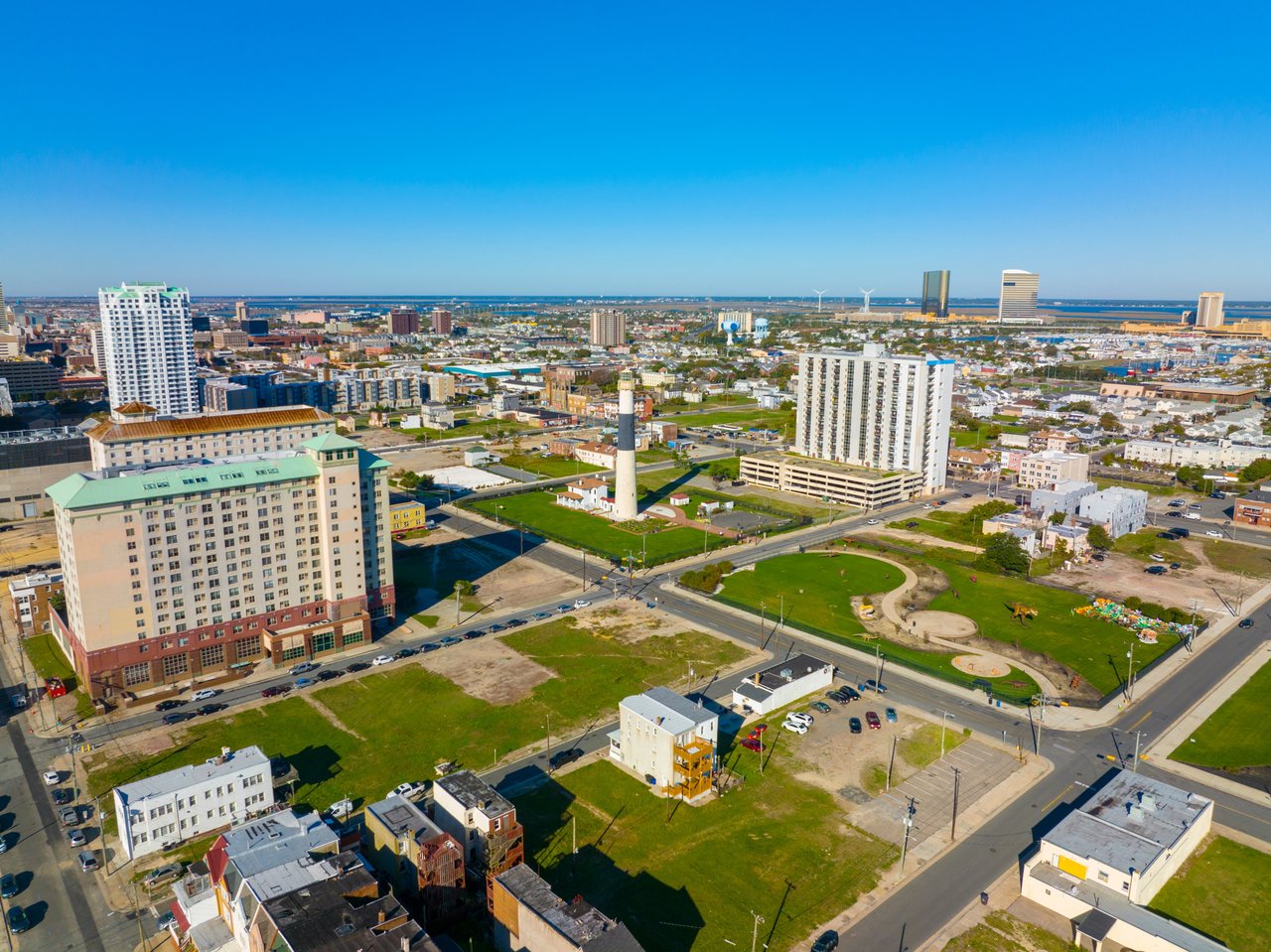
Explore detailed neighborhood profiles to see what makes each area unique — from amenities to nearby attractions.