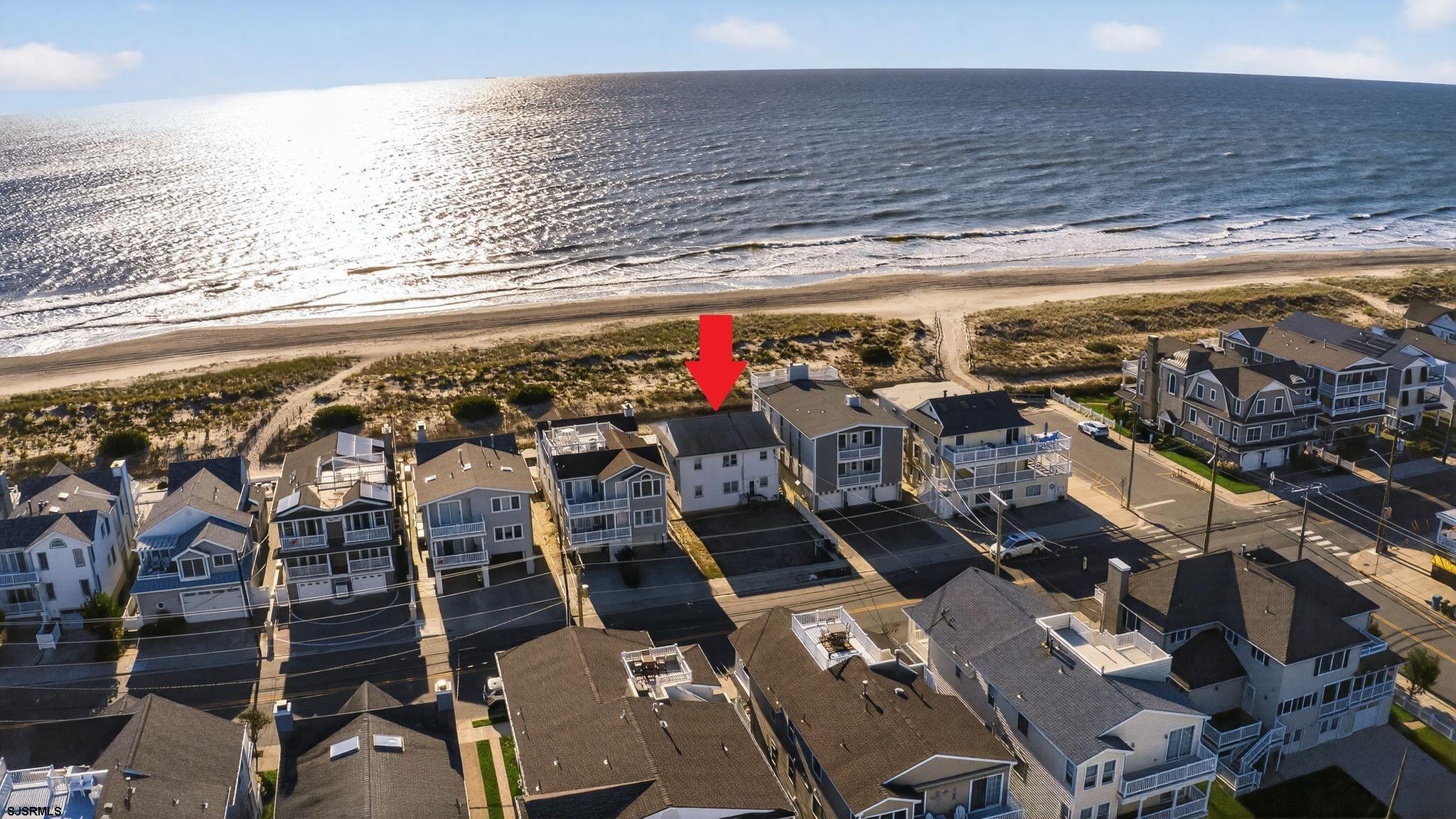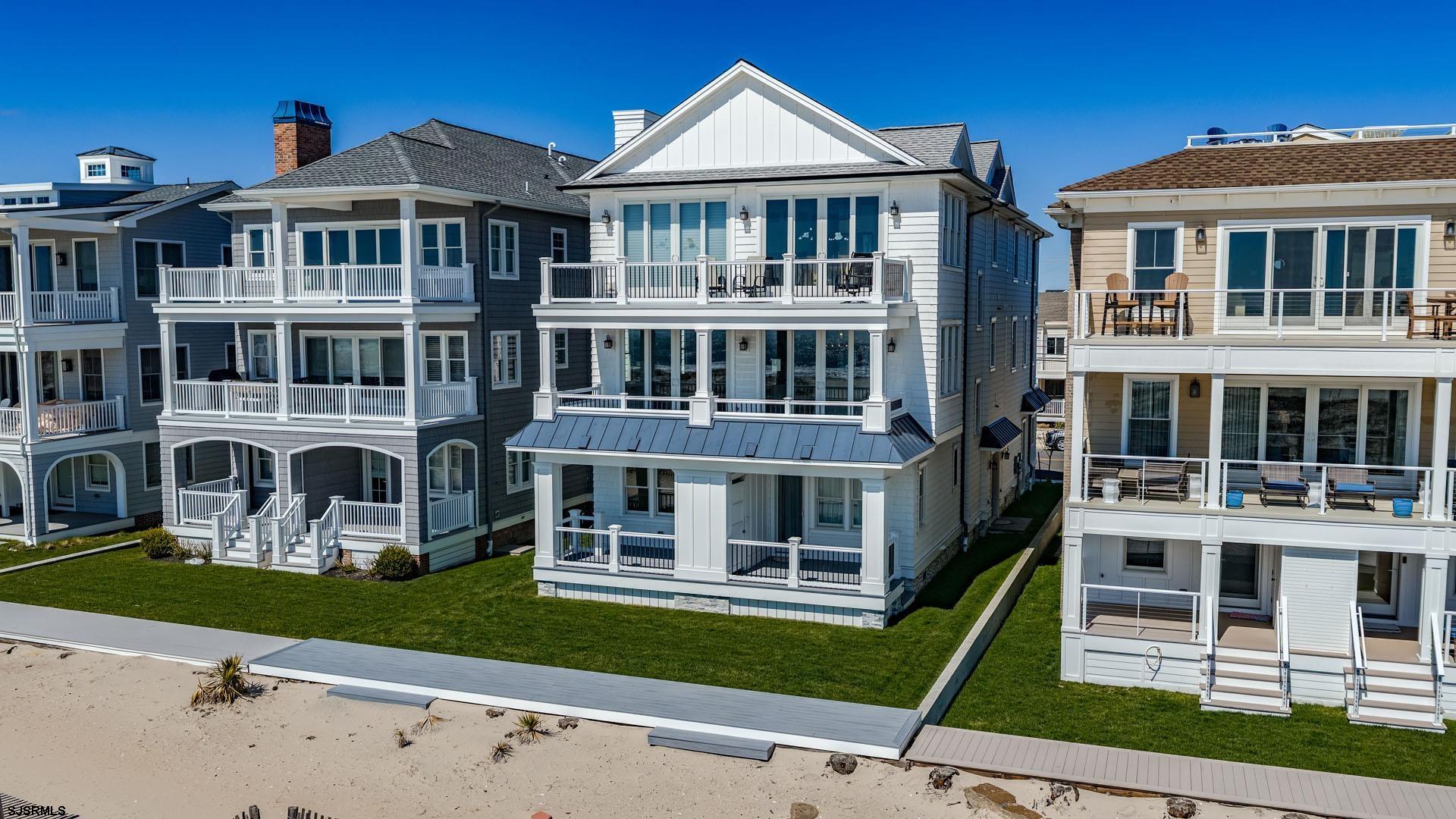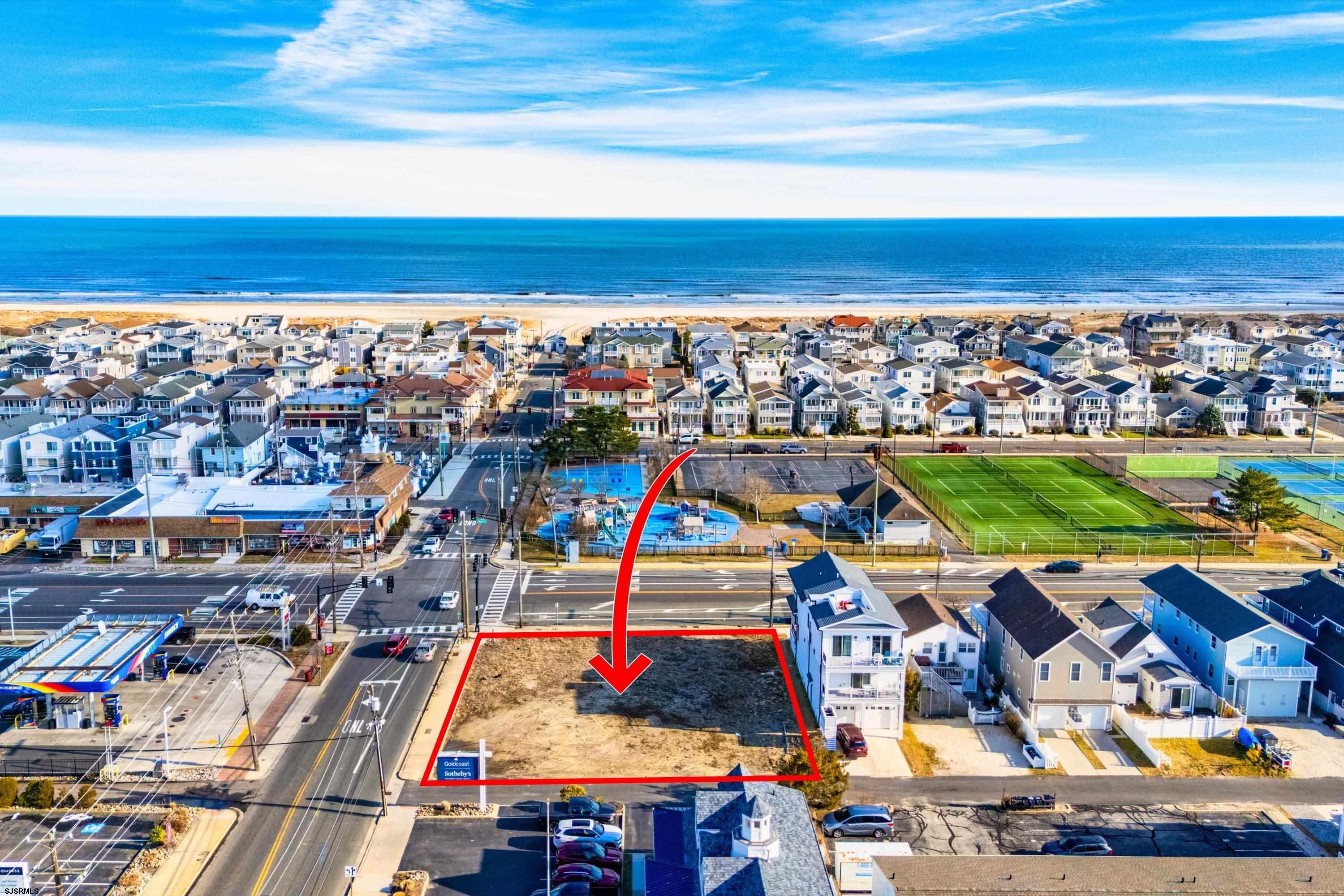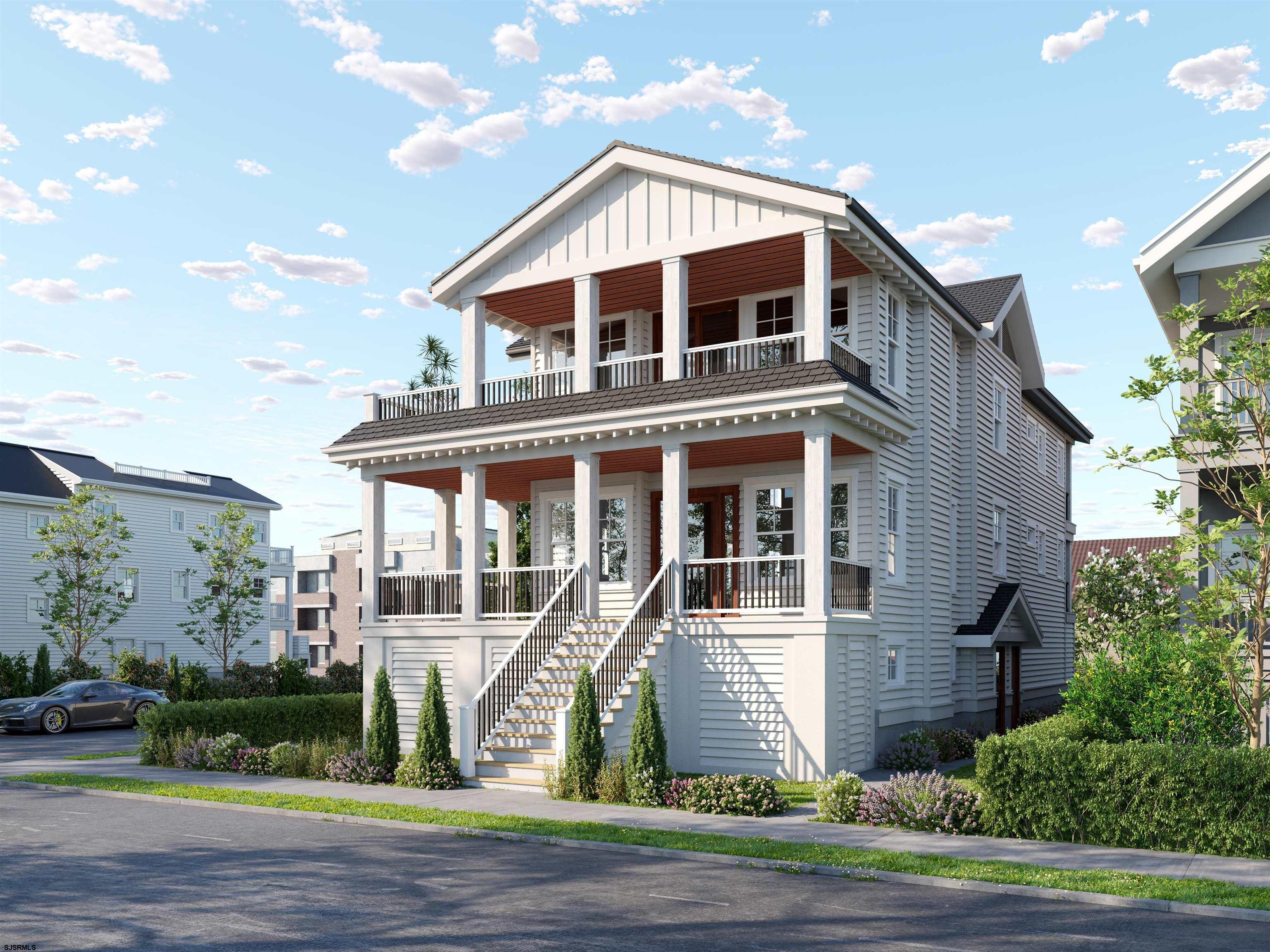
664 people live in South End, where the median age is 65 and the average individual income is $98,901. Data provided by the U.S. Census Bureau.
Total Population
Median Age
Population Density Population Density This is the number of people per square mile in a neighborhood.
Average individual Income
The South End is Ocean City's quiet luxury enclave — the stretch that runs from 34th Street down to 59th Street, where the island narrows and finally surrenders to the dunes of Corson's Inlet State Park. If the boardwalk end of town is about energy and crowds, the South End is its mirror image: residential, calm, and protective of its peace. The island is barely a few blocks wide down here, so wherever you land, you're rarely more than a short walk from the Atlantic on one side or the salt marshes and bay on the other.
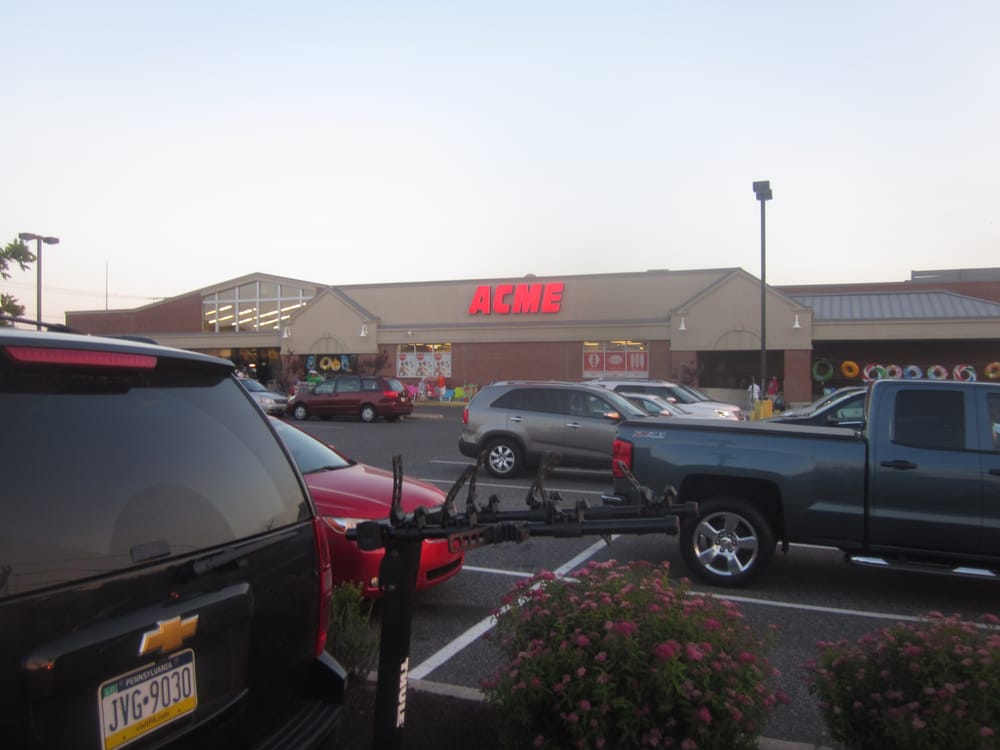
It tends to attract a specific kind of buyer. These are affluent second-home owners, families looking for a multi-generational summer base, and investors who want a blue-chip coastal asset rather than a quick flip. The 34th Street hub — anchored by the ACME grocery store, surf shops, and casual eateries — gives the neighborhood its daily pulse, while the upper edge bleeds into the "Goldcoast" (24th to 34th Streets) and its ultra-luxury beachfront estates. Ocean City's status as a dry town reinforces the whole atmosphere: wholesome, family-centric, and noticeably free of late-night commotion. People come to the South End precisely because it stays quiet.
The South End has firmly established itself as one of the most premium pockets on the entire island, and the numbers reflect it. The median listing price has climbed to roughly $1.4M to $1.5M, with price per square foot sitting at a striking $1,300-plus. Depending on the month and the mix of product trading hands, year-over-year appreciation has run anywhere from 7% to 19% — meaningfully ahead of the island's broader averages.
The market has also gotten dramatically faster. Median days on market now sit around 46 to 70 days, a steep drop from the 100-plus-day stretches common a year earlier. The reason is simple: there's almost nothing to buy. Island-wide inventory hovers around 200 to 370 active listings against a historical norm of 800-plus, and the South End specifically rarely shows more than 40 to 50 active properties at any given moment. That structural shortage is what keeps values steady even when broader macroeconomic conditions wobble.
Looking ahead, the South End is transitioning into a year-round luxury target rather than a purely seasonal one. Local expectations point to continued, steady appreciation in the 5% to 8% range. If interest rates ease, expect sidelined buyers to immediately absorb whatever limited inventory hits the market — keeping competition high for the foreseeable future.
The South End draws a distinct flavor of investor. Wider beaches, calmer traffic, and a family-first reputation let it command premium weekly rental rates in peak summer — but because entry prices are so high, strategy matters more here than almost anywhere else on the shore.
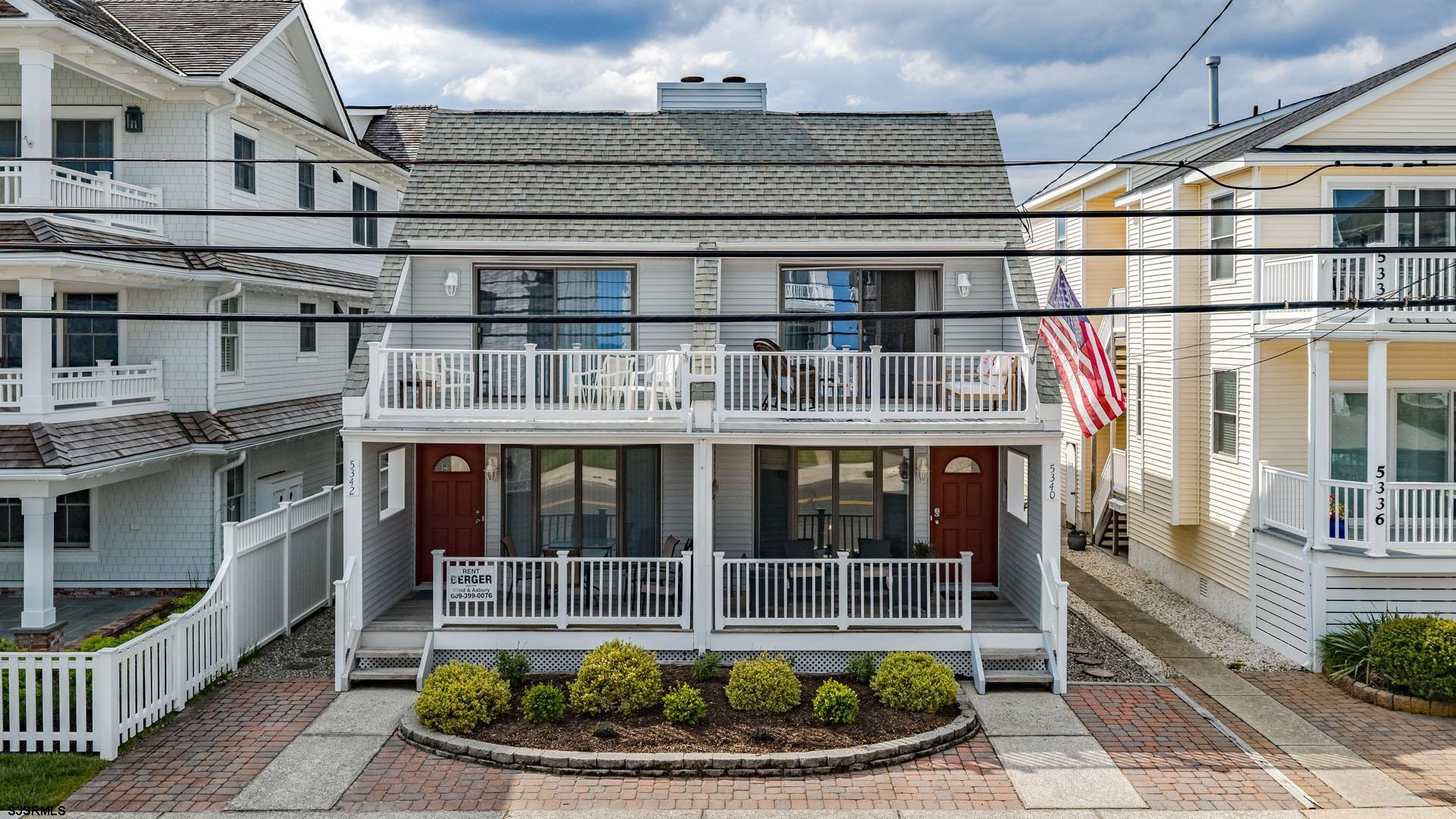
For the cash-flow play, the quintessential South End investment is the duplex — typically a three- to four-bedroom first- or second-floor condo. Cap rates can feel compressed given that a half-duplex often runs $1M-plus, but summer rental velocity is exceptional. A modern three- or four-bedroom unit a few blocks from the beach can command $4,000 to $7,000-plus per week in July and August, while oceanfront and beach-block properties earn far more. Most savvy buyers run the numbers through a "cost-to-carry" lens, using peak-season income to fully offset the annual mortgage, taxes, and insurance while equity compounds underneath them.
For the appreciation play, the South End is arguably one of the safest long-term bets on the New Jersey shore. The island is completely built out, so new land can't be manufactured, and Corson's Inlet State Park forms a natural geographic barrier at the southern tip that permanently locks in the neighborhood's quiet, elite character. That scarcity is the engine behind consistent, reliable appreciation.
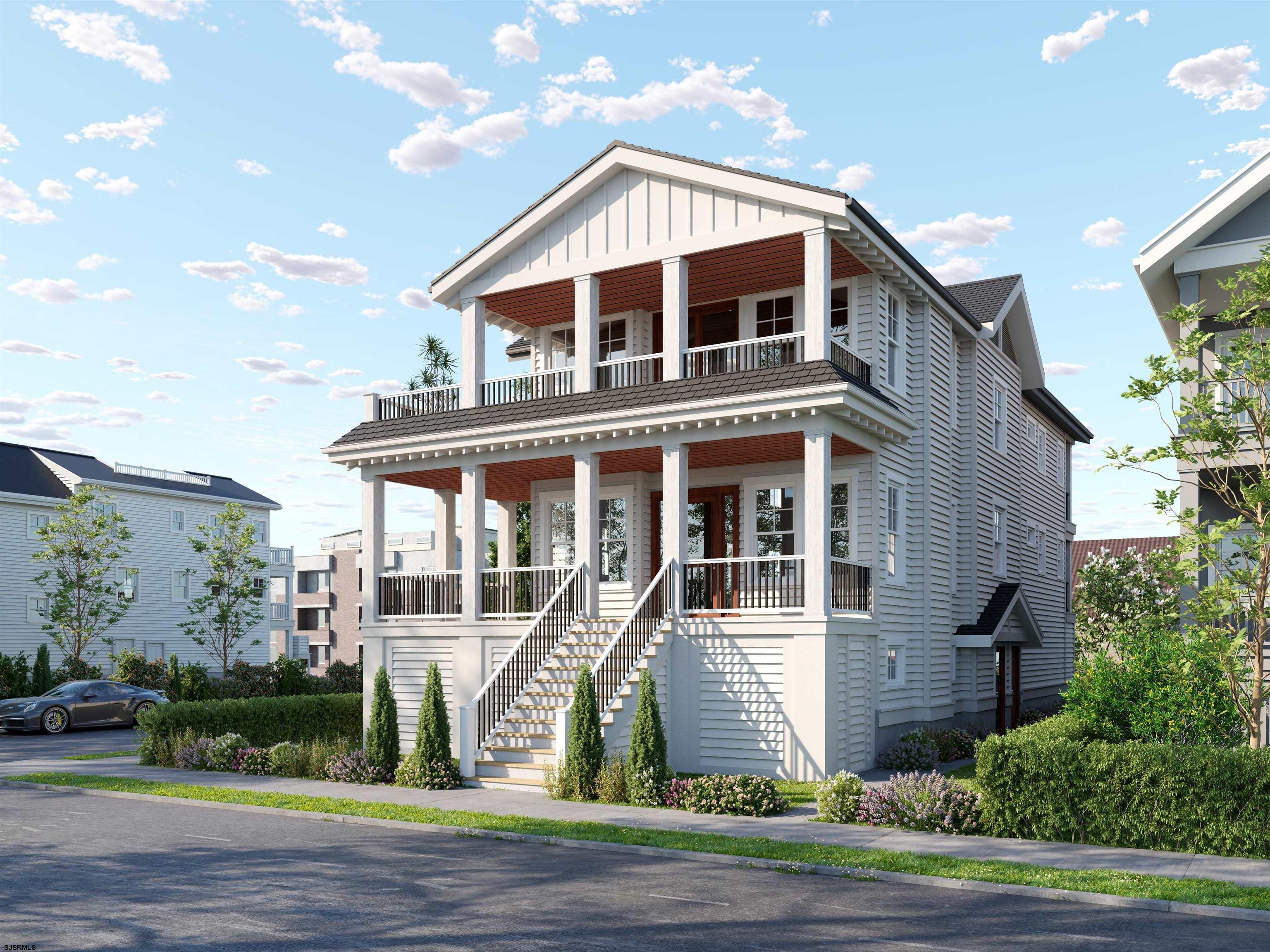
The fix-and-flip play here rarely means a cosmetic refresh — it means redevelopment. Investors scout older single-family cottages and dated, non-conforming duplexes from the 1960s through 1980s, buy them largely for land value, and tear them down to build high-end luxury coastal duplexes with elevators, multi-level decks, premium kitchens, and off-street parking. The highest margins come from selling the top and bottom units individually as new-construction condos, though this path requires serious capital and established relationships with Cape May County builders.
Purchasing in the South End moves fast, centers on a single dominant property type, and carries a handful of coastal-specific hurdles you won't find inland.
The property you're most likely to buy is a duplex condominium — a legal duplex where the first and second floors are sold separately. Second-floor units tend to command higher prices for their vaulted ceilings and elevated views, while first-floor units win on easy ground-level access. Single-family homes are less common and highly coveted, especially on beachfront or oversized corner lots, and older cottages still appear on select streets, though many are rapidly becoming teardown targets.
On competitiveness, the structural supply shortage keeps this market aggressive. Well-priced duplexes and beach-adjacent homes routinely trigger "highest and best" multi-bid scenarios within days. Because so many buyers are affluent second-home shoppers or investors, cash offers and large down payments of 30% to 50% are common — which puts traditional, low-down-payment buyers at a real disadvantage.
Every New Jersey transaction opens with a three-business-day attorney review, during which either side's lawyer can modify or cancel the contract. Once you're past that, the coastal contingencies are where local expertise earns its keep:
In a vacation market like this one, the rent-versus-buy decision isn't about comparing monthly rent to a mortgage — it's about weighing the purchase price against gross annual seasonal income. The price-to-rent ratio is heavily skewed upward, and that single fact drives the entire calculation.
Here's the practical comparison:
| Metric | Renting (Seasonal / Weekly) | Buying (Ownership) |
|---|---|---|
| Average cost / capital | $4,500 – $7,500 per week (peak summer) | $1.4M – $1.5M+ (median purchase price) |
| Annual cash outlay | $20,000 – $40,000 (for 4–6 weeks of use) | $90,000 – $110,000+ (mortgage, flood, insurance, condo fees) |
| The friction | Zero equity, rising weekly rates, rigid booking windows | Heavy down payment; carrying costs outpace standard annual lease values |
Renting makes more sense under what locals call the "under six weeks" rule. If you only use the property for a month or so each summer and have no desire to act as a landlord, renting is far more economical. Because purchase prices sit near $1.4M-plus for a standard duplex unit, the income from a conventional annual lease simply doesn't cover a 70% to 80% loan-to-value mortgage at current rates. If you don't want to hustle for short-term summer vacationers, ownership can become a cash-negative monthly drain.
Buying makes more sense as a hybrid play. Rent the home during ultra-premium weeks — July 4th through late August at $6,000-plus per week — and you can generate $40,000 to $60,000 in gross summer income. That effectively subsidizes your own use during the gorgeous shoulder seasons of May, June, September, and October, while the property quietly builds equity. And because the South End is geographically locked by the ocean, the bay, and Corson's Inlet, buying here is fundamentally a bet on scarcity: an insulated, historically safe asset that reliably appreciates while securing a multi-generational gathering spot for your family.
If you're arriving from out of town — North Jersey, New York, Philadelphia, or beyond — the single most important thing to understand about the South End is its rhythm.
Geographically, the neighborhood begins past 34th Street and runs down to 59th, where the island ends at Corson's Inlet State Park. Because the island narrows here, you're rarely more than three blocks from either the ocean to the east or the salt marshes and bay to the west. The vibe is residential sanctuary rather than tourist corridor — no boardwalk, no amusement rides, no high-foot-traffic commercial zones. The 34th Street hub serves as the lifeblood, hosting the major grocery store, gas stations, surf shops, and casual restaurants. Beyond it, commercial activity thins out fast, which is exactly why backyards down here stay so peaceful.
Two seasonal realities are worth understanding before you commit. First, the summer surge: between Memorial Day and Labor Day, Ocean City swells from roughly 11,000 year-round residents to well over 100,000. In the South End that means tighter street parking and busier beaches, though it still feels far less congested than the boardwalk end. Second, the quiet season: from October through April, the neighborhood enters a genuine hibernation, with many restaurants closing or shifting to weekend-only hours. For someone craving a tranquil coastal escape, January here is paradise; for someone wanting a bustling, year-round social scene, it can feel lonely. Knowing which camp you fall into is the key to a happy relocation.
The South End reads like a visual timeline of the New Jersey shore's evolution, with the look of the streets dictated heavily by zoning laws and coastal building codes.
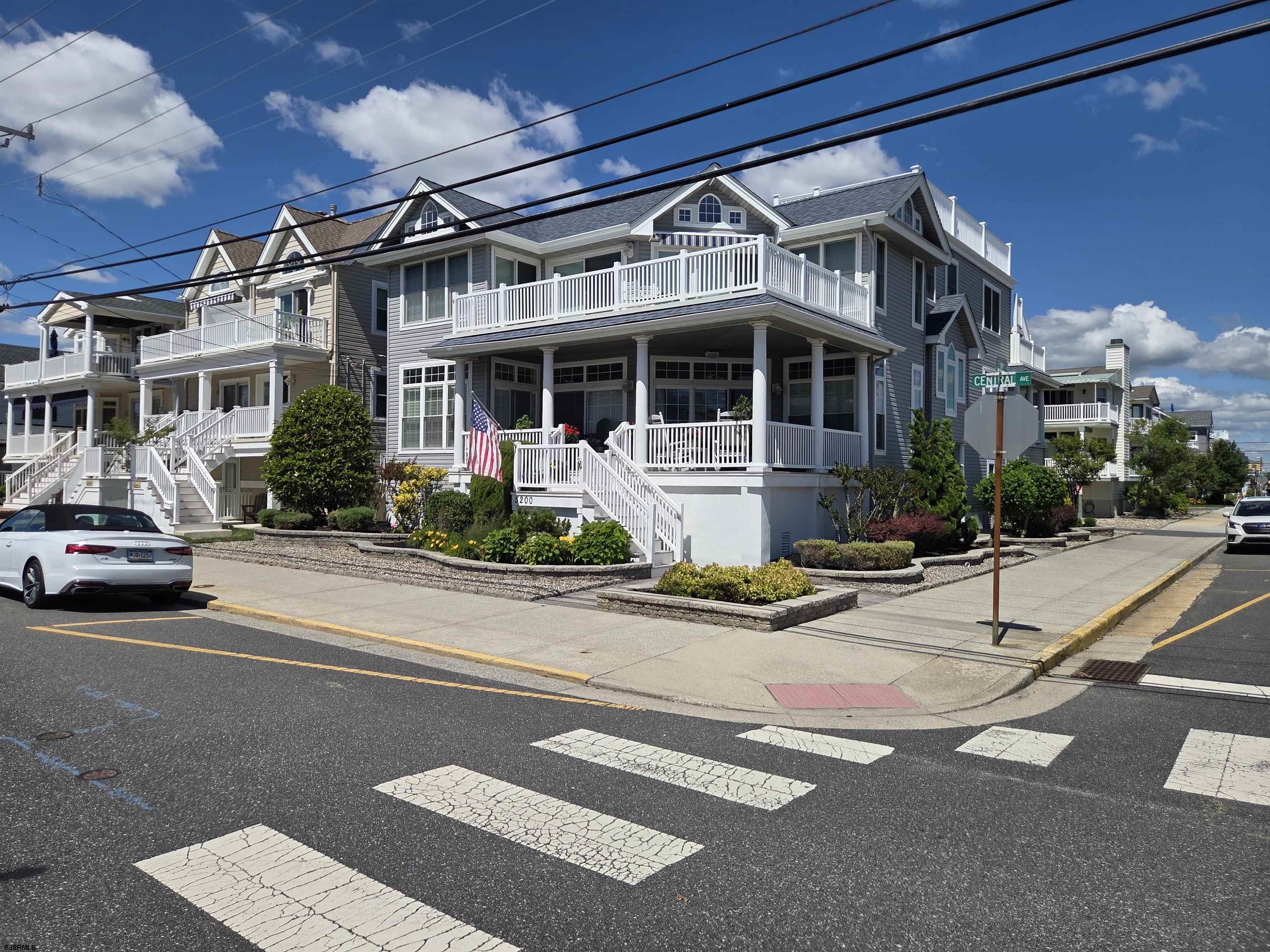
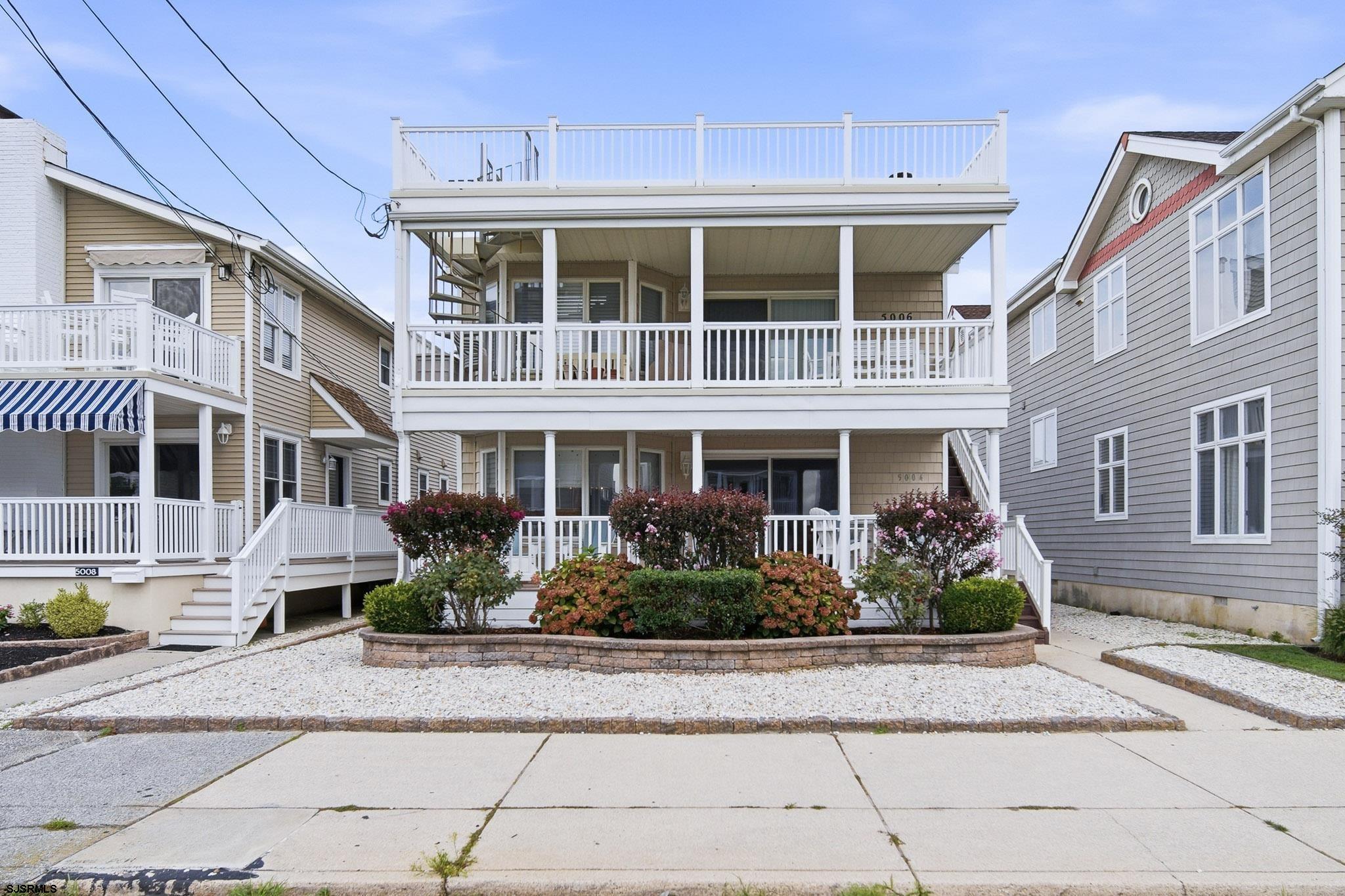
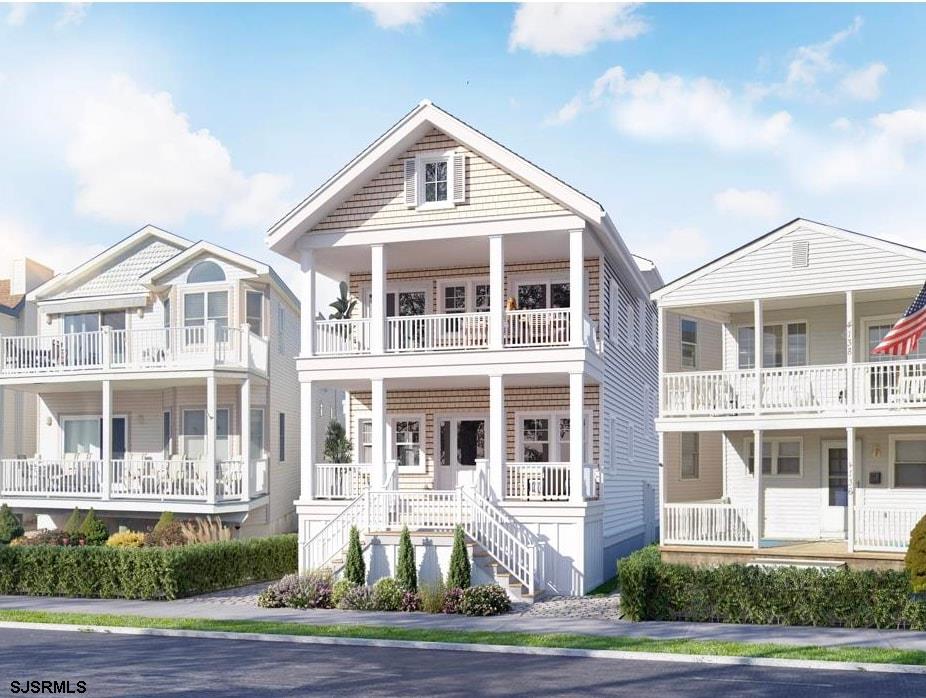
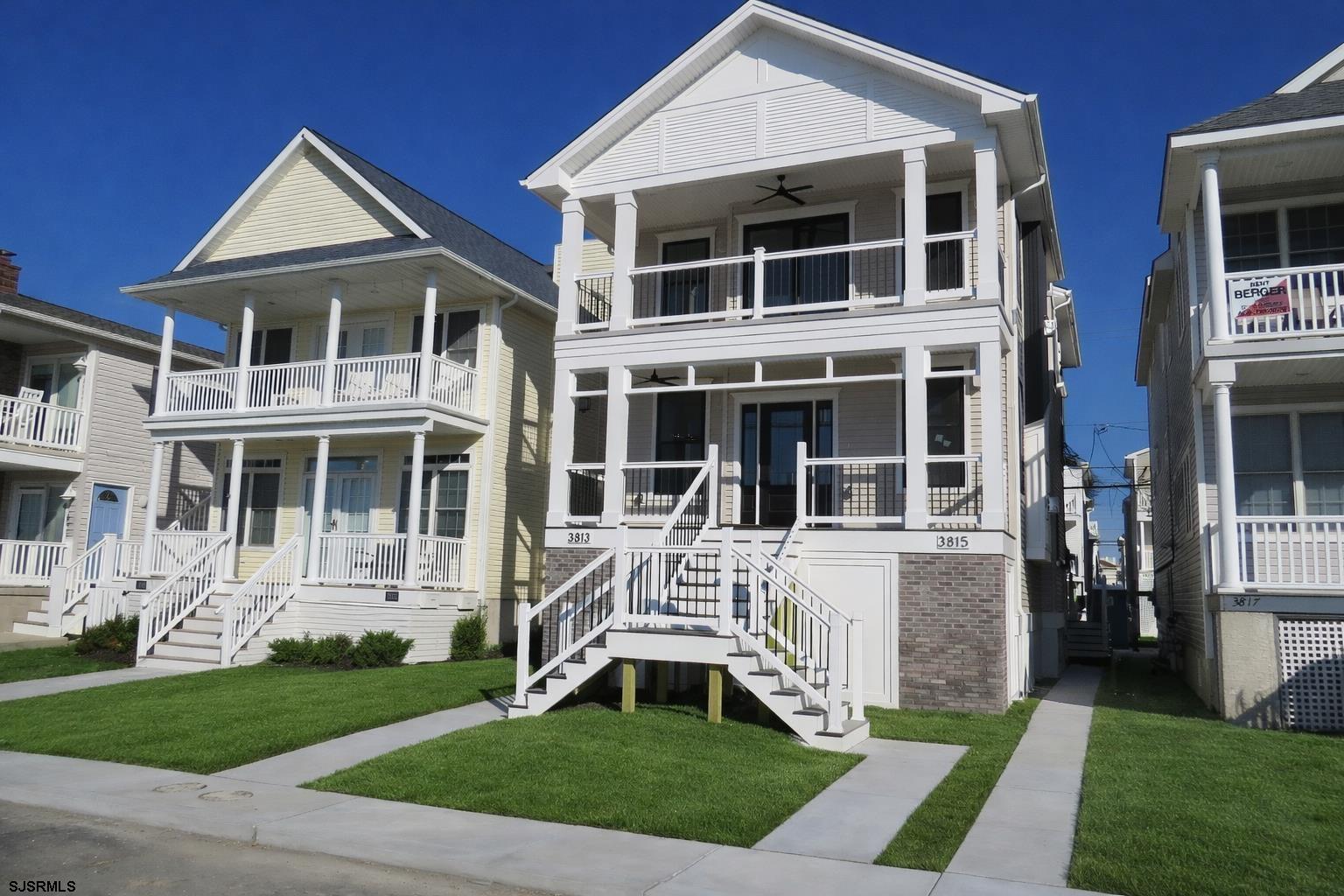
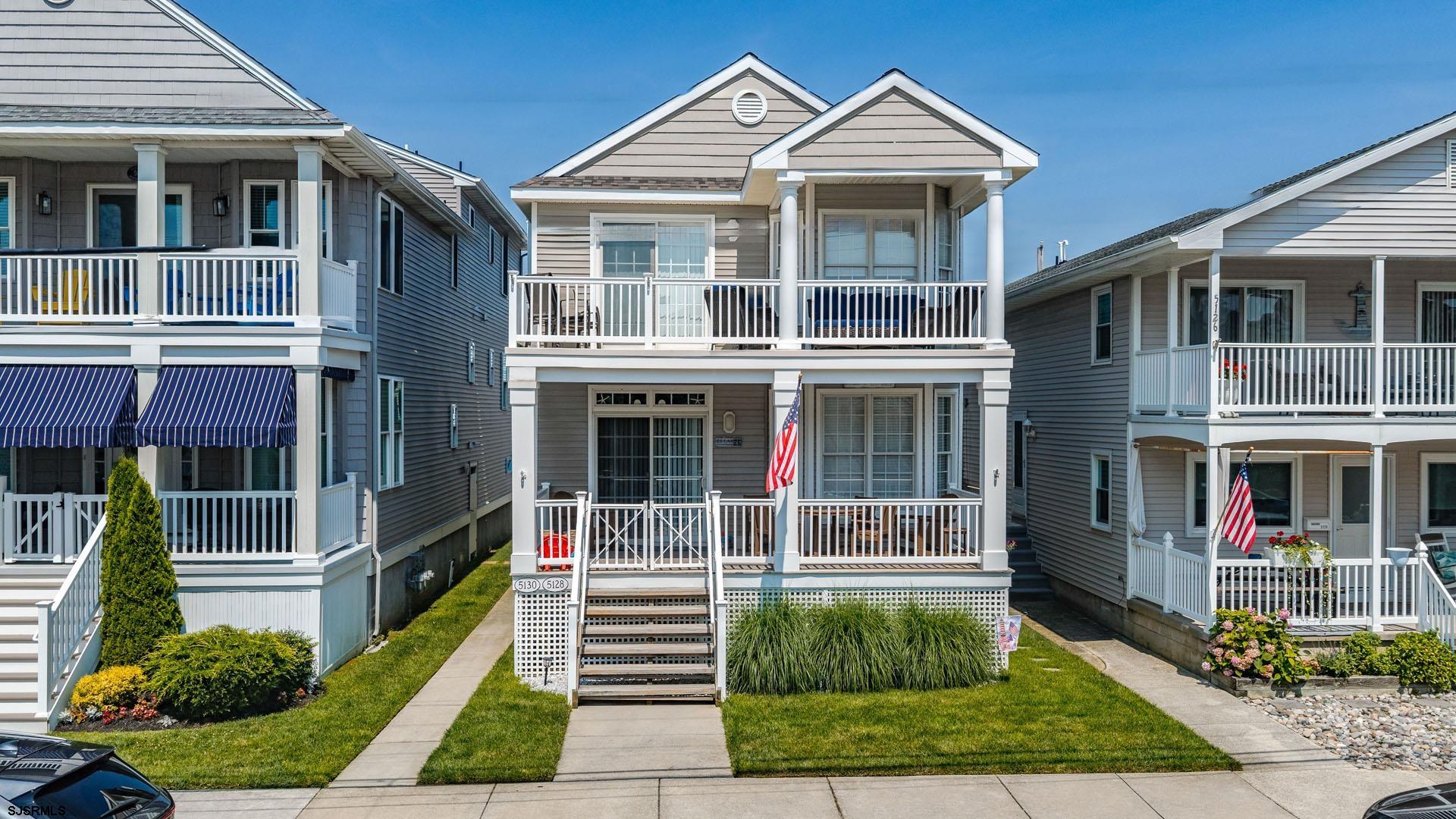
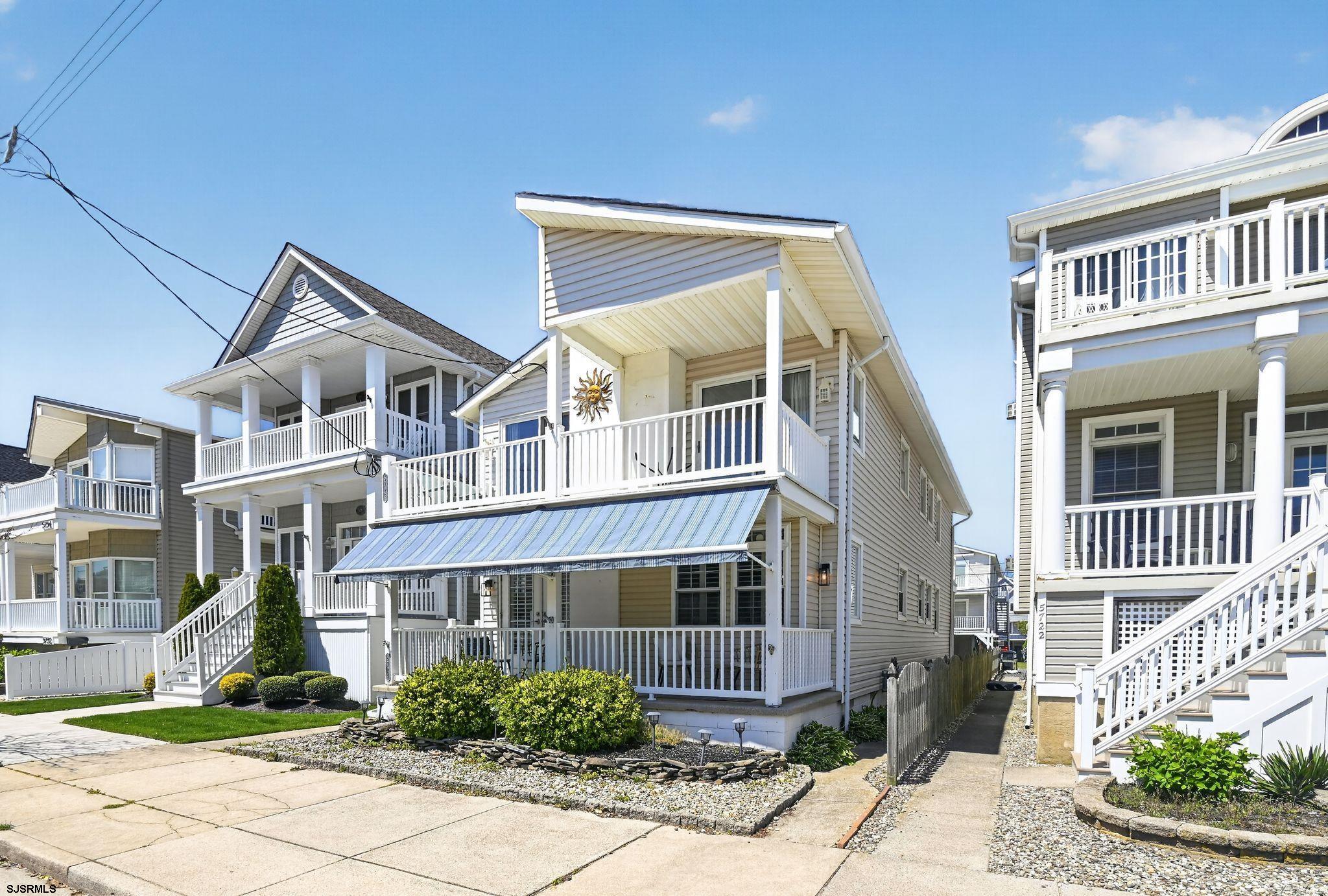
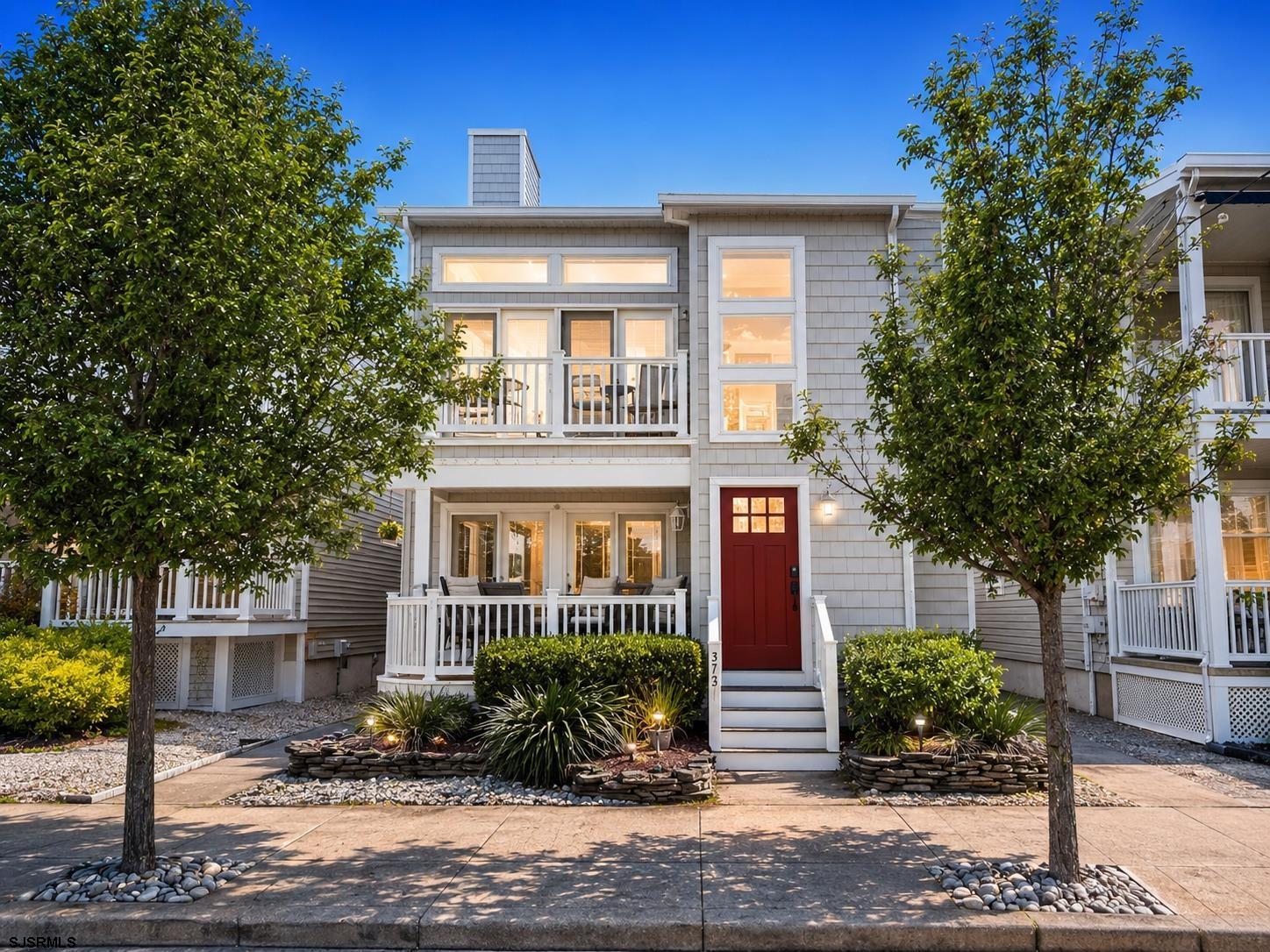
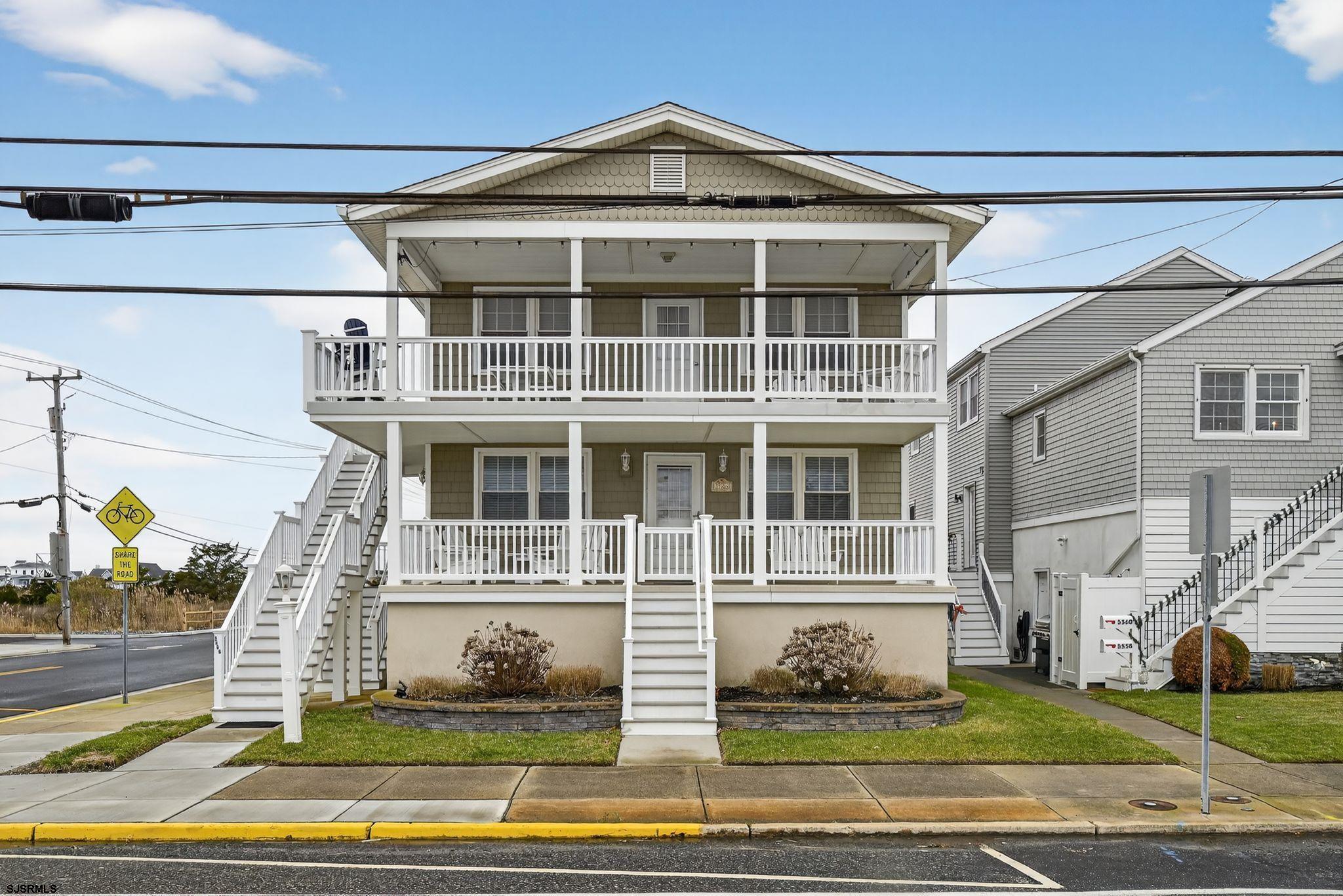
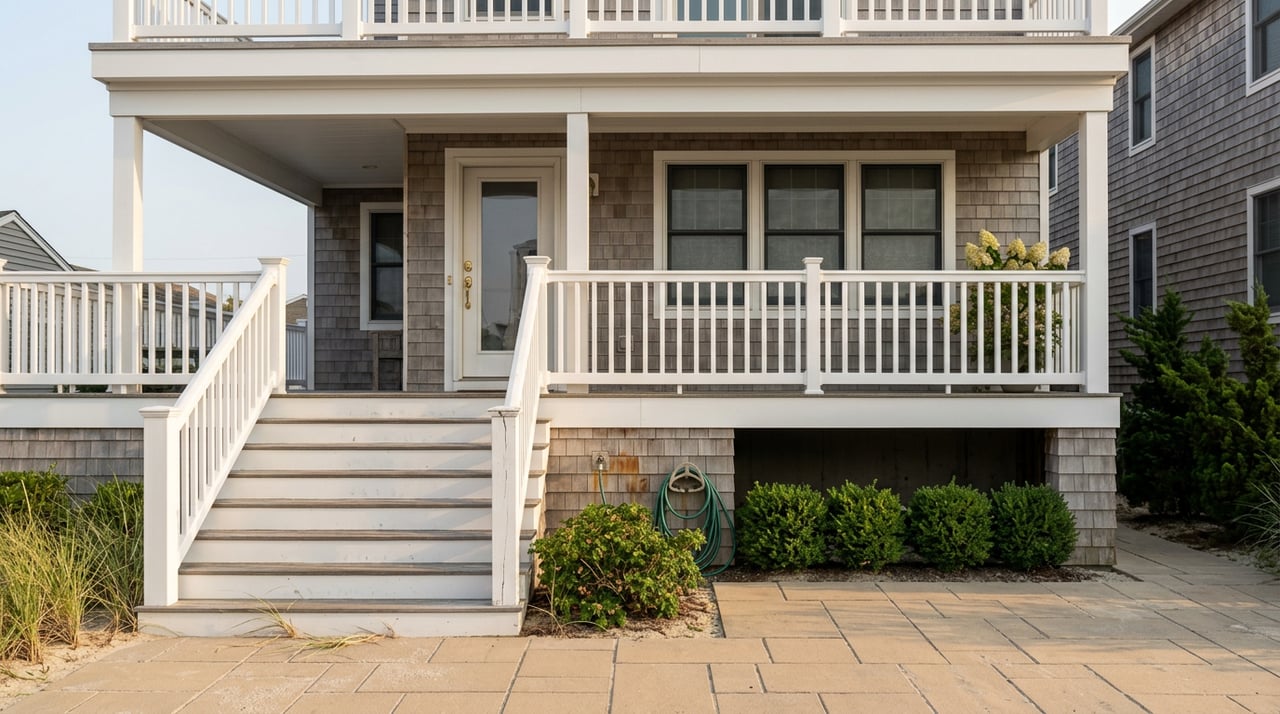
The dominant style by far is the modern coastal duplex. Drive down Asbury or Central Avenue through the 40s and 50s blocks and this is what you'll see everywhere: clean lines, vinyl or composite fiber-cement siding in coastal pastels, light grays, or classic white, and dramatic multi-level fiberglass decks. These are stacked first- and second-floor units, and the upper units almost always feature cathedral or vaulted ceilings to create an airy feel and capture peek-a-boo ocean or bay views. Ground-level carports and garages tucked beneath the living spaces are standard, designed to protect against tidal flooding.
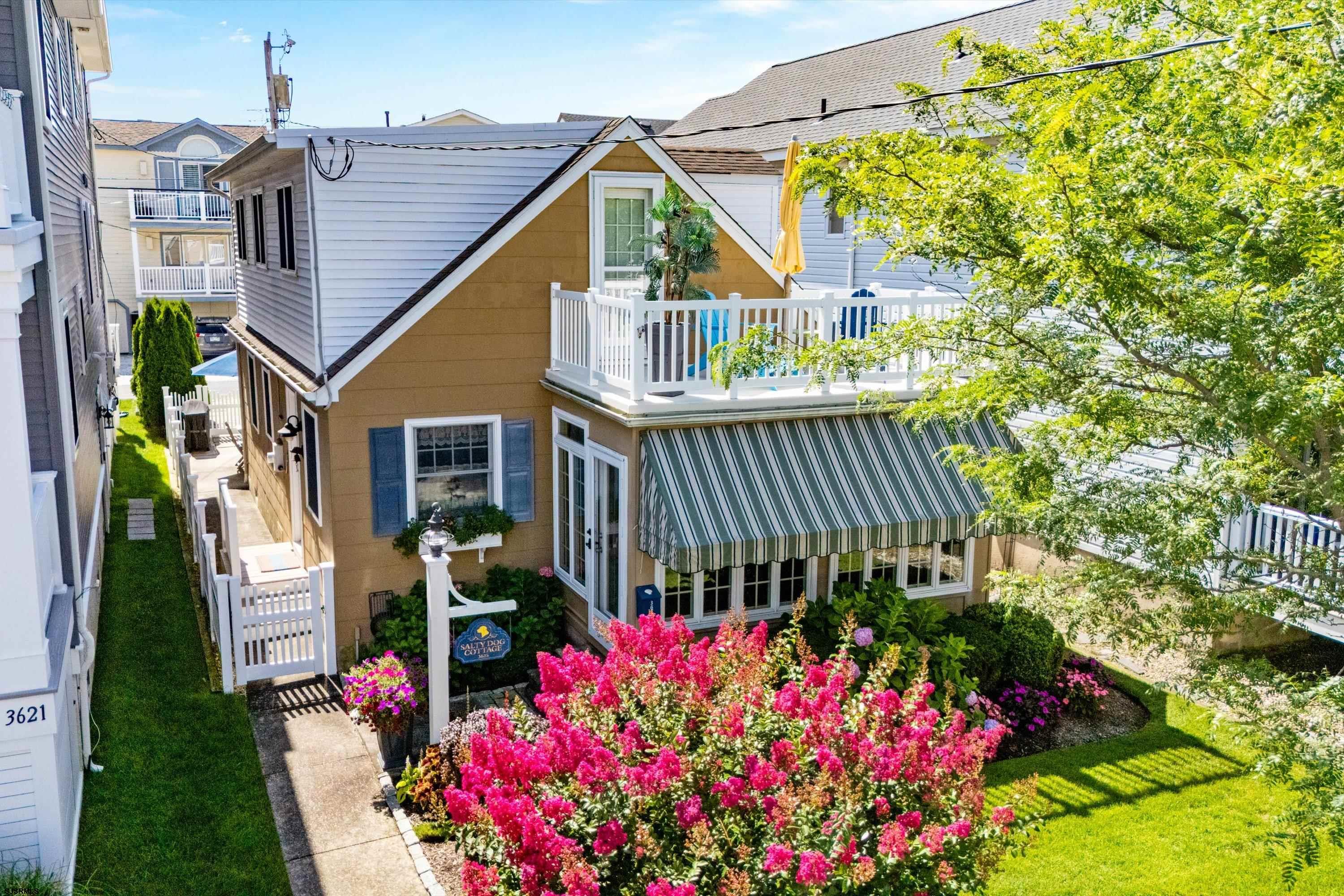
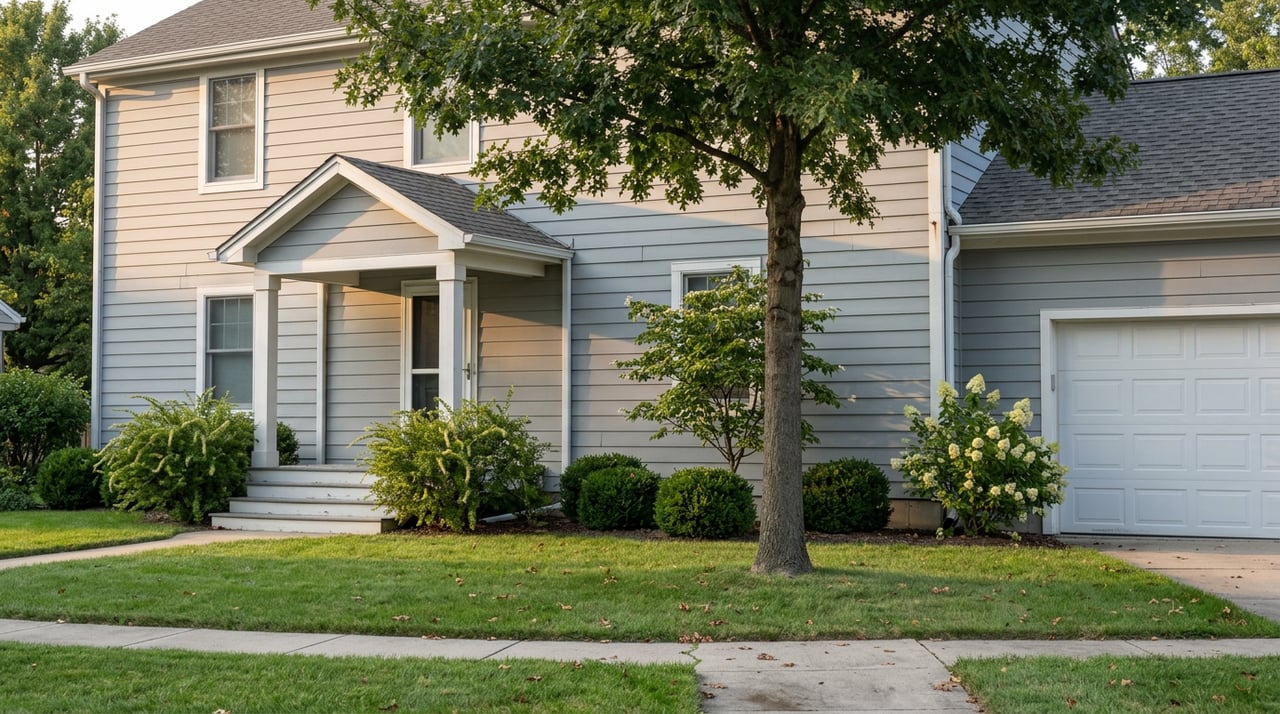
Sprinkled between the new builds are the mid-century coastal cottages and ranches from the 1950s through 1980s — single-story ranches and modest cedar-shake or vinyl two-stories. They're charming and nostalgic, but increasingly an endangered species; most are bought for land value and slated for teardown rather than long-term living.
At the top of the market sit the modern luxury single-family beachfronts, built on oceanfront lots and oversized corners. These lean into high-end Nantucket or Cape Cod shingle-style architecture, using premium salt-resistant materials like cedar shake, AZEK trim, and impact-resistant glass. Many adopt an "upside-down" floor plan — bedrooms below, kitchen and living areas on top — to maximize panoramic ocean views, and they frequently include private elevators and rooftop decks.
One nuance ties it all together: because the South End sits low on a barrier island, FEMA regulations shape the design language. Almost all construction built after Hurricane Sandy in 2012 sits elevated on pilings, lifting mechanical systems and main living spaces above the base flood elevation. The result is the neighborhood's distinctly vertical, elevated aesthetic.
The South End presents an interesting paradox: it's wonderfully walkable for daily beach life, but getting off the island for work requires a car.
For everyday summer living, the walkability is excellent. Because the island narrows past 34th Street, you're never more than a few blocks from the beach or the bay. Biking is arguably the primary mode of local transportation — Ocean City has dedicated bike lanes and sharrows, and the South End offers a far calmer, safer environment for families on bikes than the high-traffic zones up north. The classic morning routine is a ride down West or Central Avenue for coffee at the 34th Street hub. Public transit within the neighborhood is minimal; NJ Transit runs seasonal bus routes along the island, but residents don't rely on it.
For commuting, there are no major employers on the island, so leaving means using either the 34th Street Bridge (Roosevelt Boulevard), which connects to Marmora and Route 9 on the mainland, or the southbound Ocean Drive bridge over Corson's Inlet toward Strathmere and Sea Isle City. From there:
For families planning a permanent move, the public school system is one of Ocean City's strongest selling points. The town runs its own independent, highly rated district, well supported by a robust local tax base. Because the island is so compact, there are no schools physically inside the South End — all students travel a few minutes north to the district cluster near the center of the island.
The district is built around three well-decorated schools. Ocean City Primary School (PK–3) is known for small class sizes and personalized attention. Ocean City Intermediate School (4–8) focuses on preparing students for advanced high school tracks and offers strong music and athletic programs. And Ocean City High School (9–12) is the crown jewel — consistently ranked the #1 Best Public High School in Cape May County and sitting comfortably among the top tier statewide.
A few points stand out for buyers. The district's student-to-teacher ratio runs about 9:1 to 10:1, well below the New Jersey average, which translates into high individual engagement. Ocean City High School is prestigious enough to participate in the New Jersey Interdistrict Public School Choice program, meaning students from surrounding mainland towns actively compete for open seats — a genuine testament to its academic, STEM, and athletic reputation. And because the South End and Goldcoast generate such high property values, the district is exceptionally well-funded, with technology, arts programs, and athletic facilities that rival top private institutions.
For buyers who value natural beauty over boardwalk commercialism, the South End is the premier spot on the island — protected ecosystems and open water in place of concrete and amusement rides.
The crown jewel is Corson's Inlet State Park at the island's southern tip near 59th Street, offering pristine undeveloped dunes, scenic hiking trails, a boat launch for kayakers and jet-skiers, and some of the finest saltwater surf fishing on the East Coast. At the neighborhood's northern gateway, the 34th Street Playground & Recreation Complex serves as the civic heartbeat for families, with high-end playground structures, tennis and basketball courts, and a popular skate park. And along the western edge, the protected salt marshes give bay-side and west-facing properties — particularly along Haven and Simpson Avenues — front-row seats to spectacular sunsets and wildlife like osprey and herons that simply aren't available on the busier north end.
The social scene here is intentionally low-key, mirroring the neighborhood's residential character. As a reminder for out-of-towners, Ocean City is a dry town — no bars, nightclubs, or liquor stores anywhere on the island, and restaurants don't serve alcohol, though many allow you to BYOB. That keeps evenings firmly family-oriented.
The dining clusters around the 34th Street corridor, signaling a casual, upscale-beach lifestyle with iconic local institutions like Mallon's Homemade Sticky Buns, a generations-old morning tradition, alongside casual seafood shacks and classic pizza joints. Deeper in the neighborhood you'll find beloved micro-hotspots like Aunt Betty's Kitchen, famous for July ice cream lines that stretch down the block, and the 55th Street Seafood Market. When residents want a proper night out — cocktails, a casino, formal nightlife — they take a quick 10-minute drive over the bridge into Sea Isle City or Avalon, or head 25 minutes north to Atlantic City, then retreat back to the total quiet of their South End sanctuary.
If you're weighing a move to the South End — or trying to decide whether to buy, rent, or invest in this corner of the island — it helps to work with someone who has watched this market mature firsthand. Cheryl Huber has been helping clients buy and sell in Ocean City since 1985, with three decades as a top producer and deep experience spanning residential sales, new construction, and development. With The Cheryl Huber Team at Berkshire Hathaway HomeServices Fox & Roach — a dedicated group of four agents and two specialty coordinators — every detail is handled with care from the first conversation through closing. Whether you're a first-time shore buyer, a returning family searching for a multi-generational base, or an investor sizing up rental yield in a high-entry market, the team's focus is on understanding your goals and treating your search as its own.
To start a conversation or ask a specific question about the South End:
Reach out whenever you're ready — no pressure, just local expertise from someone who knows these streets block by block.
There's plenty to do around South End, including shopping, dining, nightlife, parks, and more. Data provided by Walk Score and Yelp.
Explore popular things to do in the area, including Aunt Betty's Ice Cream Shack, Mallon's Homemade Sticky Buns, and A La Mode Ice Cream Parlor.
| Name | Category | Distance | Reviews |
Ratings by
Yelp
|
|---|---|---|---|---|
| Dining · $ | 0.61 miles | 20 reviews | 3.8/5 stars | |
| Dining · $$ | 0.95 miles | 19 reviews | 4.5/5 stars | |
| Dining · $ | 0.97 miles | 112 reviews | 3.2/5 stars | |
| Dining · $ | 0.98 miles | 12 reviews | 3.3/5 stars | |
| Dining | 0.99 miles | 0 reviews | 0/5 stars | |
| Dining · $$ | 1.22 miles | 22 reviews | 3.5/5 stars | |
| Dining · $$ | 1.26 miles | 3 reviews | 3.3/5 stars | |
| Dining · $ | 1.27 miles | 14 reviews | 2.7/5 stars | |
| Active | 0.58 miles | 6 reviews | 4.7/5 stars | |
| Active | 1.15 miles | 0 reviews | 0/5 stars | |
| Active | 1.24 miles | 6 reviews | 4.2/5 stars | |
|
|
||||
|
|
||||
|
|
||||
|
|
||||
|
|
||||
|
|
South End has 494 households, with an average household size of 2. Data provided by the U.S. Census Bureau. Here’s what the people living in South End do for work — and how long it takes them to get there. Data provided by the U.S. Census Bureau. 664 people call South End home. The population density is 3,743 and the largest age group is Data provided by the U.S. Census Bureau.
Total Population
Population Density Population Density This is the number of people per square mile in a neighborhood.
Median Age
Men vs Women
Population by Age Group
0-9 Years
10-17 Years
18-24 Years
25-64 Years
65-74 Years
75+ Years
Education Level
Total Households
Average Household Size
Average individual Income
Households with Children
With Children:
Without Children:
Marital Status
Blue vs White Collar Workers
Blue Collar:
White Collar:

Explore detailed neighborhood profiles to see what makes each area unique — from amenities to nearby attractions.